Hiroshi Nakazawa – författare
Visar alla böcker från författaren Hiroshi Nakazawa. Handla med fri frakt och snabb leverans.
6 produkter
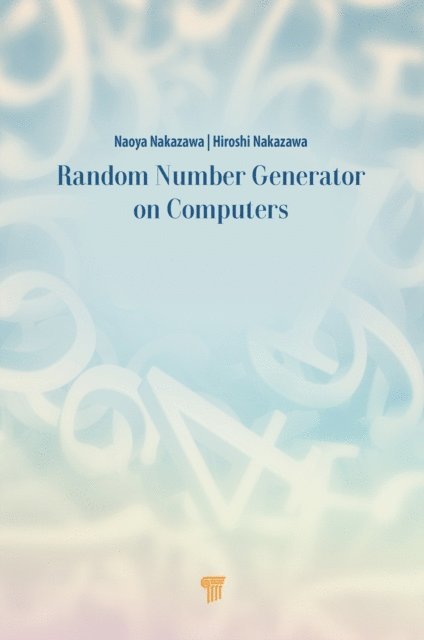
Random Number Generators on Computers
Av Hiroshi Nakazawa, Naoya Nakazawa
E-bok, 2024
1333 kr
Lägg i varukorg
This monograph proves that any finite random number sequence is represented by the multiplicative congruential (MC) way. It also shows that an MC random number generator (d, z) formed by the modulus d and the multiplier z should be selected by new regular simplex criteria to give random numbers an …
Random Number Generators on Computers
Av Hiroshi Nakazawa, Naoya Nakazawa
E-bok, 2024
1305 kr
Lägg i varukorg
This monograph proves that any finite random number sequence is represented by the multiplicative congruential (MC) way. It also shows that an MC random number generator (d, z) formed by the modulus d and the multiplier z should be selected by new regular simplex criteria to give random numbers an …
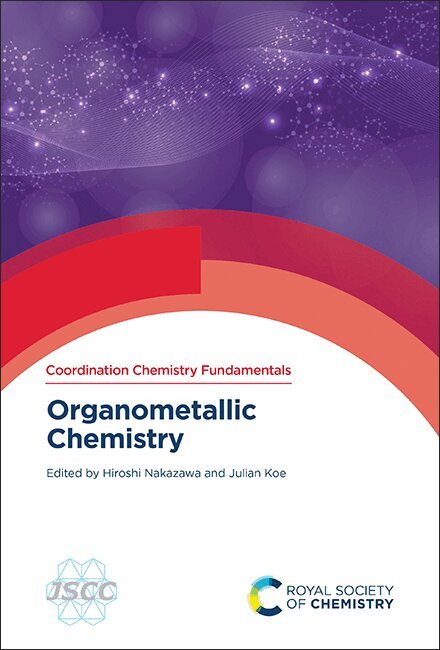
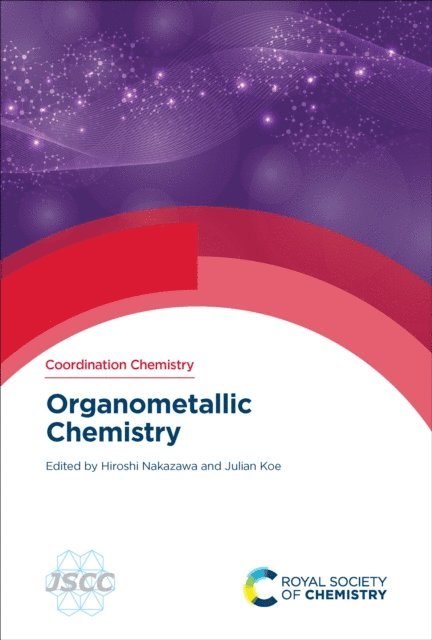
Organometallic Chemistry
Av Hiroshi Nakazawa, Julian Koe
Inbunden, 2021
1256 kr
Lägg i varukorg
Designed for teaching, this English translation of the tried and tested Organometallic Chemistry 2/e textbook from the Japan Society of Coordination Chemistry can be used as an introductory text for chemistry undergraduates and also provide a bridge to more advanced courses. The book is split into …
Organometallic Chemistry
Av Julian Koe, Hiroshi Nakazawa
E-bok, 2021
1141 kr
Lägg i varukorg
Designed for teaching, this English translation of the tried and tested Organometallic Chemistry 2/e textbook from the Japan Society of Coordination Chemistry can be used as an introductory text for chemistry undergraduates and also provide a bridge to more advanced courses. The book is split into …
Organometallic Chemistry
Av Julian Koe, Hiroshi Nakazawa
E-bok, 2021
1141 kr
Lägg i varukorg
Designed for teaching, this English translation of the tried and tested Organometallic Chemistry 2/e textbook from the Japan Society of Coordination Chemistry can be used as an introductory text for chemistry undergraduates and also provide a bridge to more advanced courses. The book is split into …
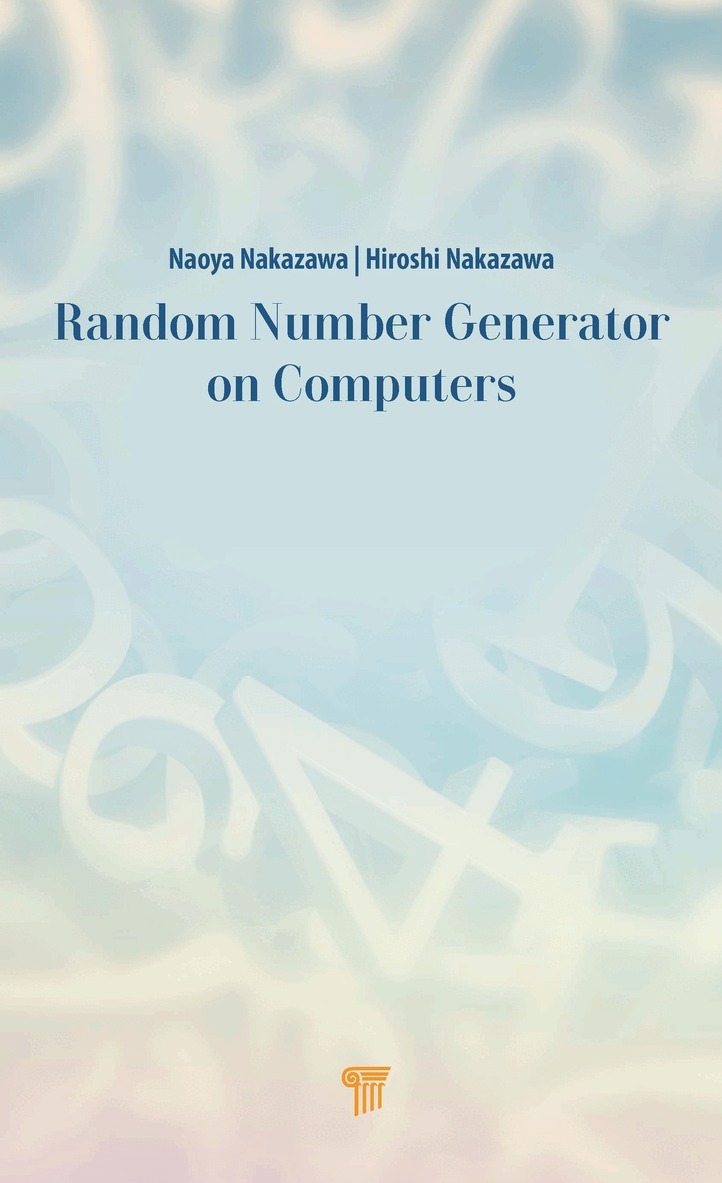
Random Number Generators on Computers
Av Naoya Nakazawa, Hiroshi Nakazawa
Inbunden, 2024
1128 kr
Lägg i varukorg
This monograph proves that any finite random number sequence is represented by the multiplicative congruential (MC) way. It also shows that an MC random number generator (d, z) formed by the modulus d and the multiplier z should be selected by new regular simplex criteria to give random numbers an …