Holly Fletcher – författare
Visar alla böcker från författaren Holly Fletcher. Handla med fri frakt och snabb leverans.
6 produkter
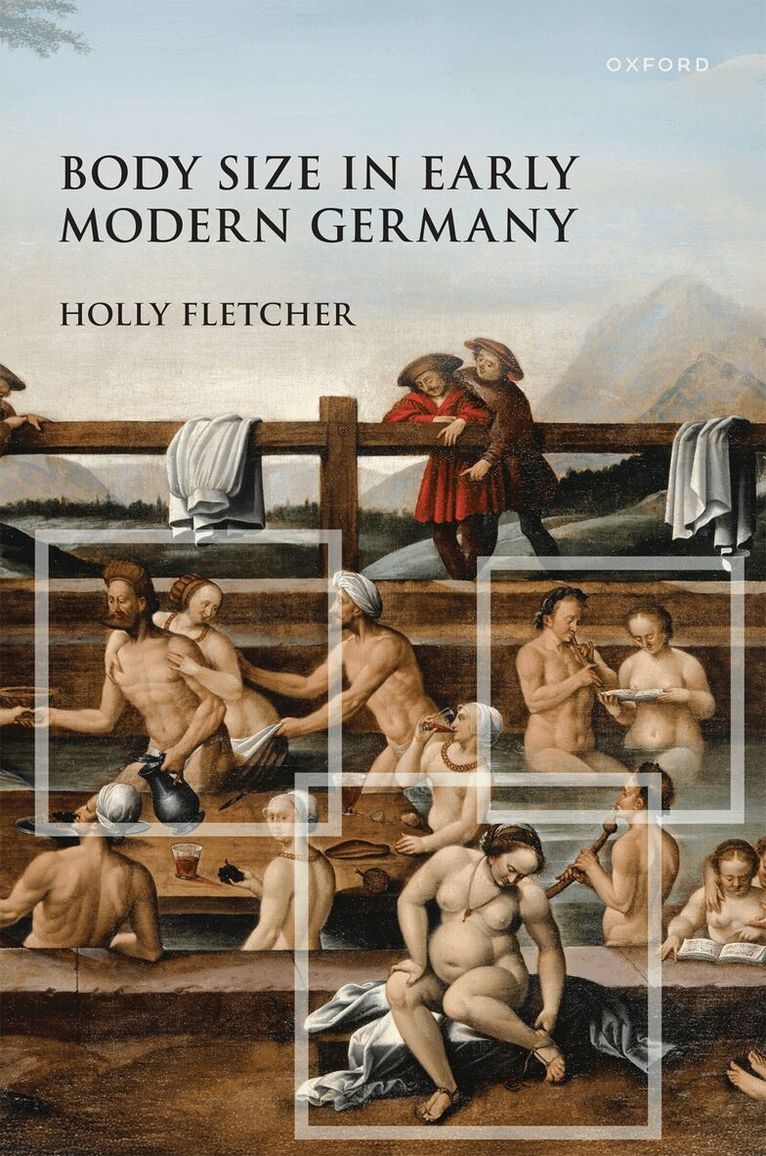
Body Size in Early Modern Germany
Inbunden, 2026
1300 kr
Lägg i varukorg
Body Size in Early Modern Germany uncovers the significance of fatness and thinness in early modern German society and culture. It explores how early modern people conceived of fat and thin bodies, in terms of both the cultural meanings attached to body size and personal perceptions of the body. …
Body Size in Early Modern Germany
E-bok, 2026
739 kr
Lägg i varukorg
Body Size in Early Modern Germany uncovers the significance of fatness and thinness in early modern German society and culture. It explores how early modern people conceived of fat and thin bodies, in terms of both the cultural meanings attached to body size and personal perceptions of the body. …
Body Size in Early Modern Germany
E-bok, 2026
739 kr
Lägg i varukorg
Body Size in Early Modern Germany uncovers the significance of fatness and thinness in early modern German society and culture. It explores how early modern people conceived of fat and thin bodies, in terms of both the cultural meanings attached to body size and personal perceptions of the body. …
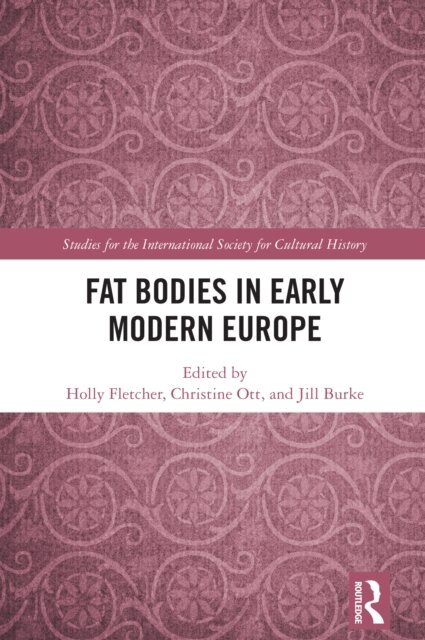
Fat Bodies in Early Modern Europe
Av Holly Fletcher, Christine Ott m. fl.
Inbunden, 2026
2888 kr
Lägg i varukorg
This book is the first to examine understandings and experiences of fatness in early modern Europe (c. 1450–1700), uncovering attitudes towards fat bodies across England, France, Germany, Italy, and Spain through interdisciplinary analysis.Readers will gain a comprehensive understanding of how …
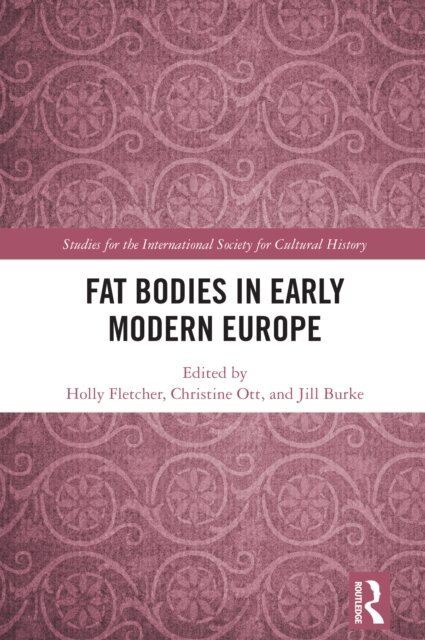
Fat Bodies in Early Modern Europe
Av Jill Burke, Christine Ott m. fl.
E-bok, 2026
856 kr
Lägg i varukorg
This book is the first to examine understandings and experiences of fatness in early modern Europe (c. 1450-1700), uncovering attitudes towards fat bodies across England, France, Germany, Italy, and Spain through interdisciplinary analysis.Readers will gain a comprehensive understanding of how …
Fat Bodies in Early Modern Europe
Av Jill Burke, Christine Ott m. fl.
E-bok, 2026
838 kr
Lägg i varukorg
This book is the first to examine understandings and experiences of fatness in early modern Europe (c. 1450-1700), uncovering attitudes towards fat bodies across England, France, Germany, Italy, and Spain through interdisciplinary analysis.Readers will gain a comprehensive understanding of how …