Holly Furneaux - Böcker
Visar alla böcker från författaren Holly Furneaux. Handla med fri frakt och snabb leverans.
9 produkter
9 produkter
491 kr
Skickas inom 5-8 vardagar
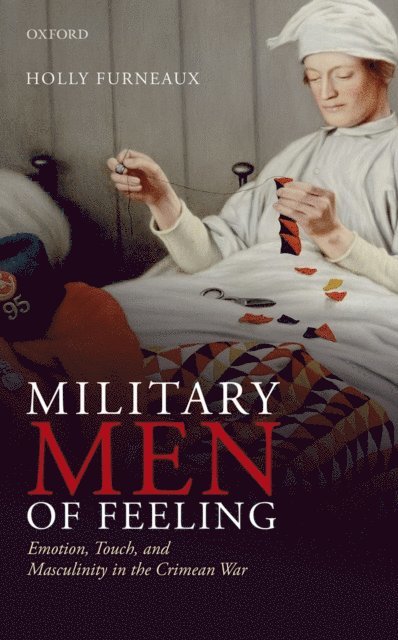
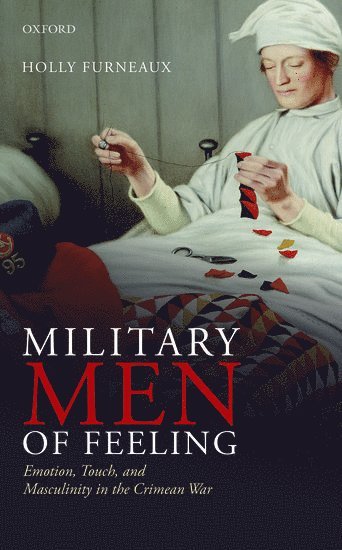
Military Men of Feeling considers the popularity of the figure of the gentle soldier in the Victorian period. It traces a persistent narrative swerve from tales of war violence to reparative accounts of soldiers as moral exemplars, homemakers, adopters of children on the battlefield, and nurses. This material invites us to think afresh about Victorian masculinity and Victorian militarism. It challenges ideas about the separation of military and domestic life, and about the incommunicability of war experience. Focusing on representations of soldiers' experiences of touch and emotion, the book combines the work of well known writers - including Charles Dickens, Charles Kingsley, William Makepeace Thackeray, Charlotte Yonge - with previously unstudied writing and craft produced by British soldiers in the Crimean War, 1854-56. The Crimean War was pivotal in shaping British attitudes to military masculinity. A range of media enabled unprecedented public engagement with the progress and infamous 'blunders' of the conflict. Soldiers and civilians reflected on appropriate behaviour across ranks, forms of heroism, the physical suffering of the troops, administrative management and the need for army reform. The book considers how the military man of feeling contributes to the rethinking of gender roles, class and military hierarchy in the mid-nineteenth century, and how this figure was used in campaigns for reform. The gentle soldier could also do more bellicose social and political work, disarming anti-war critiques and helping people to feel better about war. This book looks at the difficult mixed politics of this figure. It considers questions, debated in the nineteenth century and which remain urgent today, about the relationship between feeling and action, and the ethics of an emotional response to war. It makes a case for the importance of emotional and tactile military history, bringing the Victorian military man of feeling into contemporary debates about liberal warriors and soldiers as social workers.
2 488 kr
Skickas inom 3-6 vardagar
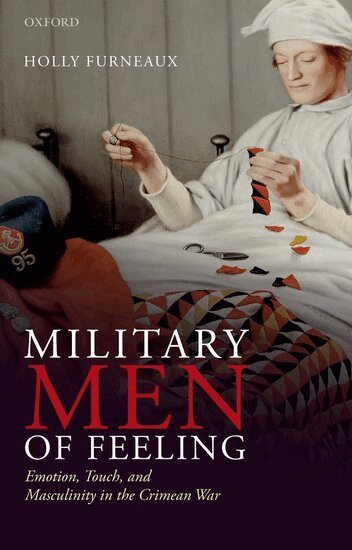
Military Men of Feeling considers the popularity of the figure of the gentle soldier in the Victorian period. It traces a persistent narrative swerve from tales of war violence to reparative accounts of soldiers as moral exemplars, homemakers, adopters of children on the battlefield and nurses. This material invites us to think afresh about Victorian masculinity and Victorian militarism. It challenges ideas about the separation of military and domestic life, and about the incommunicability of war experience. Focusing on representations of soldiers' experiences of touch and emotion, the book combines the work of well known writers--including Charles Dickens, Charles Kingsley, William Makepeace Thackeray, Charlotte Yonge--with previously unstudied writing and craft produced by British soldiers in the Crimean War, 1854-56. The Crimean War was pivotal in shaping British attitudes to military masculinity. A range of media enabled unprecedented public engagement with the progress and infamous 'blunders' of the conflict. Soldiers and civilians reflected on appropriate behaviour across ranks, forms of heroism, the physical suffering of the troops, administrative management and the need for army reform. The book considers how the military man of feeling contributes to the rethinking of gender roles, class and military hierarchy in the mid-nineteenth century, and how this figure was used in campaigns for reform. The gentle soldier could also do more bellicose social and political work, disarming anti-war critiques and helping people to feel better about war. This book looks at the difficult mixed politics of this figure. It considers questions, debated in the nineteenth century and which remain urgent today, about the relationship between feeling and action, and the ethics of an emotional response to war. It makes a case for the importance of emotional and tactile military history, bringing the Victorian military man of feeling into contemporary debates about liberal warriors and soldiers as social workers.
1 208 kr
Skickas inom 5-8 vardagar
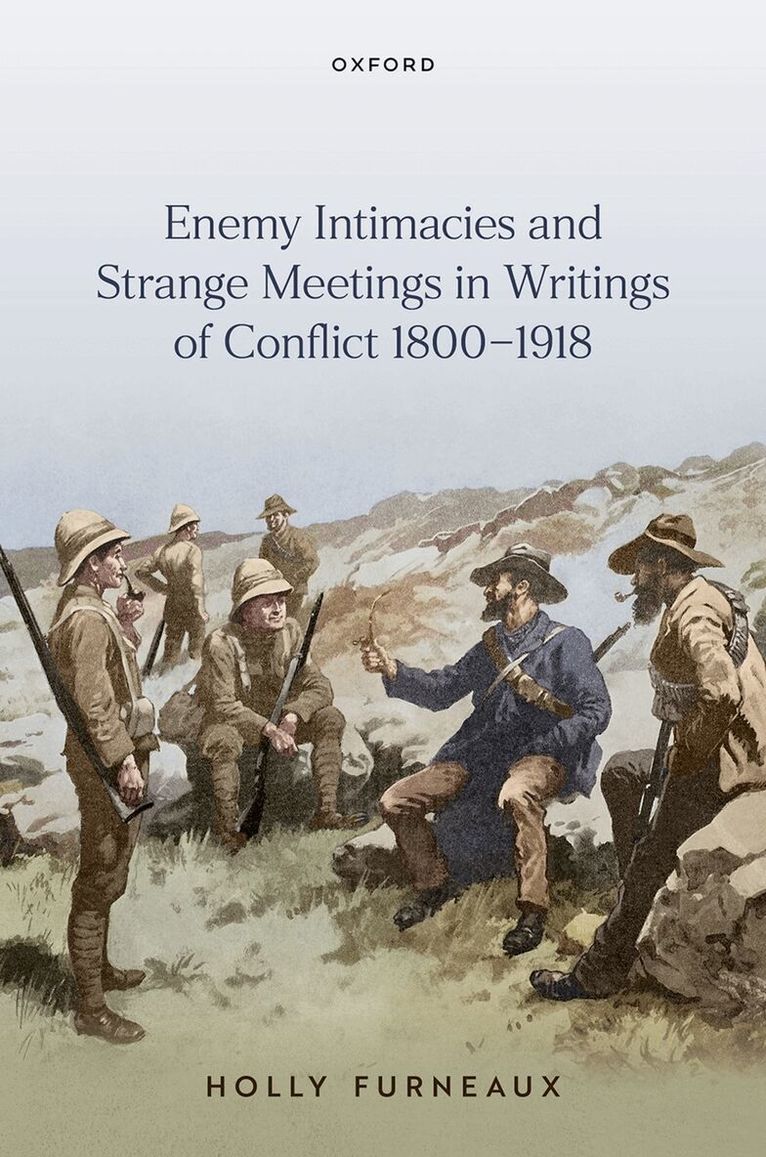
Propaganda others the enemy as brutish, brutal, and lacking in humanity. By contrast, a wealth of literary and first-hand writings present switches in which the enemy becomes, as Wilfred Owen famously put it, a 'strange friend'. This book focuses on moments of intimacy and reassessment between military enemies--truces, treatment of the wounded, relationships with prisoners of war. It is concerned with the work done by declarations of fellow feeling, both to challenge and enable militarism. The book explores enemy intimacies in literature, philosophy, and life writings to ask questions about the nature of amity, enmity, familiarity, and otherness. It ranges across British conflicts of the long nineteenth century, a period in which ideas about the uniqueness of combat experience coalesced with a European effort to secure a distinctive version of so-called civilized humanity. The sense that soldiers of the other side, bonded by experiences unavailable to civilians, were 'just like us' came into tension with views about the dissimilarity of other nations and races. This book considers which enemies can become familiar and which are held as other, investigating dividing lines of nation, race, religion, and culture. Enemy Intimacies and Strange Meetings asks how far these affectively powerful encounters can shift individual and wider narratives about civilisation and humanitarianism. Attention to the violence that can be done by claiming and denying fellow feeling is held in tension with hope in the queer possibilities of reoriented compassion. This book uncovers a rich cultural history of enemy intimacies to consider different orientations of cosmopolitanism and humanitarian fellow feeling, while recognizing and explaining the ways in which full international kinship remains elusive.
2 021 kr
Skickas inom 5-8 vardagar
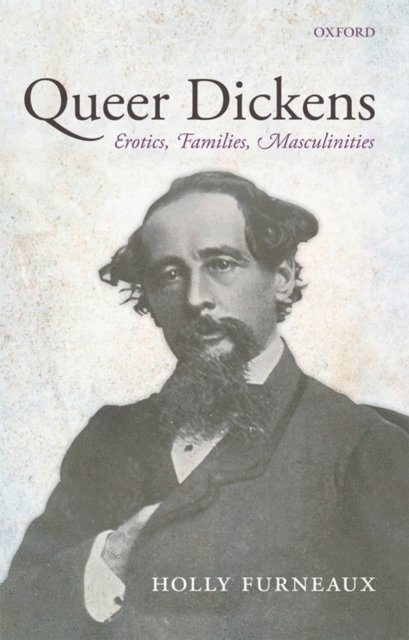
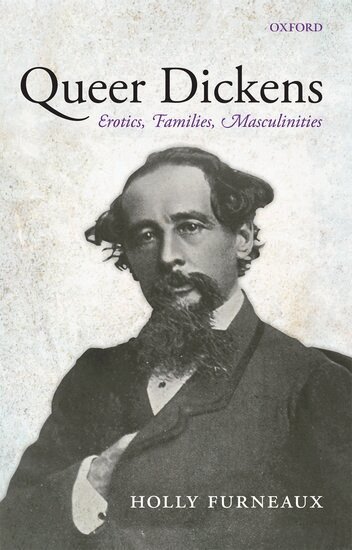
This book offers a radically new reading of Dickens and his major works. It demonstrates that, rather than representing a largely conventional, conservative view of sexuality and gender, he presents a distinctly queer corpus, everywhere fascinated by the diversity of gender roles, the expandability of notions of the family, and the complex multiplicity of sexual desire. The book examines the long overlooked figures of bachelor fathers, maritally resistant men, and male nurses. It explores Dickens's attention to a longing, not to reproduce, but to nurture, his interest in healing touch, and his articulation, over the course of his career, of homoerotic desire. Holly Furneaux places Dickens's writing in a broad literary and social context, alongside authors including Bulwer-Lytton, Tennyson, Braddon, Collins, and Whitman, to make a case for Dickens's central position in queer literary history. Examining novels, poetry, life-writing, journalism, and legal and political debates, Queer Dickens argues that this eminent Victorian can direct us to the ways in which his culture could, and did, comfortably accommodate homoeroticism and families of choice. Further, it contends that Dickens's portrayals of nurturing masculinity and his concern with touch and affect between men challenge what we have been used to thinking about Victorian ideals of maleness. Queer Dickens intervenes in current debates about the Victorians (neither so punitive nor so prudish as we once imagined) and about the methodologies of the histories of the family and of sexuality. It makes the case for a more optimistic, nurturing, and life-affirming trajectory in queer theory.
850 kr
Skickas inom 7-10 vardagar
This book offers a radically new reading of Dickens and his major works. It demonstrates that, rather than representing a largely conventional, conservative view of sexuality and gender, he presents a distinctly queer corpus, everywhere fascinated by the diversity of gender roles, the expandability of notions of the family, and the complex multiplicity of sexual desire. The book examines the long overlooked figures of bachelor fathers, maritally resistant men, and male nurses. It explores Dickens's attention to a longing, not to reproduce, but to nurture, his interest in healing touch, and his articulation, over the course of his career, of homoerotic desire. Holly Furneaux places Dickens's writing in a broad literary and social context, alongside authors including Bulwer-Lytton, Tennyson, Braddon, Collins, and Whitman, to make a case for Dickens's central position in queer literary history. Examining novels, poetry, life-writing, journalism, and legal and political debates, Queer Dickens argues that this eminent Victorian can direct us to the ways in which his culture could, and did, comfortably accommodate homoeroticism and families of choice. Further, it contends that Dickens's portrayals of nurturing masculinity and his concern with touch and affect between men challenge what we have been used to thinking about Victorian ideals of maleness. Queer Dickens intervenes in current debates about the Victorians (neither so punitive nor so prudish as we once imagined) and about the methodologies of the histories of the family and of sexuality. It makes the case for a more optimistic, nurturing, and life-affirming trajectory in queer theory.
1 598 kr
Skickas inom 7-10 vardagar
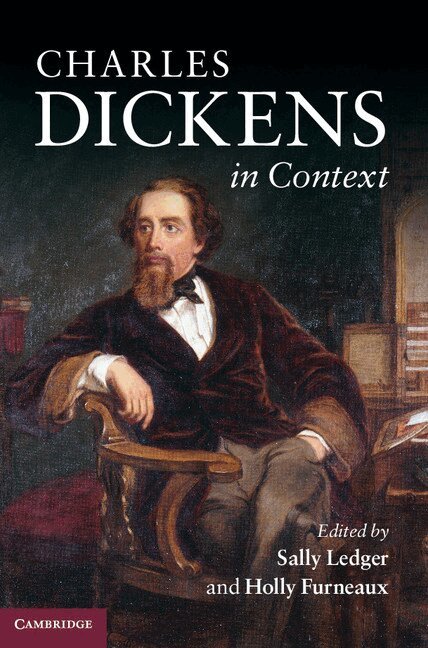
Charles Dickens, a man so representative of his age as to have become considered synonymous with it, demands to be read in context. This book illuminates the worlds - social, political, economic and artistic - in which Dickens worked. Dickens's professional life encompassed work as a novelist, journalist, editor, public reader and passionate advocate of social reform. This volume offers a detailed treatment of Dickens in each of these roles, exploring the central features of Dickens's age, work and legacy, and uncovering sometimes surprising faces of the man and of the range of Dickens industries. Through 45 digestible short chapters written by a leading expert on each topic, a rounded picture emerges of Dickens's engagement with his time, the influence of his works and the ways he has been read, adapted and re-imagined from the nineteenth century to the present.
493 kr
Skickas inom 7-10 vardagar
Charles Dickens, a man so representative of his age as to have become considered synonymous with it, demands to be read in context. This book illuminates the worlds - social, political, economic and artistic - in which Dickens worked. Dickens's professional life encompassed work as a novelist, journalist, editor, public reader and passionate advocate of social reform. This volume offers a detailed treatment of Dickens in each of these roles, exploring the central features of Dickens's age, work and legacy, and uncovering sometimes surprising faces of the man and of the range of Dickens industries. Through 45 digestible short chapters written by a leading expert on each topic, a rounded picture emerges of Dickens's engagement with his time, the influence of his works and the ways he has been read, adapted and re-imagined from the nineteenth century to the present.
1 527 kr
Skickas inom 10-15 vardagar
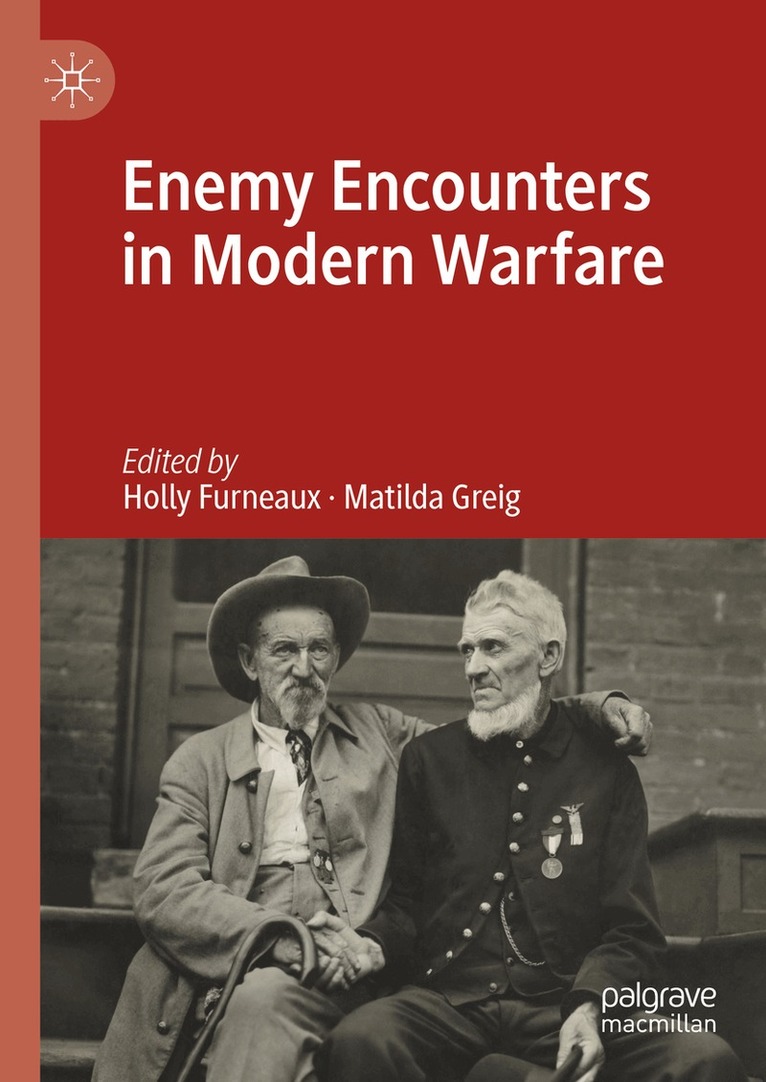
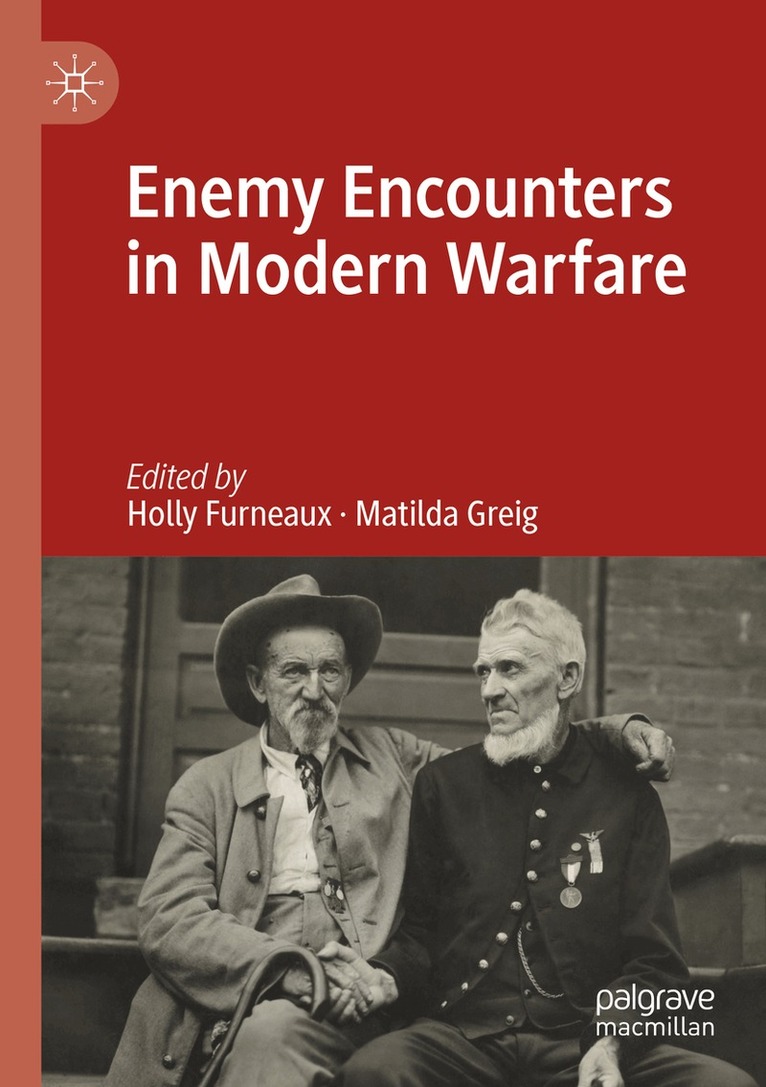
Scrutinizing asymmetries of power in enemy encounters, the instability of divisions between allies and enemies, and the heterogeneity of experiences within one army or side, contributors to this book confront a central question: how far is thinking of the enemy as an ‘equal’ in some way a precondition for non-violent interactions with them in war?
1 527 kr
Skickas inom 10-15 vardagar
While the 1914 Christmas truces have a mythological status in British culture, intimate interactions with the enemy are, this interdisciplinary edited collection shows, a staple of modern warfare. Spanning multiple conflicts around the world, from the nineteenth century to the present Russia/Ukraine war, the chapters consider how fellow-feeling with the enemy during war has been both fueled and limited by constellations of class, gender, nationality, race, religion, sexuality, and shared experience. Scrutinizing asymmetries of power in enemy encounters, the instability of divisions between allies and enemies, and the heterogeneity of experiences within one army or side, contributors to this book confront a central question: how far is thinking of the enemy as an ‘equal’ in some way a precondition for non-violent interactions with them in war? In some cases, the ease of fraternization and reciprocity between the lines raises questions about the necessity of a clear feeling of enmity for fighting to continue, while in others, exclusionary attitudes based on racial or colonial hierarchies or the criminality of irregular warfare result in extreme violence and differential valuations of enemy lives.