Hon FBCI Jim Burtles KLJ, MMLJ – författare
324 kr
Läs direkt efter köp
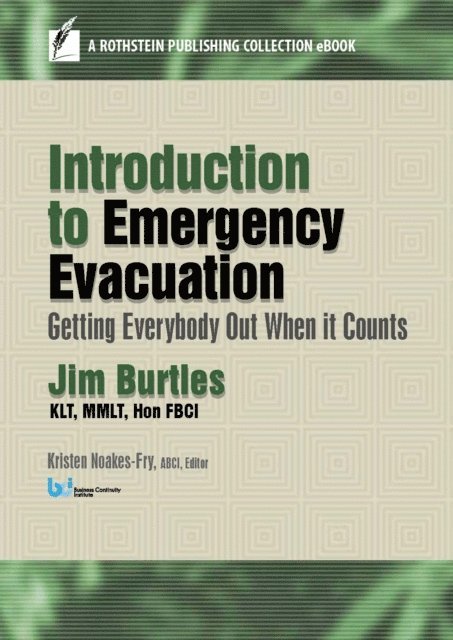
When it’s not just a drill, you need to get it right the first time. If an emergency alert sounds, are you ready to take charge and get everyone out of the office, theatre, classroom, or store safely? In Introduction to Emergency Evacuation: Getting Everybody Out When it Counts, Jim Burtles explains the practical basics of understanding your site, planning escape routes, and providing for people with special needs. When minutes count, you will be ready to take action!
From 30+ years of working with organizations like yours, Burtles knows the challenges you face. He tells you what you need to know as you plan to evacuate people of all ages and health conditions – whether it’s from small offices, skyscrapers, stores, industrial plants, hospitals, college campuses, or other venues. In this short book, Burtles tells you how to:
Analyze the site, identifying escape routes and assembly areas.Select and train emergency response teams who will be ready to assist when needed.Calculate the amount of time to allow to evacuate people from different locations – using the author’s own proven formula.Anticipate the personal needs of people who have been suddenly evacuated – from coats to transportation to medical assistance.Learn the needs and limitations of people with disabilities, creating personal evacuation plans for them.Create signage that will be effective for anyone who will be in the area – from workers to customers to visitors.Communicate during the emergency.Check and double-check to make sure nobody is left behind.Finally, to save you time in your emergency planning, Burtles ends the book ends with a bonus comprehensive “Emergency Evacuation Checklist” containing the essentials you need to make sure your plan covers everything you need.
336 kr
Läs direkt efter köp
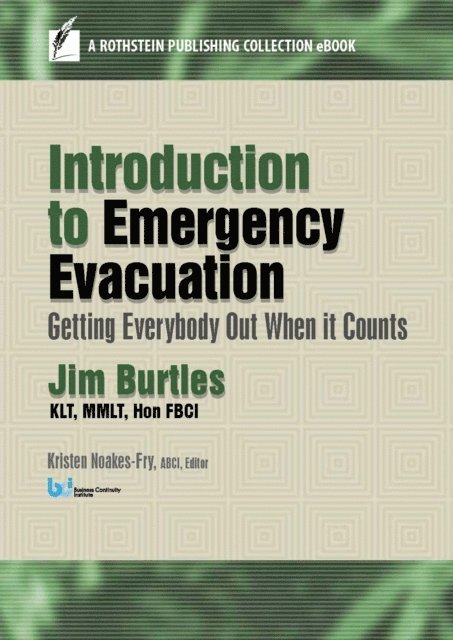
When it’s not just a drill, you need to get it right the first time. If an emergency alert sounds, are you ready to take charge and get everyone out of the office, theatre, classroom, or store safely? In Introduction to Emergency Evacuation: Getting Everybody Out When it Counts, Jim Burtles explains the practical basics of understanding your site, planning escape routes, and providing for people with special needs. When minutes count, you will be ready to take action!
From 30+ years of working with organizations like yours, Burtles knows the challenges you face. He tells you what you need to know as you plan to evacuate people of all ages and health conditions – whether it’s from small offices, skyscrapers, stores, industrial plants, hospitals, college campuses, or other venues. In this short book, Burtles tells you how to:
Analyze the site, identifying escape routes and assembly areas.Select and train emergency response teams who will be ready to assist when needed.Calculate the amount of time to allow to evacuate people from different locations – using the author’s own proven formula.Anticipate the personal needs of people who have been suddenly evacuated – from coats to transportation to medical assistance.Learn the needs and limitations of people with disabilities, creating personal evacuation plans for them.Create signage that will be effective for anyone who will be in the area – from workers to customers to visitors.Communicate during the emergency.Check and double-check to make sure nobody is left behind.Finally, to save you time in your emergency planning, Burtles ends the book ends with a bonus comprehensive “Emergency Evacuation Checklist” containing the essentials you need to make sure your plan covers everything you need.
336 kr
Läs direkt efter köp
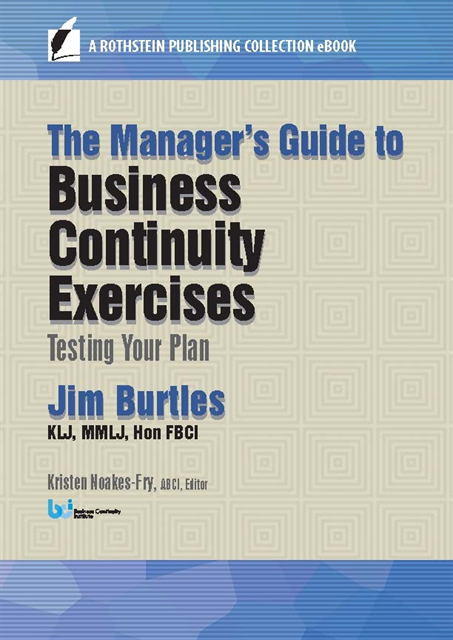
You designed your Business Continuity Plan to keep your business in business regardless of the forces of man and nature. But how do you know that the plan really works? Few companies can afford the recommended full-scale exercises several times a year. In The Manager’s Guide to Business Continuity Exercises, Jim Burtles, an internationally known expert, details the options for conducting a range of tests and exercises to keep your plan effective and up to date.
Your challenge is to maintain a good and effective plan in the face of changing circumstances and limited budgets. If your situation is like that in most companies, you really cannot depend on the results of last year’s test or exercise of the plan. People tend to forget, lose confidence, lose interest, or even be replaced by other people who were not involved in your original planning. Jim Burtles explains:
“You cannot have any real confidence in your plans and procedures until they have been fully tested…Exercises are the only way we can be sure that the people will be able to interpret the plans and procedures correctly within the requisite timeframe under difficult circumstances.”
As you do your job in this constantly shifting context, Jim Burtles helps you to:• Differentiate between an “exercise” and a “test” – and see the value of each in your BC program.• Understand the different types of plans and identify the people who need to be involved in exercises and tests for each. • Use the “Five-Stage Growth Path” – from desktop to walkthrough to full-scale exercise -- to conduct gradual testing, educate personnel, foster capability, and build confidence.• Create a variety of unusual scenario plot-lines that will keep up everyone’s interest.• Identify the eight main elements in developing and delivering a successful BC exercise.• Select and prepare a “delivery team” and a “response team” for your exercise.• Make sure everyone understands the “rules of engagement.” • Use the lessons learned from exercises and tests to audit, update, and maintain the plan.
You are well aware that a host of problems may crop up in any kind of company-wide project. These problems can range from basic logistics like time and place, to non-support from executives and managers, to absenteeism, to the weather, to participants forgetting their lines. Throughout the book, Burtles uses his decades of experience working with companies like yours to give you useful examples, case studies, and down-to-earth advice to help you handle the unexpected and work toward the results you are looking for.
324 kr
Läs direkt efter köp
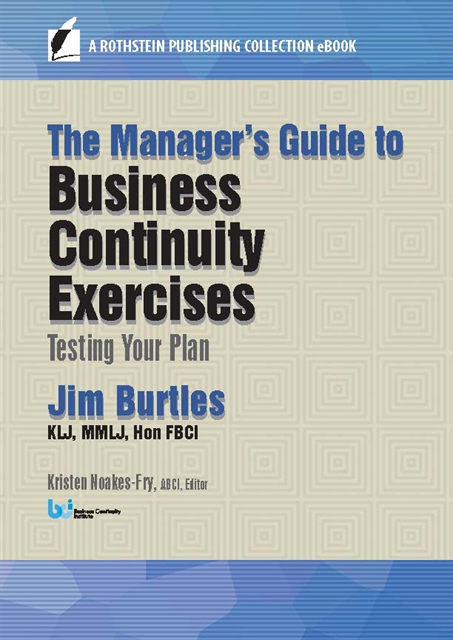
You designed your Business Continuity Plan to keep your business in business regardless of the forces of man and nature. But how do you know that the plan really works? Few companies can afford the recommended full-scale exercises several times a year. In The Manager’s Guide to Business Continuity Exercises, Jim Burtles, an internationally known expert, details the options for conducting a range of tests and exercises to keep your plan effective and up to date.
Your challenge is to maintain a good and effective plan in the face of changing circumstances and limited budgets. If your situation is like that in most companies, you really cannot depend on the results of last year’s test or exercise of the plan. People tend to forget, lose confidence, lose interest, or even be replaced by other people who were not involved in your original planning. Jim Burtles explains:
“You cannot have any real confidence in your plans and procedures until they have been fully tested…Exercises are the only way we can be sure that the people will be able to interpret the plans and procedures correctly within the requisite timeframe under difficult circumstances.”
As you do your job in this constantly shifting context, Jim Burtles helps you to:• Differentiate between an “exercise” and a “test” – and see the value of each in your BC program.• Understand the different types of plans and identify the people who need to be involved in exercises and tests for each. • Use the “Five-Stage Growth Path” – from desktop to walkthrough to full-scale exercise -- to conduct gradual testing, educate personnel, foster capability, and build confidence.• Create a variety of unusual scenario plot-lines that will keep up everyone’s interest.• Identify the eight main elements in developing and delivering a successful BC exercise.• Select and prepare a “delivery team” and a “response team” for your exercise.• Make sure everyone understands the “rules of engagement.” • Use the lessons learned from exercises and tests to audit, update, and maintain the plan.
You are well aware that a host of problems may crop up in any kind of company-wide project. These problems can range from basic logistics like time and place, to non-support from executives and managers, to absenteeism, to the weather, to participants forgetting their lines. Throughout the book, Burtles uses his decades of experience working with companies like yours to give you useful examples, case studies, and down-to-earth advice to help you handle the unexpected and work toward the results you are looking for.