Hugo Moreno - Böcker
Visar alla böcker från författaren Hugo Moreno. Handla med fri frakt och snabb leverans.
4 produkter
4 produkter
354 kr
Skickas inom 7-10 vardagar
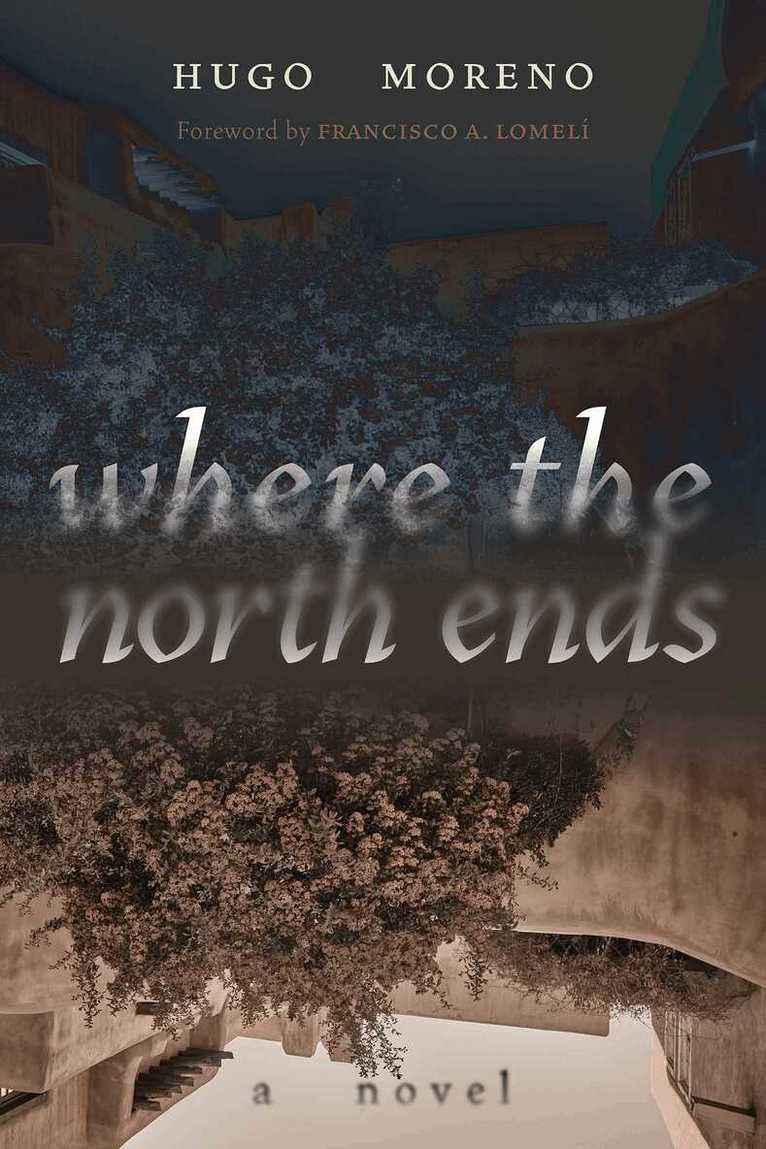
A dramatic story of love, fate, and redemption in a time travel adventure filled with mysticism as our hero moves between the twentieth-century and New Mexico during the Spanish Inquisition. Aspiring writer Uriel Romero finds himself mysteriously trapped in the body of Diego, a seventeenth-century Franciscan novice accused of heresy. Unsure whether he’s in a dream, a coma, or another dimension, Uriel must navigate Diego’s fate: to be sent to New Mexico on a perilous mission to convert the Apaches or else risk the flames of the Spanish Inquisition. As he struggles to understand his new existence, Uriel encounters a cast of colorful characters: a prophetic friar who claims to be his father, an Apache shaman guiding him through the astral plane, a talking mule yearning for the Promised Land, and Alma—his eternal love whose tragic death still haunts him. With echoes of “The Night Face Up” by Julio Cortázar and Journey to Ixtlan by Carlos Castaneda, this time-travel saga weaves history, mysticism, and existential mystery into a gripping tale of fate, love, and redemption. Will Uriel uncover the truth before time runs out, or is he doomed to be lost between worlds forever?
195 kr
Skickas inom 5-8 vardagar
278 kr
Skickas inom 3-6 vardagar
1 314 kr
Skickas inom 10-15 vardagar
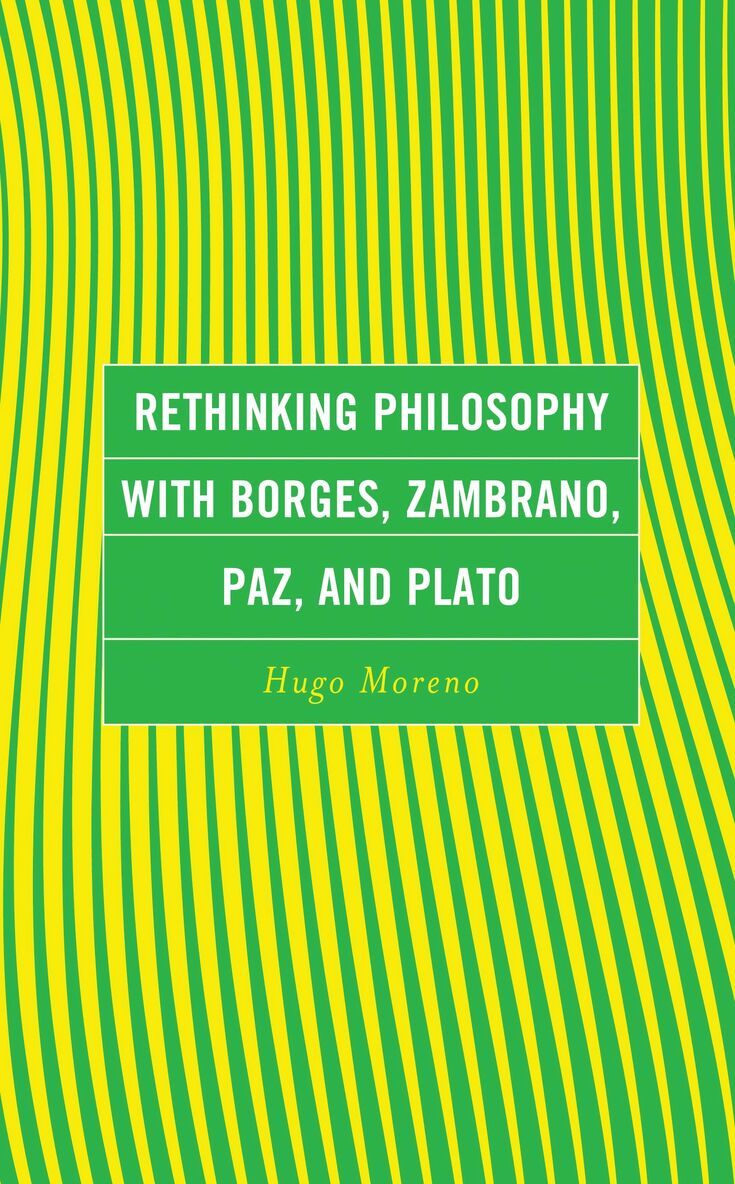
In Rethinking Philosophy with Borges, Zambrano, Paz, and Plato, Hugo Moreno argues that in Ficciones, Claros del bosque, and El mono gramático, Jorge Luis Borges, María Zambrano, and Octavio Paz practice a literary way of philosophizing—a way of seeking and communicating knowledge of reality that takes up analogical procedures. They deploy analogy as an indispensable and irreplaceable heuristic tool and literary device to convey their insight and perplexities on the nature of existence. Borges’ ironic approach involves reading and writing philosophy as fiction. Zambrano’s poetic reason is a mode of writing and thinking based on an imaginative sort of recollection that is ultimately a visionary’s poetizing technique. Paz’s poetic thinking relies on analogy to correlate and harmonize an array of worldviews, ideas, and discourses.In the appendix, Moreno shows that Plato's Republic is a forerunner of this way of philosophizing in literature. Moreno suggests that in the Republic, Plato reconciles philosophy and poetry and creates a rational prose poetry that fuses argumentation and narration, dialectical and analogical reasoning, and abstract concepts and poetic images.