Huw Lemmey - Böcker
Visar alla böcker från författaren Huw Lemmey. Handla med fri frakt och snabb leverans.
3 produkter
3 produkter
149 kr
Skickas inom 7-10 vardagar
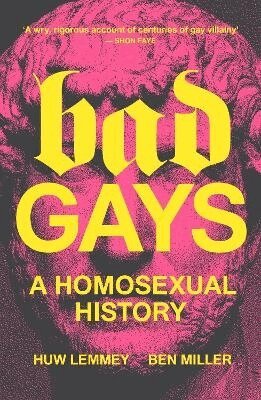
Too many popular histories seek to establish heroes, pioneers and martyrs but as Huw Lemmey and Ben Miller argue, the past is filled with queer people whose sexualities and/or dastardly deeds have been overlooked. We all remember Oscar Wilde, but who speaks for Bosie? What about those 'bad gays' whose un-exemplary lives reveals more than we might expect?Part-revisionist history, part-historical biography and based on the hugely popular podcast series, Bad Gays subverts the notion of gay icons and queer heroes and asks what we can learn about LGBTQ history, sexuality and identity through its villains and baddies. From the Emperor Hadrian to notorious gangster Ronnie Kray, the authors excavate the buried history of queer lives. This includes fascist thugs, famous artists, austere puritans and debauched bon viveurs, Imperialists, G-men and architects. Together these amazing life stories expand and challenge the mainstream assumptions of sexual identity. They show that homosexuality itself was an idea that emerged in the nineteenth century and that its interpretation has been central to major historical moments of conflict from the ruptures of Weimar Republic to red-baiting in Cold War America.Amusing, disturbing and fascinating, Bad Gays puts centre stage the queers villains and evil twinks in history.
235 kr
Skickas inom 7-10 vardagar
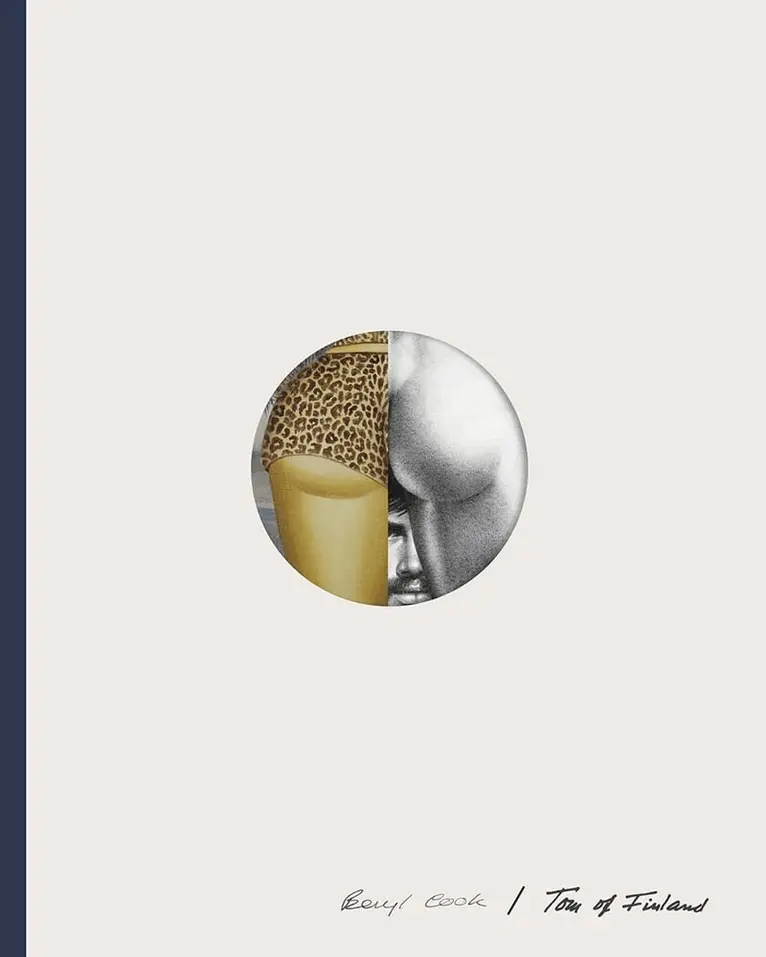
This bold catalogue brings together the work of two cultural icons for the very firsttime: Beryl Cook (1926–2008) and Tom of Finland (1920–1991). It was inspired by the2024 exhibition Beryl Cook / Tom of Finland at Studio Voltaire in London.Beryl Cook was a painter renowned for her exuberant style and descriptions of everydaylife. Her work captures the social milieu of the areas she lived in and visited, notablyPlymouth. Her most enduring images are of larger-than-life women carousing innightclubs, eating in cafés or enjoying ribald hen parties, rendered in graphic andcolourful forms. Cook’s work came to prominence in the mid-1970s and she quicklybecame known as one of Britain’s best-loved artists, highly recognised for her distinctiveworks, which are both celebratory and provocative.Tom of Finland’s pioneering depictions of homosexual machismo in his images ofbikers, soldiers, cowboys, sailors and labourers broadly represent queer, leather andmuscle communities. A master draughtsman, he used his works to give form to animaginative universe that, in turn, helped fuel real-world liberation movements and hadsignificant influence on a wide range of cultural figures including the Village People,Freddie Mercury, Jean Paul Gaultier and Robert Mapplethorpe.Beryl Cook / Tom of Finland puts their work into conversation for the first time. Thepairing is perhaps unexpected, yet immediate and compelling relationships betweentheir practices are evident. Fundamentally, both artists employed a sustained andcoherent way of hyper-realising the body in images that celebrate pleasure and denyshame. Together, their works reveal interconnected ideas surrounding sexuality, gender,taste and class.Artist and writer Huw Lemmey has contributed an incisive new essay exploringthe queer contexts inherent to Tom of Finland’s work, but that also finds latentresonance in Cook’s paintings of gay bars and shapely women. He further considersthe commercial forms of distribution that made their complex bodies of works highlyaccessible.Spanning five decades of paintings, drawings and archival materials, this companioncatalogue contributes to new readings of the artists’ practices and their enduring impacton popular culture.
182 kr
Skickas
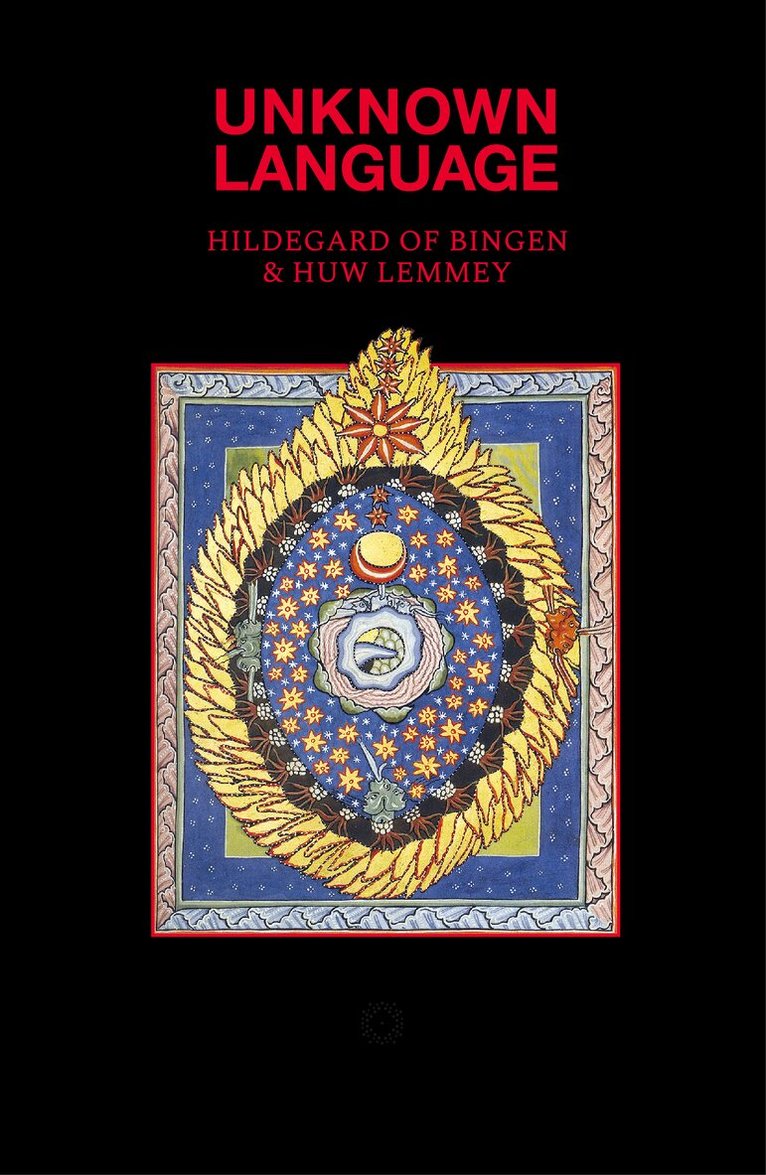
In the twelfth century since the appearance of the prophet Jesus Christ on the now-evacuated planet Earth, Hildegard of Bingen discovers grace in the moral and spiritual ruins of her medieval world. She inscribes her visions into Scivias, an indescribably beautiful codex of writing and illuminations, thought to be lost during the collapse of the Information Age. On the planet Avaaz, in a sea cave with cracked amethyst walls, Pinky Agarwalia discovers fragments of this beguiling text: a mystic toolkit including a cosmology, medicine, a morphology of crystals and recipes for survival – in strange, illegible symbols. How to decipher this unknown language? As Pinky traces the diagrams with her finger, a vision appears revealing that water – a guarded substance – is the alchemical agent: in water, the mysterious script transforms into feeling and light. Unlocking the secrets of viriditas, Hildegard’s mythic quantum energy threaded throughout her communiqués, provides the seeds for humanity’s rebirth on Avaaz. Lingua Ignota, Hildegard's visionary ‘unknown language’, arrives just in time for a world in flux, one whose coordinates are being recast.