Ian McLaine – författare
Visar alla böcker från författaren Ian McLaine. Handla med fri frakt och snabb leverans.
8 produkter
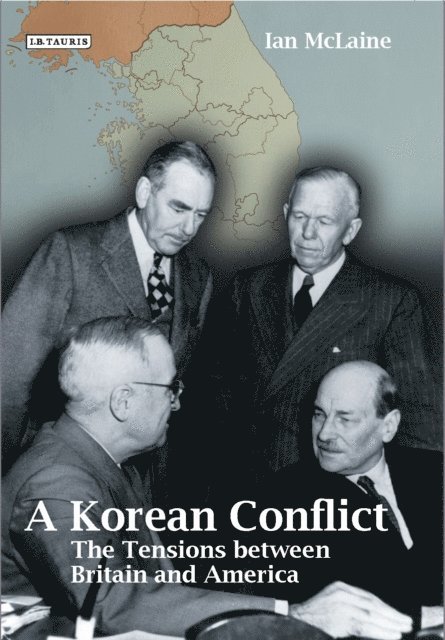
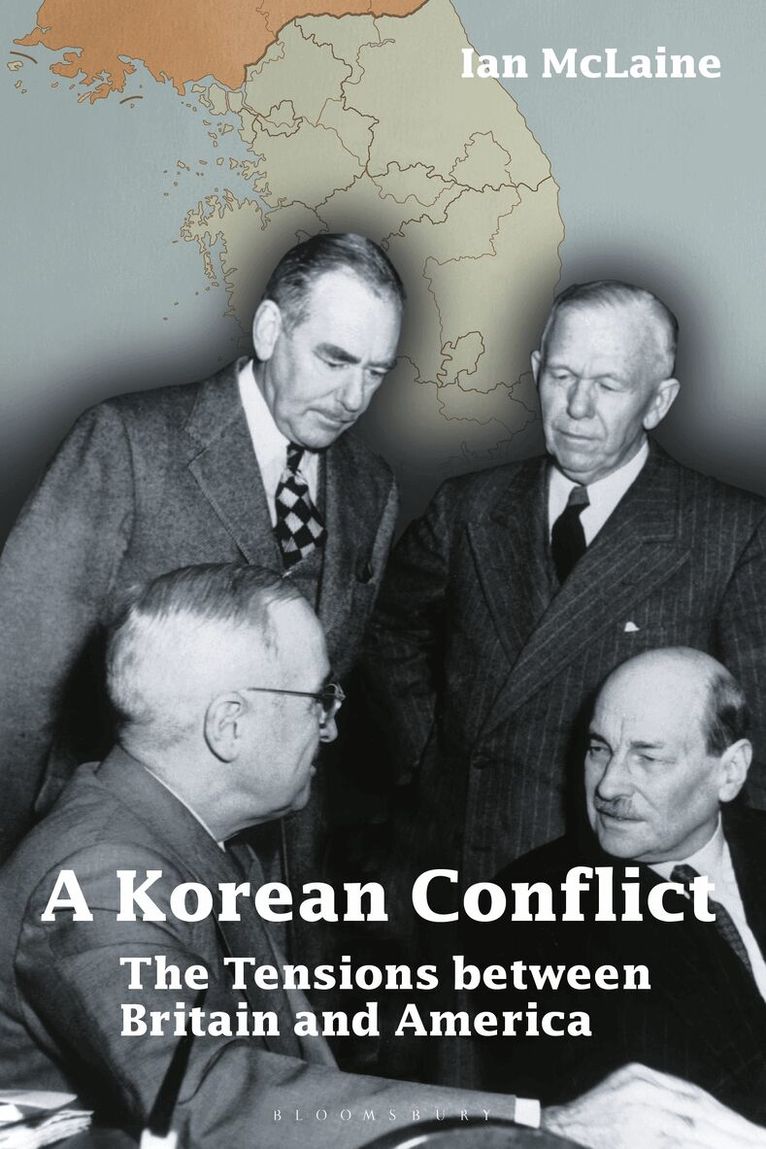
Korean Conflict
The Tensions Between Britain and America
Av Ian McLaine
E-bok, 2015
546 kr
Lägg i varukorg
In 1950, just five years after the end of World War II, Britain and America again went to war--this time to try and combat the spread of communism in East Asia following the invasion of South Korea by communist forces from the North. This book charts the course of the UK-US 'special relationship' …
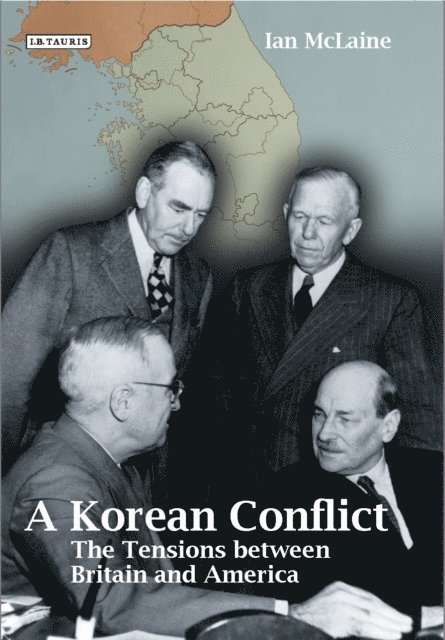
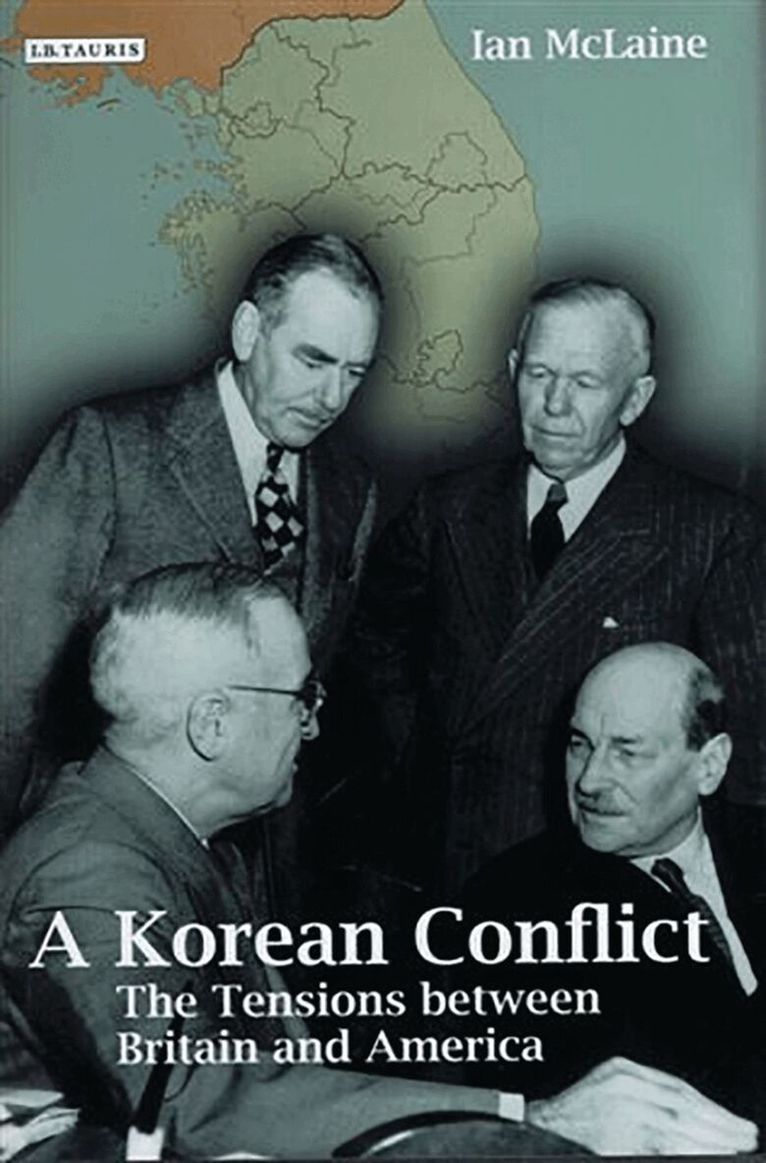
Korean Conflict
The Tensions Between Britain and America
Av Ian McLaine
E-bok, 2015
519 kr
Lägg i varukorg
In 1950, just five years after the end of World War II, Britain and America again went to war--this time to try and combat the spread of communism in East Asia following the invasion of South Korea by communist forces from the North. This book charts the course of the UK-US 'special relationship' …
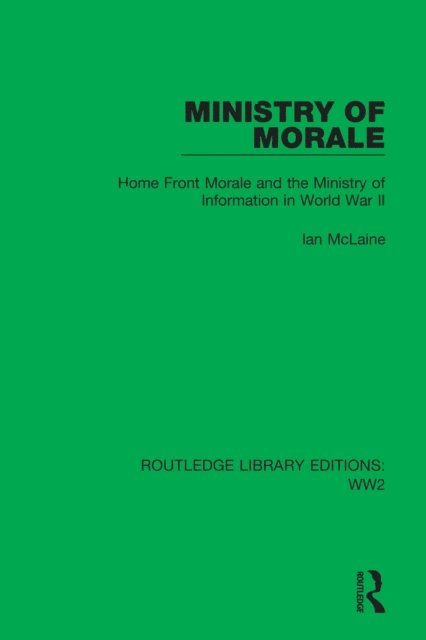
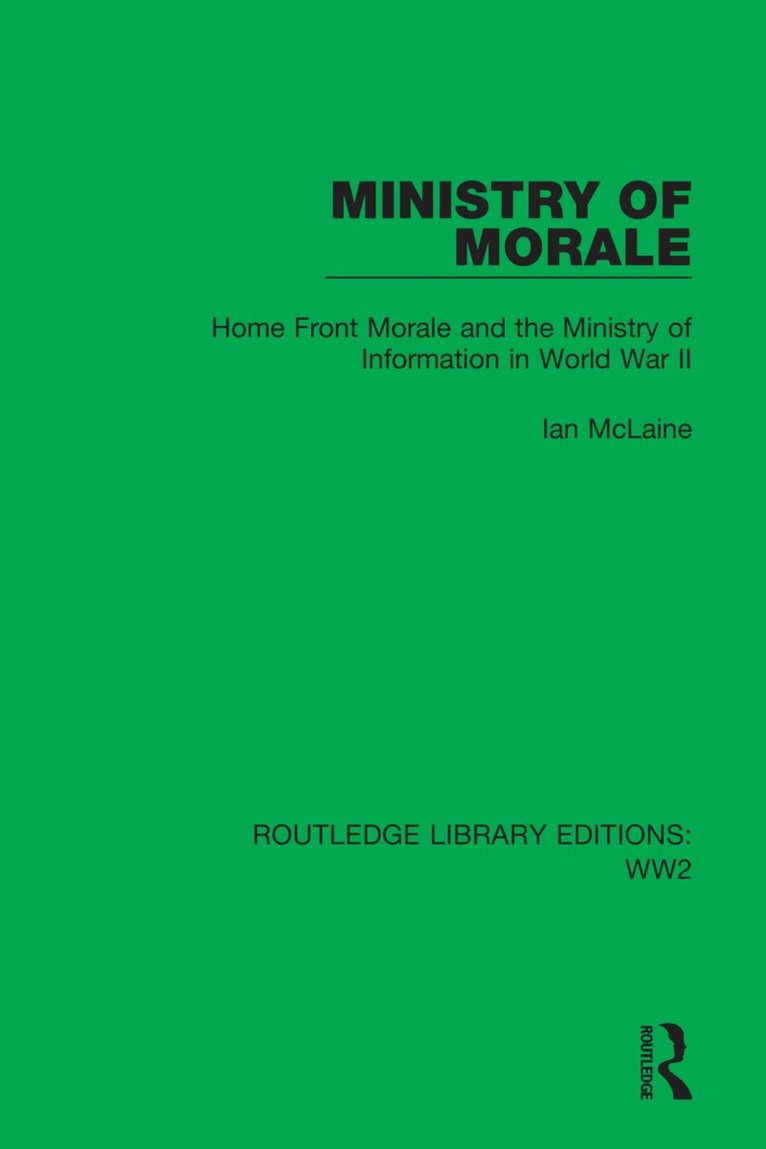
Ministry of Morale
Home Front Morale and the Ministry of Information in World War II
Av Ian McLaine
E-bok, 2021
589 kr
Lägg i varukorg
This book, first published in 1979, is an analysis of the wartime Ministry of Information, responsible for the maintenance of public morale. How was it that British morale remained high, yet the department responsible was so bad? This book examines the domestic work of the Ministry and offers an …
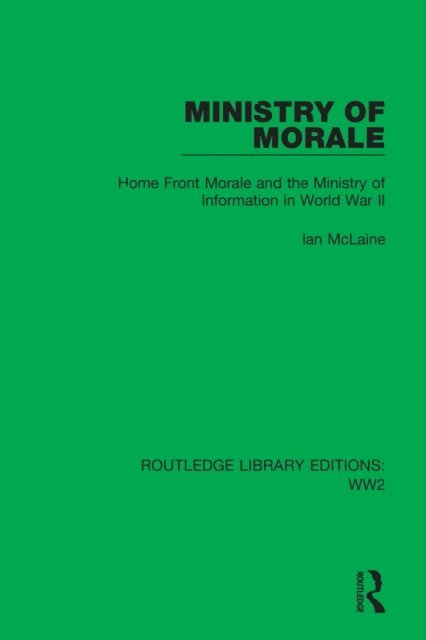
Ministry of Morale
Home Front Morale and the Ministry of Information in World War II
Av Ian McLaine
E-bok, 2021
589 kr
Lägg i varukorg
This book, first published in 1979, is an analysis of the wartime Ministry of Information, responsible for the maintenance of public morale. How was it that British morale remained high, yet the department responsible was so bad? This book examines the domestic work of the Ministry and offers an …
Ministry of Morale
Home Front Morale and the Ministry of Information in World War II
Av Ian McLaine
Inbunden, 2021
2197 kr
Lägg i varukorg
This book, first published in 1979, is an analysis of the wartime Ministry of Information, responsible for the maintenance of public morale. How was it that British morale remained high, yet the department responsible was so bad? This book examines the domestic work of the Ministry and offers an …
Ministry of Morale
Home Front Morale and the Ministry of Information in World War II
Av Ian McLaine
Häftad, 2023
562 kr
Lägg i varukorg
This book, first published in 1979, is an analysis of the wartime Ministry of Information, responsible for the maintenance of public morale. How was it that British morale remained high, yet the department responsible was so bad? This book examines the domestic work of the Ministry and offers an …
Korean Conflict
The Tensions between Britain and America
Av Ian McLaine
Häftad, 2020
487 kr
Lägg i varukorg
In 1950, just five years after the end of World War II, Britain and America again went to war--this time to try and combat the spread of communism in East Asia following the invasion of South Korea by communist forces from the North. This book charts the course of the UK-US 'special relationship' …
Korean Conflict
The Tensions between Britain and America
Av Ian McLaine
Inbunden, 2015
2038 kr
Lägg i varukorg
In 1950, just five years after the end of World War II, Britain and America again went to war--this time to try and combat the spread of communism in East Asia following the invasion of South Korea by communist forces from the North. This book charts the course of the UK-US 'special relationship' …