Idris Nassery - Böcker
Visar alla böcker från författaren Idris Nassery. Handla med fri frakt och snabb leverans.
3 produkter
3 produkter
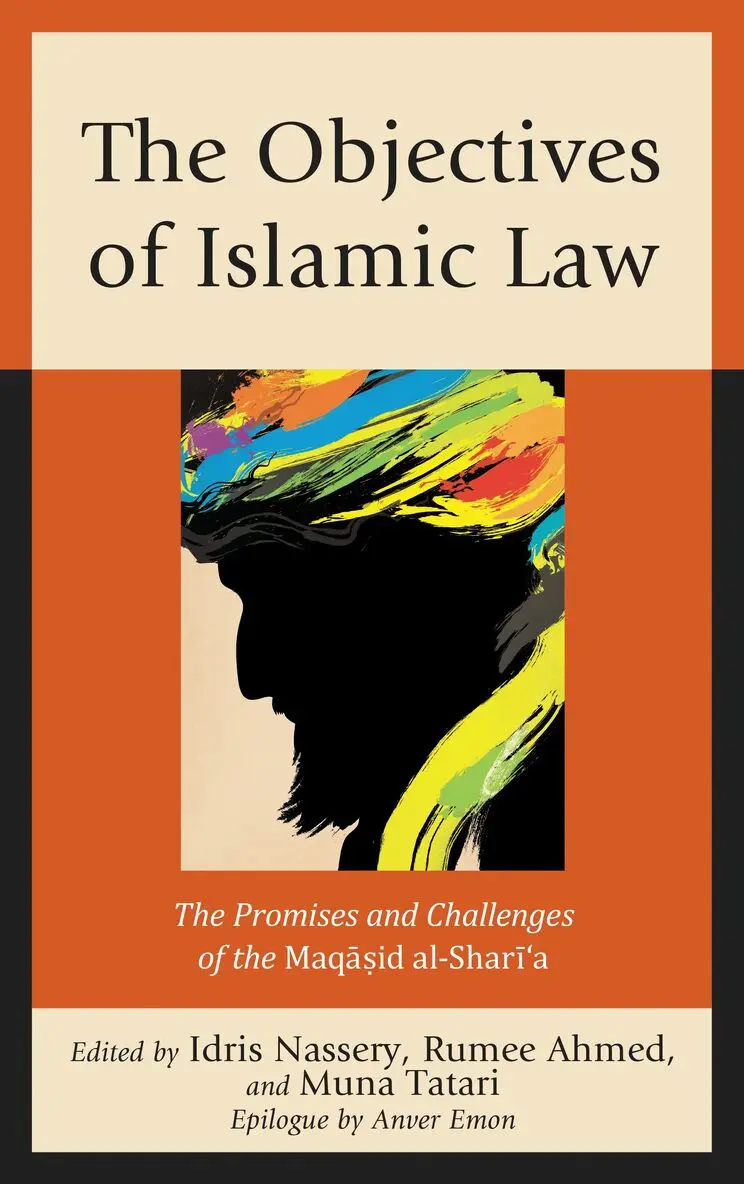
Objectives of Islamic Law
The Promises and Challenges of the Maqasid al-Shari'a
Inbunden, Engelska, 2018
1 358 kr
Skickas inom 10-15 vardagar
Scholars, thinkers, and activists around the world are paying increasing attention to a legal reform method that promises to revolutionize the way people think about Islamic law. Known as “The Objectives of the Shari‘a” (maqa?id al-shari‘a), the theory offers a way to derive and apply new Islamic laws using an ancient methodology. The theory identifies core objectives that underlie Islamic law, and then looks at inherited Islamic laws to see whether they meet those objectives. According to the maqa?id theory, historical Islamic laws that meet their objectives should be retained, and those that do not—no matter how entrenched in practice or embedded in texts—should be discarded or reformed.Recently, several scholars have questioned the maqa?id theory, arguing that it is designed not to reform laws, but to support existing power structures. They warn that adopting the maqa?id wholesale would set the reform project back, ensuring that inherited Islamic laws are never fully reformed to agree with contemporary values like gender-egalitarianism and universal human rights.The Objectives of Islamic Law: The Promises and Challenges of the Maqa?id al-Shari‘acaptures the ongoing debate between proponents and skeptics of the maqa?id theory. It raises some of the most important issues in Islamic legal debates today, and lays out visions for the future of Islamic law.
Objectives of Islamic Law
The Promises and Challenges of the Maqasid al-Shari'a
Häftad, Engelska, 2020
568 kr
Skickas inom 10-15 vardagar
Scholars, thinkers, and activists around the world are paying increasing attention to a legal reform method that promises to revolutionize the way people think about Islamic law. Known as “The Objectives of the Shari‘a” (maqa?id al-shari‘a), the theory offers a way to derive and apply new Islamic laws using an ancient methodology. The theory identifies core objectives that underlie Islamic law, and then looks at inherited Islamic laws to see whether they meet those objectives. According to the maqa?id theory, historical Islamic laws that meet their objectives should be retained, and those that do not—no matter how entrenched in practice or embedded in texts—should be discarded or reformed.Recently, several scholars have questioned the maqa?id theory, arguing that it is designed not to reform laws, but to support existing power structures. They warn that adopting the maqa?id wholesale would set the reform project back, ensuring that inherited Islamic laws are never fully reformed to agree with contemporary values like gender-egalitarianism and universal human rights.The Objectives of Islamic Law: The Promises and Challenges of the Maqa?id al-Shari‘acaptures the ongoing debate between proponents and skeptics of the maqa?id theory. It raises some of the most important issues in Islamic legal debates today, and lays out visions for the future of Islamic law.
Del 1 - Comparative Theology, Islam, and Society
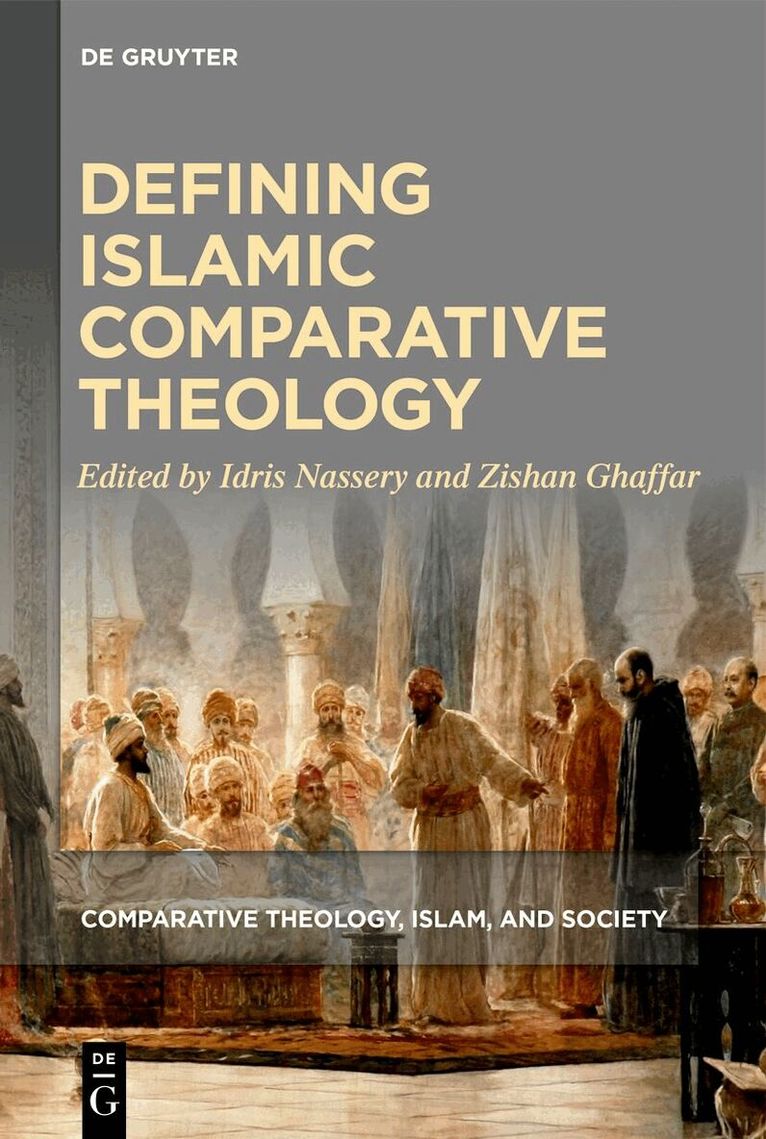
Defining Islamic Comparative Theology
Inbunden, Engelska, 2026
1 914 kr
Kommande
Over the last decades, Comparative Theology has established itself in varying methodological ways while considering the reality and plurality of religions. Although Comparative Theology can be a confessional or a non-confessional endeavor, most protagonists and theorists have been Western Christians. This could lead to the conclusion that Comparative Theology is in fact a Christian undertaking and implicitly or explicitly bound to conceptions like Christology. Furthermore, it could be argued that there is a certain asymmetry of power in the discourse between religions when the parameters of Comparative Theology are defined mainly by Christian theologians. This volume aims to be the first step to programmatically and conceptionally explore the possibility of a genuinely Islamic Comparative Theology in a constructive endeavor. This endeavor should neither be misunderstood as an apologetic questioning of the status quo in Comparative Theology nor as a project that deconstructs Comparative Theology. Rather, by searching for new approaches from the Islamic traditions it opens up ways and forms of learning, hermeneutically complementary with prominent attitudes, methods in Comparative Theology.