Ignaz Goldziher – författare
Visar alla böcker från författaren Ignaz Goldziher. Handla med fri frakt och snabb leverans.
19 produkter
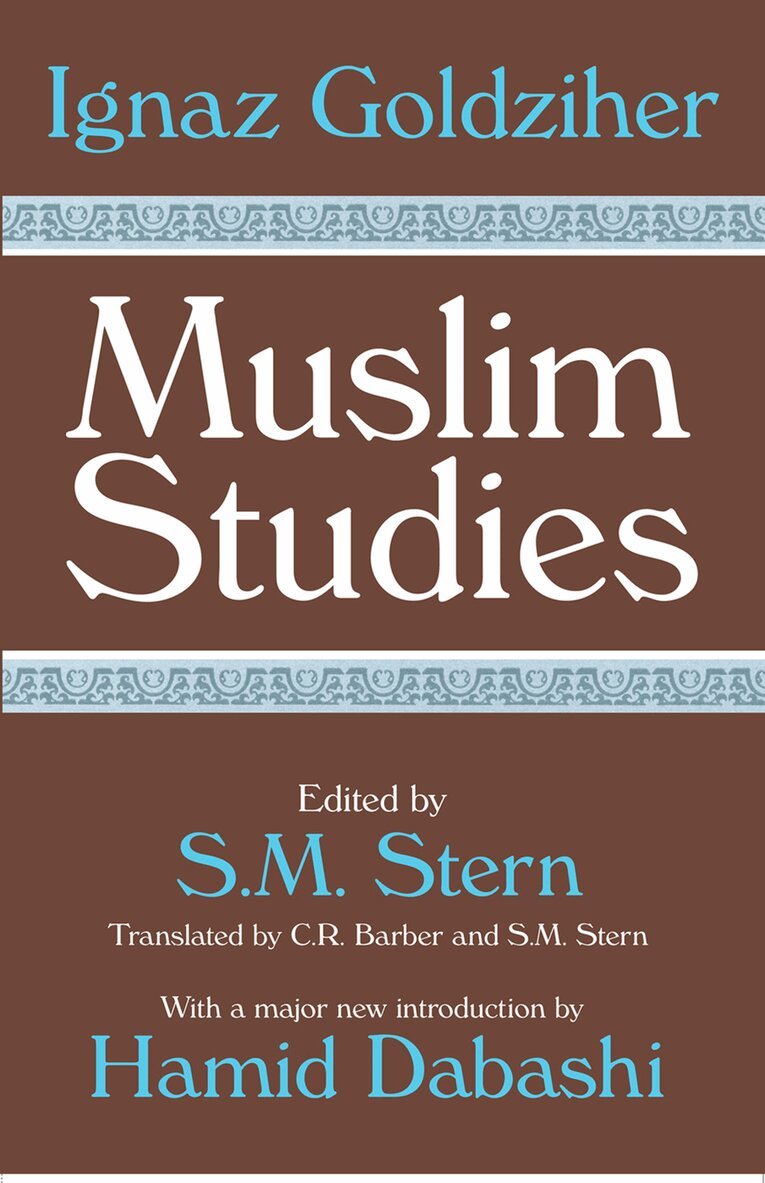
Muslim Studies
Volume 1
Häftad, 2005
796 kr
Lägg i varukorg
This is the first volume of Goldziher's Muslim Studies, which ranks highly among the classics of the scholarly literature on Islam. Indeed, the two volumes, originally published in German in 1889-1890, can justly be counted among those that laid the foundations of the modern study of Islam as a …
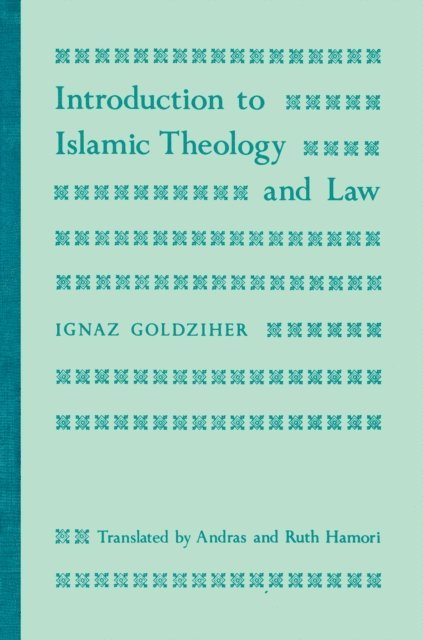
Introduction to Islamic Theology and Law
Häftad, 1981
526 kr
Lägg i varukorg
The description for this book, Introduction to Islamic Theology and Law, will be forthcoming.
Kinship & Marriage in Early Arabia
Av Stanley a Cook, Ignaz Goldziher m. fl.
Inbunden, 2022
411 kr
Lägg i varukorg
Muslim Studies
Volume 1
Inbunden, 2017
2749 kr
Lägg i varukorg
This is the first volume of Goldziher's Muslim Studies, which ranks highly among the classics of the scholarly literature on Islam. Indeed, the two volumes, originally published in German in 1889-1890, can justly be counted among those that laid the foundations of the modern study of Islam as a …
Dogme et la Loi de L'Islam Histoire du Développement Dogmatique et Juridique de la Religion Musulmane
Av Ignaz Goldziher, Félix Arin
Häftad, 2013
432 kr
Lägg i varukorg
Introduction to Islamic Theology and Law
E-bok, 2021
698 kr
Lägg i varukorg
The book description for the previously published "Introduction to Islamic Theology and Law" is not yet available.
Zâhiriten, ihr Lehrsystem und ihre Geschichte
Beitrag zur Geschichte der mohammedanischen Theologie
Häftad, 2016
378 kr
Lägg i varukorg
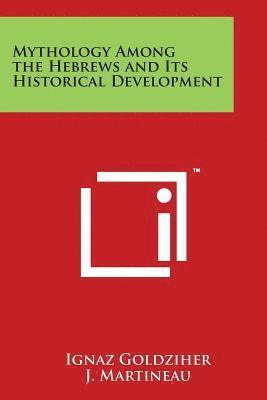
Mythology among the Hebrews and its Historical Development
Av Ignaz Goldziher, Russell Martineau
Häftad, 2017
598 kr
Lägg i varukorg
Mythos bei den Hebräern und seine geschichtliche Entwicklung
Reihe ReligioSus, Band 7. Herausgegeben und mit einem Vorwort versehen von Christiane Beetz
Häftad, 2012
952 kr
Lägg i varukorg
Ẓāhirīs
Their Doctrine and their History. A Contribution to the History of Islamic Theology
Inbunden, 2007
1723 kr
Lägg i varukorg
Ignaz Goldziher wrote his book ‘Die Zahiriten’ in 1883. The English translation of this standard work on Islamic jurisprudence appeared in 1971. The book has been in print ever since. This new edition in the Brill Classics in Islam series shows that The Ẓāhirīs has not lost any of its actuality.The …