Ílison Dias Dos Santos – författare
Visar alla böcker från författaren Ílison Dias Dos Santos. Handla med fri frakt och snabb leverans.
2 produkter
2 produkter
Häftad, Engelska, 2025
451 kr
Skickas inom 5-8 vardagar
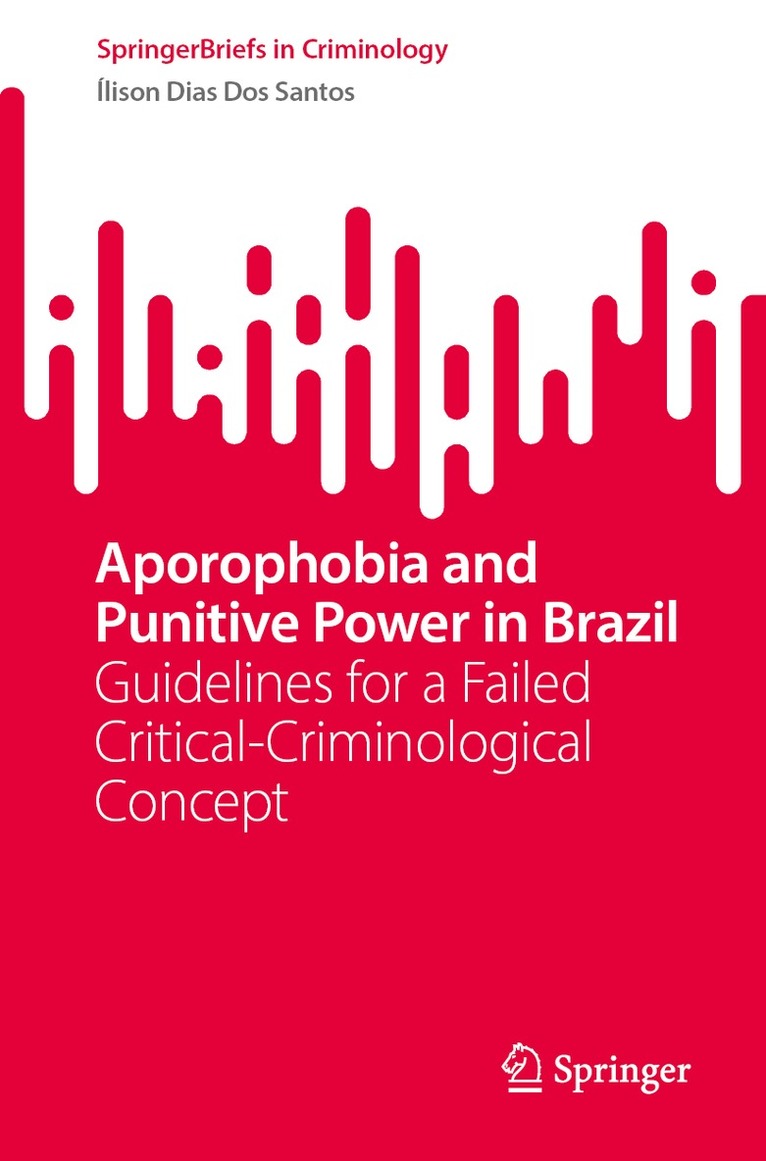
This book provides a critical and reflective analysis of the criminological movement to establish aporophobia as a framework for examining punitive power. It scrutinizes the theoretical, methodological, and political foundations of aporophobia, a concept developed in a distinct sociopolitical reality and reveals the risks of uncritically applying it to Brazil's context. It highlights how aporophobia fails to account for the central role of Brazil’s history of slavery in shaping its abysmal penal selectivity, which disproportionately targets marginalized groups perceived as social pariahs. By obscuring these structural roots, this movement inadvertently legitimizes Brazil’s unchecked punitive power, perpetuating the belief in criminal law as a solution to deeply embedded social issues—ultimately reinforcing what is identified as a criminology of blindness that ignores the roots of the abysmal selectivity of punitive power in Brazil.Rooted in critical criminology, the book highlights the limitations of aporophobia as a critical-criminological tool and proposes an alternative framework grounded in intersectionality and Southern epistemologies. These perspectives emphasize the importance of delegitimizing criminal law as a mechanism for addressing social inequalities while constructing a more realistic and emancipatory critique of punitive power. It also exposes the criminal policy of the “other”, a caste-based model that erodes the rule of law, even under the punitive new left. Ultimately, the work calls for a criminological approach that engages directly with Brazil’s historical and systemic inequalities, offering a globally informed yet locally grounded analysis of the selective exercise of punitive power.
Inbunden, Engelska, 2026
759 kr
Skickas inom 10-15 vardagar
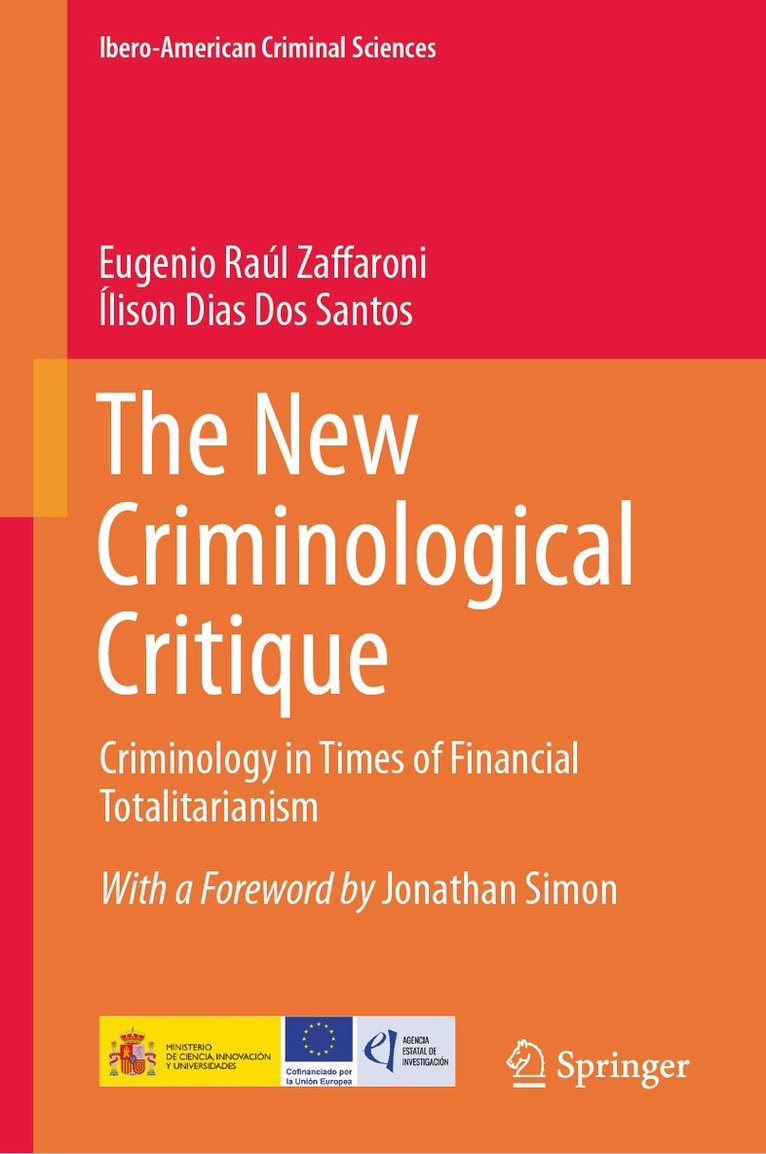
This book examines the rise of financial totalitarianism and its profound implications for criminal justice and criminological theory. It explores how the concentration of wealth and social exclusion, driven by corporate CEOs, has altered the role of politics in shaping criminal justice systems. The text argues that these shifts have given rise to a dystopian criminology, marked by a focus on total security, extreme prevention, zero tolerance policies, and pervasive surveillance. It critically assesses how these developments contribute to the criminalization of dissent, foster societal fears of outsiders, and institutionalize ethnic and cultural discrimination, all while maintaining a façade of administrative control. Drawing on historical and contemporary analysis, the book offers a framework for rethinking criminology in the context of financial and political power, advocating for a more critical approach to understanding crime, punishment, and justice in an increasingly unequal world.