Indre Siksnelyte-Butkiene - Böcker
Visar alla böcker från författaren Indre Siksnelyte-Butkiene. Handla med fri frakt och snabb leverans.
5 produkter
5 produkter
1 355 kr
Skickas inom 10-15 vardagar
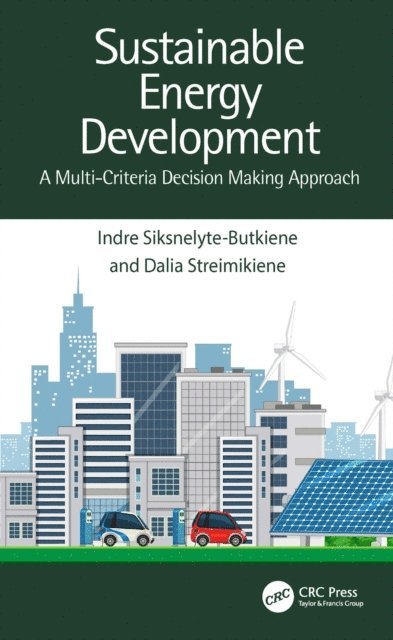
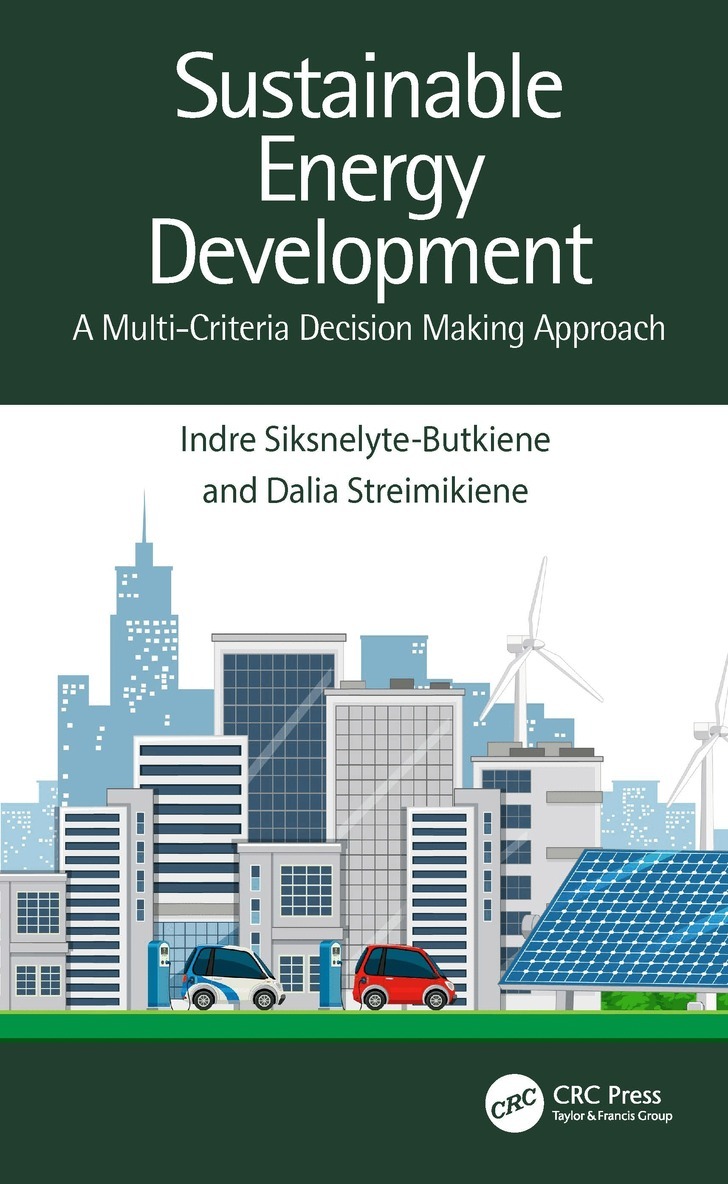
Sustainable Energy Development: A Multi-Criteria Decision Making Approach discusses sustainable energy development, the main path for achieving carbon neutrality, and the use of multi-criteria decision making (MCDM) in assessing energy transition in both operational and socio-political forms. It proposes ways to support responsible decision making toward sustainable energy in key areas such as power distribution, household energy, and transportation. The authors have developed frameworks and tools to help choose sustainable energy options like renewable energy technologies, energy efficiency improvements, policies, and how to promote them in different communities. The book includes several case studies focused on electricity, district heating, transport sectors in the European Union (EU), and decision making in the household sector. FeaturesAnalyzes the connection between sustainable energy development and the transition toward a carbon neutral society. Compares and discusses advanced MCDM tools to support sustainable energy options. Develops new frameworks of indicators for the assessment of sustainable regional and national energy system planning, and provides practical illustrative examples in various energy sectors. Provides policy implications when promoting sustainable energy development. Presents case studies on the applications of multi-criteria tools to support sustainable energy options in different energy sectors.Readers interested in gaining insight into leading trends in energy efficiency and sustainability, such as academics, researchers, graduate students, and professionals interested in sustainable energy and energy producers, city planners, policy makers, and more, will benefit from the topics and frameworks discussed in this book.
667 kr
Skickas inom 10-15 vardagar
Sustainable Energy Development: A Multi-Criteria Decision Making Approach discusses sustainable energy development, the main path for achieving carbon neutrality, and the use of multi-criteria decision making (MCDM) in assessing energy transition in both operational and socio-political forms. It proposes ways to support responsible decision making toward sustainable energy in key areas such as power distribution, household energy, and transportation. The authors have developed frameworks and tools to help choose sustainable energy options like renewable energy technologies, energy efficiency improvements, policies, and how to promote them in different communities. The book includes several case studies focused on electricity, district heating, transport sectors in the European Union (EU), and decision making in the household sector. FeaturesAnalyzes the connection between sustainable energy development and the transition toward a carbon neutral society. Compares and discusses advanced MCDM tools to support sustainable energy options. Develops new frameworks of indicators for the assessment of sustainable regional and national energy system planning, and provides practical illustrative examples in various energy sectors. Provides policy implications when promoting sustainable energy development. Presents case studies on the applications of multi-criteria tools to support sustainable energy options in different energy sectors.Readers interested in gaining insight into leading trends in energy efficiency and sustainability, such as academics, researchers, graduate students, and professionals interested in sustainable energy and energy producers, city planners, policy makers, and more, will benefit from the topics and frameworks discussed in this book.
1 759 kr
Skickas inom 10-15 vardagar
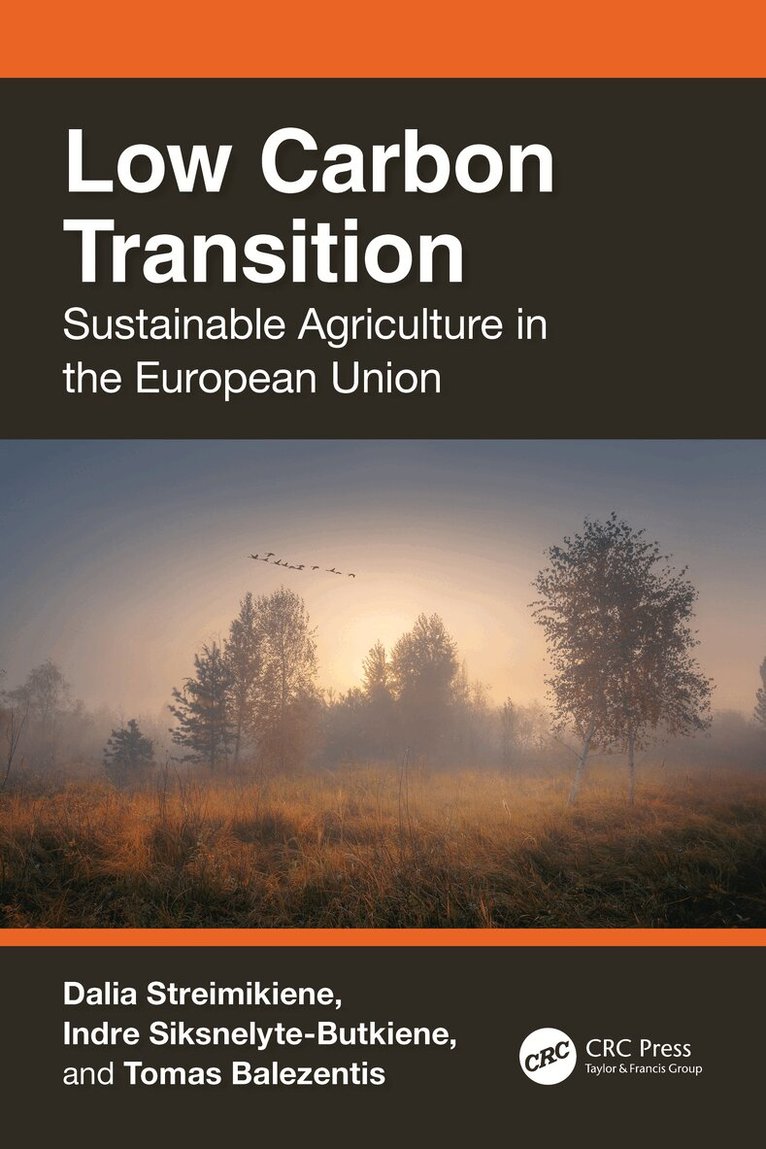
Low-carbon transition is a shift from an economy that depends heavily on fossil fuels to a sustainable, low-carbon energy economy. This book analyzes the role of renewables in driving the low-carbon transition in agriculture, explores the circular bio-based economy, and examines policies and strategies designed to facilitate low-carbon transition in agriculture, greenhouse gas mitigation, and adaptation trends in the European Union agriculture sector. It provides new knowledge and understanding about the impact of low-carbon energy transition, emphasizes the key role of renewable energy in a wide range of agricultural activities, and offers alternative sustainable solutions to current practices.FeaturesDiscusses a novel approach on low-carbon transition that is not considered by the majority of studiesEmphasizes the urgent need to minimize the carbon and environmental footprint of the EU agriculture and food system through low-carbon energy transitionProvides theoretical background of sustainable agriculture and explains the decarbonization path of agriculture.Investigates the role of renewables, new technologies, business models, and practices in agriculture while assessing their socioeconomic and environmental effects.Presents a case study on the applications of low-carbon transition policies in selected EU member states and analyses in details various implications.This book is suitable for senior undergraduate and graduate students, professionals in agriculture, researchers, and policy makers interested in sustainable agriculture and renewable energy usage and their economics.
777 kr
Kommande
Low-carbon transition is a shift from an economy that depends heavily on fossil fuels to a sustainable, low-carbon energy economy. This book analyzes the role of renewables in driving the low-carbon transition in agriculture, explores the circular bio-based economy, and examines policies and strategies designed to facilitate low-carbon transition in agriculture, greenhouse gas mitigation, and adaptation trends in the European Union agriculture sector. It provides new knowledge and understanding about the impact of low-carbon energy transition, emphasizes the key role of renewable energy in a wide range of agricultural activities, and offers alternative sustainable solutions to current practices.FeaturesDiscusses a novel approach on low-carbon transition that is not considered by the majority of studiesEmphasizes the urgent need to minimize the carbon and environmental footprint of the EU agriculture and food system through low-carbon energy transitionProvides theoretical background of sustainable agriculture and explains the decarbonization path of agriculture.Investigates the role of renewables, new technologies, business models, and practices in agriculture while assessing their socioeconomic and environmental effects.Presents a case study on the applications of low-carbon transition policies in selected EU member states and analyses in details various implications.This book is suitable for senior undergraduate and graduate students, professionals in agriculture, researchers, and policy makers interested in sustainable agriculture and renewable energy usage and their economics.
2 712 kr
Kommande
This book explores how the global shift to clean energy affects people differently, and what can be done to make this transition fair for everyone. It explains the idea of energy justice and shows why questions of fairness and equity are as important as technology and economics in shaping future energy systems.The volume explores who benefits and who risks being left behind in the energy transition — from households facing energy poverty to women and older generations whose needs are often overlooked. It introduces practical ways to measure these inequities, highlights examples from different countries, and shows how policies can be designed to protect vulnerable groups.By linking social issues with energy policies, the book demonstrates how fairness can be built into decisions about energy access, costs, security, and innovation. It also offers insights into how governments and institutions can create more inclusive strategies for a low-carbon future.Written for both experts and readers interested in the human side of the energy transition, this book provides a guide to making energy systems not only cleaner but also fairer and more socially sustainable.