Dalia Streimikiene – författare
1 811 kr
Skickas inom 10-15 vardagar
1 758 kr
Skickas inom 10-15 vardagar
693 kr
Skickas inom 10-15 vardagar
1 969 kr
Skickas inom 10-15 vardagar
693 kr
Skickas inom 10-15 vardagar
732 kr
Läs direkt efter köp
Climate Change and Sustainable Development: Mitigation and Adaptation focuses on the link between climate change threats and sustainable development goals. This book analyzes the polices of climate change mitigation and adaptation from an economic point of view by addressing globalization, international trade, and business opportunities and challenges. Based on extended research on energy, transportation, agriculture, and more, the case studies included in this book present business opportunities linked to mitigation and adaptation actions; from European Union greenhouse gas emission trading to climate change adaptation policies in developing countries. It presents a framework for the harmonization of climate and sustainable development policies and their mutual outcomes.
Specific features:
The first book to address main scientific aspects of climate change mitigation and sustainable development and how to deal with these main challenges in a harmonized way
Provides practical examples of policies and business development opportunities linked with climate change mitigation and adaptation
Analyses climate change challenges and provides implications for business development and good practice case studies from Europe
Discusses issues of climate change at different scales ranging from macro to micro level
Highlights the importance of climate change adaptation for developing countries, migration trends, city developments and agriculture
As the threat of climate change grows ever more present, resources like this book, that provide and discuss necessary solutions and frameworks for ways to deal with and mitigate that threat become ever more essential. This book is a vital resource for academics, students, and professionals in any field seeking to deal with the threats from climate change, and particularly those relating to environmental and climate sciences, as well as those in political and economic fields.
732 kr
Läs direkt efter köp
Climate Change and Sustainable Development: Mitigation and Adaptation focuses on the link between climate change threats and sustainable development goals. This book analyzes the polices of climate change mitigation and adaptation from an economic point of view by addressing globalization, international trade, and business opportunities and challenges. Based on extended research on energy, transportation, agriculture, and more, the case studies included in this book present business opportunities linked to mitigation and adaptation actions; from European Union greenhouse gas emission trading to climate change adaptation policies in developing countries. It presents a framework for the harmonization of climate and sustainable development policies and their mutual outcomes.
Specific features:
The first book to address main scientific aspects of climate change mitigation and sustainable development and how to deal with these main challenges in a harmonized way
Provides practical examples of policies and business development opportunities linked with climate change mitigation and adaptation
Analyses climate change challenges and provides implications for business development and good practice case studies from Europe
Discusses issues of climate change at different scales ranging from macro to micro level
Highlights the importance of climate change adaptation for developing countries, migration trends, city developments and agriculture
As the threat of climate change grows ever more present, resources like this book, that provide and discuss necessary solutions and frameworks for ways to deal with and mitigate that threat become ever more essential. This book is a vital resource for academics, students, and professionals in any field seeking to deal with the threats from climate change, and particularly those relating to environmental and climate sciences, as well as those in political and economic fields.
802 kr
Läs direkt efter köp
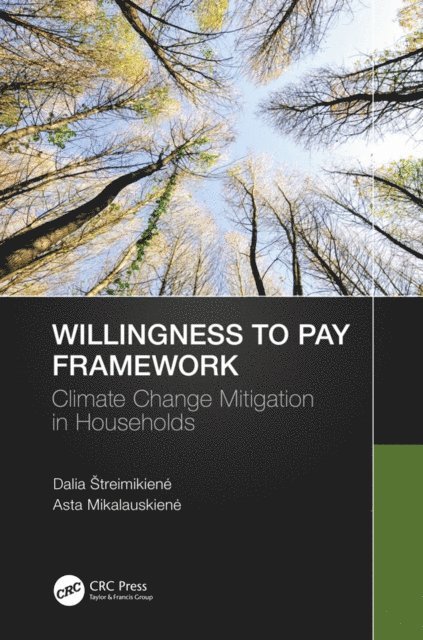
This book aims to develop a framework for the assessment of population ‘preferences in climate change mitigation policies by applying a Willingness to Pay (WTP) approach and presents the results from several case studies in Lithuania on renewable energy generation and renovation in different households. These analyses of climate change mitigation policies and measures, based on the assessment of their effectiveness, provide recommendations for developing innovative measures in other countries. Since public preferences are variable, climate change mitigation policies can change these preferences and allow to form new ones.
Features:
Analyses social benefits of climate change mitigation measures and their integration methods based on assessment of public preferences.
Presents several practical case studies on energy needs where the Willingness to Pay framework was applied.
Discusses climate change mitigation barriers in energy sector and the effectiveness of climate change mitigation policies to overcome them.
Provides a novel approach for climate change mitigation policies development in households.
Includes useful information for evaluating and planning policies related to renewable energy investment.
This book is a useful reference for those in the academic, research, and business communities, policy makers, graduate students, and professionals involved with climate change mitigation projects.
802 kr
Läs direkt efter köp
This book aims to develop a framework for the assessment of population ‘preferences in climate change mitigation policies by applying a Willingness to Pay (WTP) approach and presents the results from several case studies in Lithuania on renewable energy generation and renovation in different households. These analyses of climate change mitigation policies and measures, based on the assessment of their effectiveness, provide recommendations for developing innovative measures in other countries. Since public preferences are variable, climate change mitigation policies can change these preferences and allow to form new ones.
Features:
Analyses social benefits of climate change mitigation measures and their integration methods based on assessment of public preferences.
Presents several practical case studies on energy needs where the Willingness to Pay framework was applied.
Discusses climate change mitigation barriers in energy sector and the effectiveness of climate change mitigation policies to overcome them.
Provides a novel approach for climate change mitigation policies development in households.
Includes useful information for evaluating and planning policies related to renewable energy investment.
This book is a useful reference for those in the academic, research, and business communities, policy makers, graduate students, and professionals involved with climate change mitigation projects.
730 kr
Läs direkt efter köp
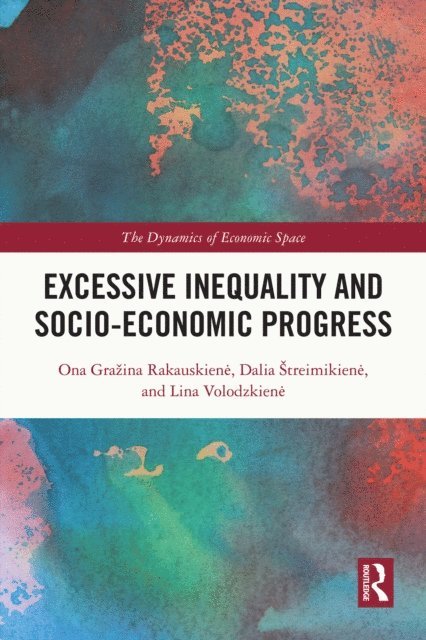
The growing inequality in the global economy across the planet is reaching unprecedented levels. This book seeks to develop frameworks for the assessment of excessive inequality and its impact on social-economic progress and sustainable development.
It begins by summarizing the theoretical approaches of economic inequality, its specificity, and questioning what economic inequality really is and how it progresses. Next, the book explores issues of methodology for addressing the growing excessive economic inequality. It then applies these concepts to examine inequality across a range of the European Union (EU) countries. A variety of factors are considered, such as the impact of economic inequality on socio-economic progress, when normal inequality turns into excessive inequality, and its impact on economic growth, quality of life, and the environmental sustainability across different groups.
730 kr
Läs direkt efter köp
The growing inequality in the global economy across the planet is reaching unprecedented levels. This book seeks to develop frameworks for the assessment of excessive inequality and its impact on social-economic progress and sustainable development.
It begins by summarizing the theoretical approaches of economic inequality, its specificity, and questioning what economic inequality really is and how it progresses. Next, the book explores issues of methodology for addressing the growing excessive economic inequality. It then applies these concepts to examine inequality across a range of the European Union (EU) countries. A variety of factors are considered, such as the impact of economic inequality on socio-economic progress, when normal inequality turns into excessive inequality, and its impact on economic growth, quality of life, and the environmental sustainability across different groups.
836 kr
Läs direkt efter köp
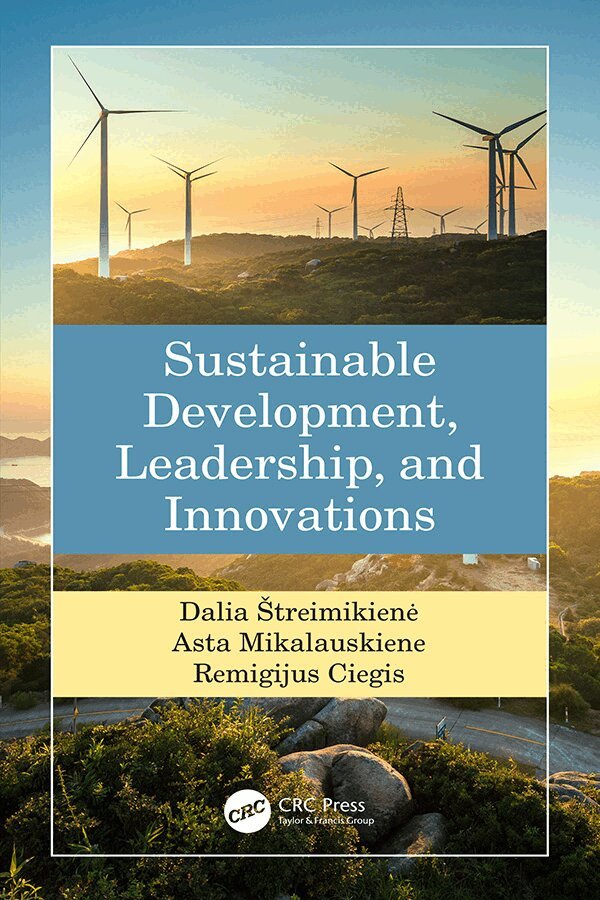
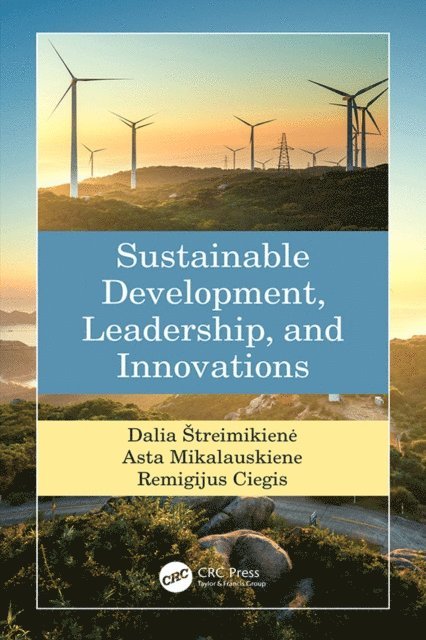
This book deals with the main challenges of sustainable development and the role of sustainable business and corporate social responsibility in implementing these challenges through sustainable leadership and innovations. It includes the economic, social, and environmental dimensions of sustainability and emphasizes the importance of achieving a socio-environmental balance in society. The theoretical frameworks and insights from sustainable development implementations on macro and micro levels, as well as the practical examples and case studies provided to introduce the concept of sustainable leadership and its impact on sustainable business development, are a scientific novelty in the field of sustainability. The book is comprised of six interconnected chapters that sequentially reveal the principal provisions of sustainable development, corporate social responsibility, and sustainable leadership, together with their correlations.
Features:
Provides cutting-edge examples and case studies of sustainable leadership, viewed as the most significant means for the creation of sustainable organizational culture Includes case studies on the economic, social, and environmental dimensions of sustainability Addresses scientific aspects of sustainable development and its challenges Discusses issues of sustainable development at different scales, ranging from macro to mirco levels Provides policy implications for sustainable business developmentThe theoretical framework and practical case studies presented in Sustainable Development, Leadership, and Innovations make it an invaluable resource and guide to both the academic and business communities. Business leaders, policy makers, and other professionals, as well as academics and graduate students, will all benefit greatly from this text.
836 kr
Läs direkt efter köp
This book deals with the main challenges of sustainable development and the role of sustainable business and corporate social responsibility in implementing these challenges through sustainable leadership and innovations. It includes the economic, social, and environmental dimensions of sustainability and emphasizes the importance of achieving a socio-environmental balance in society. The theoretical frameworks and insights from sustainable development implementations on macro and micro levels, as well as the practical examples and case studies provided to introduce the concept of sustainable leadership and its impact on sustainable business development, are a scientific novelty in the field of sustainability. The book is comprised of six interconnected chapters that sequentially reveal the principal provisions of sustainable development, corporate social responsibility, and sustainable leadership, together with their correlations.
Features:
Provides cutting-edge examples and case studies of sustainable leadership, viewed as the most significant means for the creation of sustainable organizational culture Includes case studies on the economic, social, and environmental dimensions of sustainability Addresses scientific aspects of sustainable development and its challenges Discusses issues of sustainable development at different scales, ranging from macro to mirco levels Provides policy implications for sustainable business developmentThe theoretical framework and practical case studies presented in Sustainable Development, Leadership, and Innovations make it an invaluable resource and guide to both the academic and business communities. Business leaders, policy makers, and other professionals, as well as academics and graduate students, will all benefit greatly from this text.
795 kr
Läs direkt efter köp
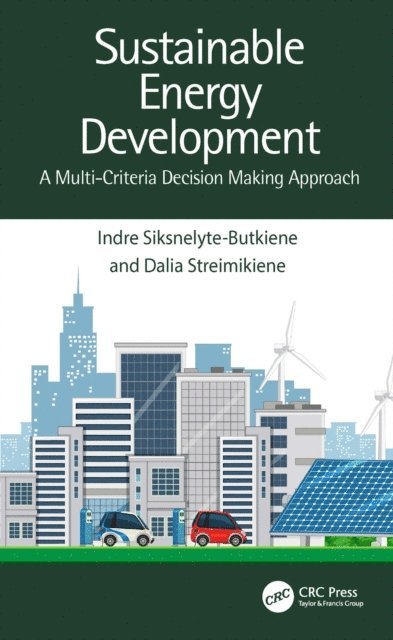
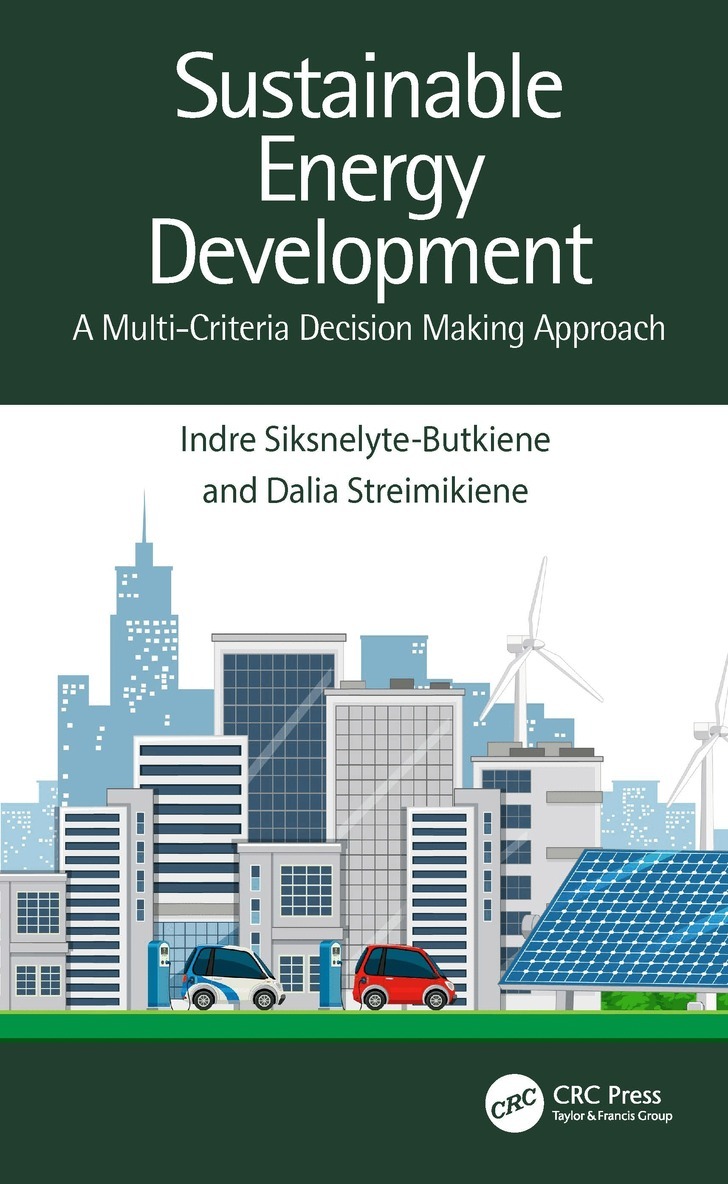
Sustainable Energy Development: A Multi-Criteria Decision Making Approach discusses sustainable energy development, the main path for achieving carbon neutrality, and the use of multi-criteria decision making (MCDM) in assessing energy transition in both operational and socio-political forms. It proposes ways to support responsible decision making toward sustainable energy in key areas such as power distribution, household energy, and transportation. The authors have developed frameworks and tools to help choose sustainable energy options like renewable energy technologies, energy efficiency improvements, policies, and how to promote them in different communities. The book includes several case studies focused on electricity, district heating, transport sectors in the European Union (EU), and decision making in the household sector.
Features
Analyzes the connection between sustainable energy development and the transition toward a carbon neutral society. Compares and discusses advanced MCDM tools to support sustainable energy options. Develops new frameworks of indicators for the assessment of sustainable regional and national energy system planning, and provides practical illustrative examples in various energy sectors. Provides policy implications when promoting sustainable energy development. Presents case studies on the applications of multi-criteria tools to support sustainable energy options in different energy sectors.Readers interested in gaining insight into leading trends in energy efficiency and sustainability, such as academics, researchers, graduate students, and professionals interested in sustainable energy and energy producers, city planners, policy makers, and more, will benefit from the topics and frameworks discussed in this book.
795 kr
Läs direkt efter köp
Sustainable Energy Development: A Multi-Criteria Decision Making Approach discusses sustainable energy development, the main path for achieving carbon neutrality, and the use of multi-criteria decision making (MCDM) in assessing energy transition in both operational and socio-political forms. It proposes ways to support responsible decision making toward sustainable energy in key areas such as power distribution, household energy, and transportation. The authors have developed frameworks and tools to help choose sustainable energy options like renewable energy technologies, energy efficiency improvements, policies, and how to promote them in different communities. The book includes several case studies focused on electricity, district heating, transport sectors in the European Union (EU), and decision making in the household sector.
Features
Analyzes the connection between sustainable energy development and the transition toward a carbon neutral society. Compares and discusses advanced MCDM tools to support sustainable energy options. Develops new frameworks of indicators for the assessment of sustainable regional and national energy system planning, and provides practical illustrative examples in various energy sectors. Provides policy implications when promoting sustainable energy development. Presents case studies on the applications of multi-criteria tools to support sustainable energy options in different energy sectors.Readers interested in gaining insight into leading trends in energy efficiency and sustainability, such as academics, researchers, graduate students, and professionals interested in sustainable energy and energy producers, city planners, policy makers, and more, will benefit from the topics and frameworks discussed in this book.
749 kr
Skickas inom 10-15 vardagar
2 244 kr
Skickas inom 10-15 vardagar
656 kr
Skickas inom 10-15 vardagar
1 408 kr
Skickas inom 10-15 vardagar
693 kr
Skickas inom 10-15 vardagar
707 kr
Skickas inom 10-15 vardagar
1 828 kr
Skickas inom 10-15 vardagar
749 kr
Skickas inom 10-15 vardagar
2 179 kr
Skickas inom 10-15 vardagar
2 179 kr
Skickas inom 10-15 vardagar
909 kr
Läs direkt efter köp
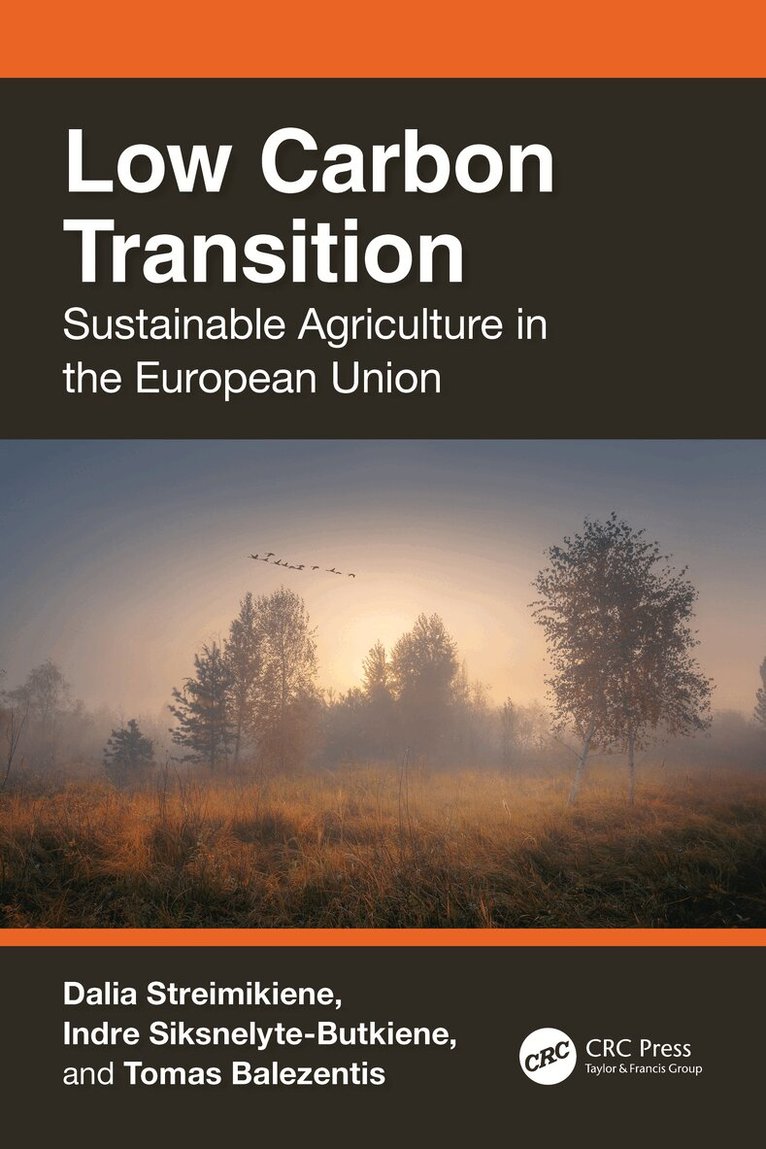
Low-carbon transition is a shift from an economy that depends heavily on fossil fuels to a sustainable, low-carbon energy economy. This book analyzes the role of renewables in driving the low-carbon transition in agriculture, explores the circular bio-based economy, and examines policies and strategies designed to facilitate low-carbon transition in agriculture, greenhouse gas mitigation, and adaptation trends in the European Union agriculture sector. It provides new knowledge and understanding about the impact of low-carbon energy transition, emphasizes the key role of renewable energy in a wide range of agricultural activities, and offers alternative sustainable solutions to current practices.
Features
Discusses a novel approach on low-carbon transition that is not considered by the majority of studies Emphasizes the urgent need to minimize the carbon and environmental footprint of the EU agriculture and food system through low-carbon energy transition Provides theoretical background of sustainable agriculture and explains the decarbonization path of agriculture. Investigates the role of renewables, new technologies, business models, and practices in agriculture while assessing their socioeconomic and environmental effects. Presents a case study on the applications of low-carbon transition policies in selected EU member states and analyses in details various implications.This book is suitable for senior undergraduate and graduate students, professionals in agriculture, researchers, and policy makers interested in sustainable agriculture and renewable energy usage and their economics.
909 kr
Läs direkt efter köp
Low-carbon transition is a shift from an economy that depends heavily on fossil fuels to a sustainable, low-carbon energy economy. This book analyzes the role of renewables in driving the low-carbon transition in agriculture, explores the circular bio-based economy, and examines policies and strategies designed to facilitate low-carbon transition in agriculture, greenhouse gas mitigation, and adaptation trends in the European Union agriculture sector. It provides new knowledge and understanding about the impact of low-carbon energy transition, emphasizes the key role of renewable energy in a wide range of agricultural activities, and offers alternative sustainable solutions to current practices.
Features
Discusses a novel approach on low-carbon transition that is not considered by the majority of studies Emphasizes the urgent need to minimize the carbon and environmental footprint of the EU agriculture and food system through low-carbon energy transition Provides theoretical background of sustainable agriculture and explains the decarbonization path of agriculture. Investigates the role of renewables, new technologies, business models, and practices in agriculture while assessing their socioeconomic and environmental effects. Presents a case study on the applications of low-carbon transition policies in selected EU member states and analyses in details various implications.This book is suitable for senior undergraduate and graduate students, professionals in agriculture, researchers, and policy makers interested in sustainable agriculture and renewable energy usage and their economics.
917 kr
Läs direkt efter köp
909 kr
Läs direkt efter köp
746 kr
Läs direkt efter köp
The aim of this monograph is to examine the impact of a new set of uncertainties on the socio-economic situation of people and societies and to provide research-based innovative approaches and methods for building socio-economic resilience in order to reduce vulnerability and promote the resilience of people and societies to shocks. To achieve its objective, the monograph aims to reduce human and societal vulnerability and build resilience in the face of uncertainty and shocks.
The authors of this monograph propose a new approach to address the problem of vulnerability not by focusing on traditional social policies but by strengthening the resilience of social groups in the face of uncertainty and shocks, by developing a strong person who a) pursues goals, who is responsible for his or her life and actively participates in shaping it, b) who can respond and adapt to stressful situations, and c) who uses the experience and resilience gained for further human development and flourishing. The proposed understanding of resilience is a relatively innovative approach to dealing with human and societal vulnerability
This book is helpful for many researchers and academics dealing with related fields, policymakers on all levels, as well as practitioners and entrepreneurs. A large scientific and academic community is involved in studies of society’s resilience to various shocks, and they might be interested in new and important topics related to their work and addressed in this book.