Ines Testoni - Böcker
Visar alla böcker från författaren Ines Testoni. Handla med fri frakt och snabb leverans.
12 produkter
12 produkter
261 kr
Skickas inom 10-15 vardagar
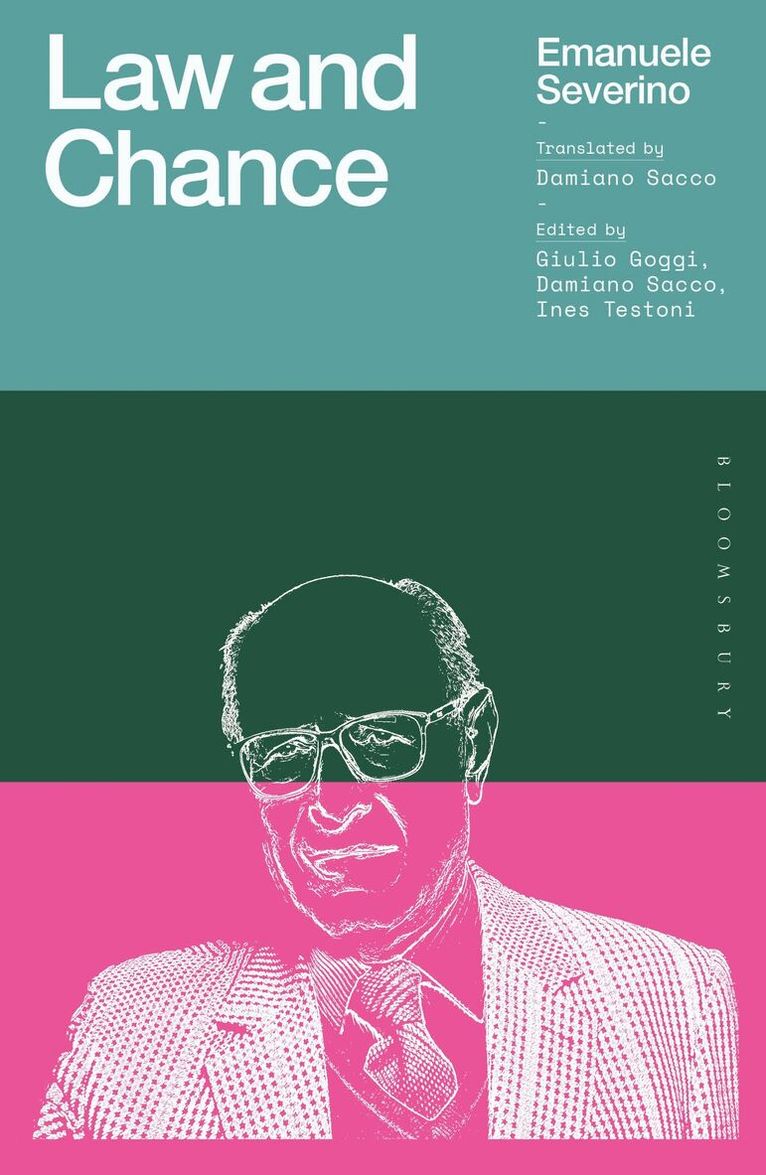
Written by one of the foremost Italian philosophers of the 20th century, Emanuele Severino's Law and Chance (Legge e Caso) explores the metaphysical categories that underpin the theoretical and practical domination of contemporary science. According to Severino, it is only by tracing the origin of the power of science to the Greek meanings of being and nothingness that it becomes possible to understand not only how science succeeds in achieving its aims, but also how it establishes the very meaning of its own success and power.Severino is increasingly being recognised as a truly foundational thinker in the formation of contemporary theory. The first English translation of this important work, Law and Chance is crucial reading for anyone engaged with the intersection between philosophy and science.
283 kr
Skickas inom 7-10 vardagar
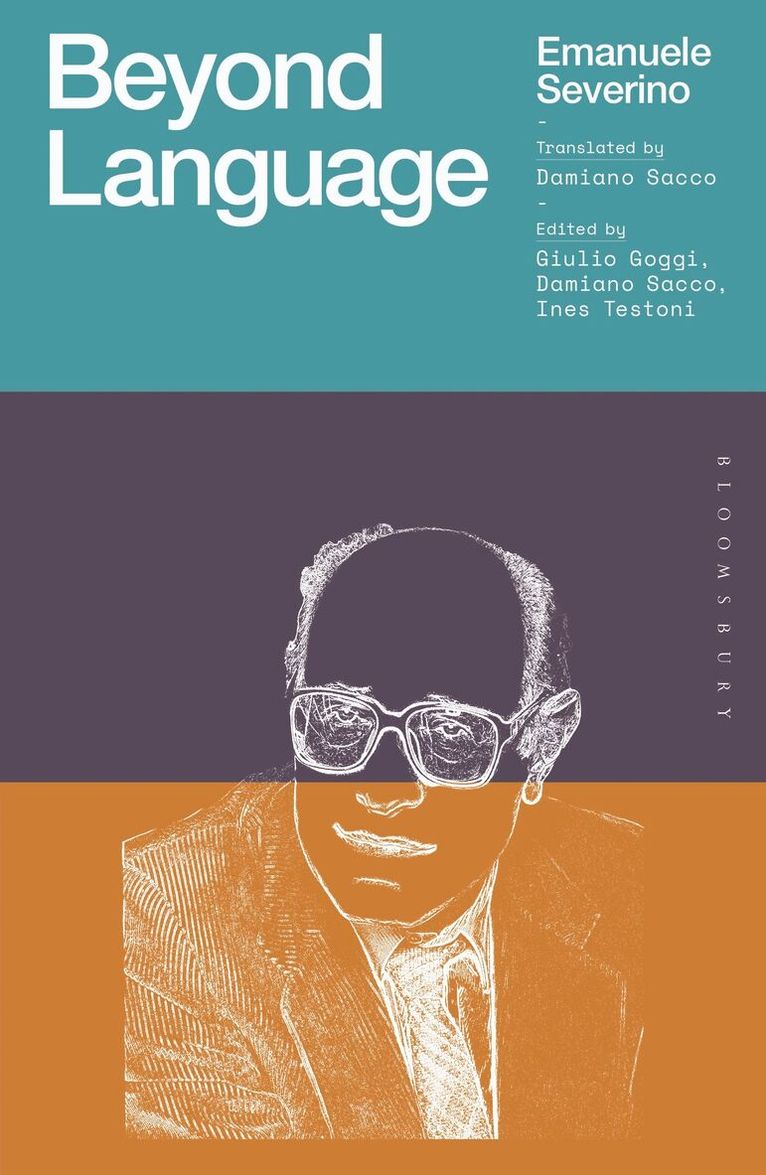
Beyond Language (Oltre il Linguaggio) is one of Italian philosopher Emmanuele Severino’s major works, wrestling with whether it’s possible to think meaningfully outside of the restrictions of language. Increasingly recognised as a truly foundational thinker in the formation of contemporary theory, Severino’s ideas around self-expression, forms of communication and the limitations of language continue are brought to the fore in this book. Beyond Language specifically opens the door to the themes that Severino developed in his later works, including the concrete meaning of self-being and the decline of language. The depth and breadth of Severino’s philosophical insight is as profound today as it was when first penned in 1992, making this first English translation of a key work in the history of continental philosophy crucial reading for those engaged with contemporary theory.
259 kr
Kommande
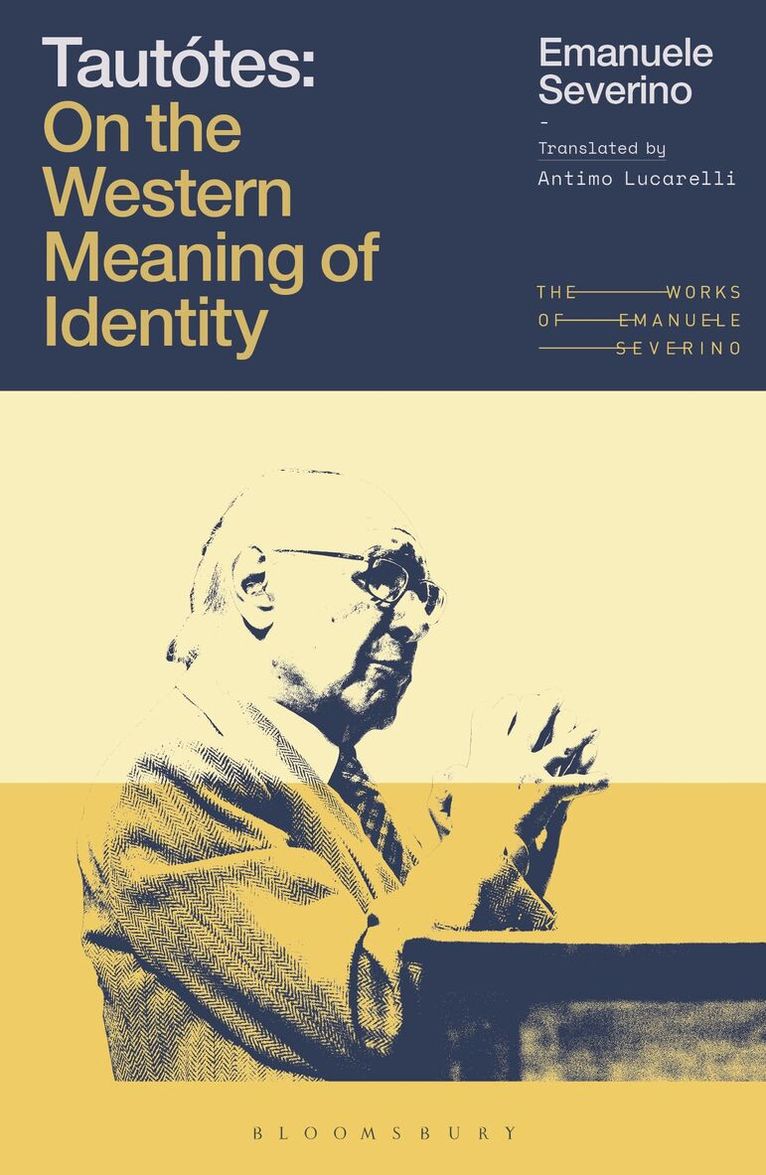
The first English translation of Emanuele Severino’s radical critique of the notion of identity.Starting from his central intuition that Western culture is essentially nihilism, Emanuele Severino reflects anew on the problem of identity, abandoning the ambiguous (and ultimately contradictory) fashion in which being and becoming are grasped in the Western tradition. In this foundational work in Severino’s philosophy, the philosopher questions the dominant understanding of identity in Western culture, tracing it back to Aristotle’s definition of identity as ‘tautótes’. In his endeavour, Severino discusses – with his particular depth – the most renowned philosophical passages from Hegel, Aristotle, Plato and Kant, presenting a radical critique of identity.This book constitutes part of Severino’s monumental theoretical apparatus, comprising a critique of Western metaphysics that sets him alongside Heidegger in contemporary theory. This translation of Tautótes will appeal to those interested in the central problems of Ancient and contemporary philosophy, ontology and metaphysics.
797 kr
Kommande
The first English translation of Emanuele Severino’s radical critique of the notion of identity.Starting from his central intuition that Western culture is essentially nihilism, Emanuele Severino reflects anew on the problem of identity, abandoning the ambiguous (and ultimately contradictory) fashion in which being and becoming are grasped in the Western tradition. In this foundational work in Severino’s philosophy, the philosopher questions the dominant understanding of identity in Western culture, tracing it back to Aristotle’s definition of identity as ‘tautótes’. In his endeavour, Severino discusses – with his particular depth – the most renowned philosophical passages from Hegel, Aristotle, Plato and Kant, presenting a radical critique of identity.This book constitutes part of Severino’s monumental theoretical apparatus, comprising a critique of Western metaphysics that sets him alongside Heidegger in contemporary theory. This translation of Tautótes will appeal to those interested in the central problems of Ancient and contemporary philosophy, ontology and metaphysics.
270 kr
Skickas inom 7-10 vardagar
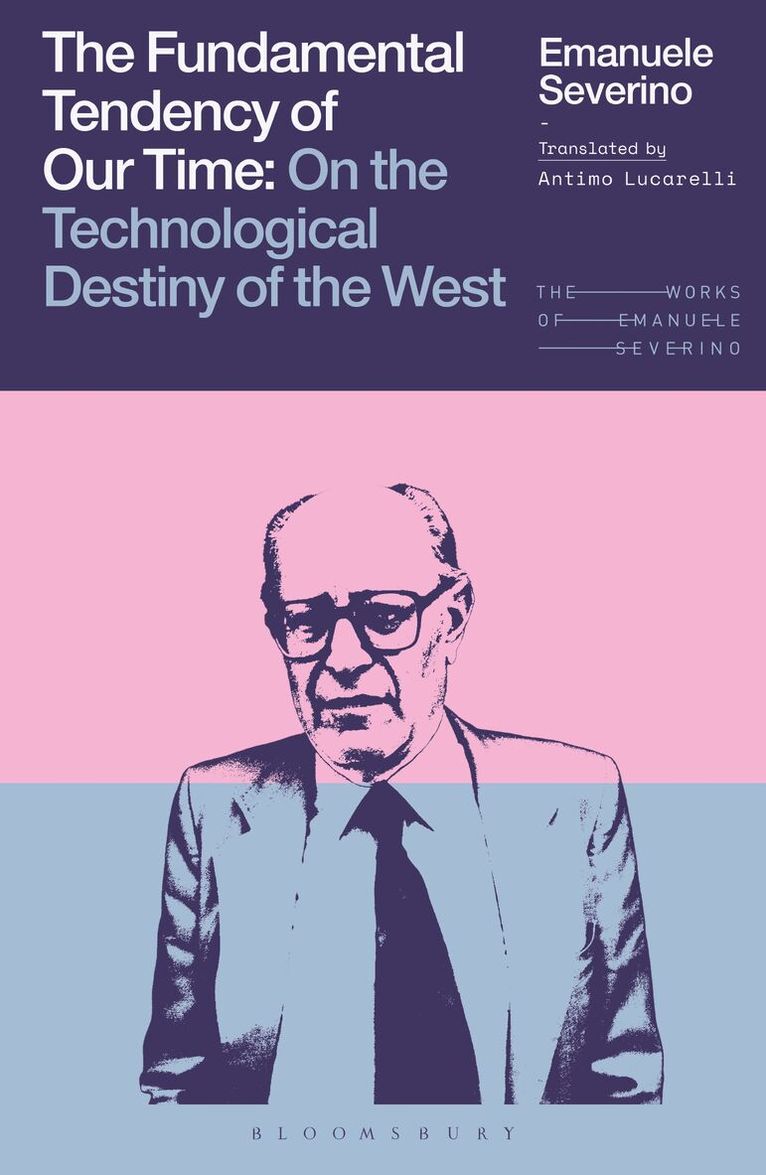
The Fundamental Tendency of Our Times (Tendenza) is the Italian philosopher Emanuele Severino’s crucial reflection on modern technology and science, in which he articulates his major contribution to the analysis of Western modernity: the claim that, beginning with Greek civilization, a nihilistic spirit of domination informs our conceptual and social systems. In this book Severino applies his framework to the geopolitical situation before the fall of the Berlin Wall; yet his insights have continuing relevance in light of the current threat of ecological collapse accelerated by an orientation to the world as an object of exploitation. Significant for its parallels with, and differences from, Heidegger's discussion of technology, this book's explicit discussion of politics gives essential clarification to Severino's notoriously complex philosophical discourse. With a foreword contextualizing the historical moment of its publication, this first English translation will be invaluable for those interested in understanding the thought of one of the most remarkable Italian theorists of the 20th century.Published with the kind support of SEPS (Segretariato Europeo per le Pubblicazioni Scientifiche).
402 kr
Skickas inom 7-10 vardagar
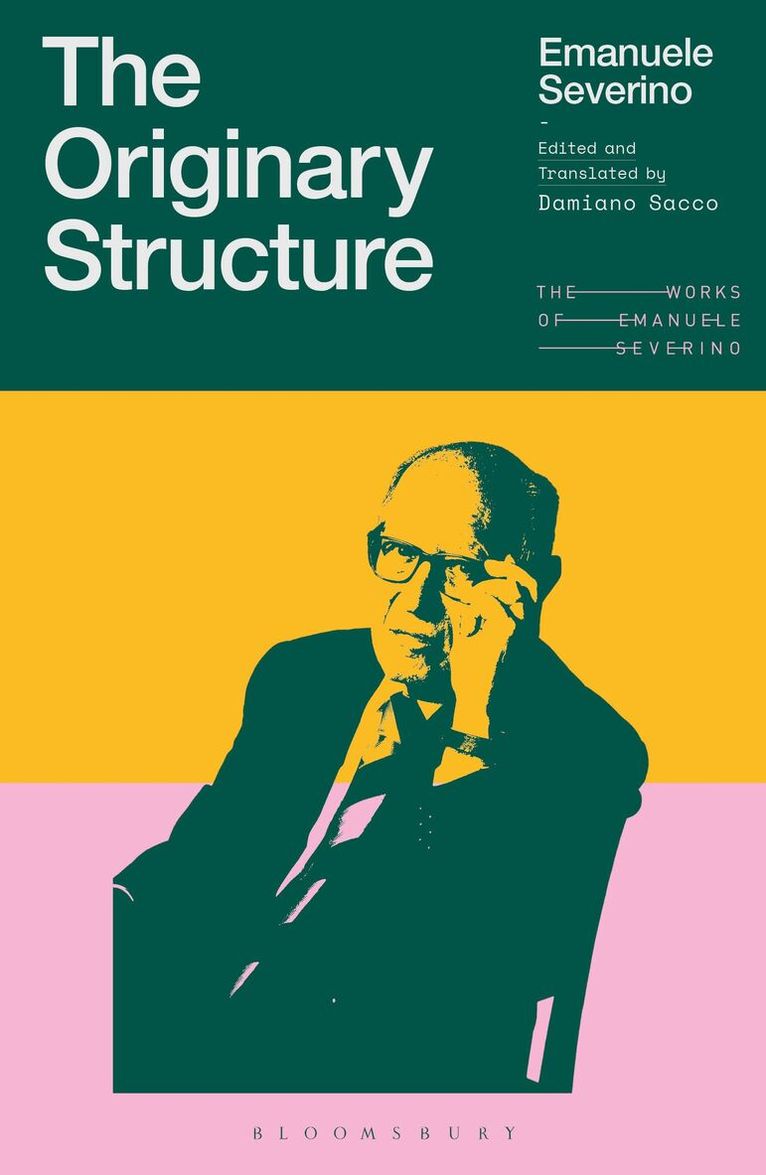
The Originary Structure (La struttura originaria) (1958) is the foundation of Italian philosopher Emanuele Severino's thought, the starting point that establishes and recognizes the essential tenets of the incontrovertibility and necessity of the ‘truth of being’. The first book written by Severino, it lays out the logical structure that underlies the philosophical development of his thought for the next six decades. According to Severino himself, it constitutes ‘the ground as part of which all his subsequent writings receive their own meaning’ – first and foremost because it aims to articulate the structure of the appearing and meaning of everything that is and appears, according to a logic that should prove itself to be unable to be refuted by any (non)philosophical discourse. This book presents the fundamental determinations of a philosophical discourse that cannot be refuted, to the extent that any such refutation would itself be grounded in the discourse to be refuted. It is on the basis of this logical structure that Severino is able to exhibit the necessity of his most challenging claim – that of the eternity of every being.One of the most singular philosophical works written in the 20th century, this book plays an irreplaceable role in the system of Severino’s writings.Published with the kind support of SEPS (Segretariato Europeo per le Pubblicazioni Scientifiche).
269 kr
Kommande
The first English translation of Emanuele Severino’s provocative analysis of the philosophy behind war in the West. Drawing on a broad range of sources, from Heraclitus to 20th-century grassroots movements, Italy’s foremost philosopher calls for a new way of thinking that could lead the West to perpetual peace. War, for Severino, is not merely the manifestation of conflict through violence to resolve disputes between nations or fractions. Rather it is a mode of thought deeply embedded in the foundations of Western civilisation. Highlighting the divisive and isolating mechanisms that the West uses to conceptualize their bases of power, War shows that this divisive thought is so intrinsic to Western philosophy that even critiques of war are warlike. For peace to be possible, we need more then ceasefires; we need a fundamental re-evaluation of the history of Western thought. Originally written in the geopolitical context of the 1990s, Severino’s text retains an extraordinary urgency at a time when the reality of war seems increasingly insistent. Bringing this relevance to focus, this volume includes a comprehensive introduction by translator Federico Divino, which carefully contextualises War historically and politically, whilst also situating it in relation to Severino’s wider philosophical oeuvre. An accessible book, free from the more complex logical and metaphysical lexicons central to some of Severino’s other works, this is a must-read for anyone interested in why war happens and what may be needed to stop it.
888 kr
Kommande
The first English translation of Emanuele Severino’s provocative analysis of the philosophy behind war in the West. Drawing on a broad range of sources, from Heraclitus to 20th-century grassroots movements, Italy’s foremost philosopher calls for a new way of thinking that could lead the West to perpetual peace. War, for Severino, is not merely the manifestation of conflict through violence to resolve disputes between nations or fractions. Rather it is a mode of thought deeply embedded in the foundations of Western civilisation. Highlighting the divisive and isolating mechanisms that the West uses to conceptualize their bases of power, War shows that this divisive thought is so intrinsic to Western philosophy that even critiques of war are warlike. For peace to be possible, we need more then ceasefires; we need a fundamental re-evaluation of the history of Western thought. Originally written in the geopolitical context of the 1990s, Severino’s text retains an extraordinary urgency at a time when the reality of war seems increasingly insistent. Bringing this relevance to focus, this volume includes a comprehensive introduction by translator Federico Divino, which carefully contextualises War historically and politically, whilst also situating it in relation to Severino’s wider philosophical oeuvre. An accessible book, free from the more complex logical and metaphysical lexicons central to some of Severino’s other works, this is a must-read for anyone interested in why war happens and what may be needed to stop it.
454 kr
Skickas inom 3-6 vardagar
In 1969, Emanuele Severino underwent a Vatican trial for the 'fundamental incompatibility' between his thought and the Christian doctrine, and was removed from his position as professor of philosophy at the Catholic University in Milan. The Essence of Nihilism published in 1972, was the first book to follow his expulsion, and to firmly establish Severino's preeminent position within the constellation of contemporary philosophy. In this groundbreaking book, Severino reinterprets the history of Western philosophy as the unfolding of 'the greatest folly', that is, of the belief that 'things come out of nothing and fall back into nothing'. According to Severino, such a typically Western understanding of reality has produced a belief in the radical 'nothingness' of things. This, in turn has justified the treatment of the world as an object of exploitation, degradation and destruction.To move beyond Western nihilism, suggests Severino, we must first of all 'return to Parmenides'. Joining forces with the most venerable of Greek philosophers, Severino confutes the 'path of night' of nihilism, and develops a new philosophy grounded on the principle of the eternity of reality and of every single existent.
966 kr
Skickas inom 10-15 vardagar
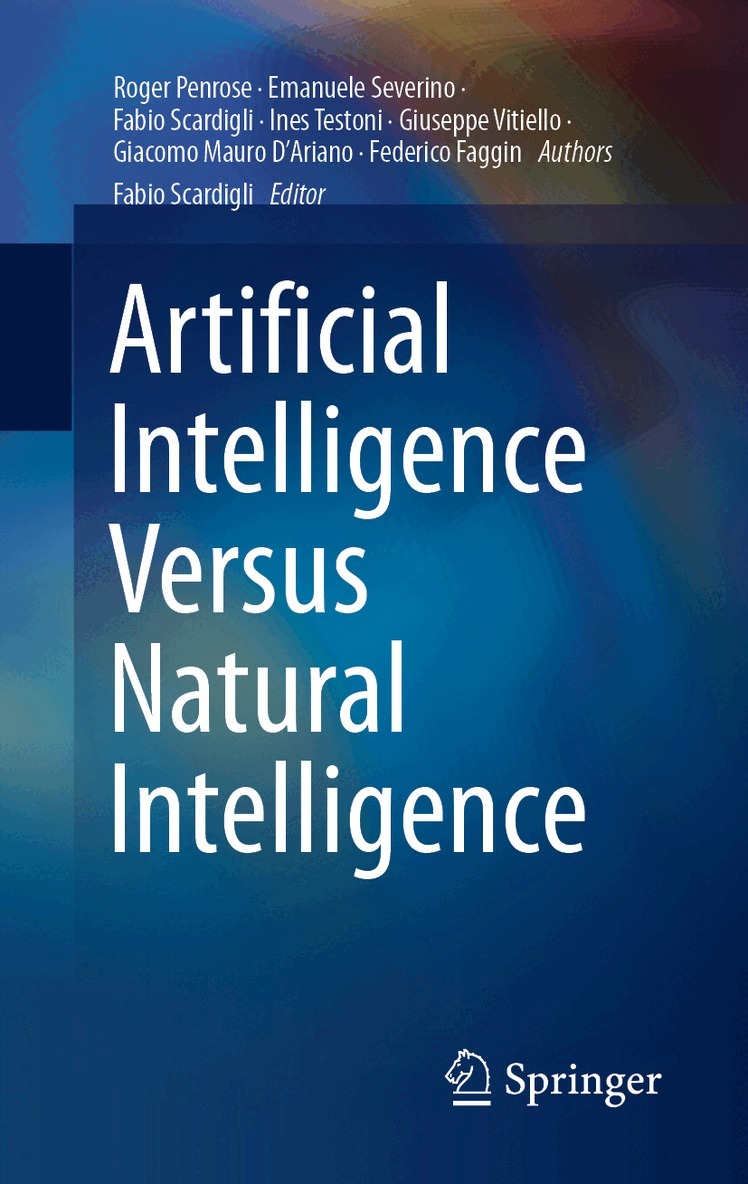
This book centers around a dialogue between Roger Penrose and Emanuele Severino about one of most intriguing topics of our times, the comparison of artificial intelligence and natural intelligence, as well as its extension to the notions of human and machine consciousness.Additional insightful essays by Mauro D'Ariano, Federico Faggin, Ines Testoni, Giuseppe Vitiello and an introduction of Fabio Scardigli complete the book and illuminate different aspects of the debate. Although from completely different points of view, all the authors seem to converge on the idea that it is almost impossible to have real "intelligence" without a form of "consciousness". In fact, consciousness, often conceived as an enigmatic "mirror" of reality (but is it really a mirror?), is a phenomenon under intense investigation by science and technology, particularly in recent decades. Where does this phenomenon originate from (in humans, and perhaps alsoin animals)? Is it reproducible on some "device"? Do we have a theory of consciousness today? Will we arrive to build thinking or conscious machines, as machine learning, or cognitive computing, seem to promise?These questions and other related issues are discussed in the pages of this work, which provides stimulating reading to both specialists and general readers.The Chapter "Hard Problem and Free Will: An Information-Theoretical Approach" is available open access under a Creative Commons Attribution 4.0 International License via link.springer.com.
966 kr
Skickas inom 10-15 vardagar
This book centers around a dialogue between Roger Penrose and Emanuele Severino about one of most intriguing topics of our times, the comparison of artificial intelligence and natural intelligence, as well as its extension to the notions of human and machine consciousness.Additional insightful essays by Mauro D'Ariano, Federico Faggin, Ines Testoni, Giuseppe Vitiello and an introduction of Fabio Scardigli complete the book and illuminate different aspects of the debate. Although from completely different points of view, all the authors seem to converge on the idea that it is almost impossible to have real "intelligence" without a form of "consciousness". In fact, consciousness, often conceived as an enigmatic "mirror" of reality (but is it really a mirror?), is a phenomenon under intense investigation by science and technology, particularly in recent decades. Where does this phenomenon originate from (in humans, and perhaps alsoin animals)? Is it reproducible on some "device"? Do we have a theory of consciousness today? Will we arrive to build thinking or conscious machines, as machine learning, or cognitive computing, seem to promise?These questions and other related issues are discussed in the pages of this work, which provides stimulating reading to both specialists and general readers.The Chapter "Hard Problem and Free Will: An Information-Theoretical Approach" is available open access under a Creative Commons Attribution 4.0 International License via link.springer.com.
1 711 kr
Skickas inom 5-8 vardagar
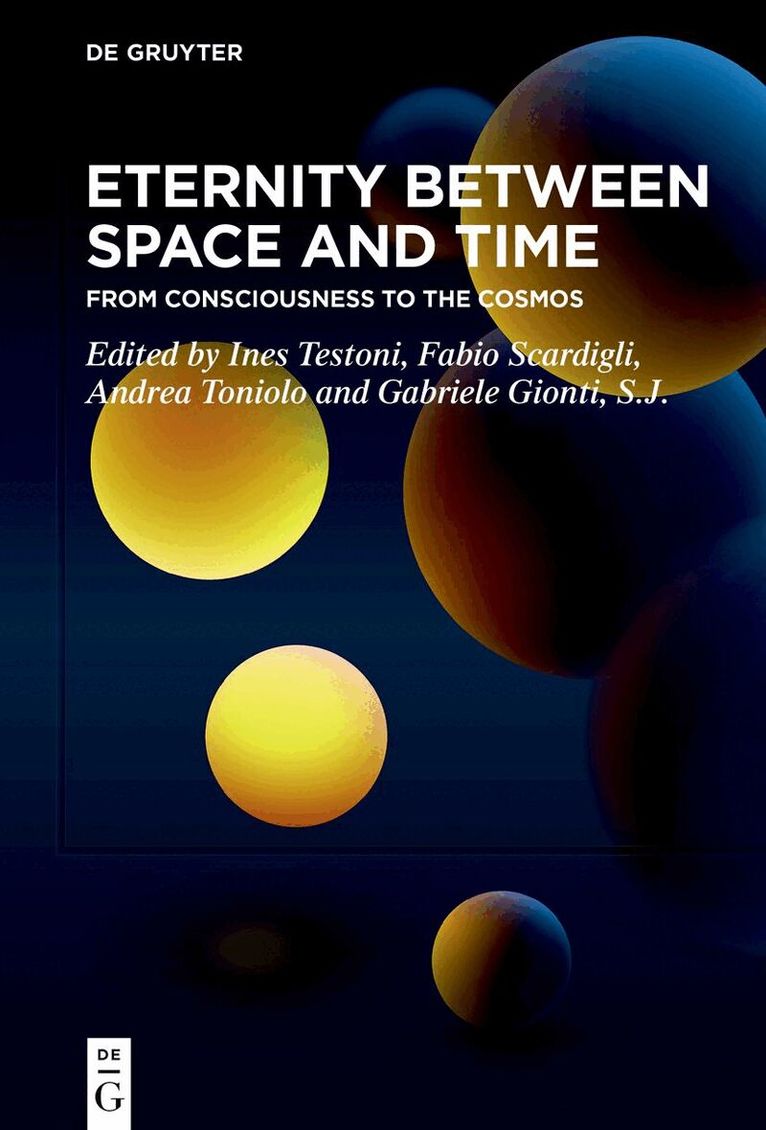
Philosophers, theologians, physicists, and psychologists join their efforts to reflect on the crucial issues of limit and infinity, time and eternity, empty space and material space. The volume offers an invaluable contribution to some of the most important issues of our times: questions on God and consciousness are discussed in parallel with quantum theory, black holes, the inflationary universe, the Big Bang, and string theory, from different perspectives and angles, ranging from neuroscience to AI.