Irene Gómez-Castellano – författare
Visar alla böcker från författaren Irene Gómez-Castellano. Handla med fri frakt och snabb leverans.
4 produkter
4 produkter
Häftad, Engelska, 2021
721 kr
Skickas
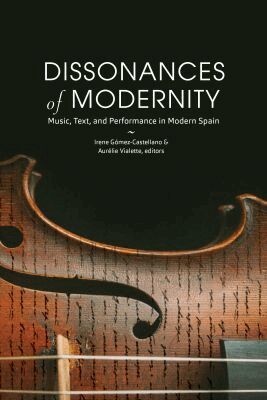
Dissonances of Modernity illuminates the ways in which music, as an artifact, a practice, and a discourse redefines established political, social, gender, and cultural conventions in Modern Spain. Using the notion of dissonance as a point of departure, the volume builds on the insightful approaches to the study of music and society offered by previous analyses in regards to the central position they give to identity as a socially and historically constructed concept, and continues their investigation on the interdependence of music and society in the Iberian Peninsula. While other serious studies of the intersections of music and literature in Spain have focused on contemporary usage, Dissonances of Modernity looks back across the centuries, seeking the role of music in the very formation of identity in the peninsula. The volume's historical horizon reaches from the nineteenth-century War of Africa to the Catalan working class revolutions and Enric Granados' central role in Catalan identity; from Francisco Barbieri's Madrid to the Wagnerian's influence in Benito Perez Galdos' prose; and from the predicaments surrounding national anthems to the use of the figure of Carmen in Francoist' cinema. This volume is a timely scholarly addition that contemplates not only a broad corpus that innovatively comprises popular and high culture--zarzuelas, choruses of industrial workers, opera, national anthems--but also their inter-dependence in the artists' creativity.
E-bok
Spanska, 2013497 kr
Läs direkt efter köp
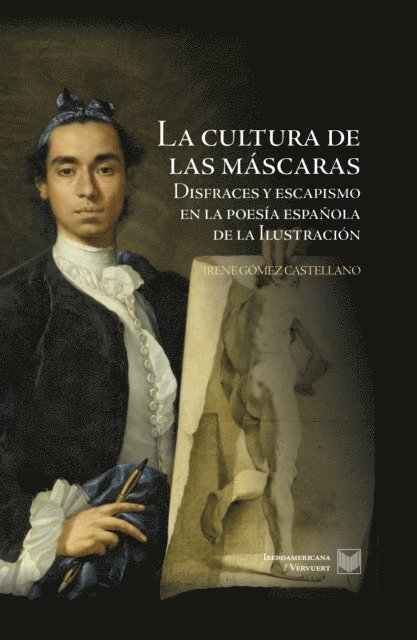
En las páginas de La cultura de las máscaras Irene Gómez Castellano desvela por vez primera el lado más íntimo y vacilante del "hombre ilustrado", iluminando algunos de sus misterios: ¿Por qué a los que perseguían a los borrachos con leyes y decretos les gustaba deambular poéticamente en fantasías dionisíacas? ¿Por qué los mismos que personificaban el nuevo modelo de comportamiento del "hombre de bien" les gustaba codearse en sus ensueños poéticos con la figura del bardo griego Anacreonte, el poeta del vino y del amor licencioso y homosexual? ¿Por qué los mismos que defendían el sacrificio de los propios gustos en aras del bien social les fascinaba el mundo de la infancia y les gustaba imaginarse convertidos de nuevo en niños, ajenos a toda responsabilidad social? ¿Por qué Meléndez Valdés escribía bajo el pseudónimo de Batilo, el nombre del joven amante del viejo Anacreonte? ¿Qué lazos, además de sociales o literarios, enlazaban a los ilustrados con la tradición clásica griega y entre sí? A través de un análisis de tres máscaras recurrentes empleadas por los poetas ilustrados (Anacreonte, el niño/Cupido y el borracho/Baco), La cultura de las máscaras ofrece un nuevo marco para enfrentarse a las peculiaridades del xviii español y sus contradicciones éticas y estéticas.
Häftad, Spanska, 2015
258 kr
Skickas inom 5-8 vardagar
E-bok
PDF, Engelska, 2021533 kr
Läs direkt efter köp
Dissonances of Modernity illuminates the ways in which music, as an artifact, a practice, and a discourse redefines established political, social, gender, and cultural conventions in Modern Spain. Using the notion of dissonance as a point of departure, the volume builds on the insightful approaches to the study of music and society offered by previous analyses in regards to the central position they give to identity as a socially and historically constructed concept, and continues their investigation on the interdependence of music and society in the Iberian Peninsula. While other serious studies of the intersections of music and literature in Spain have focused on contemporary usage, Dissonances of Modernity looks back across the centuries, seeking the role of music in the very formation of identity in the peninsula. The volume’s historical horizon reaches from the nineteenth-century War of Africa to the Catalan working class revolutions and Enric Granados’ central role in Catalan identity; from Francisco Barbieri’s Madrid to the Wagnerian’s influence in Benito Pérez Galdós’ prose; and from the predicaments surrounding national anthems to the use of the figure of Carmen in Francoist’ cinema. This volume is a timely scholarly addition that contemplates not only a broad corpus that innovatively comprises popular and high culture — zarzuelas, choruses of industrial workers, opera, national anthems — but also their inter-dependence in the artists’ creativity.