Aurélie Vialette - Böcker
Visar alla böcker från författaren Aurélie Vialette. Handla med fri frakt och snabb leverans.
4 produkter
4 produkter
771 kr
Skickas inom 10-15 vardagar
Dissonances of Modernity illuminates the ways in which music, as an artifact, a practice, and a discourse redefines established political, social, gender, and cultural conventions in Modern Spain. Using the notion of dissonance as a point of departure, the volume builds on the insightful approaches to the study of music and society offered by previous analyses in regards to the central position they give to identity as a socially and historically constructed concept, and continues their investigation on the interdependence of music and society in the Iberian Peninsula. While other serious studies of the intersections of music and literature in Spain have focused on contemporary usage, Dissonances of Modernity looks back across the centuries, seeking the role of music in the very formation of identity in the peninsula. The volume's historical horizon reaches from the nineteenth-century War of Africa to the Catalan working class revolutions and Enric Granados' central role in Catalan identity; from Francisco Barbieri's Madrid to the Wagnerian's influence in Benito Perez Galdos' prose; and from the predicaments surrounding national anthems to the use of the figure of Carmen in Francoist' cinema. This volume is a timely scholarly addition that contemplates not only a broad corpus that innovatively comprises popular and high culture--zarzuelas, choruses of industrial workers, opera, national anthems--but also their inter-dependence in the artists' creativity.
471 kr
Skickas inom 10-15 vardagar
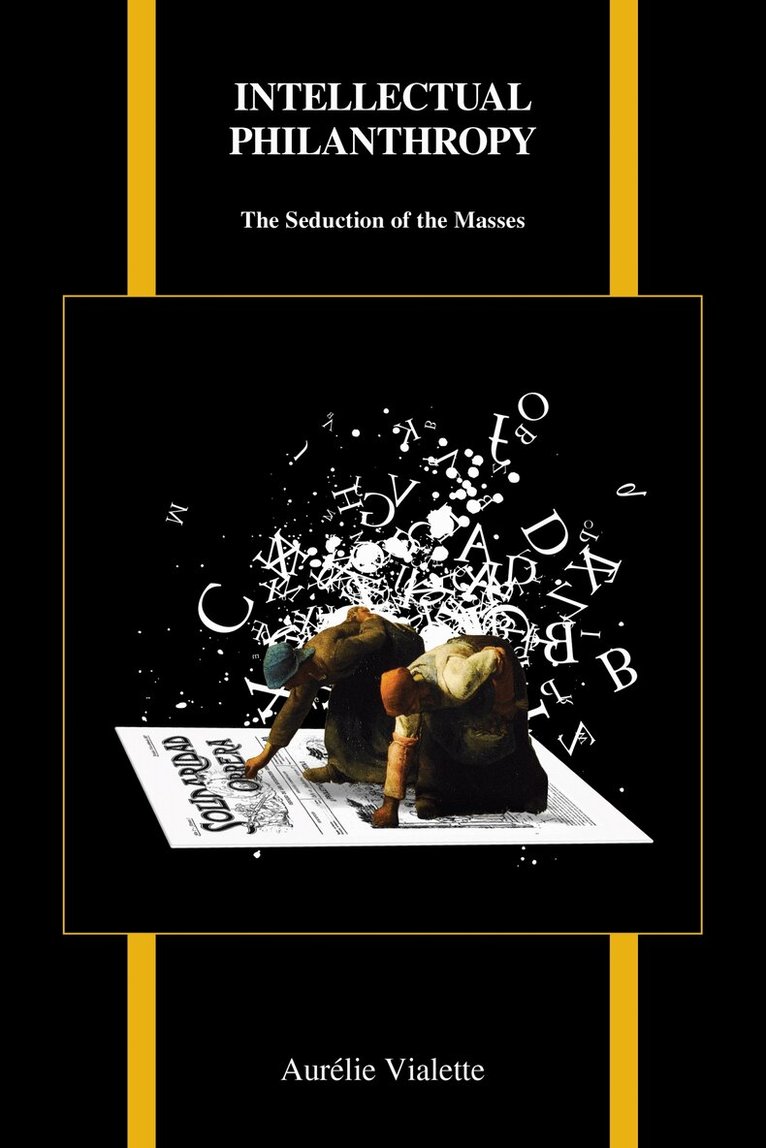
Intellectual Philanthropy: The Seduction of the Masses by AurélieVialette examines the practice of philanthropy in modern Spain. Through detailed studies of popular music, collective readings, dramas, working-class manuals, and fiction, Vialette reveals how depictions of urban philanthropic activities can inform our understanding of interactions in the economic, cultural, religious,and educational spheres, class power dynamics, and gender roles in urban Spanish society.
416 kr
Skickas
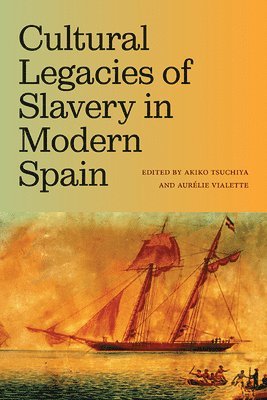
The first book-length study to address the impact of the legacies of slavery on Spanish cultural representations and institutions.This groundbreaking volume explores how culture produced in Spain, from the nineteenth century to the present, both reflects and shapes ways of understanding the history and heritage of a nation sustained by colonialism and slavery. Akiko Tsuchiya and Aurélie Vialette bring together an outstanding group of scholars, artists, cultural producers, and activists in a range of fields-from history to literary studies, anthropology to journalism, and flamenco to film. Drawing on interdisciplinary and comparative methodologies, contributors address the legacies of slavery in the archive; in cultural memory sites; and in literature, music, and visual arts. How, they ask, do different cultural forms and institutions represent and reckon with this past and push for justice in the face of persistent racial discrimination? In its focus on collective memory and the cultural afterlives of slavery and antislavery, Cultural Legacies of Slavery in Modern Spain will appeal not only to Iberian and Latin American specialists but also readers across Afro-Hispanic, postcolonial, transatlantic, and critical race studies.
2 066 kr
Skickas inom 3-6 vardagar
The first book-length study to address the impact of the legacies of slavery on Spanish cultural representations and institutions.This groundbreaking volume explores how culture produced in Spain, from the nineteenth century to the present, both reflects and shapes ways of understanding the history and heritage of a nation sustained by colonialism and slavery. Akiko Tsuchiya and Aurélie Vialette bring together an outstanding group of scholars, artists, cultural producers, and activists in a range of fields-from history to literary studies, anthropology to journalism, and flamenco to film. Drawing on interdisciplinary and comparative methodologies, contributors address the legacies of slavery in the archive; in cultural memory sites; and in literature, music, and visual arts. How, they ask, do different cultural forms and institutions represent and reckon with this past and push for justice in the face of persistent racial discrimination? In its focus on collective memory and the cultural afterlives of slavery and antislavery, Cultural Legacies of Slavery in Modern Spain will appeal not only to Iberian and Latin American specialists but also readers across Afro-Hispanic, postcolonial, transatlantic, and critical race studies.