Irene Masing-Delic – författare
Visar alla böcker från författaren Irene Masing-Delic. Handla med fri frakt och snabb leverans.
8 produkter
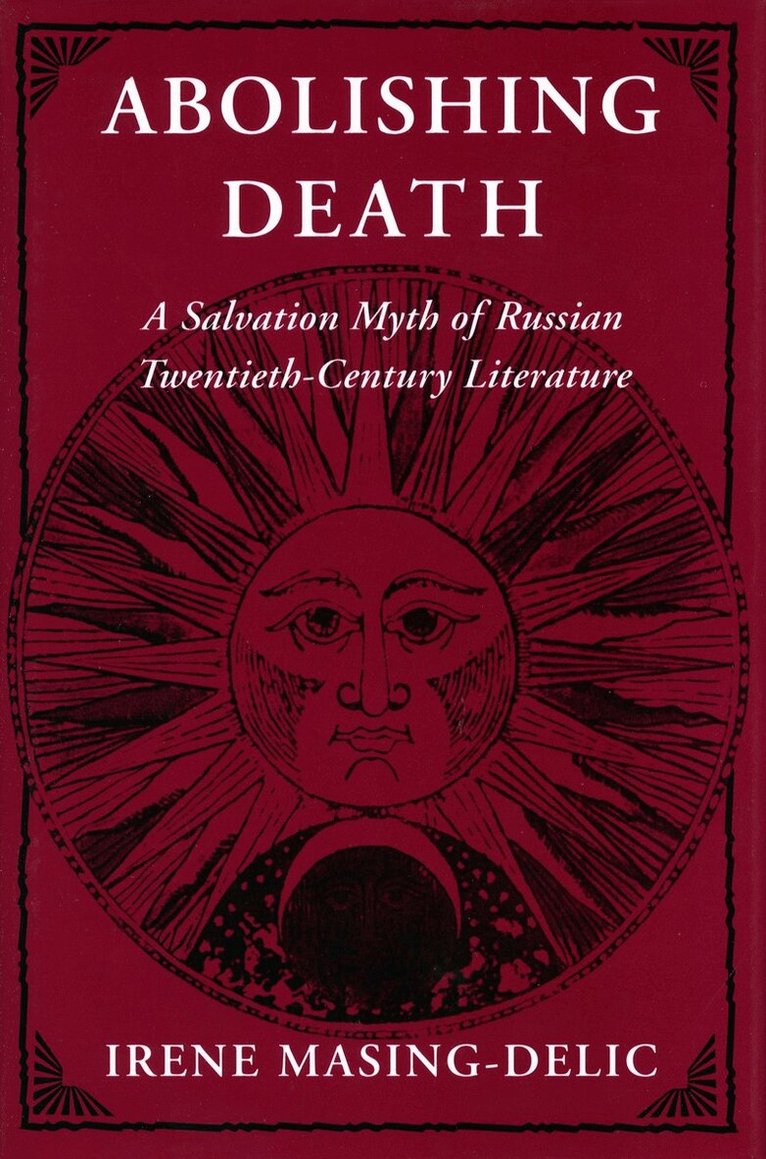
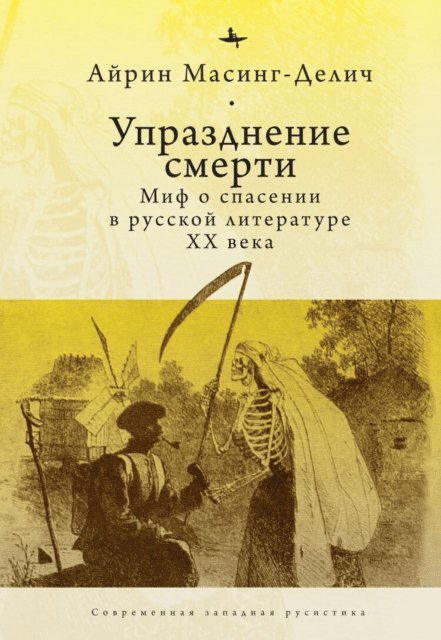
Abolishing Death
A Salvation Myth of Russian Twentieth-Century Literature
Inbunden, 1992
1109 kr
Lägg i varukorg
The idea of abolishing death was one of the most influential myth-making concepts expressed in Russian literature from 1900 to 1930, especially in the works of writers who attributed a "life-modeling" function to art. To them, art was to create a life so aesthetically organized and perfect that …
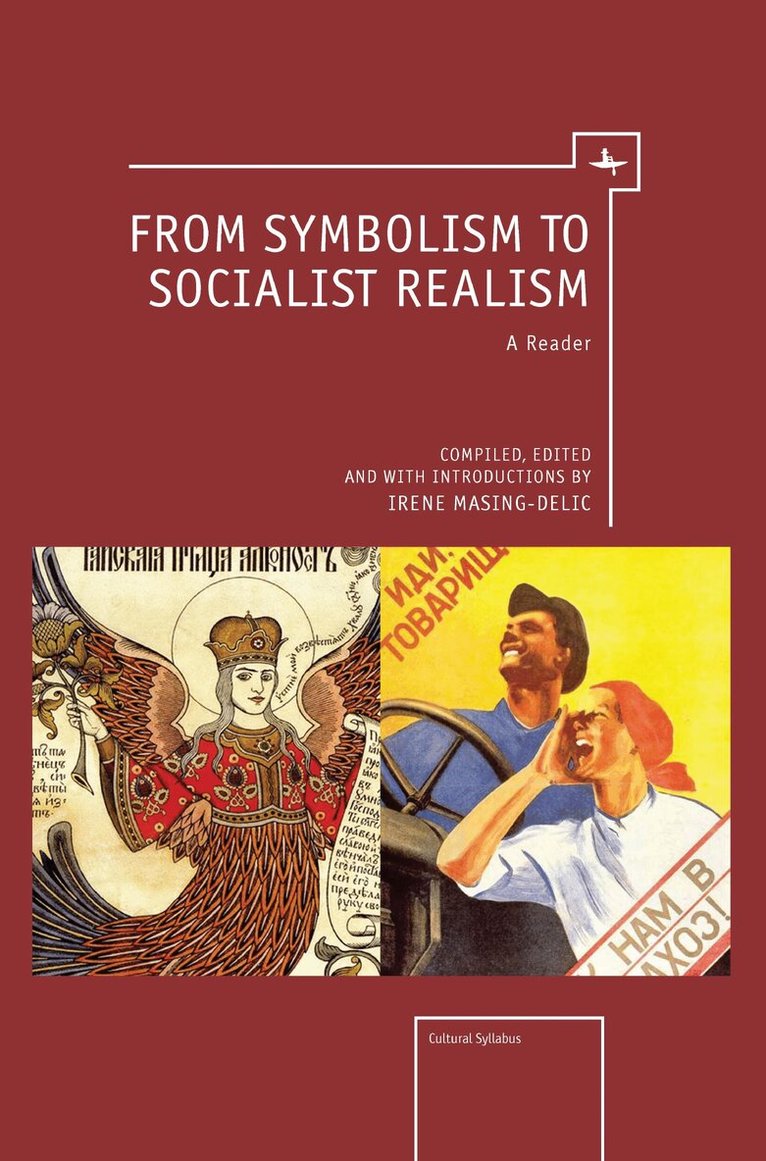
From Symbolism to Socialist Realism
A Reader
E-bok, 2012
3186 kr
Lägg i varukorg
Developed as a reader for upper division undergraduates and beginning graduates, From Symbolism to Socialist Realism offers broad variety of materials contextualizing the literary texts most frequently read in Russian literature courses at this level. These approaches range from …
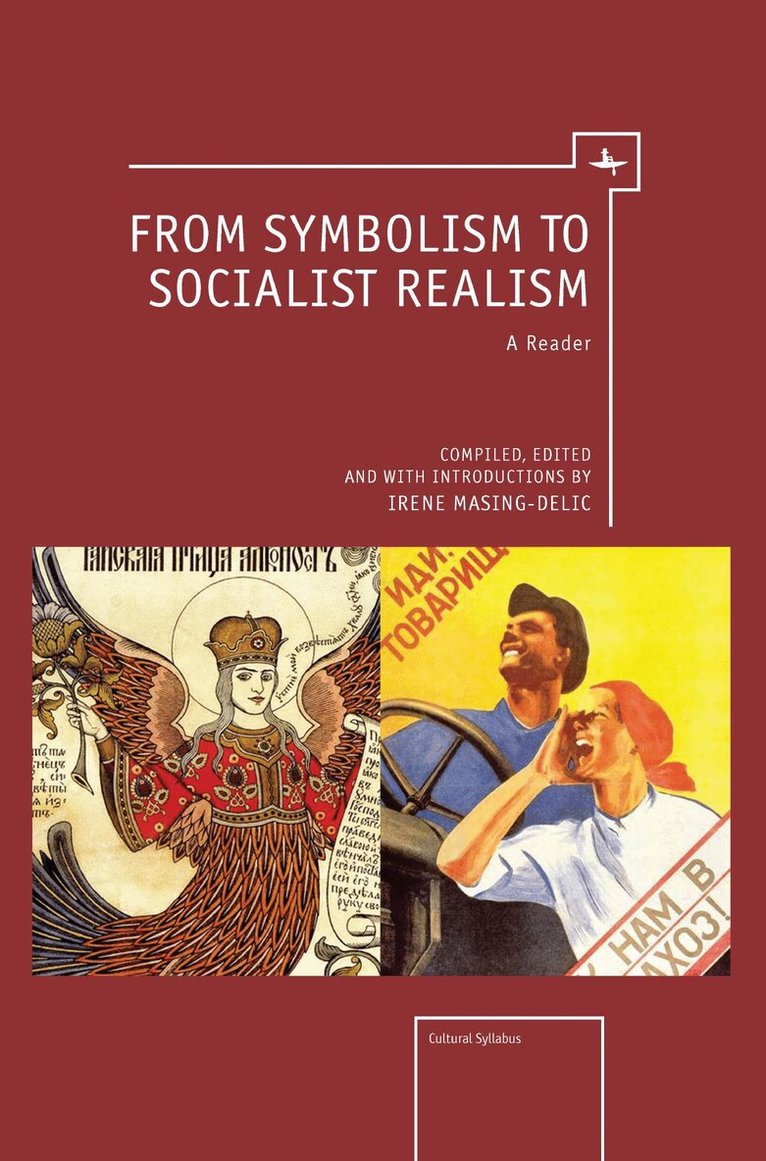
From Symbolism to Socialist Realism
A Reader
Häftad, 2012
541 kr
Lägg i varukorg
Developed as a reader for upper division undergraduates and beginning graduates, From Symbolism to Socialist Realism offers broad variety of materials contextualizing the literary texts most frequently read in Russian literature courses at this level. These approaches range from …
Abolishing Death
A Salvation Myth of Russian Twentieth-Century Literature
Inbunden, 2020
691 kr
Lägg i varukorg
The idea of abolishing death was one of the most influential myth-making concepts expressed in Russian literature from 1900 to 1930. In this book Dr. Masing-Delic finds the seeds of this extraordinary concept in the erosion of traditional religion in late-nineteenth-century Russia. Influenced by …
Abolishing Death
A Salvation Myth of Russian Twentieth-Century Literature
E-bok, 2020
2987 kr
Lägg i varukorg
The idea of abolishing death was one of the most influential myth-making concepts expressed in Russian literature from 1900 to 1930. In this book Dr. Masing-Delic finds the seeds of this extraordinary concept in the erosion of traditional religion in late-nineteenth-century Russia. Influenced by …
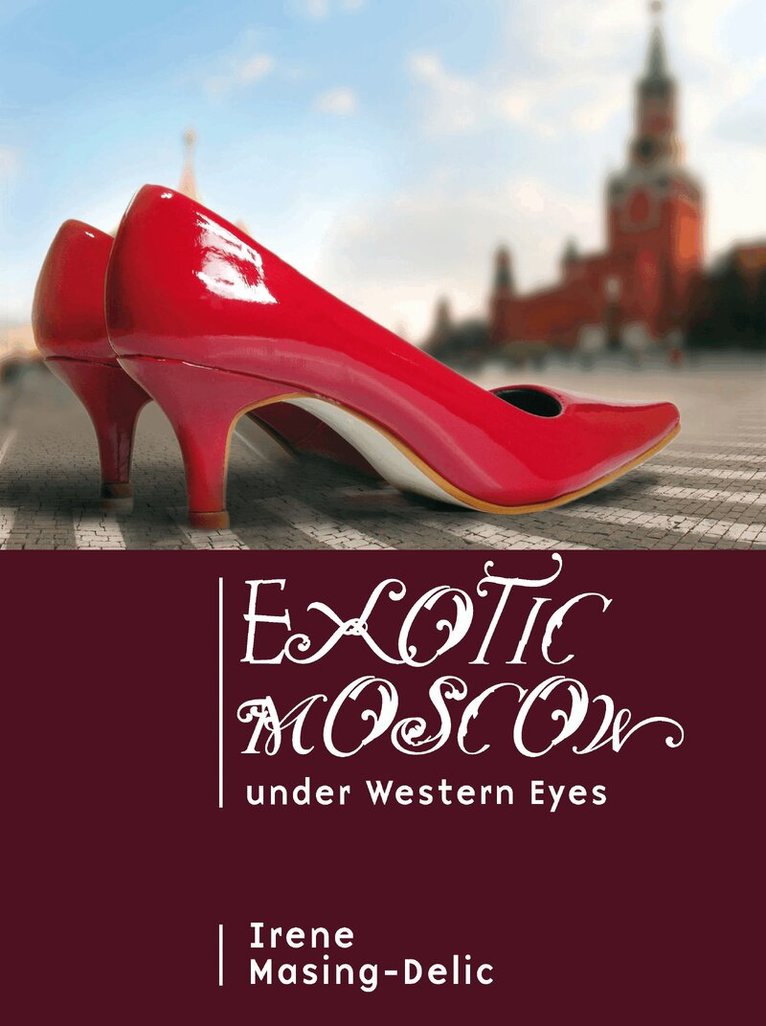
Exotic Moscow under Western Eyes
Inbunden, 2009
1610 kr
Lägg i varukorg
This collection of essays on Turgenev, Goncharov, Conrad, Dostoevsky, Blok, Briusov, Gor’kii, Pasternak and Nabokov represents diverse voices but is also unified. One invariant is the recurring distinction between “culture” and “civilization” and the vision of Russia as the bearer of culture …
From Symbolism to Socialist Realism
A Reader
Inbunden, 2012
1515 kr
Lägg i varukorg
Developed as a reader for upper division undergraduates and beginning graduates, From Symbolism to Socialist Realism offers broad variety of materials contextualizing the literary texts most frequently read in Russian literature courses at this level. These approaches range from …
Abolishing Death
A Salvation Myth of Russian Twentieth-Century Literature
Häftad, 2026
387 kr
Lägg i varukorg
The idea of abolishing death was one of the most influential myth-making concepts expressed in Russian literature from 1900 to 1930. In this book Dr. Masing-Delic finds the seeds of this extraordinary concept in the erosion of traditional religion in late-nineteenth-century Russia. Influenced by …