Ismet Fanany - Böcker
Visar alla böcker från författaren Ismet Fanany. Handla med fri frakt och snabb leverans.
3 produkter
3 produkter
674 kr
Skickas inom 10-15 vardagar
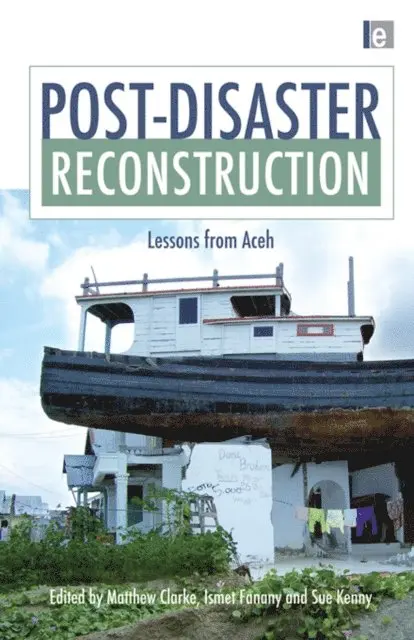
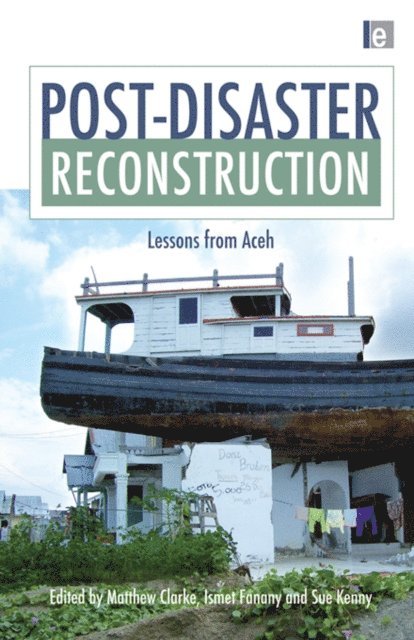
On Sunday 26 December 2004, a tsunami of up to 30 metres high hit the northern tip of Sumatera in Indonesia, causing immediate destruction and the deaths of at least 130,000 in Indonesia alone. The scale of the devastation and ensuing human suffering prompted the biggest response endeavour to any natural disaster in history.Post-Disaster Reconstruction will be the first major book that analyses the different perspectives and experiences of the enormous post-tsunami reconstruction effort. It looks specifically at the reconstruction efforts in Aceh, one of the regions most heavily-hit by the tsunami and a province that has until recently suffered nearly three decades of armed conflict. Positioning the reconstruction efforts within Aceh's multi-layered historical, cultural, socio-political and religious contexts, the authors explore diverse experiences and assessments of the reconstruction. It considers the importance of the political and religious settings of the reconstruction, the roles of communities and local non-government organisations and the challenges faced by Indonesian and international agencies. From the in-depth examination of this important case study of disaster reconstruction - significant not only because of the huge scale of the natural disaster and response but also the post-conflict issues - the editors draw together the lessons learned for the future of Aceh and make general recommendations for post-disaster and post-conflict reconstruction-making.
2 160 kr
Skickas inom 7-10 vardagar
On Sunday 26 December 2004, a tsunami of up to 30 metres high hit the northern tip of Sumatera in Indonesia, causing immediate destruction and the deaths of at least 130,000 in Indonesia alone. The scale of the devastation and ensuing human suffering prompted the biggest response endeavour to any natural disaster in history.Post-Disaster Reconstruction will be the first major book that analyses the different perspectives and experiences of the enormous post-tsunami reconstruction effort. It looks specifically at the reconstruction efforts in Aceh, one of the regions most heavily-hit by the tsunami and a province that has until recently suffered nearly three decades of armed conflict. Positioning the reconstruction efforts within Aceh's multi-layered historical, cultural, socio-political and religious contexts, the authors explore diverse experiences and assessments of the reconstruction. It considers the importance of the political and religious settings of the reconstruction, the roles of communities and local non-government organisations and the challenges faced by Indonesian and international agencies. From the in-depth examination of this important case study of disaster reconstruction - significant not only because of the huge scale of the natural disaster and response but also the post-conflict issues - the editors draw together the lessons learned for the future of Aceh and make general recommendations for post-disaster and post-conflict reconstruction-making.
461 kr
Skickas inom 3-6 vardagar
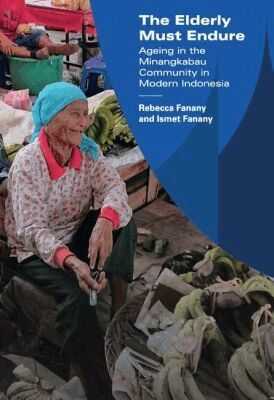
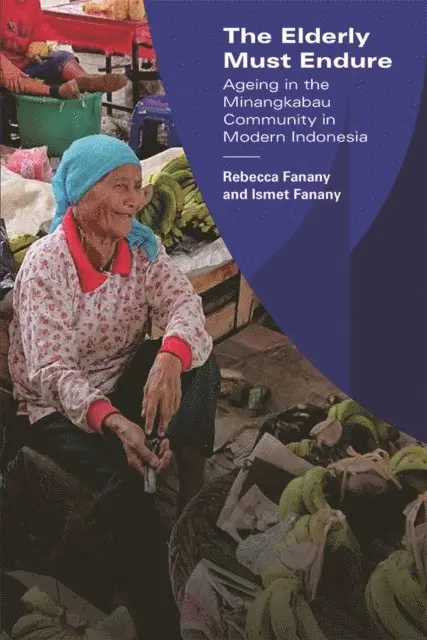
Since its independence in 1945, Indonesia has experienced decades of rapid social change that have affected every area of life and have reached even the most remote parts of the country. The impact on the experience of the population has been equally significant, especially for those individuals who are over the age of 60 today and have lived through much of this period. This book concerns older members of the Minangkabau ethnic group, one of Indonesia’s many local cultures. The Minangkabau have an ancient matrilineal social structure that is embodied in their local law and customs (adat) and that, in the view of many Minangkabau, is under increasing pressure in the modern context. Today’s older Minangkabau are deeply affected by these challenges to the traditional way of life which relate to fundamental social patterns, such as the nature of the long-established tradition of leaving their region of origin to work elsewhere (marantau) and the structure of relationships within the extended family, as well as the potential value of traditional practices in modern society. The gap between their expectations that were formed early in their life and the realities of life in modern Indonesia often create serious problems of cultural consonance that represent a personal challenge for which there is no precedent and no established strategy to address.This book is based on a long-term study of older Minangkabau in modern Indonesia with a focus on cultural consonance. It profiles the members of one family from a village in the highlands of West Sumatra whose members now live in cities across Indonesia as well as in their village of origin. The challenges but also the opportunities experienced by these individuals, and members of the older Minangkabau population in general, are characteristic of similar social change experienced across Indonesia in recent decades and illustrate the nature of culture shift in the rapidly urbanizing and modernizing context of modern Indonesia.