Ivan Bunin – författare
259 kr
Skickas
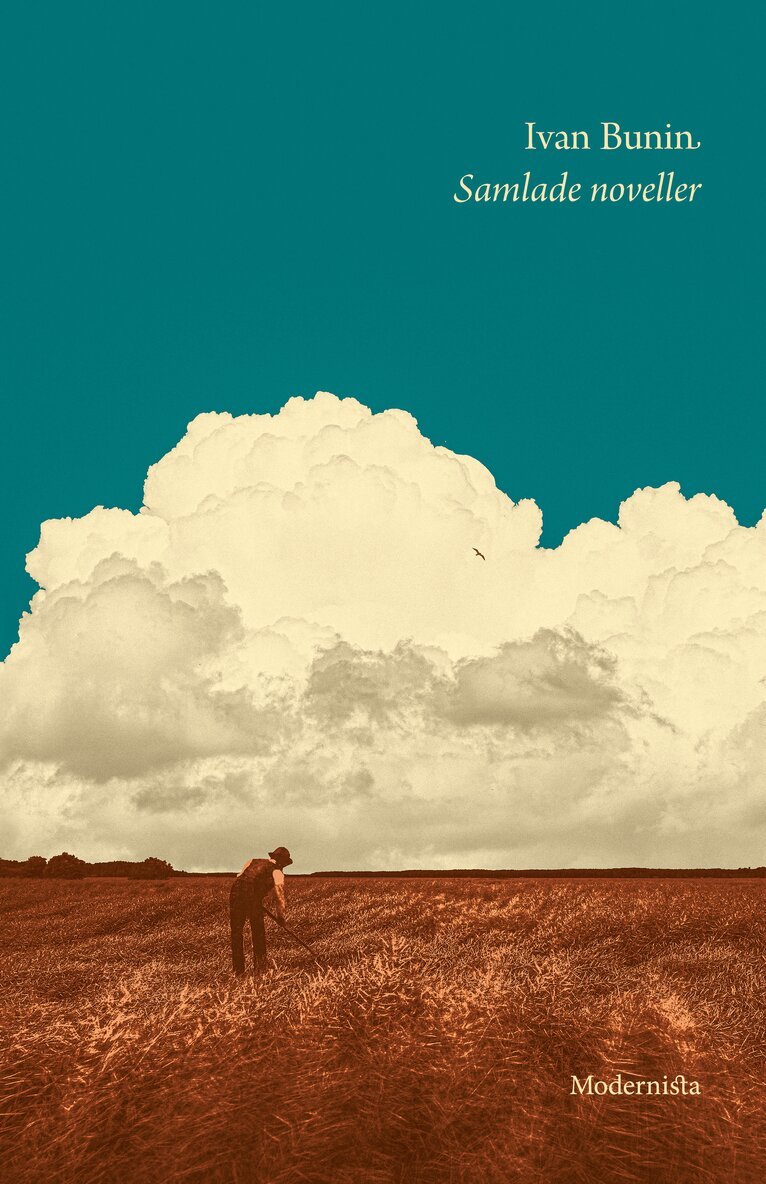
Ett Ryssland utan försköningar – Rysslands första Nobelpristagare i ny utgåva
Som en följd av revolutionen 1917 tvingades Ivan Bunin – hyllad av både Maksim Gorkij och Anton Tjechov, och ofta beskriven som en av den ryska litteraturens främsta stilister – till landsflykt. Han fortsatte sitt litterära arbete i Paris. Det var där han 1924 skrev långnovellen »Mitjas kärlek«, som cementerade hans popularitet som emigrantförfattare.I den, såväl som i övriga noveller samlade i denna volym, visar Bunin prov på den säregna melankoli och koncentrerade elegans som blev utmärkande för hans författarskap och gjorde honom så omtyckt. Med ett noga avvägt språk och en sällan överträffad nyansrikedom låter han människan framstå som hon är, med alla sina brister och motsägelser. Han ville visa ett Ryssland utan försköningar och förljugenhet, och motivet är ofta den fattiga landsbygden och dess invånare. I översättning av Sigurd Agrell.
IVAN BUNIN [1870–1953] var en rysk författare, bosatt i Frankrike från 1920. Med sin rika, formsäkra stil ansågs han av många samtida kritiker och författare som en sann arvinge till den ryska tradition av realism som etablerats av Tolstoj och Tjechov. 1933 tilldelades Bunin Nobelpriset i litteratur.
281 kr
Skickas inom 3-6 vardagar
97 kr
Läs direkt efter köp
367 kr
Skickas inom 5-8 vardagar
335 kr
Skickas inom 5-8 vardagar
258 kr
Skickas inom 5-8 vardagar
125 kr
Skickas inom 5-8 vardagar
233 kr
Läs direkt efter köp
1 703 kr
Skickas inom 10-15 vardagar
344 kr
Skickas inom 10-15 vardagar
420 kr
Skickas inom 10-15 vardagar
214 kr
Skickas inom 10-15 vardagar
293 kr
Skickas inom 10-15 vardagar
302 kr
Skickas inom 3-6 vardagar
294 kr
Skickas inom 3-6 vardagar
485 kr
Skickas inom 3-6 vardagar
106 kr
Skickas
281 kr
Läs direkt efter köp
Ivan Bunin was the first Russian to win the Nobel Prize in Literature. For his poetry, he was twice awarded Russia''s highest literary honor, the Pushkin Prize. While Bunin''s prose writing is well known, his poetry-though highly praised by critics and contemporaries such as Blok, Gorky and Nabokov-has been unjustly ignored.
This collection of over 100 verse translations is the first English language book of Bunin''s poetry. Spanning a long period of poetic output (1886-1952), this selection includes both published and unpublished poems. In a variety of forms, they cover an astonishing range of topics and reveal a writer with singular artistic precision and deep humanity.
77 kr
Läs direkt efter köp
Ivan Alekseyevich Bunin was born on 22nd October 1870 in Voronezh province, in the South-West of the Russian Empire.
His early life was plagued by his Father’s gambling habits which caused his education to be erratic and the family to lose most of their wealth.
Bunin published his first poem in 1887 in St Petersburg and later in Oryol he worked for the local paper and became its editor, handily allowing him to publish his own poems and short stories. There he met and married Varvara Pashchenko. Ivan Bunin''s debut book of poetry ‘Poems (1887–1891)’ was published in 1891.
This poetry and his translation of Longfellow garnered him his first Pushkin Prize. Now he switched to writing prose and his novella ‘Antonov Apples’ is regarded as his first masterpiece. Many more would follow.
The October Revolution of 1905 found Bunin in the Crimea. Scenes of ‘class struggle’ he saw more as the oppressed people''s craving for anarchy and destruction.
In November 1906 he began a passionate affair with Vera Muromtseva, within a few months they were touring through Egypt and Palestine. ‘The Bird''s Shadow’ collection was the result.
His second Pushkin Prize came in 1909 for Poems (1903–1906) and further translations. He was now elected to the prestigious Russian Academy.
More widespread fame came in 1910 with ‘The Village’, a controversial and bleak portrayal of Russian country life. Travel too beckoned them back to the Middle East, Ceylon (now Sri Lanka) and for winters in Capri with their friend Maxim Gorky.
That friendship suddenly ended in April 1917 as the revolution began to ferment in war-ravaged Russia. After the Bolsheviks took power and the upheavals continued, he decided to leave Russia, finally achieving that in early 1920.
It would take some time to heal the wounds and stress he had been under and for his writing to begin again. Settled in France, Bunin published many of his previous works and collections of novellas. He also made regular contributions to the Russian emigre press.
Although reluctant to become involved in politics, Bunin was now feted as both a writer and the figurehead of non-Bolshevik Russian values and traditions. In 1933 he became the first Russian to be awarded the Nobel Prize for Literature ‘for following through and developing with chastity and artfulness the traditions of Russian classic prose.’
In 1938 Bunin began working on the celebrated cycle of nostalgic, and erotically themed stories known Dark Avenues (or Dark Alleys).
As World War II broke out he chose to remain in Grasse spending the war at his remote Villa Jeanette, high in the mountains.
Ivan Bunin was a staunch anti-Nazi, and often, under difficult conditions, sheltered fugitives after Vichy was occupied by the Germans. He wrote but did not publish during these years until on August 23rd the Nazi’s fled Grasse without a fight. The next day the Americans came.
In May 1945 he returned to Paris and, apart from convalescing at times in Juan-les-Pins, he stayed for the rest of his life.
After 1948, with his health deteriorating, Bunin concentrated upon writing his memoirs and a book on Chekhov. His last years were overshadowed by bitterness and despair at the situation in Russia and the treatment of its peoples. He was suffering now from asthma, bronchitis and chronic pneumonia.
Ivan Alekseyevich Bunin died in a Paris attic flat on 8th November 1953. Heart failure, cardiac asthma and pulmonary sclerosis were given as the causes of death. He was 83.
46 kr
Läs direkt efter köp
Ivan Alekseyevich Bunin was born on 22nd October 1870 in Voronezh province, in the South-West of the Russian Empire.
His early life was plagued by his Father’s gambling habits which caused his education to be erratic and the family to lose most of their wealth.
Bunin published his first poem in 1887 in St Petersburg and later in Oryol he worked for the local paper and became its editor, handily allowing him to publish his own poems and short stories. There he met and married Varvara Pashchenko. Ivan Bunin''s debut book of poetry ‘Poems (1887–1891)’ was published in 1891.
This poetry and his translation of Longfellow garnered him his first Pushkin Prize. Now he switched to writing prose and his novella ‘Antonov Apples’ is regarded as his first masterpiece. Many more would follow.
The October Revolution of 1905 found Bunin in the Crimea. Scenes of ‘class struggle’ he saw more as the oppressed people''s craving for anarchy and destruction.
In November 1906 he began a passionate affair with Vera Muromtseva, within a few months they were touring through Egypt and Palestine. ‘The Bird''s Shadow’ collection was the result.
His second Pushkin Prize came in 1909 for Poems (1903–1906) and further translations. He was now elected to the prestigious Russian Academy.
More widespread fame came in 1910 with ‘The Village’, a controversial and bleak portrayal of Russian country life. Travel too beckoned them back to the Middle East, Ceylon (now Sri Lanka) and for winters in Capri with their friend Maxim Gorky.
That friendship suddenly ended in April 1917 as the revolution began to ferment in war-ravaged Russia. After the Bolsheviks took power and the upheavals continued, he decided to leave Russia, finally achieving that in early 1920.
It would take some time to heal the wounds and stress he had been under and for his writing to begin again. Settled in France, Bunin published many of his previous works and collections of novellas. He also made regular contributions to the Russian emigre press.
Although reluctant to become involved in politics, Bunin was now feted as both a writer and the figurehead of non-Bolshevik Russian values and traditions. In 1933 he became the first Russian to be awarded the Nobel Prize for Literature ‘for following through and developing with chastity and artfulness the traditions of Russian classic prose.’
In 1938 Bunin began working on the celebrated cycle of nostalgic, and erotically themed stories known Dark Avenues (or Dark Alleys).
As World War II broke out he chose to remain in Grasse spending the war at his remote Villa Jeanette, high in the mountains.
Ivan Bunin was a staunch anti-Nazi, and often, under difficult conditions, sheltered fugitives after Vichy was occupied by the Germans. He wrote but did not publish during these years until on August 23rd the Nazi’s fled Grasse without a fight. The next day the Americans came.
In May 1945 he returned to Paris and, apart from convalescing at times in Juan-les-Pins, he stayed for the rest of his life.
After 1948, with his health deteriorating, Bunin concentrated upon writing his memoirs and a book on Chekhov. His last years were overshadowed by bitterness and despair at the situation in Russia and the treatment of its peoples. He was suffering now from asthma, bronchitis and chronic pneumonia.
Ivan Alekseyevich Bunin died in a Paris attic flat on 8th November 1953. Heart failure, cardiac asthma and pulmonary sclerosis were given as the causes of death. He was 83.
77 kr
Läs direkt efter köp
Ivan Alekseyevich Bunin was born on 22nd October 1870 in Voronezh province, in the South-West of the Russian Empire.
His early life was plagued by his Father’s gambling habits which caused his education to be erratic and the family to lose most of their wealth.
Bunin published his first poem in 1887 in St Petersburg and later in Oryol he worked for the local paper and became its editor, handily allowing him to publish his own poems and short stories. There he met and married Varvara Pashchenko. Ivan Bunin''s debut book of poetry ‘Poems (1887–1891)’ was published in 1891.
This poetry and his translation of Longfellow garnered him his first Pushkin Prize. Now he switched to writing prose and his novella ‘Antonov Apples’ is regarded as his first masterpiece. Many more would follow.
The October Revolution of 1905 found Bunin in the Crimea. Scenes of ‘class struggle’ he saw more as the oppressed people''s craving for anarchy and destruction.
In November 1906 he began a passionate affair with Vera Muromtseva, within a few months they were touring through Egypt and Palestine. ‘The Bird''s Shadow’ collection was the result.
His second Pushkin Prize came in 1909 for Poems (1903–1906) and further translations. He was now elected to the prestigious Russian Academy.
More widespread fame came in 1910 with ‘The Village’, a controversial and bleak portrayal of Russian country life. Travel too beckoned them back to the Middle East, Ceylon (now Sri Lanka) and for winters in Capri with their friend Maxim Gorky.
That friendship suddenly ended in April 1917 as the revolution began to ferment in war-ravaged Russia. After the Bolsheviks took power and the upheavals continued, he decided to leave Russia, finally achieving that in early 1920.
It would take some time to heal the wounds and stress he had been under and for his writing to begin again. Settled in France, Bunin published many of his previous works and collections of novellas. He also made regular contributions to the Russian emigre press.
Although reluctant to become involved in politics, Bunin was now feted as both a writer and the figurehead of non-Bolshevik Russian values and traditions. In 1933 he became the first Russian to be awarded the Nobel Prize for Literature ‘for following through and developing with chastity and artfulness the traditions of Russian classic prose.’
In 1938 Bunin began working on the celebrated cycle of nostalgic, and erotically themed stories known Dark Avenues (or Dark Alleys).
As World War II broke out he chose to remain in Grasse spending the war at his remote Villa Jeanette, high in the mountains.
Ivan Bunin was a staunch anti-Nazi, and often, under difficult conditions, sheltered fugitives after Vichy was occupied by the Germans. He wrote but did not publish during these years until on August 23rd the Nazi’s fled Grasse without a fight. The next day the Americans came.
In May 1945 he returned to Paris and, apart from convalescing at times in Juan-les-Pins, he stayed for the rest of his life.
After 1948, with his health deteriorating, Bunin concentrated upon writing his memoirs and a book on Chekhov. His last years were overshadowed by bitterness and despair at the situation in Russia and the treatment of its peoples. He was suffering now from asthma, bronchitis and chronic pneumonia.
Ivan Alekseyevich Bunin died in a Paris attic flat on 8th November 1953. Heart failure, cardiac asthma and pulmonary sclerosis were given as the causes of death. He was 83.
116 kr
Läs direkt efter köp
Short stories have always been a sort of instant access into an author’s brain, their soul and heart. A few pages can lift our lives into locations, people and experiences with a sweep of landscape, narration, feelings and emotions that is difficult to achieve elsewhere.
In this series we try to offer up tried and trusted ‘Top Tens’ across many different themes and authors. But any anthology will immediately throw up the questions – Why that story? Why that author?
The theme itself will form the boundaries for our stories which range from well-known classics, newly told, to stories that modern times have overlooked but perfectly exemplify the theme. Throughout the volume our authors whether of instant recognition or new to you are all leviathans of literature.
Some you may disagree with but they will get you thinking; about our choices and about those you would have made. If this volume takes you on a path to discover more of these miniature masterpieces then we have all gained something.
In this volume we examine a decade of tumult and upheaval for the continent and its Empires as both countries and social classes tense under insoluble issues. All at once Europe is engulfed in slaughter and overwhelmed by fighting. Its authors use their pens both to help enlighten and to provide some scant strands of escape in these most demanding of times.
175 kr
Skickas inom 5-8 vardagar
119 kr
Skickas
131 kr
Skickas
11 kr
Läs direkt efter köp
11 kr
Läs direkt efter köp
11 kr
Läs direkt efter köp
11 kr
Läs direkt efter köp
11 kr
Läs direkt efter köp