Ivana Krstić - Böcker
Visar alla böcker från författaren Ivana Krstić. Handla med fri frakt och snabb leverans.
4 produkter
4 produkter
1 559 kr
Skickas inom 10-15 vardagar
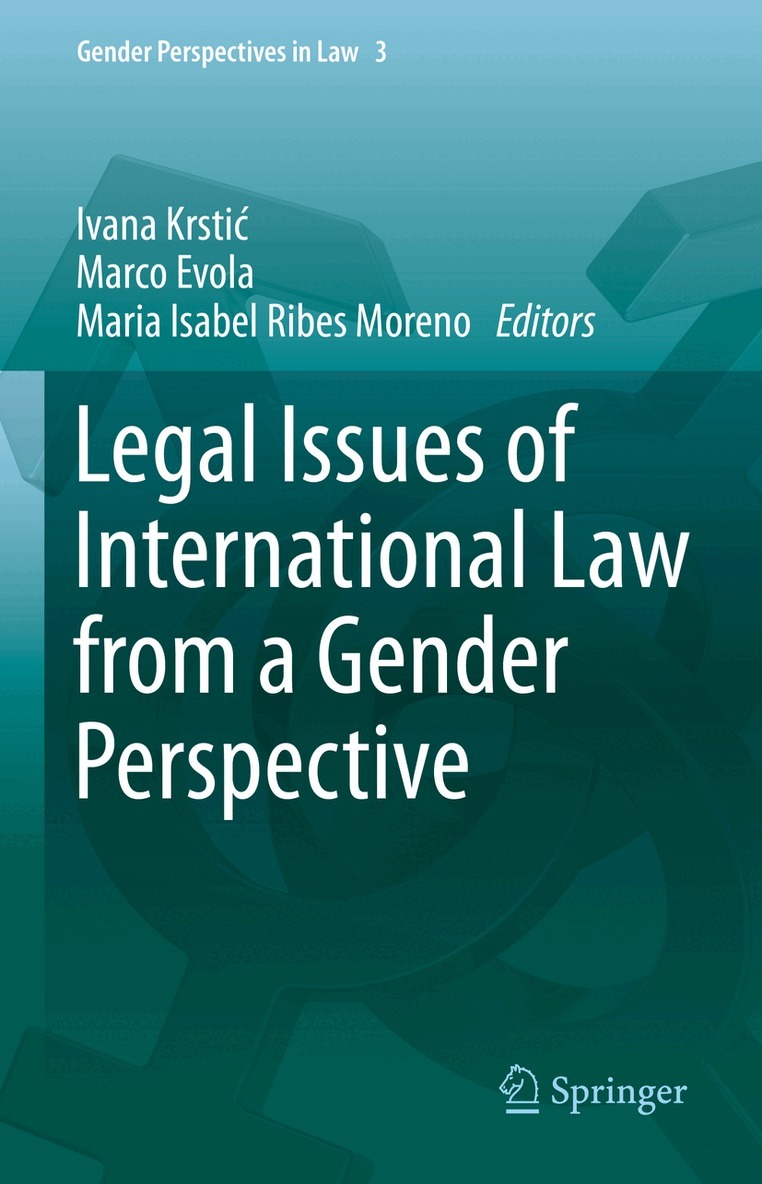
This book offers a new perspective on international law, which was, for centuries, male-dominant and gender-blind. However, this gender blindness has led to many injustices, the failure to recognize certain rights, and to impunity for serious crimes. The book examines the development of gender perspectives in various branches of international law, while also discussing and explaining certain universal standards. However, particular attention is paid to the European human rights system. Accordingly, the book provides detailed explanations of the EU’s external policies in relation to sex, sexual orientation, and gender identity. Also, there is a special focus on the relevant jurisprudence of the European Court of Human Rights in relation to gender and sexual orientation, female reproduction, and sexuality. The authors explain not only the importance of an adequate legal framework for combating gender inequality but also the detrimental effects of deeply rooted gender stereotypes and prejudices. Subsequently, the development of particular branches is presented, such as a gender-sensitive approach to the prevention of war crimes, gender perspectives in refugee law, and the evolution of gender-sensitive environmental law. In addition, the problematic situation of discrimination in the workplace is addressed from various perspectives. Many discussions, especially among EU member states, are reserved for the issue of women’s participation in managerial boards, while the growing awareness of gender equality in international trade agreements represents another interesting topic. Lastly, the book offers a historical perspective on the development of international law in the interwar period, with a particular focus on the situation in Yugoslavia.The book critically reconsiders the dominant molds of legal knowledge and presents innovative gender-sensitive and gender-competent insights on a variety of issues in international law, in order to introduce readers to new research topics relevant to gender equality and to stimulate the development of an international legal and institutional framework for achieving greater gender equality in practice. The collection of essays presented here will be of interest to all those working in the field of international law, as well as students and academics looking to broaden and deepen their research on a range of issues in international law from gender perspectives.
584 kr
Skickas inom 5-8 vardagar
1 559 kr
Skickas inom 10-15 vardagar
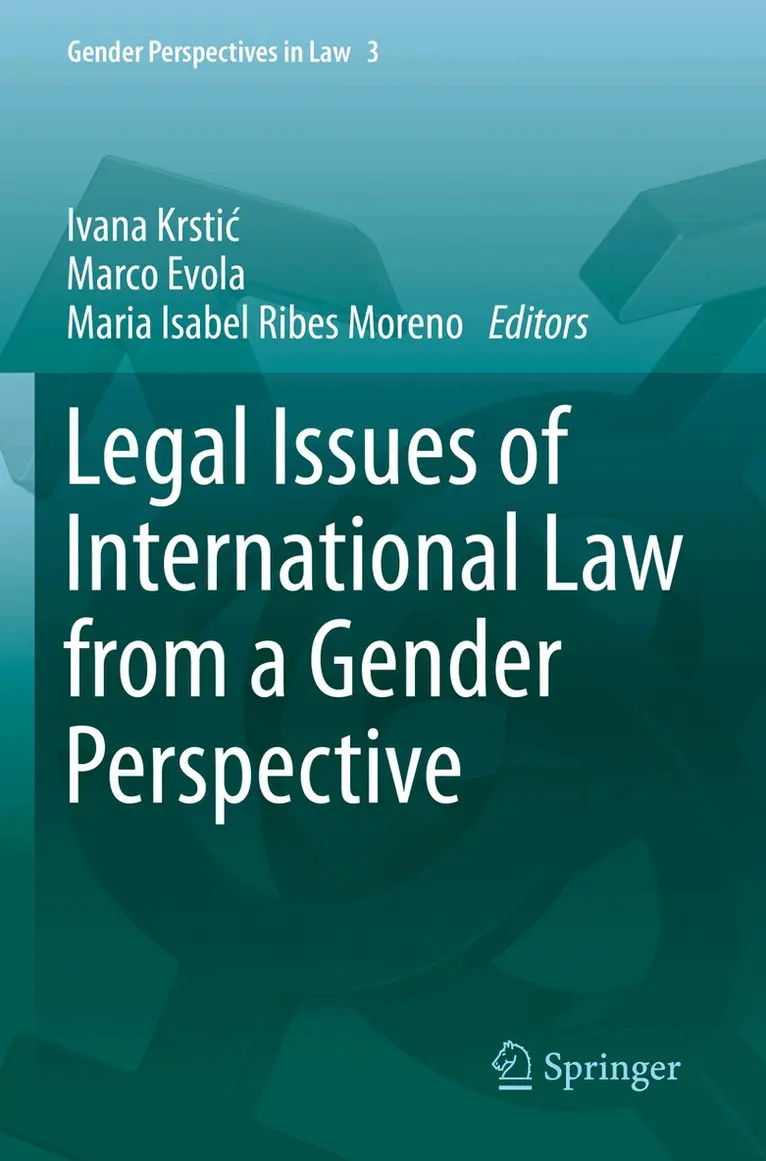
This book offers a new perspective on international law, which was, for centuries, male-dominant and gender-blind. However, this gender blindness has led to many injustices, the failure to recognize certain rights, and to impunity for serious crimes. The book examines the development of gender perspectives in various branches of international law, while also discussing and explaining certain universal standards. However, particular attention is paid to the European human rights system. Accordingly, the book provides detailed explanations of the EU’s external policies in relation to sex, sexual orientation, and gender identity. Also, there is a special focus on the relevant jurisprudence of the European Court of Human Rights in relation to gender and sexual orientation, female reproduction, and sexuality. The authors explain not only the importance of an adequate legal framework for combating gender inequality but also the detrimental effects of deeply rooted gender stereotypes and prejudices. Subsequently, the development of particular branches is presented, such as a gender-sensitive approach to the prevention of war crimes, gender perspectives in refugee law, and the evolution of gender-sensitive environmental law. In addition, the problematic situation of discrimination in the workplace is addressed from various perspectives. Many discussions, especially among EU member states, are reserved for the issue of women’s participation in managerial boards, while the growing awareness of gender equality in international trade agreements represents another interesting topic. Lastly, the book offers a historical perspective on the development of international law in the interwar period, with a particular focus on the situation in Yugoslavia.The book critically reconsiders the dominant molds of legal knowledge and presents innovative gender-sensitive and gender-competent insights on a variety of issues in international law, in order to introduce readers to new research topics relevant to gender equality and to stimulate the development of an international legal and institutional framework for achieving greater gender equality in practice. The collection of essays presented here will be of interest to all those working in the field of international law, as well as students and academics looking to broaden and deepen their research on a range of issues in international law from gender perspectives.
1 753 kr
Skickas inom 10-15 vardagar
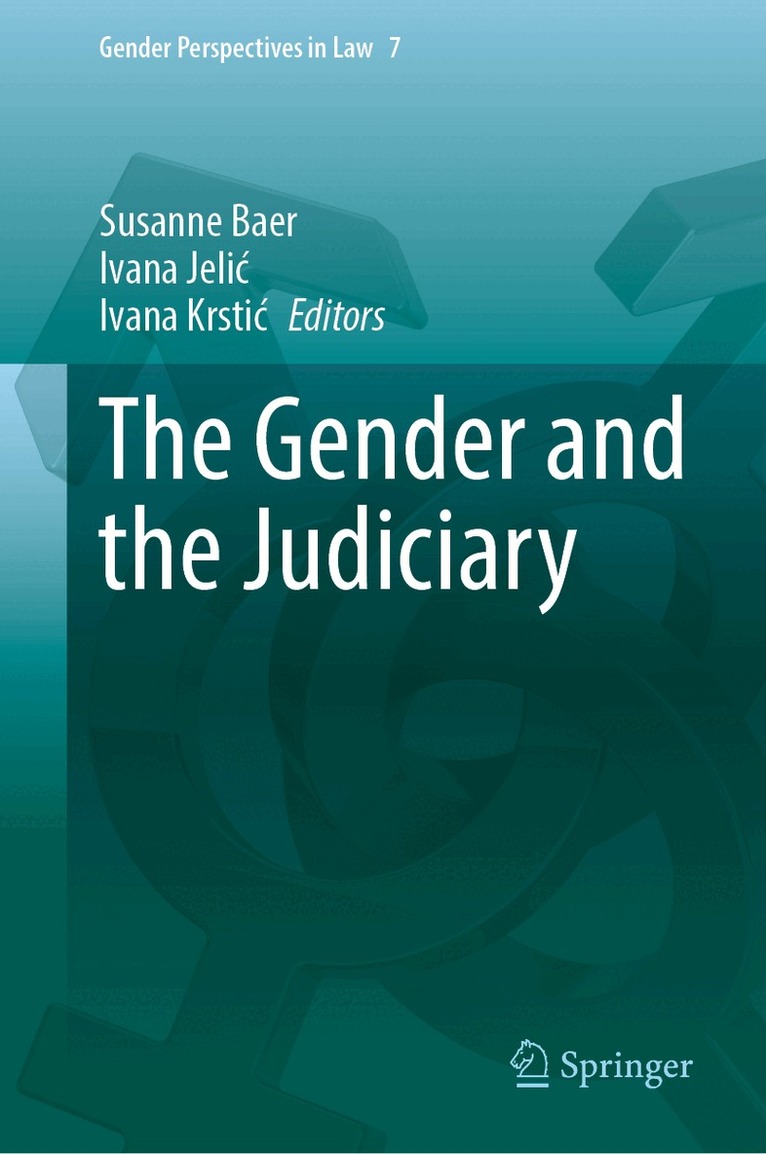
The book underscores the importance of integrating a gender perspective into judicial systems worldwide, revealing how gender sensitivity enhances the legitimacy, equity, and efficacy of the judicial process.The judiciary serves as a cornerstone of democratic societies, upholding principles of fairness, equality, and justice for all. Yet, the effectiveness of the judiciary can be compromised when it fails to reflect and respond to the diverse experiences and needs of those it serves. A gender perspective within the judiciary addresses this challenge by recognizing that laws and judicial decisions impact individuals differently based on gender, and by working to counteract systemic biases that may disadvantage certain groups. The integration of a gender perspective in the judiciary is essential to fostering an equitable, inclusive, and representative justice system. While judicial institutions uphold the principles of fairness and impartiality, they also operate within broader societal frameworks where gender dynamics and biases play significant roles. Across national jurisdictions and international judicial bodies, gender representation in the judiciary remains imbalanced, with women often underrepresented, particularly in higher courts and leadership roles. This disparity reflects and reinforces traditional power structures, limiting the judiciary’s capacity to address the unique experiences and legal needs of all members of society. By incorporating a gender perspective, judicial systems worldwide can better respond to gender-based inequalities and ensure that their practices, policies, and decisions reflect the diverse realities of those they serve.Incorporating a gender perspective within the judiciary supports a more equitable legal system that honors the experiences and rights of all individuals. By improving women’s representation at all levels, facilitating career advancement, and promoting gender-sensitive practices, judicial institutions can better fulfill their mandate of delivering impartial and fair justice. In both national and international contexts, a judiciary that values gender diversity and awareness is better positioned to address the nuances of gender in the law and to uphold the principles of justice in a way that truly reflects and serves society as a whole.