Ivor L. Miller - Böcker
Visar alla böcker från författaren Ivor L. Miller. Handla med fri frakt och snabb leverans.
4 produkter
4 produkter
1 617 kr
Skickas inom 10-15 vardagar
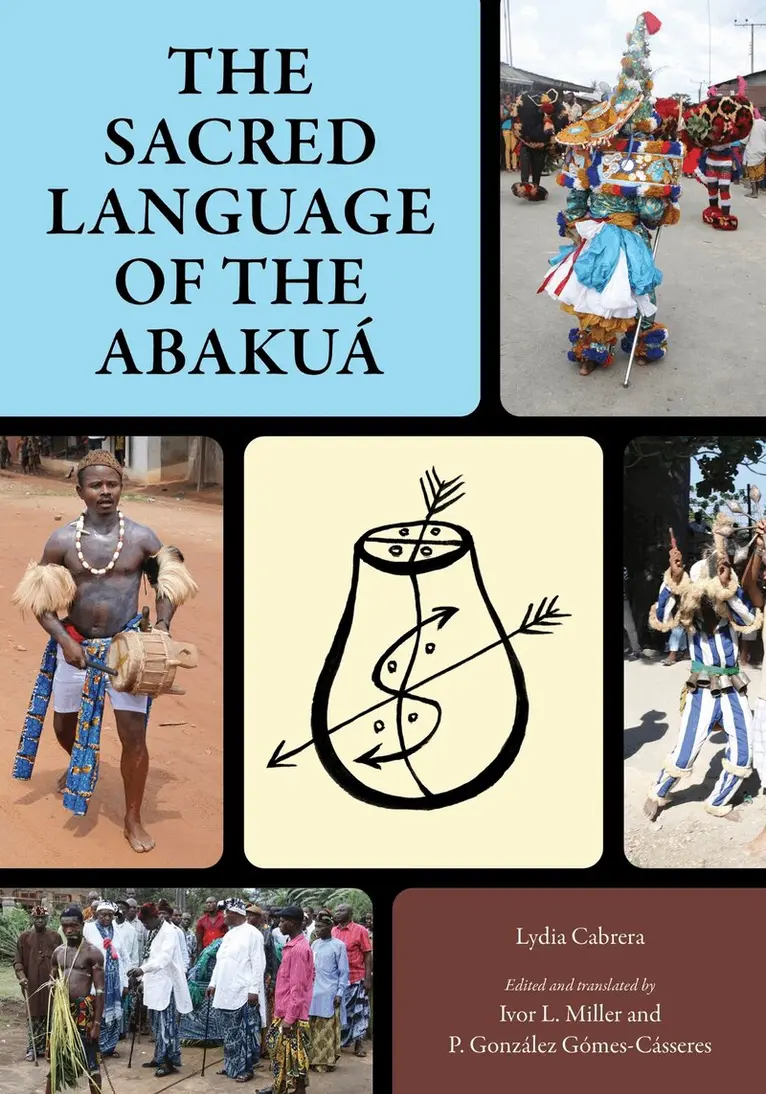
In 1988, Lydia Cabrera (1899–1991) published La lengua sagrada de los Ñáñigos, an Abakuá phrasebook that is to this day the largest work available on any African diaspora community in the Americas. In the early 1800s in Cuba, enslaved Africans from the Cross River region of southeastern Nigeria and southwestern Cameroon created Abakuá societies for protection and mutual aid. Abakuá rites reenact mythic legends of the institution's history in Africa, using dance, chants, drumming, symbolic writing, herbs, domestic animals, and masked performers to represent African ancestors. Criminalized and scorned in the colonial era, Abakuá members were at the same time contributing to the creation of a unique Cuban culture, including rumba music, now considered a national treasure. Translated for the first time into English, Cabrera's lexicon documents phrases vital to the creation of a specific African-derived identity in Cuba and presents the first "insider's" view of this African heritage. This text presents thoroughly researched commentaries that link hundreds of entries to the context of mythic rites, skilled ritual performance, and the influence of Abakuá in Cuban society and popular music. Generously illustrated with photographs and drawings, the volume includes a new introduction to Cabrera's writing as well as appendices that situate this important work in Cuba's history.With the help of living Abakuá specialists in Cuba and the US, Ivor L. Miller and P. González Gómes-Cásseres have translated Cabrera's Spanish into English for the first time while keeping her meanings and cultivated style intact, opening this seminal work to new audiences and propelling its legacy in African diaspora studies.
584 kr
Skickas inom 10-15 vardagar
In 1988, Lydia Cabrera (1899–1991) published La lengua sagrada de los Ñáñigos, an Abakuá phrasebook that is to this day the largest work available on any African diaspora community in the Americas. In the early 1800s in Cuba, enslaved Africans from the Cross River region of southeastern Nigeria and southwestern Cameroon created Abakuá societies for protection and mutual aid. Abakuá rites reenact mythic legends of the institution's history in Africa, using dance, chants, drumming, symbolic writing, herbs, domestic animals, and masked performers to represent African ancestors. Criminalized and scorned in the colonial era, Abakuá members were at the same time contributing to the creation of a unique Cuban culture, including rumba music, now considered a national treasure. Translated for the first time into English, Cabrera's lexicon documents phrases vital to the creation of a specific African-derived identity in Cuba and presents the first "insider's" view of this African heritage. This text presents thoroughly researched commentaries that link hundreds of entries to the context of mythic rites, skilled ritual performance, and the influence of Abakuá in Cuban society and popular music. Generously illustrated with photographs and drawings, the volume includes a new introduction to Cabrera's writing as well as appendices that situate this important work in Cuba's history.With the help of living Abakuá specialists in Cuba and the US, Ivor L. Miller and P. González Gómes-Cásseres have translated Cabrera's Spanish into English for the first time while keeping her meanings and cultivated style intact, opening this seminal work to new audiences and propelling its legacy in African diaspora studies.
433 kr
Skickas inom 10-15 vardagar
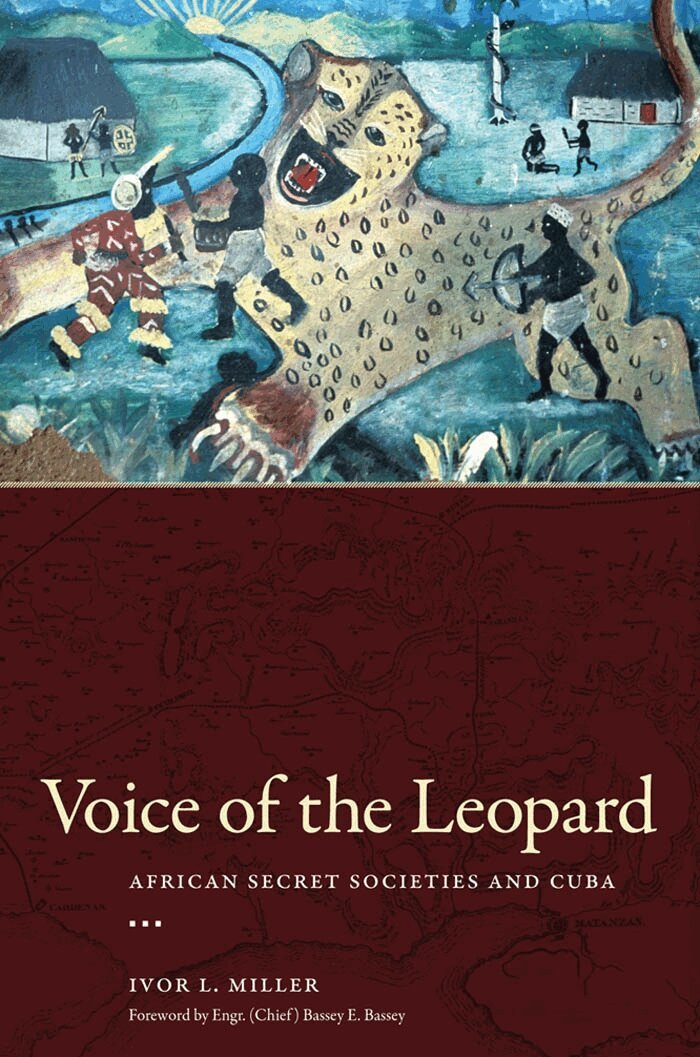
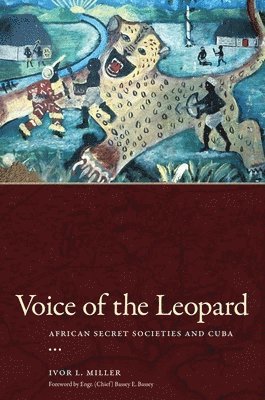
In Voice of the Leopard: African Secret Societies and Cuba, Ivor L. Miller shows how African migrants and their political fraternities played a formative role in the history of Cuba. During the eighteenth and nineteenth centuries, no large kingdoms controlled Nigeria and Cameroon's multilingual Cross River basin. Instead, each settlement had its own lodge of the initiation society called Ékpè, or ""leopard,"" which was the highest indigenous authority. Ékpè lodges ruled local communities while also managing regional and long-distance trade. Cross River Africans, enslaved and forcibly brought to colonial Cuba, reorganized their Ékpè clubs covertly in Havana and Matanzas into a mutual-aid society called Abakuá, which became foundational to Cuba's urban life and music.Miller's extensive fieldwork in Cuba and West Africa documents ritual languages and practices that survived the Middle Passage and evolved into a unifying charter for transplanted slaves and their successors. To gain deeper understanding of the material, Miller underwent Ékpè initiation rites in Nigeria after ten years' collaboration with Abakuá initiates in Cuba and the United States. He argues that Cuban music, art, and even politics rely on complexities of these African-inspired codes of conduct and leadership. Voice of the Leopard is an unprecedented tracing of an African title-society to its Caribbean incarnation, which has deeply influenced Cuba's creative energy and popular consciousness.This book is sponsored by a grant from the InterAmericas(r)/Society of Arts and Letters of the Americas, a program of the Reed Foundation.
488 kr
Skickas inom 10-15 vardagar
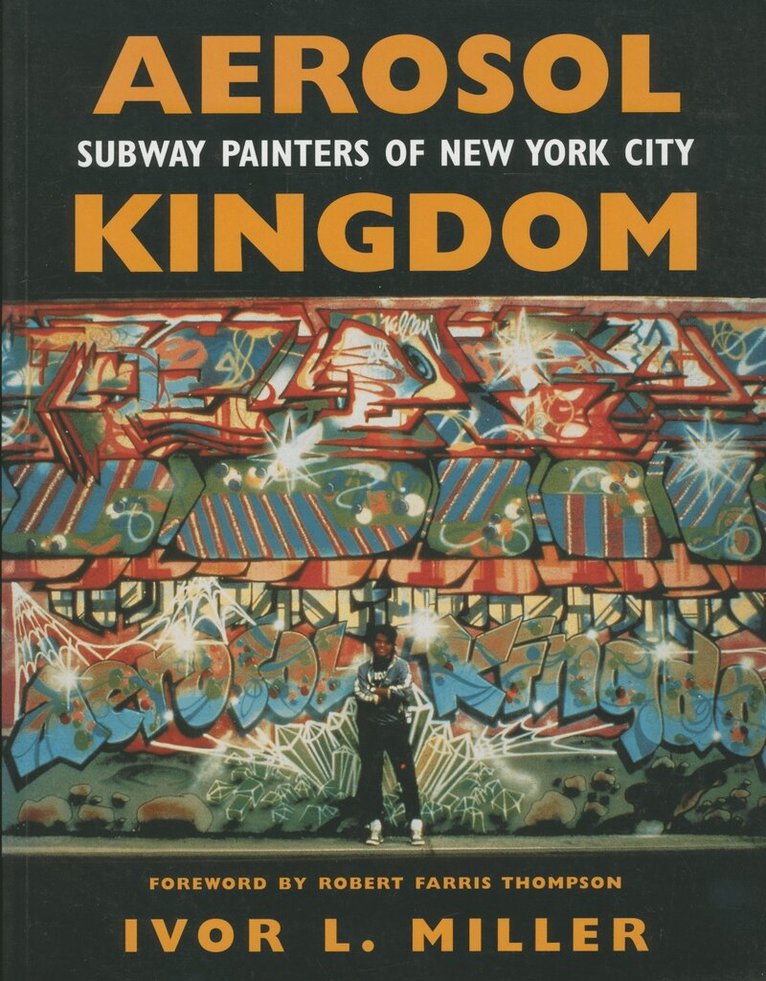
Hailed as the seminal study of spray can art of the 1970s and 1980s, Aerosol Kingdom explores the origins and aesthetics of graffiti writings. From a vast array of inherited traditions and gritty urban lifestyles talented and renegade young New Yorkers spawned a culture of their own, a balloon-lettered shout heralding the coming of hip-hop. Though helpless in checking its spreading appeal, city fathers immediately went on the attack and denounced it as vandalism. Many aficionados, however, recognized its trendy aesthetic immediately. By the 1980s spray-paint art hit the mainstream, and subway painters, mostly from marginal barrios of the city, became art world darlings. Their proliferating, ephemeral art was spotlighted in downtown galleries, in the media, and thereafter throughout the land. Not only did the practice of ""public signaturing"" take over New York City, but also, as the images moved through the neighborhoods on the subway cars, it also grabbed hold in the suburbs. Soon it stirred worldwide imitation and helped spark the hip-hop revolution. As the artists wielded their spray cans, they expressed their acute social consciousness. Aerosol Kingdom documents their careers and records the reflections of key figures in the movement. It examines converging forces that made aerosol art possible--the immigration of Caribbean peoples, the reinforcing presence of black American working-class styles and fashions, the effects of advertising on children, the mass marketing of spray cans, and the popular protests of the 1960s and 1970s against racism, sexism, classism, and war. The creative period of the movement lasted for over twenty years, but most of the original works have vanished. Official cleanup of public sites erased great pieces of the heyday. They exist now only in photographs, in the artists' sketchbooks, and now in Aerosol Kingdom.