J. Griffith Rollefson - Böcker
Visar alla böcker från författaren J. Griffith Rollefson. Handla med fri frakt och snabb leverans.
4 produkter
4 produkter
809 kr
Skickas inom 7-10 vardagar
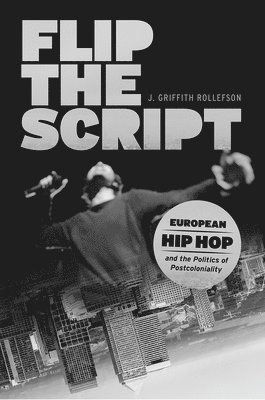
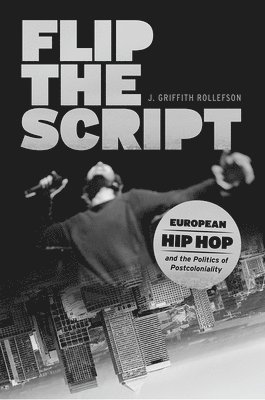
Hip hop has long been a vehicle for protest in the United States, used by its primarily African American creators to address issues of prejudice, repression, and exclusion. But the music is now a worldwide phenomenon, and outside the United States it has been taken up by those facing similar struggles. Flip the Script offers a close look at the role of hip hop in Europe, where it has become a politically powerful and commercially successful form of expression for the children and grandchildren of immigrants from former colonies. Through analysis of recorded music and other media, as well as interviews and fieldwork with hip hop communities, J. Griffith Rollefson shows how this music created by black Americans is deployed by Senegalese Parisians, Turkish Berliners, and South Asian Londoners to both differentiate themselves from and relate themselves to the dominant culture. By listening closely to the ways these postcolonial citizens in Europe express their solidarity with African Americans through music, Rollefson shows, we can literally hear the hybrid realities of a global double consciousness.
267 kr
Skickas inom 7-10 vardagar
Hip hop has long been a vehicle for protest in the United States, used by its primarily African American creators to address issues of prejudice, repression, and exclusion. But the music is now a worldwide phenomenon, and outside the United States it has been taken up by those facing similar struggles. Flip the Script offers a close look at the role of hip hop in Europe, where it has become a politically powerful and commercially successful form of expression for the children and grandchildren of immigrants from former colonies. Through analysis of recorded music and other media, as well as interviews and fieldwork with hip hop communities, J. Griffith Rollefson shows how this music created by black Americans is deployed by Senegalese Parisians, Turkish Berliners, and South Asian Londoners to both differentiate themselves from and relate themselves to the dominant culture. By listening closely to the ways these postcolonial citizens in Europe express their solidarity with African Americans through music, Rollefson shows, we can literally hear the hybrid realities of a global double consciousness.
313 kr
Skickas inom 7-10 vardagar
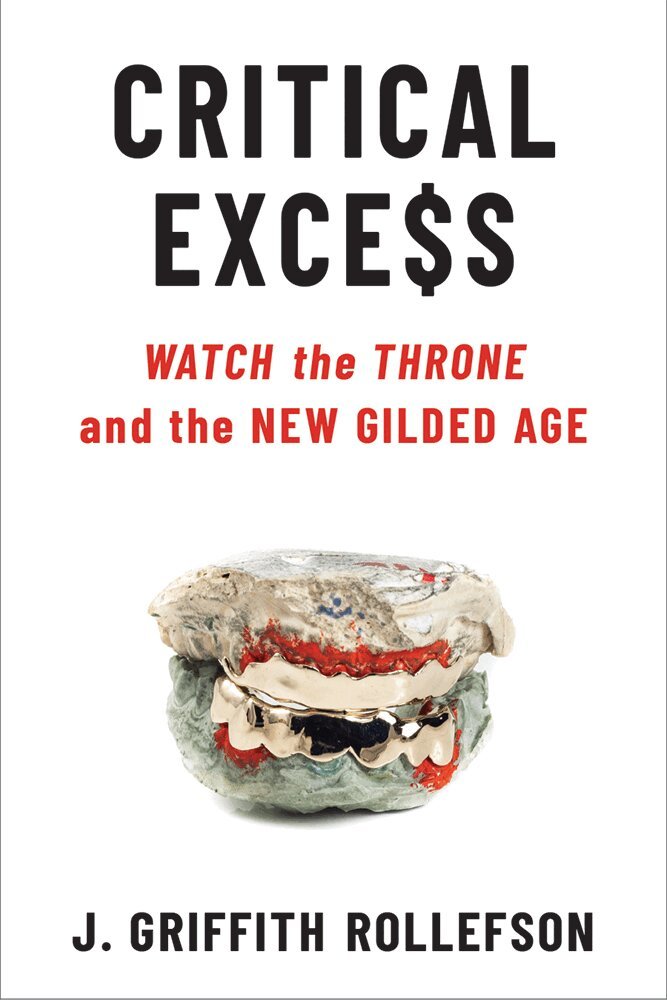
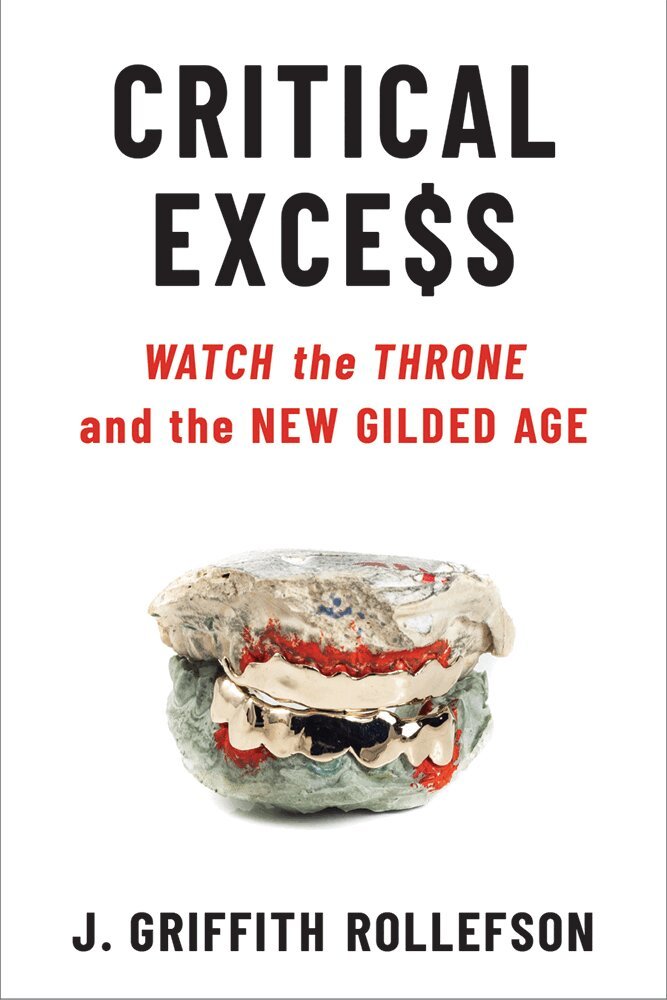
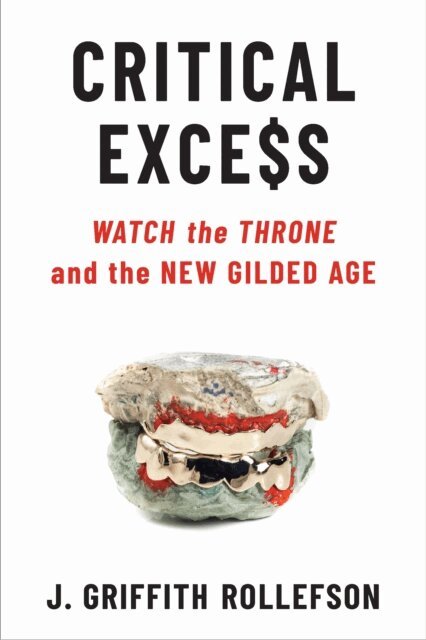
Jay-Z and Kanye West’s 2011 Watch the Throne is a self-avowed “luxury rap” album centered on Eurocentric conceptions of nobility, artistry, and haute couture. Critical Excess performs a close reading of the sonic and social commentary on this album, examining how the album alternately imagines and critiques the mutually reinforcing ideas of Europe, nobility, old money, art, and their standard bearer, whiteness. Reading the album alongside Black critical theory and work on the prophetic nature of music, Rollefson argues that through their performance of black excellence, opulence, and decadence, Jay-Z and Kanye West poured gas on the white resentment of the Obama presidency—a resentment that would ultimately spill over into public life, make audible the dog whistling of the Far Right, and embolden white supremacists to come out from under their rocks. Ultimately, Rollefson argues, Jay-Z and Kanye West’s performance of what Rollefson calls “critical excess” on this hip hop album exceeds the limits of conspicuous consumption and heralds the final stage of late capitalism—“the New Gilded Age.”
1 023 kr
Skickas inom 7-10 vardagar
Jay-Z and Kanye West’s 2011 Watch the Throne is a self-avowed “luxury rap” album centered on Eurocentric conceptions of nobility, artistry, and haute couture. Critical Excess performs a close reading of the sonic and social commentary on this album, examining how the album alternately imagines and critiques the mutually reinforcing ideas of Europe, nobility, old money, art, and their standard bearer, whiteness. Reading the album alongside Black critical theory and work on the prophetic nature of music, Rollefson argues that through their performance of black excellence, opulence, and decadence, Jay-Z and Kanye West poured gas on the white resentment of the Obama presidency—a resentment that would ultimately spill over into public life, make audible the dog whistling of the Far Right, and embolden white supremacists to come out from under their rocks. Ultimately, Rollefson argues, Jay-Z and Kanye West’s performance of what Rollefson calls “critical excess” on this hip hop album exceeds the limits of conspicuous consumption and heralds the final stage of late capitalism—“the New Gilded Age.”