J. Kellenberger – författare
Visar alla böcker från författaren J. Kellenberger. Handla med fri frakt och snabb leverans.
11 produkter
Kierkegaard and Nietzsche
Faith and Eternal Acceptance
E-bok, 1997
1550 kr
Lägg i varukorg
This book examines the thinking of two nineteenth-century existentialist thinkers, Soren Kierkegaard and Friedrich Nietzsche. Its focus is on the radically different ways they envisioned a joyful acceptance of life - a concern they shared. For Kierkegaard, in Fear and Trembling, joyful acceptance …
Kierkegaard and Nietzsche
Faith and Eternal Acceptance
Inbunden, 1997
1095 kr
Lägg i varukorg
This book examines the thinking of two nineteenth-century existentialist thinkers, Soren Kierkegaard and Friedrich Nietzsche. Its focus is on the radically different ways they envisioned a joyful acceptance of life - a concern they shared. For Kierkegaard, in Fear and Trembling, joyful acceptance …
Moral Relativism
A Dialogue
Häftad, 2008
303 kr
Lägg i varukorg
One in the series New Dialogues in Philosophy, edited by Dale Jacquette, J. Kellenberger brings together a group of hypothetical individuals from different backgrounds with real philosophical views to discuss their ideas on morality and moral relativism. What emerges from their numerous discussions …
Moral Relativism
A Dialogue
E-bok, 2008
328 kr
Lägg i varukorg
One in the series New Dialogues in Philosophy , edited by Dale Jacquette, J. Kellenberger brings together a group of hypothetical individuals from different backgrounds with real philosophical views to discuss their ideas on morality and moral relativism. What emerges from their numerous …
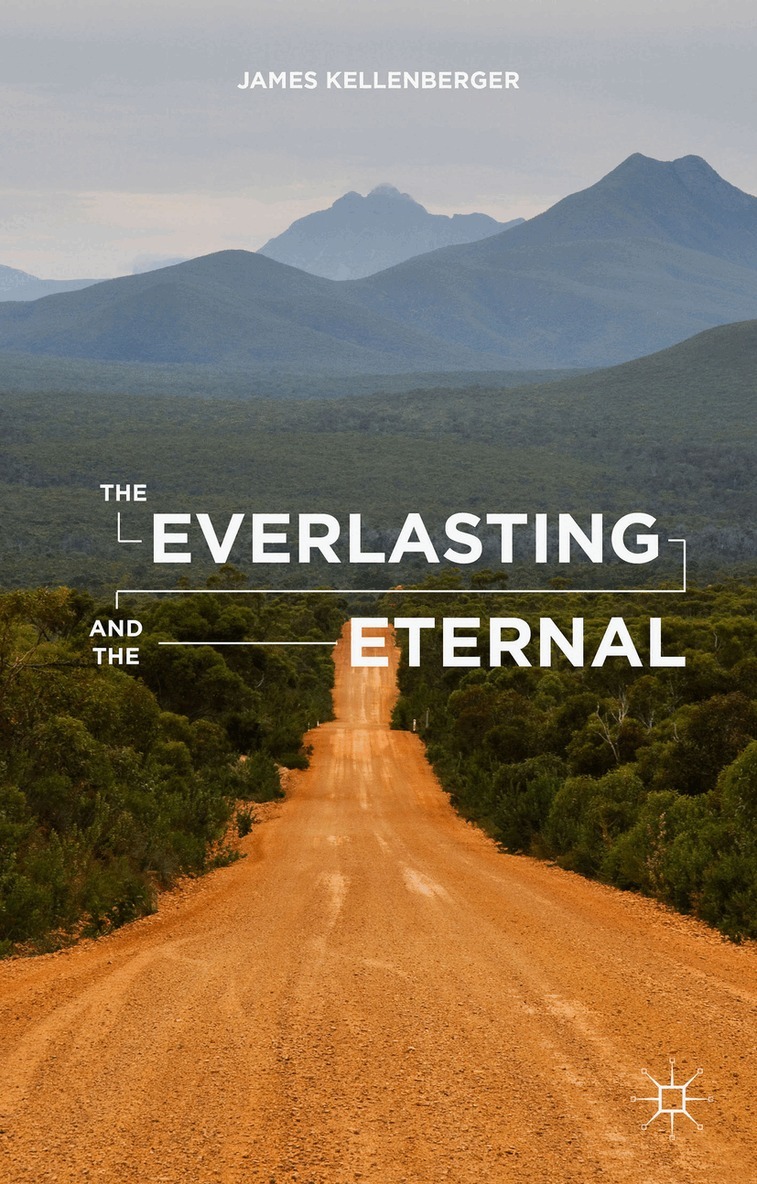
Everlasting and the Eternal
Inbunden, 2015
551 kr
Lägg i varukorg
The subject of this book is the relationship and the difference between the temporal everlasting and the atemporal eternal. This book treats the difference between a temporal postmortem life and eternal life. It identifies the conceptual tension in the religious idea of eternal life and offers a …
Everlasting and the Eternal
E-bok, 2015
779 kr
Lägg i varukorg
The subject of this book is the relationship and the difference between the temporal everlasting and the atemporal eternal. This book treats the difference between a temporal postmortem life and eternal life. It identifies the conceptual tension in the religious idea of eternal life and offers a …
Inter-Religious Models and Criteria
E-bok, 2016
779 kr
Lägg i varukorg
This book is a collection of papers presented and discussed at the 1992 Claremont Conference. Its contributing authors come from various disciplines that share a concern with models and criteria for inter-religious understanding, including religious studies, philosophy of religion, theology, …
Inter-Religious Models and Criteria
Häftad, 1993
551 kr
Lägg i varukorg
This book is a collection of papers presented and discussed at the 1992 Claremont Conference. Its contributing authors come from various disciplines that share a concern with models and criteria for inter-religious understanding, including religious studies, philosophy of religion, theology, …