J. Kulas - Böcker
Visar alla böcker från författaren J. Kulas. Handla med fri frakt och snabb leverans.
4 produkter
4 produkter
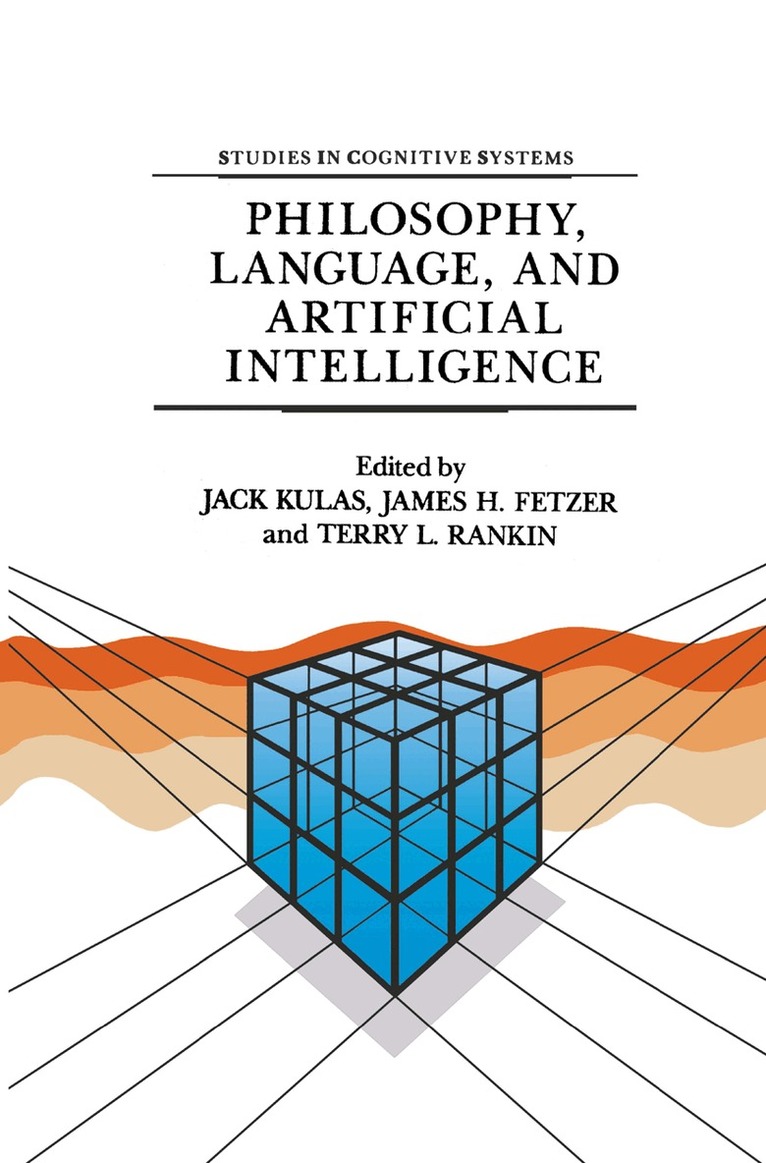
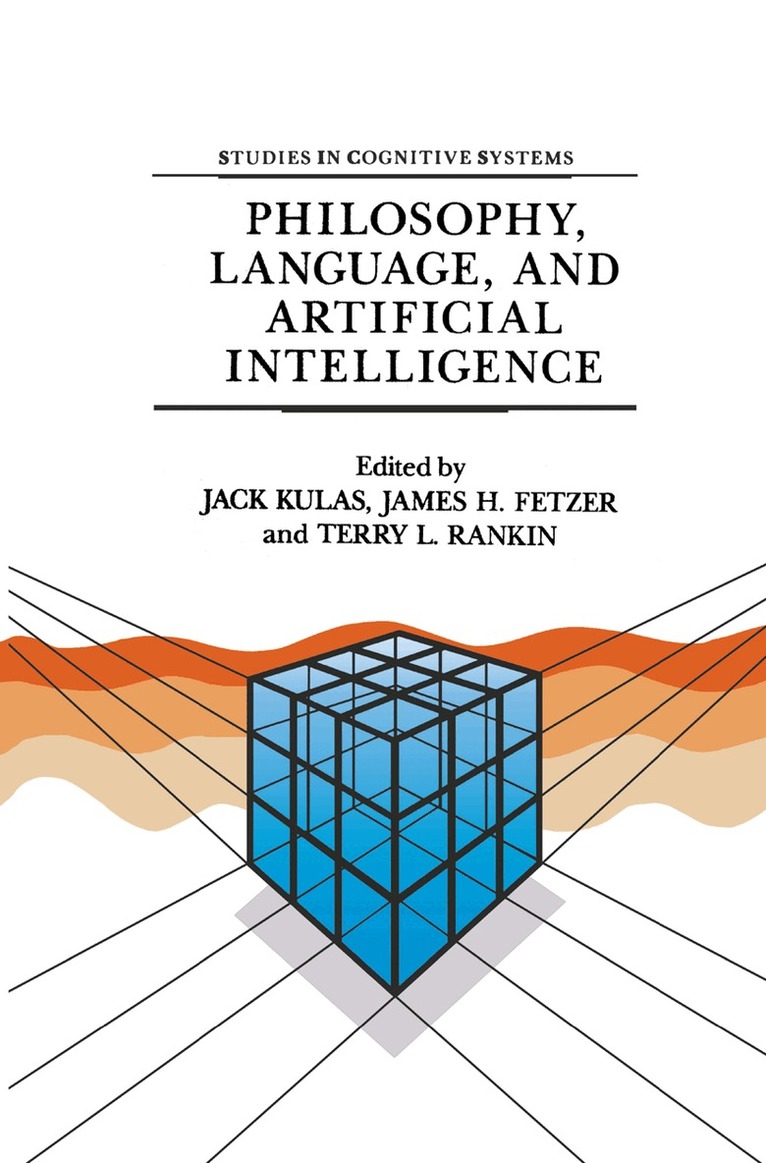
Philosophy, Language, and Artificial Intelligence
Resources for Processing Natural Language
Häftad, Engelska, 1988
3 532 kr
Skickas inom 10-15 vardagar
This series will include monographs and collections of studies devoted to the investigation and exploration of knowledge, information and data-processing systems of all kinds, no matter whether human, (other) animal or machine. Its scope is intended to span the full range of interests from classical problems in the philosophy of mind and phi losophical psychology through issues in cognitive psychology and socio biology (concerning the mental capabilities of other species) to ideas related to artificial intelligence and computer science. While primary emphasis will be placed upon theoretical, conceptual and epistemologi cal aspects of these problems and domains, empirical, experimental and methodological studies will also appear from time to time. Among the most challenging and difficult projects within the scope of artificial intelligence is the development and implementation of com puter programs suitable for processing natural language. Our purpose in compiling the present volume has been to contribute to the foundations of this enterprise by bringing together classic papers devoted to crucial problems involved in understanding natural language, which range from issues of formal syntax and logical form to those of possible-worlds and situation semantics. The book begins with a comprehensive introduc tion composed by Jack Kulas, the senior editor of this work, which pro vides a systematic orientation to this complex field, and ends with a selected bibliography intended to promote further research. If our efforts assist others in dealing with these problems, they will have been worthwhile. J. H. F.
Del 26 - Studies in Linguistics and Philosophy
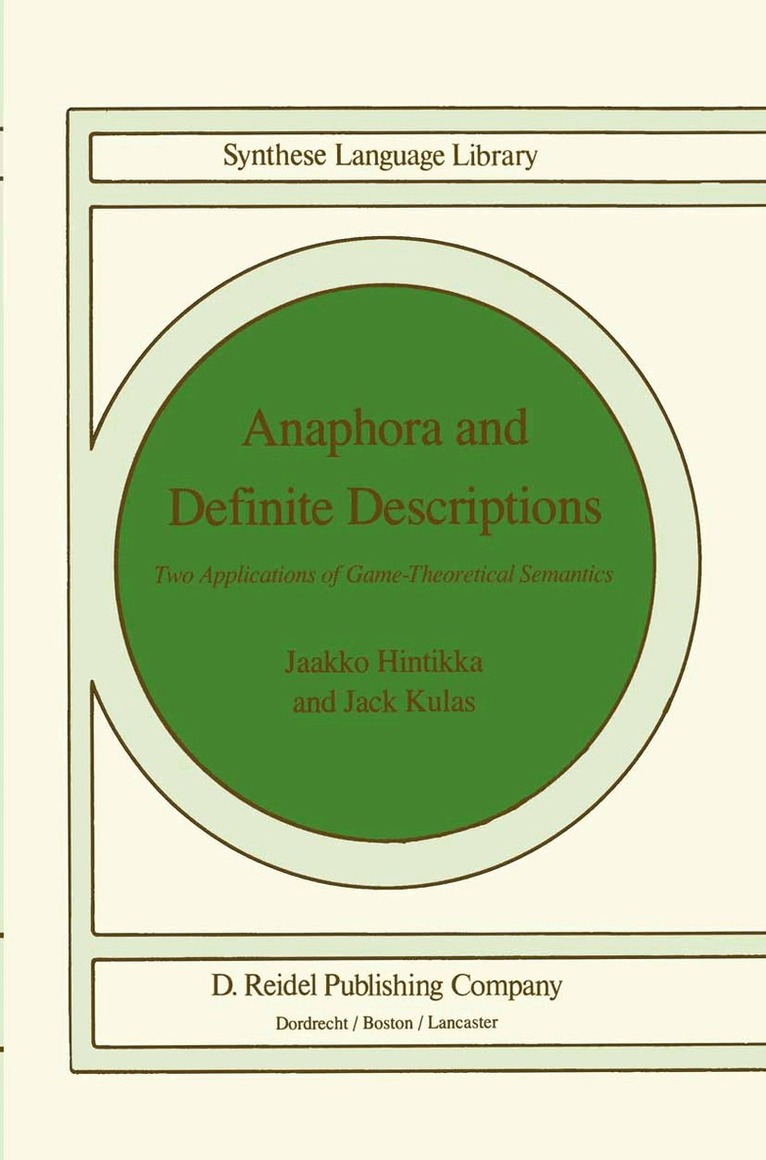
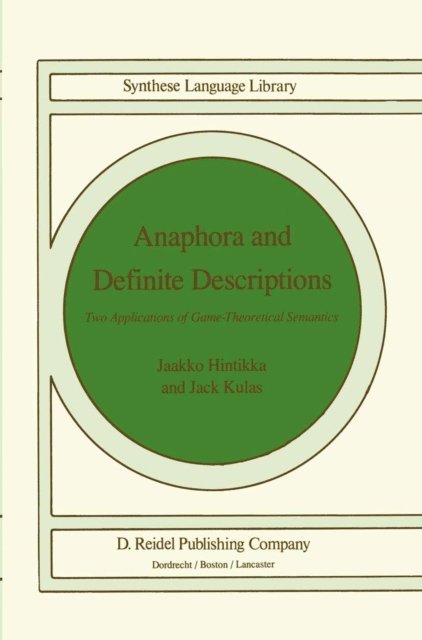
Anaphora and Definite Descriptions
Two Applications of Game-Theoretical Semantics
Inbunden, Engelska, 1985
1 096 kr
Skickas inom 10-15 vardagar
I n order to appreciate properly what we are doing in this book it is necessary to realize that our approach to linguistic theorizing differs from the prevailing views. Our approach can be described by indicating what distinguishes it from the methodological ideas current in theoretical linguistics, which I consider seriously misguided. Linguists typically construe their task in these days as that of making exceptionless generalizations from particular examples. This explanatory strategy is wrong in several different ways. It presupposes that we can have "intuitions" about particular examples, usually examples invented by the linguist himself or herself, reliable and sharp enough to serve as a basis of sharp generalizations. It also presupposes that we cannot have equally reliable direct access to general linguistic regularities. Both assumptions appear to me extremely dubious, and the first of them has in effect been challenged by linguists like Dwight Bol inger. There is also some evidence that the degree of unanimity among linguists is fairly low when it comes to less clear cases, even in connection with such relatively simple questions as grammaticality (acceptability). For this reason we have tried to rely more on quotations from contemporary fiction, newspapers and magazines than on linguists' and philosophers' ad hoc examples. I also find it strange that some of the same linguists as believe that we all possess innate ideas about general characteristics of humanly possible grammars assume that we can have access to them only via their particular consequences.
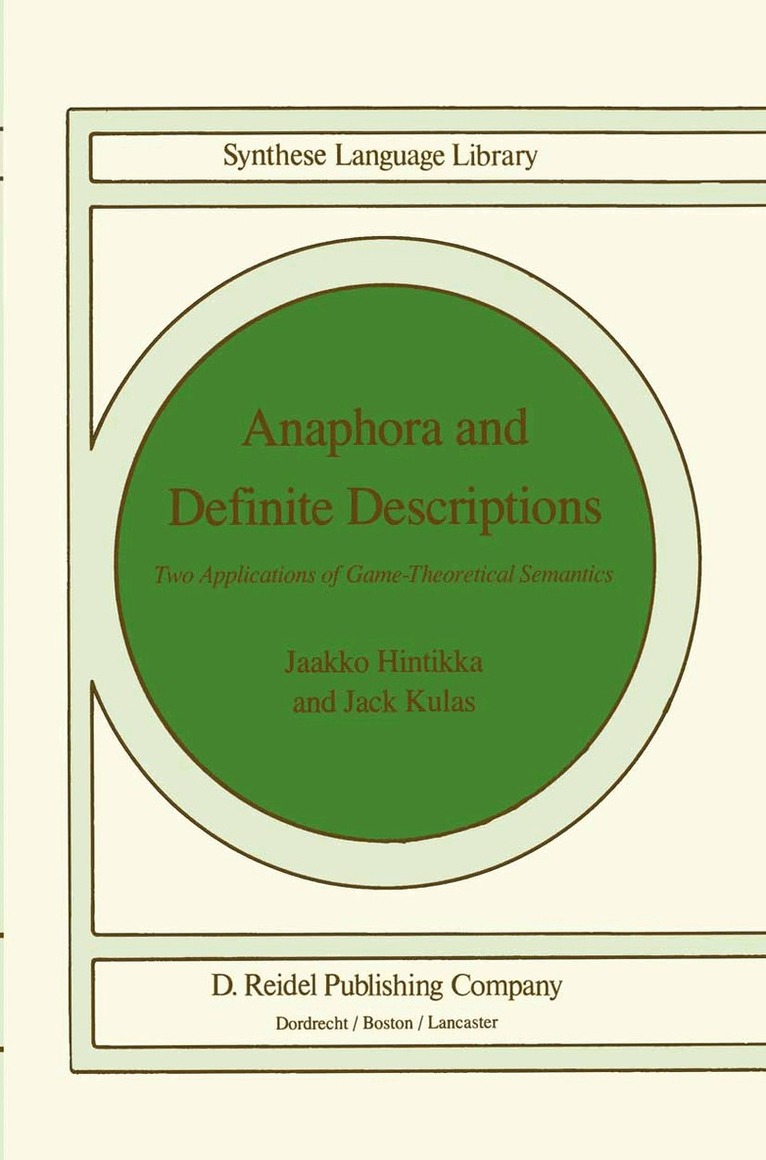
Anaphora and Definite Descriptions
Two Applications of Game-Theoretical Semantics
Häftad, Engelska, 1985
1 096 kr
Skickas inom 10-15 vardagar
I n order to appreciate properly what we are doing in this book it is necessary to realize that our approach to linguistic theorizing differs from the prevailing views. Our approach can be described by indicating what distinguishes it from the methodological ideas current in theoretical linguistics, which I consider seriously misguided. Linguists typically construe their task in these days as that of making exceptionless generalizations from particular examples. This explanatory strategy is wrong in several different ways. It presupposes that we can have "intuitions" about particular examples, usually examples invented by the linguist himself or herself, reliable and sharp enough to serve as a basis of sharp generalizations. It also presupposes that we cannot have equally reliable direct access to general linguistic regularities. Both assumptions appear to me extremely dubious, and the first of them has in effect been challenged by linguists like Dwight Bol inger. There is also some evidence that the degree of unanimity among linguists is fairly low when it comes to less clear cases, even in connection with such relatively simple questions as grammaticality (acceptability). For this reason we have tried to rely more on quotations from contemporary fiction, newspapers and magazines than on linguists' and philosophers' ad hoc examples. I also find it strange that some of the same linguists as believe that we all possess innate ideas about general characteristics of humanly possible grammars assume that we can have access to them only via their particular consequences.
Philosophy, Language, and Artificial Intelligence
Resources for Processing Natural Language
Häftad, Engelska, 2011
2 164 kr
Skickas inom 10-15 vardagar
This series will include monographs and collections of studies devoted to the investigation and exploration of knowledge, information and data-processing systems of all kinds, no matter whether human, (other) animal or machine. Its scope is intended to span the full range of interests from classical problems in the philosophy of mind and phi losophical psychology through issues in cognitive psychology and socio biology (concerning the mental capabilities of other species) to ideas related to artificial intelligence and computer science. While primary emphasis will be placed upon theoretical, conceptual and epistemologi cal aspects of these problems and domains, empirical, experimental and methodological studies will also appear from time to time. Among the most challenging and difficult projects within the scope of artificial intelligence is the development and implementation of com puter programs suitable for processing natural language. Our purpose in compiling the present volume has been to contribute to the foundations of this enterprise by bringing together classic papers devoted to crucial problems involved in understanding natural language, which range from issues of formal syntax and logical form to those of possible-worlds and situation semantics. The book begins with a comprehensive introduc tion composed by Jack Kulas, the senior editor of this work, which pro vides a systematic orientation to this complex field, and ends with a selected bibliography intended to promote further research. If our efforts assist others in dealing with these problems, they will have been worthwhile. J. H. F.