J. Neil Cape - Böcker
Visar alla böcker från författaren J. Neil Cape. Handla med fri frakt och snabb leverans.
3 produkter
3 produkter
1 588 kr
Skickas inom 10-15 vardagar
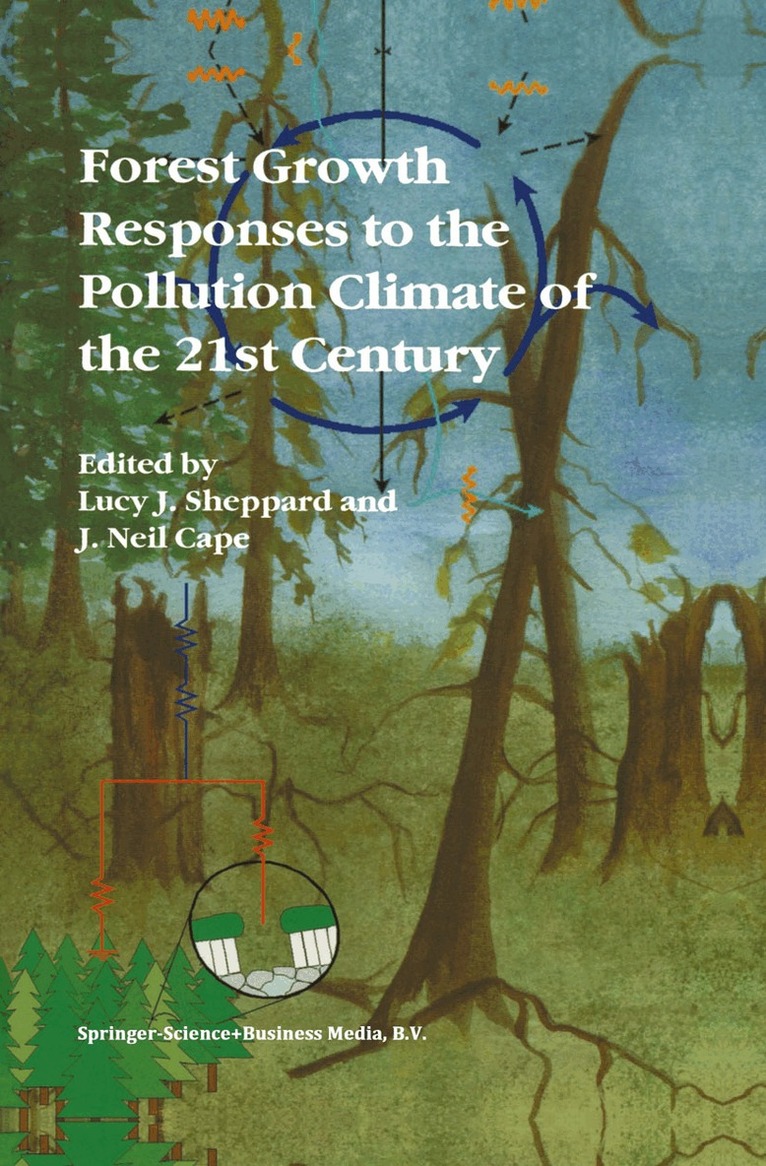
These proceedings consist of papers presented at the 18th IUFRO workshop on Air Pollution Stress, Forest Growth Responses to the Pollution Climate of the 21st Century, held in Edinburgh in September 1998. Papers in this book include authoritative reviews and experimental evidence on forest growth responses in Europe and North America to the dominant components of air pollution, nitrogen and ozone, and their interactions with environmental influences. Nitrogen effects include growth, nutrition, biochemical root mycorrhizal, pathogenic fungi, trace gas fluxes and soil chemical responses. Effects of gaseous pollutants, O3, SO2 and O3/CO2 interactions are discussed for visible injury, growth and biochemical changes. The role and methods of monitoring forest health are discussed along with the value of bioindicators. This book is primarily for people who want a better understanding of how and why forests respond to air pollution, and the implications for the stability of forest ecosystems.
1 588 kr
Skickas inom 10-15 vardagar
Plant leaves are covered by a thin, lipoidal, non-living membrane called the cuticle. The book provides a comprehensive review of air pollutant effects on the cuticle and covers the following thematic areas: - Cuticular physicochemical characteristics, physiological, regulatory, and protective roles.
1 588 kr
Skickas inom 10-15 vardagar
These proceedings consist of papers presented at the 18th IUFRO workshop on Forest Growth Responses to the Pollution Climate of the 21st Century, held in Edinburgh in September 1998. Included are authoritative reviews and experimental evidence of forest growth responses in Europe and North America to the dominant components of air pollution, namely nitrogen and ozone, and their interactions with environmental influences. Nitrogen effects include changes in tree growth, nutrient status and biochemistry. Responses of root mycorrhiza and pathogenic fungi, and changes in trace gas fluxes and soil chemistry are also covered. Effects of the gaseous pollutants, O3, SO2 and O3/CO2 interactions, are discussed in terms of visible injury and biochemical changes. The role and methods of forest health monitoring programmes and the use of bioindicators are evaluated. This book is primarily for people who want a better understanding of how and why forests respond to air pollution, and the implications for the stability of forest ecosystems.