Lucy J. Sheppard - Böcker
Visar alla böcker från författaren Lucy J. Sheppard. Handla med fri frakt och snabb leverans.
4 produkter
4 produkter
1 588 kr
Skickas inom 10-15 vardagar
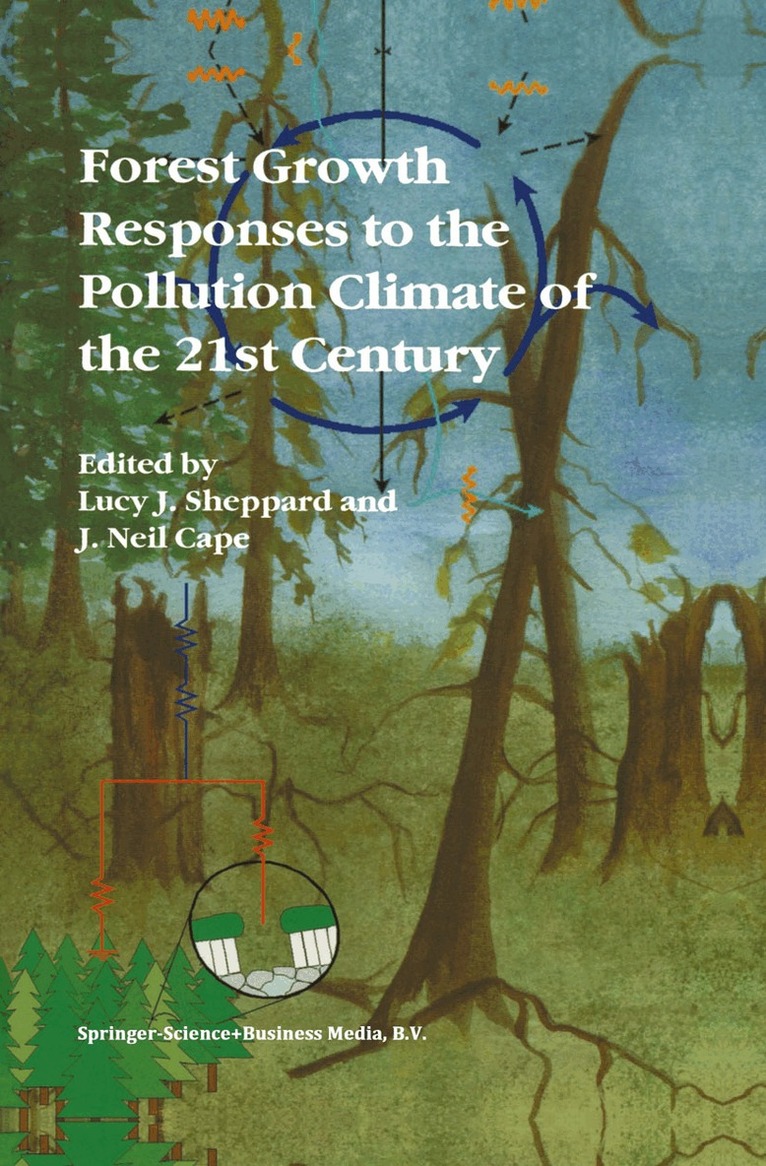
These proceedings consist of papers presented at the 18th IUFRO workshop on Air Pollution Stress, Forest Growth Responses to the Pollution Climate of the 21st Century, held in Edinburgh in September 1998. Papers in this book include authoritative reviews and experimental evidence on forest growth responses in Europe and North America to the dominant components of air pollution, nitrogen and ozone, and their interactions with environmental influences. Nitrogen effects include growth, nutrition, biochemical root mycorrhizal, pathogenic fungi, trace gas fluxes and soil chemical responses. Effects of gaseous pollutants, O3, SO2 and O3/CO2 interactions are discussed for visible injury, growth and biochemical changes. The role and methods of monitoring forest health are discussed along with the value of bioindicators. This book is primarily for people who want a better understanding of how and why forests respond to air pollution, and the implications for the stability of forest ecosystems.
1 588 kr
Skickas inom 10-15 vardagar
These proceedings consist of papers presented at the 18th IUFRO workshop on Forest Growth Responses to the Pollution Climate of the 21st Century, held in Edinburgh in September 1998. Included are authoritative reviews and experimental evidence of forest growth responses in Europe and North America to the dominant components of air pollution, namely nitrogen and ozone, and their interactions with environmental influences. Nitrogen effects include changes in tree growth, nutrient status and biochemistry. Responses of root mycorrhiza and pathogenic fungi, and changes in trace gas fluxes and soil chemistry are also covered. Effects of the gaseous pollutants, O3, SO2 and O3/CO2 interactions, are discussed in terms of visible injury and biochemical changes. The role and methods of forest health monitoring programmes and the use of bioindicators are evaluated. This book is primarily for people who want a better understanding of how and why forests respond to air pollution, and the implications for the stability of forest ecosystems.
1 588 kr
Skickas inom 10-15 vardagar
This volume brings together extended reviews and papers of new scientific research on atmospheric nitrogen deposition impacts globally.
1 588 kr
Skickas inom 10-15 vardagar
This volume brings together extended reviews and papers of new scientific research on atmospheric nitrogen deposition impacts globally. While there is a wealth of evidence on the magnitude, components and effects of nitrogen disposition on floral biodiversity in Europe and North America, there is an obvious lack of information on impacts on above- and below-ground fauna, and all impacts in other parts of the world, with no clear overview of how the different strands of evidence fit together. This overall synthesis is targeted at the international conventions, but is equally readable for scientists, environmental managers, conservation agencies and policy makers. 'This timely book highlights the global nitrogen deposition problem. Major regions of the world are exceeding sustainability thresholds for adverse effects on ecosystem function and biodiversity. This highlights the importance of ongoing work, including under the Convention on Biological Diversity, in developing indicators and monitoring nitrogen deposition effects to enable appropriate measures. This book presents a milestone towards this global goal as the international community works toward meeting the Aichi Biodiversity Targets, especially Target 8: "By 2020, pollution, including from excess nutrients, has been brought to levels that are not detrimental to ecosystem function and biodiversity". Braulio Ferreira de Souza Dias, Executive Secretary, Convention on Biological Diversity “This key volume highlights the global challenge to reduce atmospheric nitrogen pollution resulting from energy production, transport and agricultural activities. It takes forward the agenda recently launched in the UNEP commissioned report ‘Our Nutrient World”. Dr. Anjan Datta, UNEP.