
J.A. Laybourn-Parry – författare
Visar alla böcker från författaren J.A. Laybourn-Parry. Handla med fri frakt och snabb leverans.
2 produkter
2 produkter
2 117 kr
Skickas inom 10-15 vardagar
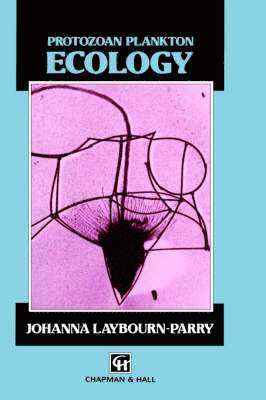
This text looks at the biology, temporal and spatial distribution patterns and the functional role of planktonic protozoa in fresh, brackish and marine waters. In recent years the importance of these organisms in ecological processes such as the flow of energy and the biogeochemical cycling of carbon, nitrogen and phosphorus in planktonic systems has become widely appreciated.
1 062 kr
Skickas inom 10-15 vardagar
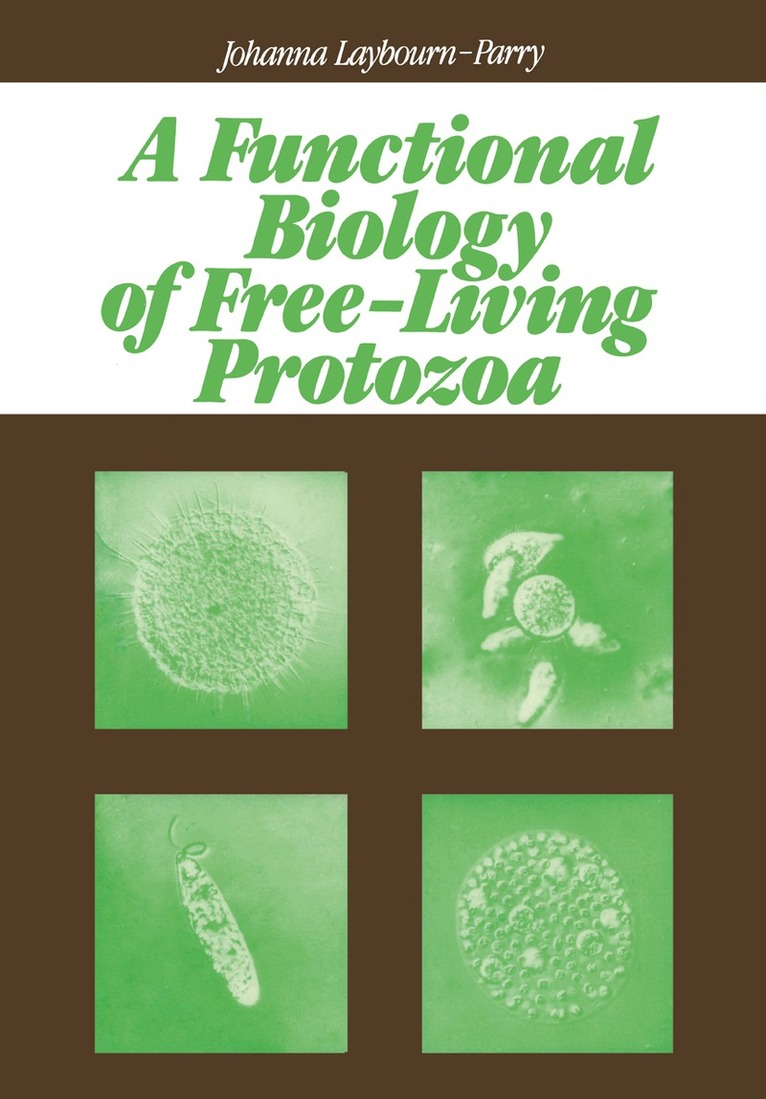
General Editor: Peter Calow. Department of Zoology. University of Sheffield. England The main aim of this series will be to illustrate and to explain the way organisms 'make a living' in nature. At the heart of this - their func tional biology - is the way organisms acquire and then make use of resources in metabolism, movement, growth, reproduction, and so on. These processes will form the fundamental framework of all the books in the series. Each book will concentrate on a particular taxon (species, family, class or even phylum) and will bring together information on the form, physiology, ecology and evolutionary biology of the group. The aim will be not only to describe how organisms work, but also to consider why they have come to work in that way. By concentrating on taxa which are well known, it is hoped that the series will not only illustrate the success of selection, but also show the constraints imposed upon it by the physiological, morphological and developmentallimita tions of the groups. Another important feature of the series will be its organismic orienta tion. Each book will emphasise the importance of functional integra tion in the day-to-day lives and the evolution of organisms. This is crucial since, though it may be true that organisms can be considered as collections of gene-determined traits, they nevertheless interact with their environment as integrated wholes and it is in this context that individual traits have been subjected to natural selection and have evolved.