Jaclyn Neo – författare
Visar alla böcker från författaren Jaclyn Neo. Handla med fri frakt och snabb leverans.
8 produkter
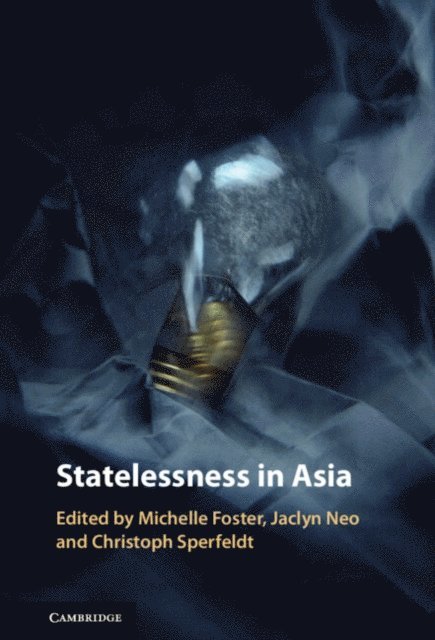
Statelessness in Asia
Av Michelle Foster, Jaclyn Neo m. fl.
Inbunden, 2025
1588 kr
Lägg i varukorg
This interdisciplinary collection, edited by leading scholars, provides the first book-length treatment of statelessness in the region in which most stateless persons reside. This book fills a critical gap in understanding statelessness in Asia, offering a unique interdisciplinary and comprehensive …
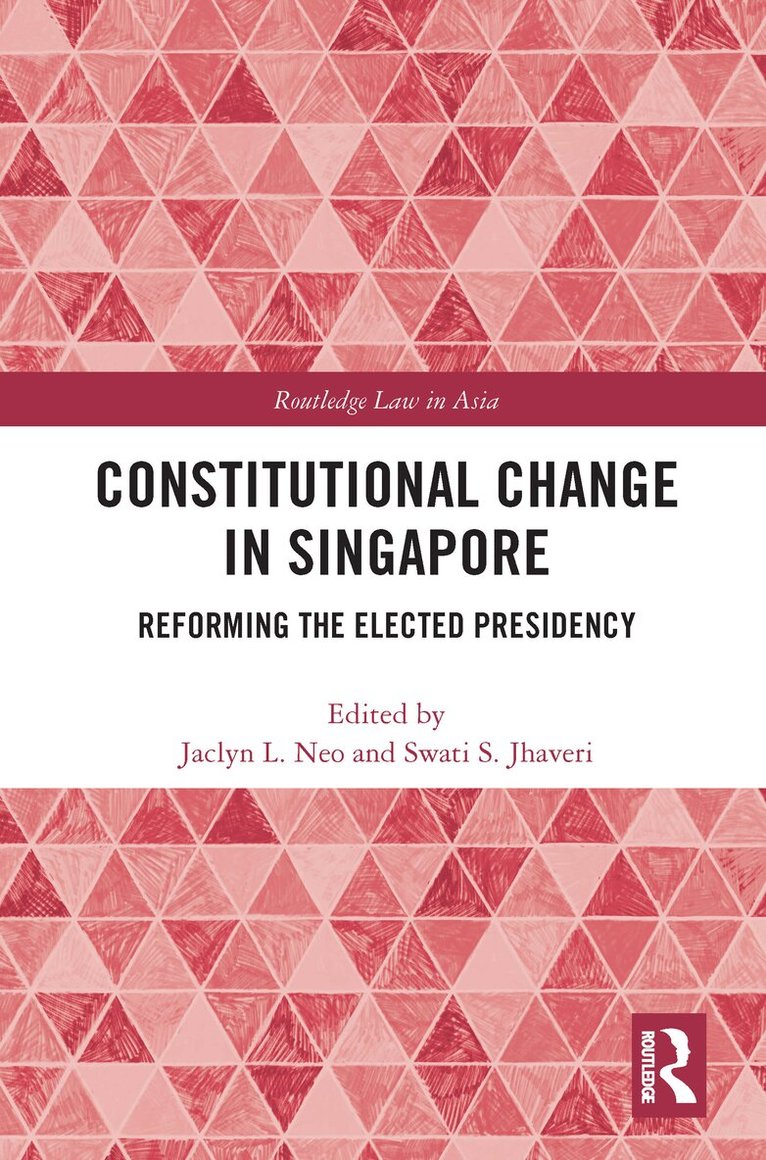
Constitutional Change in Singapore
Reforming the Elected Presidency
Häftad, 2021
636 kr
Lägg i varukorg
Once a ceremonial position modelled after the constitutional monarchy in the United Kingdom, the office of the President of Singapore was transformed from an appointed to an elected one in 1991. As the head of state, but not the head of government, the elected President was to have additional …
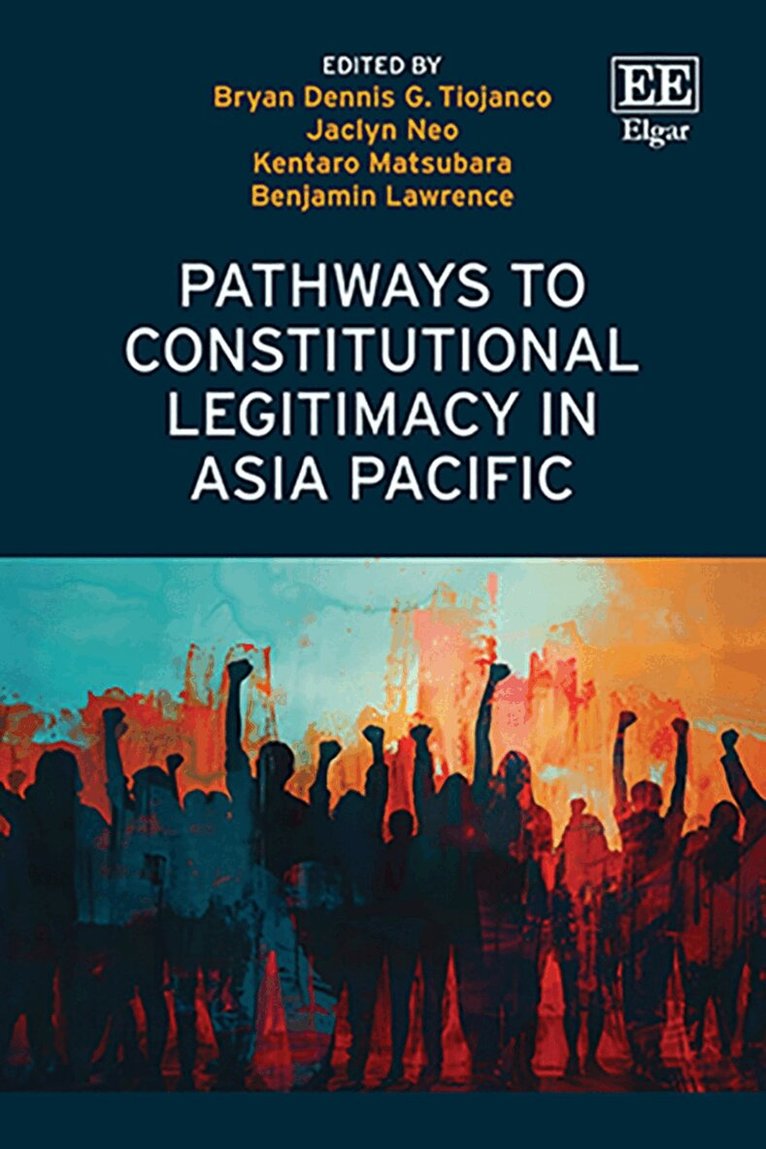
Pathways to Constitutional Legitimacy in Asia Pacific
Av Bryan Dennis G. Tiojanco, Jaclyn Neo m. fl.
Inbunden, 2026
1987 kr
Lägg i varukorg
This book explores the origins, successes, and threats to revolutionary constitutionalism around the world. Contributing authors evaluate typologies of revolutionary, elitist and establishmentarian constitutional orders to answer the question: what does it mean for a constitution to be borne out of …
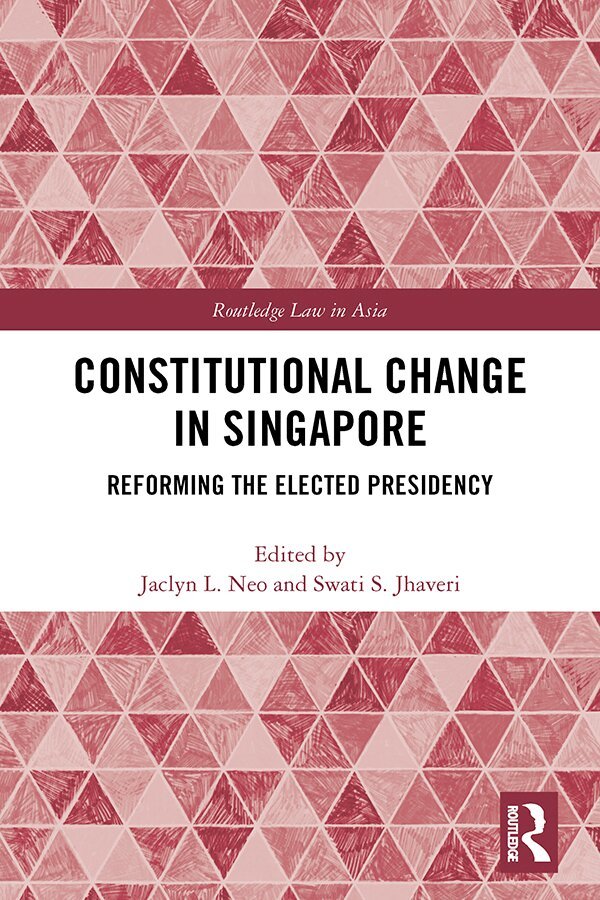
Constitutional Change in Singapore
Reforming the Elected Presidency
Inbunden, 2019
2525 kr
Lägg i varukorg
Once a ceremonial position modelled after the constitutional monarchy in the United Kingdom, the office of the President of Singapore was transformed from an appointed to an elected one in 1991. As the head of state, but not the head of government, the elected President was to have additional …
Constitutional Change in Singapore
Reforming the Elected Presidency
E-bok, 2019
749 kr
Lägg i varukorg
Once a ceremonial position modelled after the constitutional monarchy in the United Kingdom, the office of the President of Singapore was transformed from an appointed to an elected one in 1991. As the head of state, but not the head of government, the elected President was to have additional …
Constitutional Change in Singapore
Reforming the Elected Presidency
E-bok, 2019
733 kr
Lägg i varukorg
Once a ceremonial position modelled after the constitutional monarchy in the United Kingdom, the office of the President of Singapore was transformed from an appointed to an elected one in 1991. As the head of state, but not the head of government, the elected President was to have additional …