Jacob Bronowski – författare
Visar alla böcker från författaren Jacob Bronowski. Handla med fri frakt och snabb leverans.
19 produkter
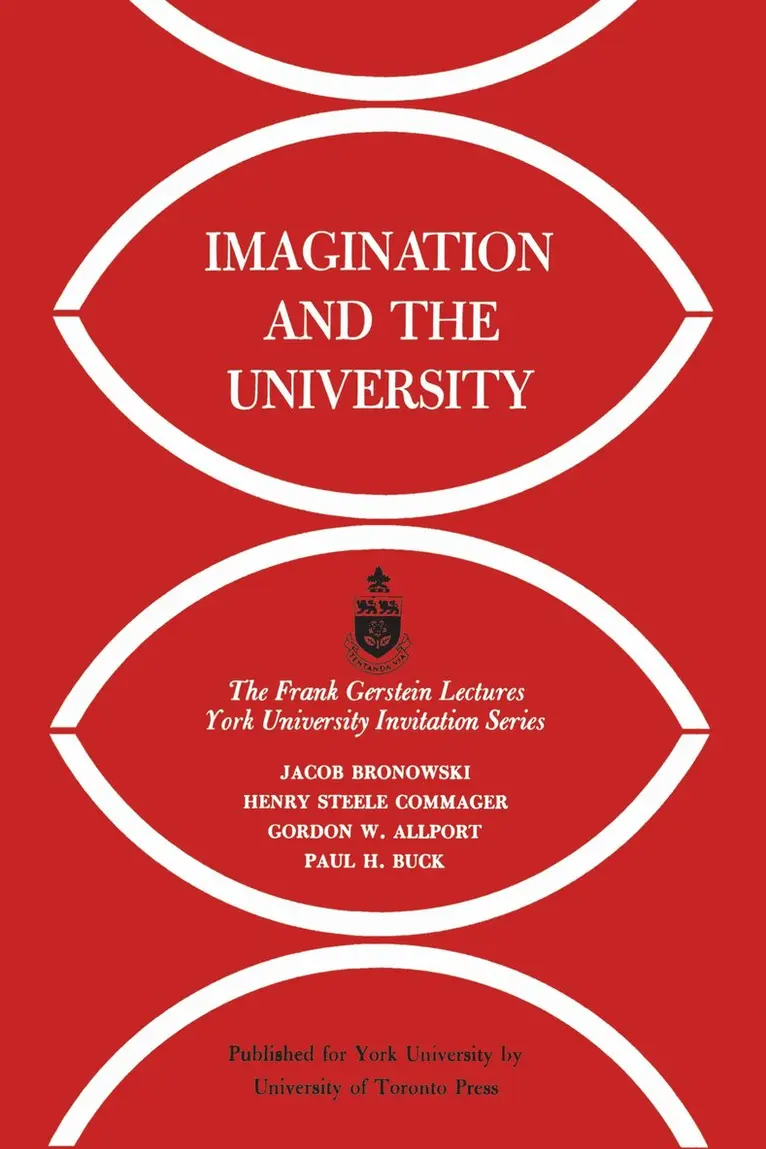
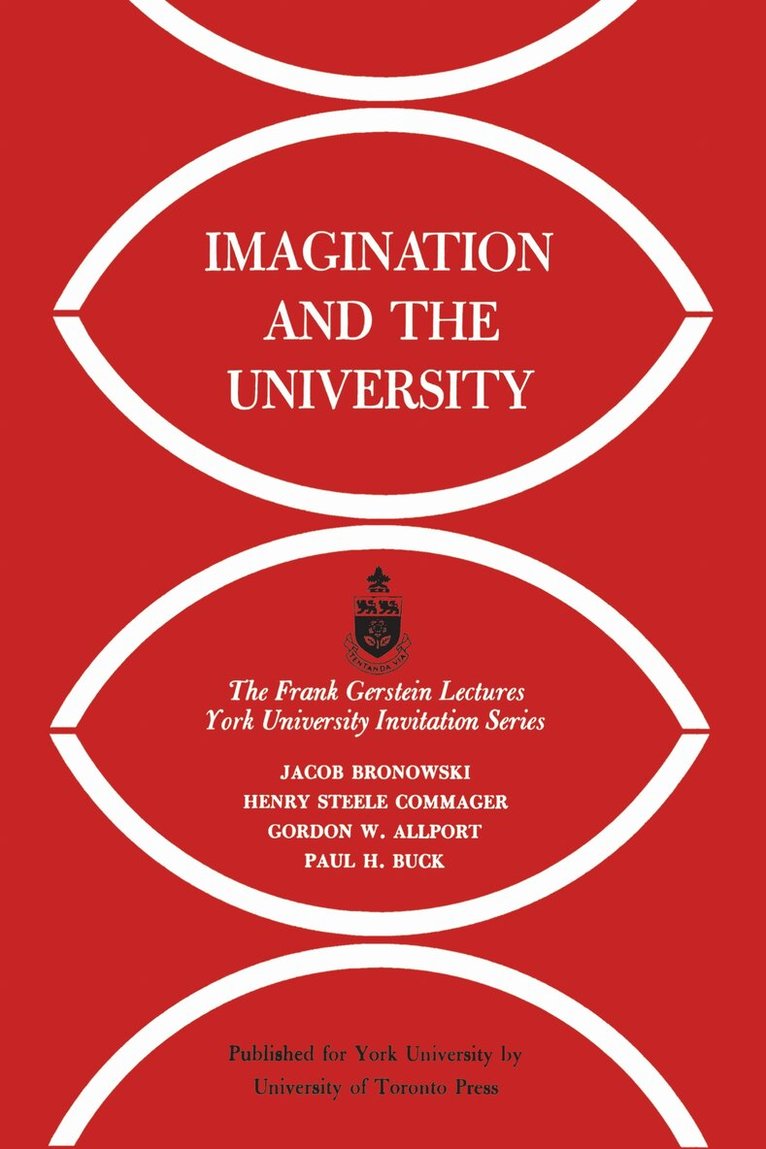
Imagination and the University
Av Jacob Bronowski, Henry Steele Commager m. fl.
Häftad, 1964
184 kr
Lägg i varukorg
This volume, the Frank Gerstein Lectures for 1963, is the second series of Invitation Lectures to be delivered at York University. The theme “Imagination and the University” was appropriate for, as President Murray Ross states in this Foreword, it is in its early years that a university is …
Science and Human Values
Häftad, 2008
210 kr
Lägg i varukorg
Science and Human Values was originally a lecture by Jacob Bronowski at MIT in 1953. Published five years later, it opens unforgettably with Bronowski's description of Nagasaki in 1945: 'a bare waste of ashes', making him acutely aware of science's power both for good and for evil.After such …
The Western Intellectual Tradition
Av Jacob Bronowski, Bruce Mazlish
Häftad, 1962
285 kr
Lägg i varukorg
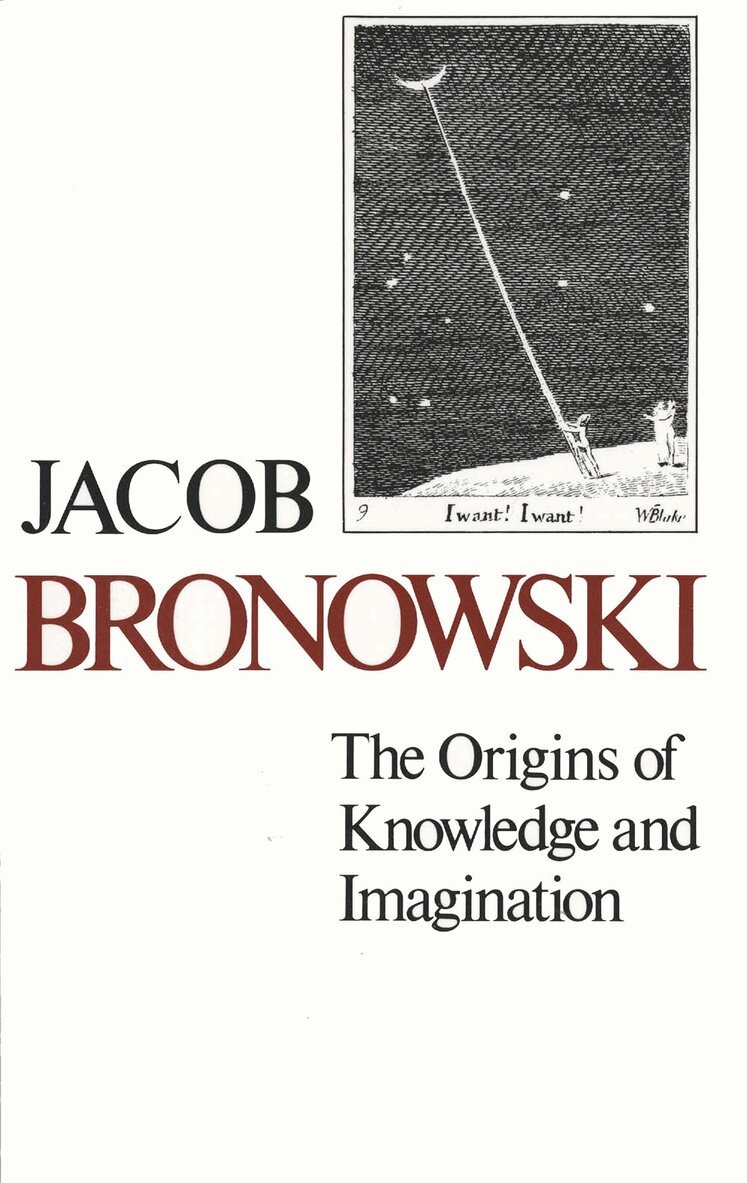
Origins of Knowledge and Imagination
Häftad, 1979
217 kr
Lägg i varukorg
“A gem of enlightenment. . . . One rejoices in Bronowski’s dedication to the identity of acts of creativity and of imagination, whether in Blake or Yeats or Einstein or Heisenberg.”—Kirkus Reviews“A delightful look at the inquiring mind.”—Library JournalIn this eloquent volume Jacob Bronowski, …
William Blake and the Age of Revolution
Häftad, 2008
251 kr
Lägg i varukorg
Bronowski was fascinated by William Blake for much of his life. His first book about him, A Man Without a Mask, was published in 1944. In 1958 his famous Penguin selection of Blake's poems and letters was published. As further testimony to Bronowski's enthusiasm it should be noted that the final …
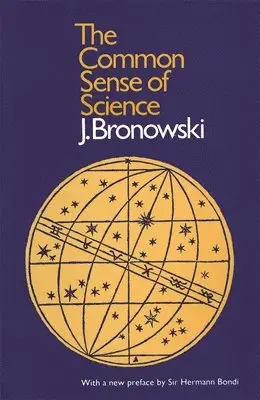
Common Sense of Science
Häftad, 2008
243 kr
Lägg i varukorg
Jacob Bronowski was, with Kenneth Clarke, the greatest popularizer of serious ideas in Britain between the mid 1950s and the early 1970s. Trained as a mathematician, he was equally at home with painting and physics, and wrote a series of brilliant books that tried to break down the barriers between …
Science and Human Values
E-bok, 2011
129 kr
Lägg i varukorg
Science and Human Values was originally a lecture by Jacob Bronowski at MIT in 1953. Published five years later, it opens unforgettably with Bronowski's description of Nagasaki in 1945: 'a bare waste of ashes', making him acutely aware of science's power both for good and for evil.After such …
William Blake and the Age of Revolution
E-bok, 2012
178 kr
Lägg i varukorg
Bronowski was fascinated by William Blake for much of his life. His first book about him, A Man Without a Mask, was published in 1944. In 1958 his famous Penguin selection of Blake's poems and letters was published. As further testimony to Bronowski's enthusiasm it should be noted that the final …
Common Sense of Science
E-bok, 2011
126 kr
Lägg i varukorg
Jacob Bronowski was, with Kenneth Clarke, the greatest popularizer of serious ideas in Britain between the mid 1950s and the early 1970s. Trained as a mathematician, he was equally at home with painting and physics, and wrote a series of brilliant books that tried to break down the barriers between …
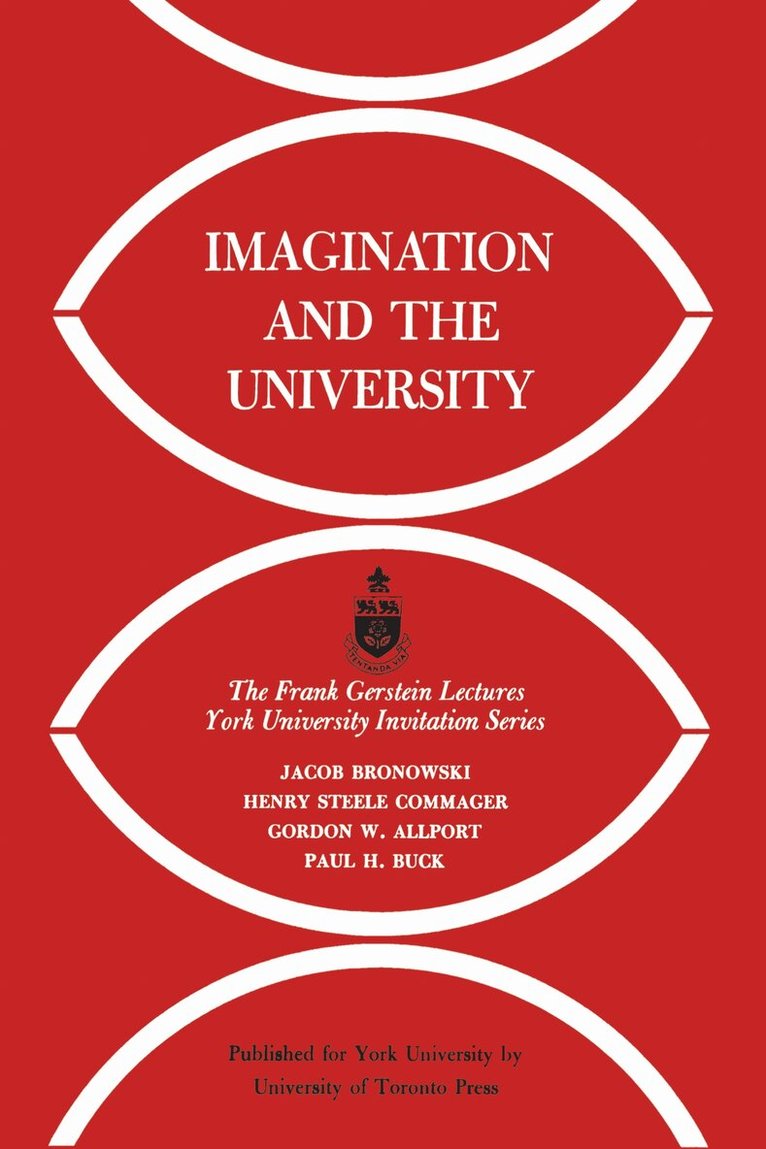
Imagination and the University
Av Jacob Bronowski, Henry Steele Commager m. fl.
E-bok, 1964
206 kr
Lägg i varukorg
This volume, the Frank Gerstein Lectures for 1963, is the second series of Invitation Lectures to be delivered at York University. The theme “Imagination and the University” was appropriate for, as President Murray Ross states in this Foreword, it is in its early years that a university is …
Imagination and the University
Av Jacob Bronowski, Henry Steele Commager m. fl.
E-bok, 1964
254 kr
Lägg i varukorg
This volume, the Frank Gerstein Lectures for 1963, is the second series of Invitation Lectures to be delivered at York University. The theme “Imagination and the University” was appropriate for, as President Murray Ross states in this Foreword, it is in its early years that a university is …
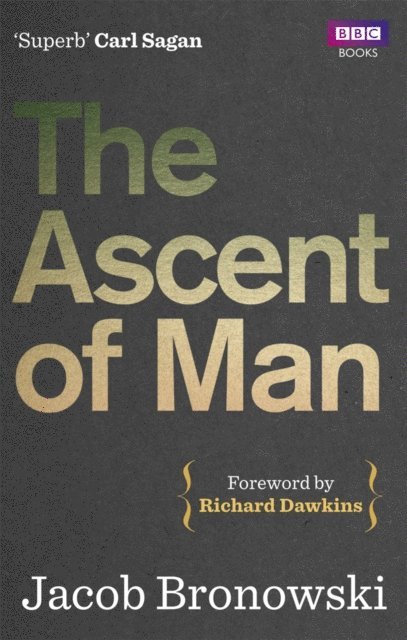
Ascent Of Man
E-bok, 2011
144 kr
Lägg i varukorg
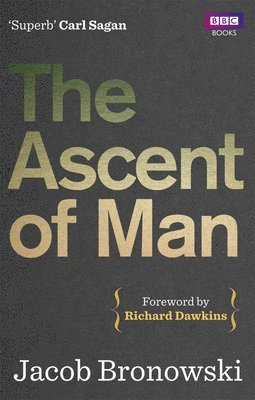
Dr Jacob Bronowksi's The Ascent of Man traces the development of human society through our understanding of science.First published in 1973 to accompany the groundbreaking BBC television series, it is considered one of the first works of 'popular science', illuminating the historical and social …
Identity of Man
Häftad, 2002
206 kr
Lägg i varukorg
Science has called into question many traditional assumptions about human nature. In the age of the human genome project, this truism is even more obvious than it was in 1965, when scientist and historian of ideas Jacob Bronowski first delivered the lectures upon which this book is based. Has …
Identity of Man
E-bok, 2010
228 kr
Lägg i varukorg
Science has called into question many traditional assumptions about human nature. In the age of the human genome project, this truism is even more obvious than it was in 1965, when scientist and historian of ideas Jacob Bronowski first delivered the lectures upon which this book is based. Has …
Ascent Of Man
Häftad, 2011
181 kr
Lägg i varukorg
Dr Jacob Bronowksi's The Ascent of Man traces the development of human society through our understanding of science.First published in 1973 to accompany the groundbreaking BBC television series, it is considered one of the first works of 'popular science', illuminating the historical and social …
El ascenso del hombre
E-bok, 2020
153 kr
Lägg i varukorg
Este clásico del doctor Bronowski traza el desarrollo de la sociedad humana a través de nuestra comprensión de la ciencia. Publicado en 1973 junto con una innovadora serie de televisión de la BBC, es considerado una de las primeras obras de divulgación científica, que ilumina el contexto histórico …