Jacob Lomranz – författare
Visar alla böcker från författaren Jacob Lomranz. Handla med fri frakt och snabb leverans.
7 produkter
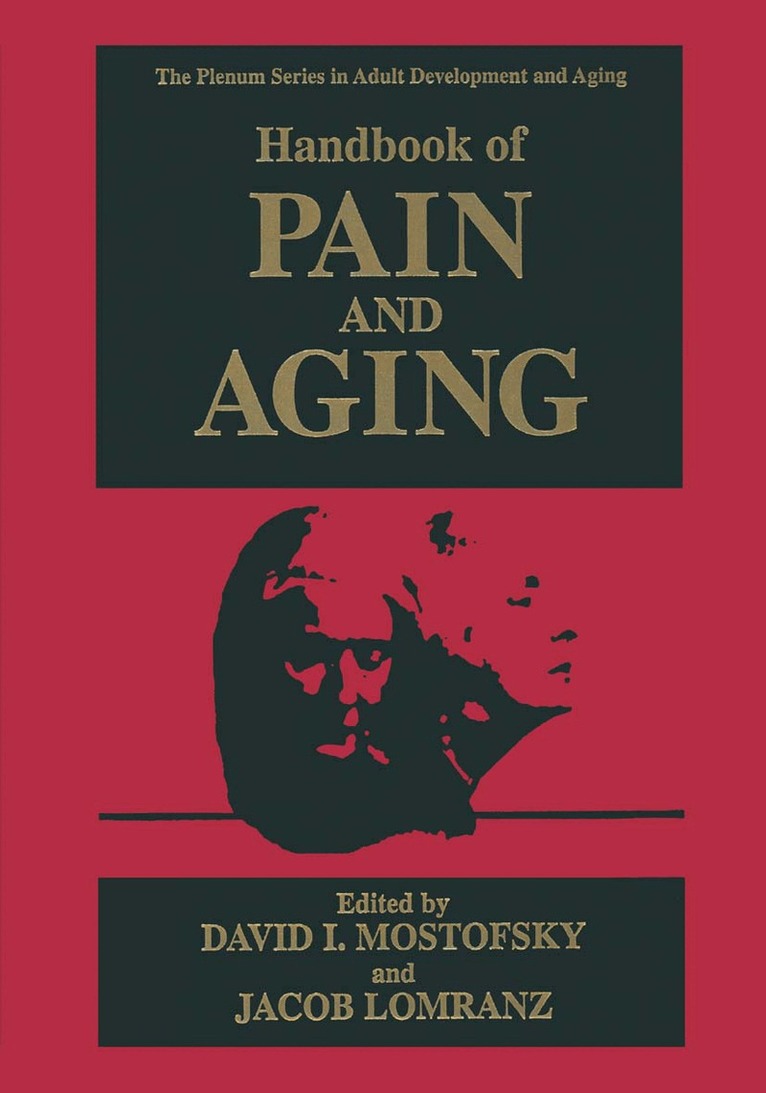
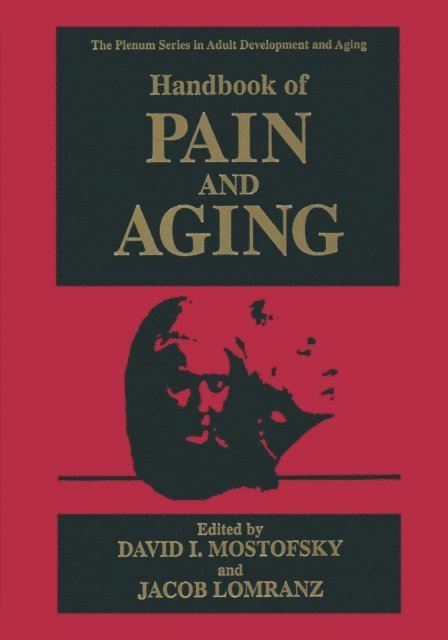
Handbook of Pain and Aging
Av David I. Mostofsky, Jacob Lomranz
Inbunden, 1997
1690 kr
Lägg i varukorg
From time to time, professional journals and edited volumes devote some of their pages to considerations of pain and aging as they occur among the aged in different cultures and populations. One starts from several reasonable assumptions, among them that aging per se is not a disease process, yet …
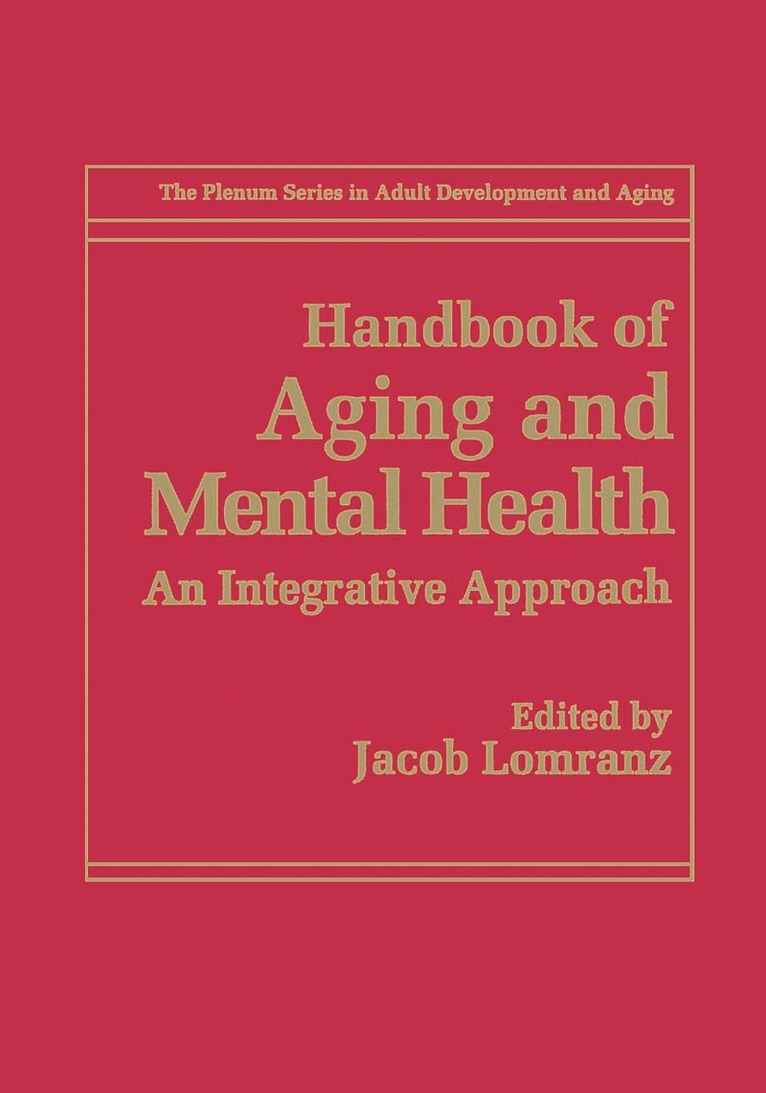
Handbook of Aging and Mental Health
An Integrative Approach
Av Jacob Lomranz, Yaakov Lomrants m. fl.
Inbunden, 1998
2912 kr
Lägg i varukorg
De cibo quod superest nobis sufficit; oportet gratias agere. Some elders have accepted this proposition, although seldom with enthu- siasm. Gerontologists also have been burdened with the adage: "Leftovers are good enough for us, and we should be grateful for them." I remember how a clerk tried to …
Handbook of Aging and Mental Health
An Integrative Approach
Häftad, 2013
2250 kr
Lägg i varukorg
De cibo quod superest nobis sufficit; oportet gratias agere. Some elders have accepted this proposition, although seldom with enthu- siasm. Gerontologists also have been burdened with the adage: "Leftovers are good enough for us, and we should be grateful for them." I remember how a clerk tried to …
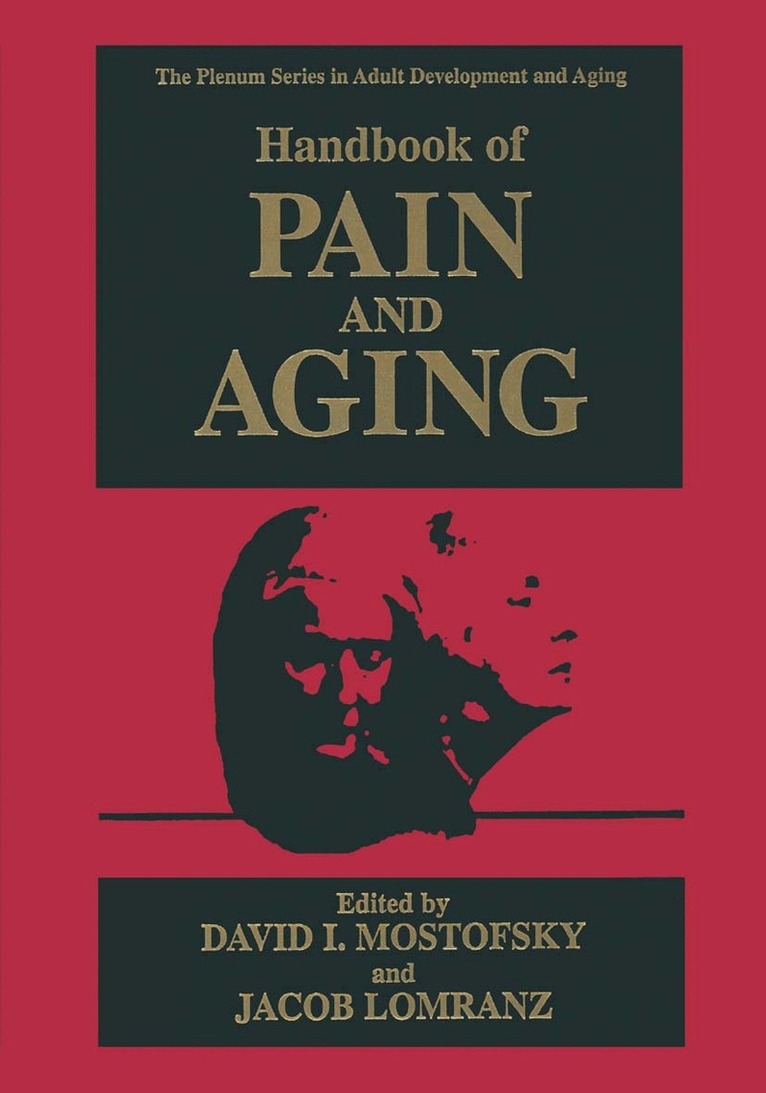
Handbook of Pain and Aging
Av Jacob Lomranz, David I. Mostofsky
E-bok, 2013
2127 kr
Lägg i varukorg
From time to time, professional journals and edited volumes devote some of their pages to considerations of pain and aging as they occur among the aged in different cultures and populations. One starts from several reasonable assumptions, among them that aging per se is not a disease process, yet …
Handbook of Pain and Aging
Av David I. Mostofsky, Jacob Lomranz
Häftad, 2013
1690 kr
Lägg i varukorg
From time to time, professional journals and edited volumes devote some of their pages to considerations of pain and aging as they occur among the aged in different cultures and populations. One starts from several reasonable assumptions, among them that aging per se is not a disease process, yet …