Jacqueline Cogdell DjeDje - Böcker
Visar alla böcker från författaren Jacqueline Cogdell DjeDje. Handla med fri frakt och snabb leverans.
4 produkter
4 produkter
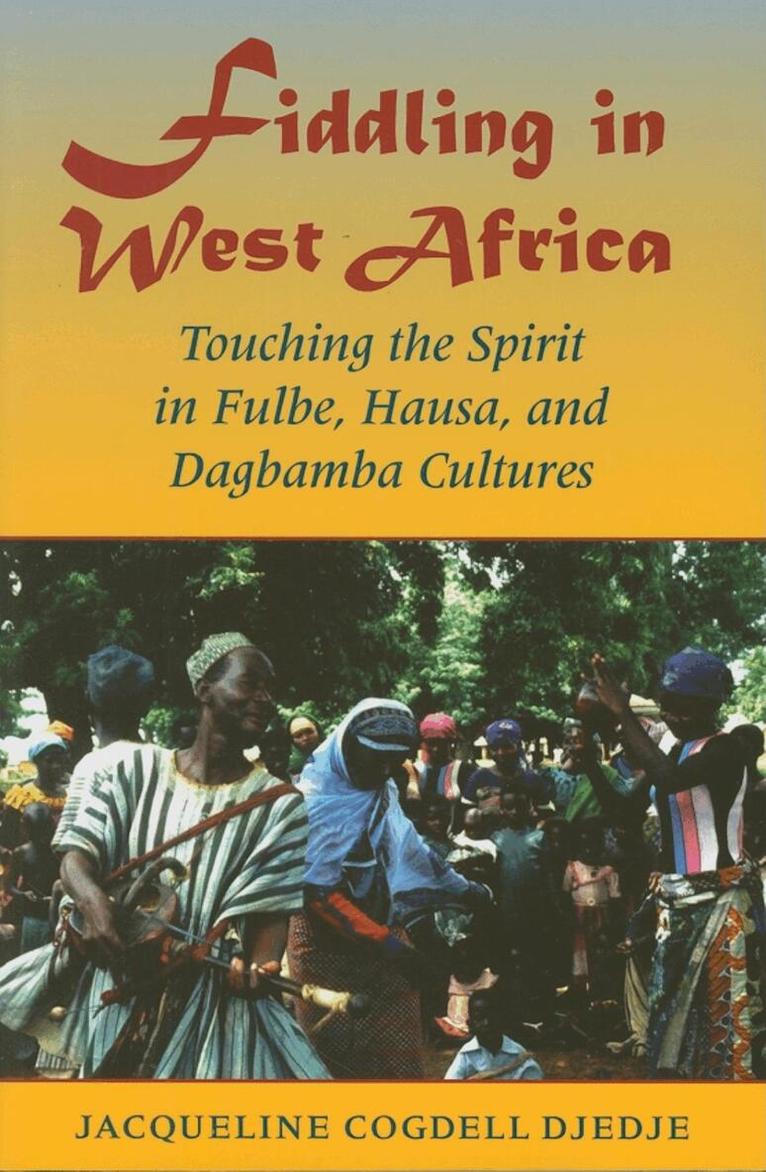
Fiddling in West Africa
Touching the Spirit in Fulbe, Hausa, and Dagbamba Cultures
Häftad, Engelska, 2008
290 kr
Skickas inom 7-10 vardagar
Fiddling has had a lengthy history in Africa which has long been ignored. Jacqueline Cogdell DjeDje corrects this oversight with an expansive study on fiddling in the Fulbe, Hausa, and Dagbamba cultures of West Africa. DjeDje not only explains the history of the instrument itself, but also discusses the processes of stylistic transference and adaptation, suggesting how these may have contributed to differing performance practices. Additionally, DjeDje delves into the music, the performance context, the musicians behind the fiddle, the meaning of the instrument, and its use in these three cultures. This detailed work helps the reader understand and appreciate three little-known musical cultures in West Africa and the fiddle's influence upon them.
Del 1 - Music of the African Diaspora
California Soul
Music of African Americans in the West
Häftad, Engelska, 1998
669 kr
Skickas inom 3-6 vardagar
This new series, co-sponsored with The Center for Black Music Research of Columbia College, seeks to increase our understanding of black music genres and their importance to the cultures of the Atlantic world, including their influence on African musical styles. Books in the series will examine the wide-ranging music of the African diaspora--including the folk-derived musical styles of the Americas as well as European-influenced concert hall music of the entire black Atlantic world--by analyzing issues critical to our interpretation of the music itself and exploring the relationships between music and the other black expressive arts. Focusing on blues, jazz, gospel, rhythm and blues, and soul music, California Soul is one of the first books to explore the rich musical heritage of African Americans in California. The contributors describe in detail the individual artists, locales, groups, musical styles, and regional qualities, and the result is an important book that lays the groundwork for a whole new field of study.The essays draw from oral histories, music recordings, newspaper articles and advertisements, as well as population statistics to provide insightful discussions of topics like the California urban milieu's influence on gospel music, the development of the West Coast blues style, and the significance of Los Angeles's Central Avenue in the early days of jazz. Other essays offer perspectives on how individual musicians have been shaped by their African American heritage, and on the role of the record industry and radio in the making of music. In addition to the diverse range of essays, the book includes the most comprehensive bibliography now available on African American music and culture in California.
1 408 kr
Skickas inom 7-10 vardagar
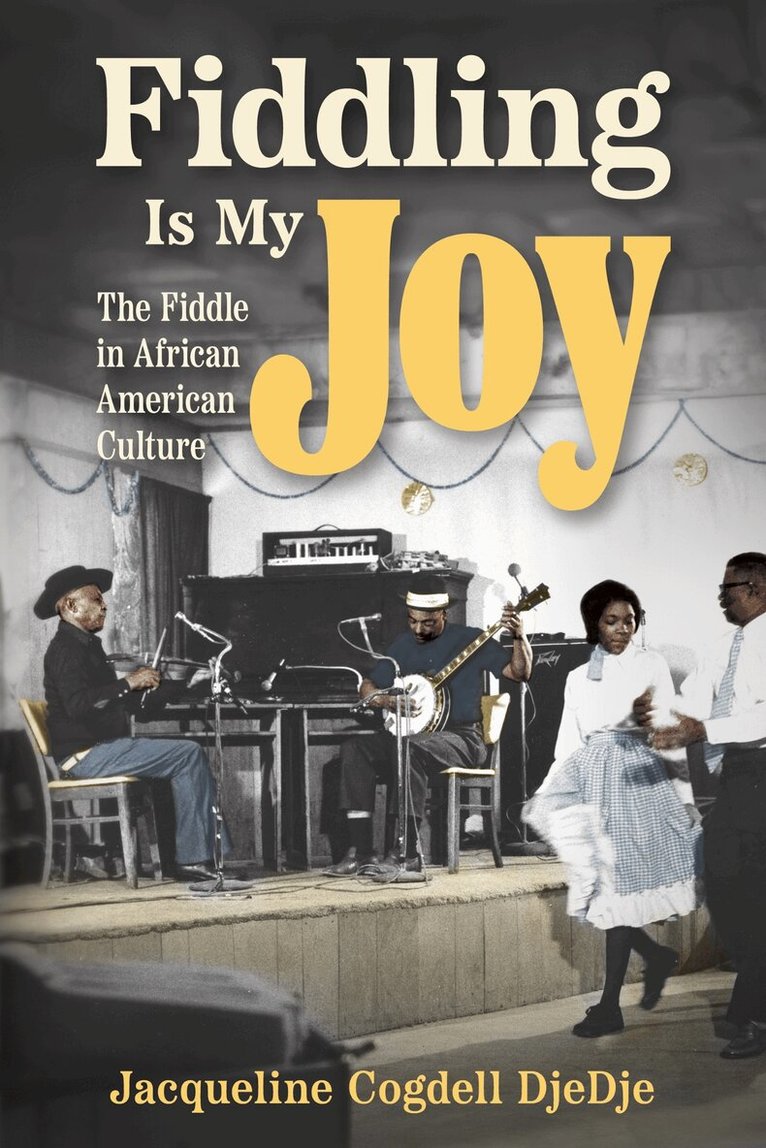
In Fiddling Is My Joy, Jacqueline Cogdell DjeDje examines the history of fiddling among African Americans from the seventeenth to the mid-twentieth century. Although music historians acknowledge a prominent African American fiddle tradition during the era of slavery, only recently have researchers begun to closely examine the history and social implications of these musical practices. Research on African music reveals a highly developed tradition in West Africa, which dates to the eleventh or twelfth century and continues today. From these West African roots, fiddling was prominent in many African American communities between the seventeenth and nineteenth centuries, and the fiddle became an important instrument in early twentieth century blues, jazz, and jug bands. While less common in late twentieth-century African American jazz and popular music groups, the fiddle remained integral to the musicking of some Black musicians in the rural South.Featured in Fiddling Is My Joy is access to a comprehensive online eScholarship Companion that contains maps, photographs, audiovisual examples, and other materials to expand the work of this enlightening and significant study. To understand the immense history of fiddling, DjeDje uses geography to weave together a common thread by profiling the lives and contributions of Black fiddlers in various parts of the rural South and Midwest, including the mountains and along the Atlantic and Gulf coasts. In addition to exploring the extent that musical characteristics and aesthetics identified with African and European cultures were maintained or reinterpreted in Black fiddling, she also investigates how the sharing of musical ideas between Black and white fiddlers affected the development of both traditions. Most importantly, she considers the contradiction in representation. Historical evidence suggests that the fiddle may be one of the oldest uninterrupted instrumental traditions in African American culture, yet most people in the United States, including African Americans, do not identify it with Black music.
425 kr
Skickas inom 7-10 vardagar
In Fiddling Is My Joy, Jacqueline Cogdell DjeDje examines the history of fiddling among African Americans from the seventeenth to the mid-twentieth century. Although music historians acknowledge a prominent African American fiddle tradition during the era of slavery, only recently have researchers begun to closely examine the history and social implications of these musical practices. Research on African music reveals a highly developed tradition in West Africa, which dates to the eleventh or twelfth century and continues today. From these West African roots, fiddling was prominent in many African American communities between the seventeenth and nineteenth centuries, and the fiddle became an important instrument in early twentieth century blues, jazz, and jug bands. While less common in late twentieth-century African American jazz and popular music groups, the fiddle remained integral to the musicking of some Black musicians in the rural South.Featured in Fiddling Is My Joy is access to a comprehensive online eScholarship Companion that contains maps, photographs, audiovisual examples, and other materials to expand the work of this enlightening and significant study. To understand the immense history of fiddling, DjeDje uses geography to weave together a common thread by profiling the lives and contributions of Black fiddlers in various parts of the rural South and Midwest, including the mountains and along the Atlantic and Gulf coasts. In addition to exploring the extent that musical characteristics and aesthetics identified with African and European cultures were maintained or reinterpreted in Black fiddling, she also investigates how the sharing of musical ideas between Black and white fiddlers affected the development of both traditions. Most importantly, she considers the contradiction in representation. Historical evidence suggests that the fiddle may be one of the oldest uninterrupted instrumental traditions in African American culture, yet most people in the United States, including African Americans, do not identify it with Black music.