Jakub Tyszkiewicz - Böcker
Visar alla böcker från författaren Jakub Tyszkiewicz. Handla med fri frakt och snabb leverans.
4 produkter
4 produkter
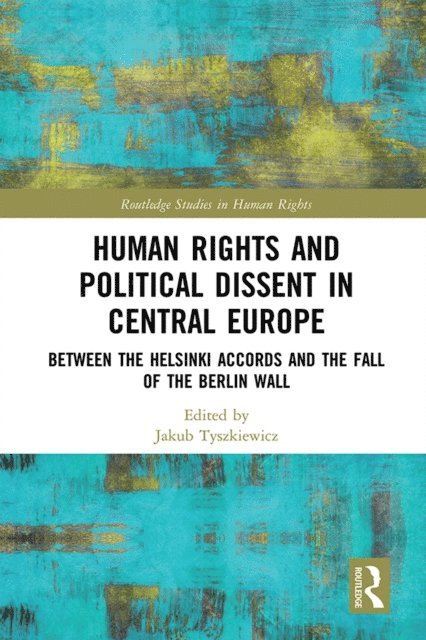
Human Rights and Political Dissent in Central Europe
Between the Helsinki Accords and the Fall of the Berlin Wall
Inbunden, Engelska, 2021
2 096 kr
Skickas inom 10-15 vardagar
This volume examines to what extent the positive atmosphere created by the Helsinki Accords contributed to the change in political circumstances seen in the countries of Central Europe, under Soviet domination. It focuses in particular on - firstly - a consequent new impetus to bolster human rights in international politics, as Western democracies - especially the US - integrated human rights concerns into its foreign policy relations with Soviet Bloc countries and - secondly – how this Western embrace of human rights seemed to create new incentives for increased dissident activity in Central and Eastern Europe and from 1976 onward. Finally, the book reminds us of the significant role of the Helsinki Accords in developing democratic practices in Eastern European societies under Soviet domination in 1975-1989 and in creating the conditions for the peaceful transition to democratic government in the years that followed. This book will be of key interest to scholars and students of the history of communism, post-Soviet, Russian, and central and East European politics, the history of human rights, and democratization.
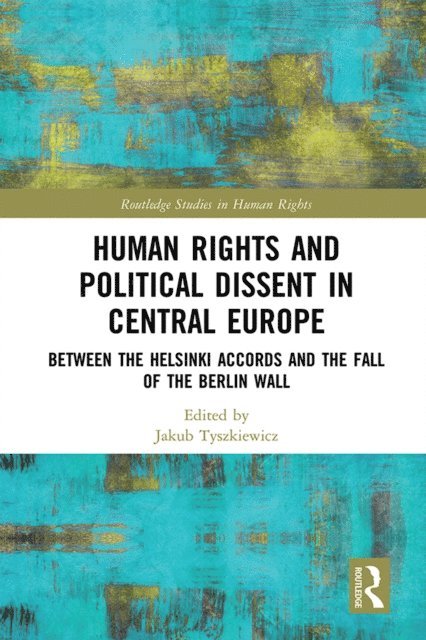
Human Rights and Political Dissent in Central Europe
Between the Helsinki Accords and the Fall of the Berlin Wall
Häftad, Engelska, 2024
613 kr
Skickas inom 10-15 vardagar
This volume examines to what extent the positive atmosphere created by the Helsinki Accords contributed to the change in political circumstances seen in the countries of Central Europe, under Soviet domination. It focuses in particular on - firstly - a consequent new impetus to bolster human rights in international politics, as Western democracies - especially the US - integrated human rights concerns into its foreign policy relations with Soviet Bloc countries and - secondly – how this Western embrace of human rights seemed to create new incentives for increased dissident activity in Central and Eastern Europe and from 1976 onward. Finally, the book reminds us of the significant role of the Helsinki Accords in developing democratic practices in Eastern European societies under Soviet domination in 1975-1989 and in creating the conditions for the peaceful transition to democratic government in the years that followed. This book will be of key interest to scholars and students of the history of communism, post-Soviet, Russian, and central and East European politics, the history of human rights, and democratization.
2 159 kr
Skickas inom 10-15 vardagar
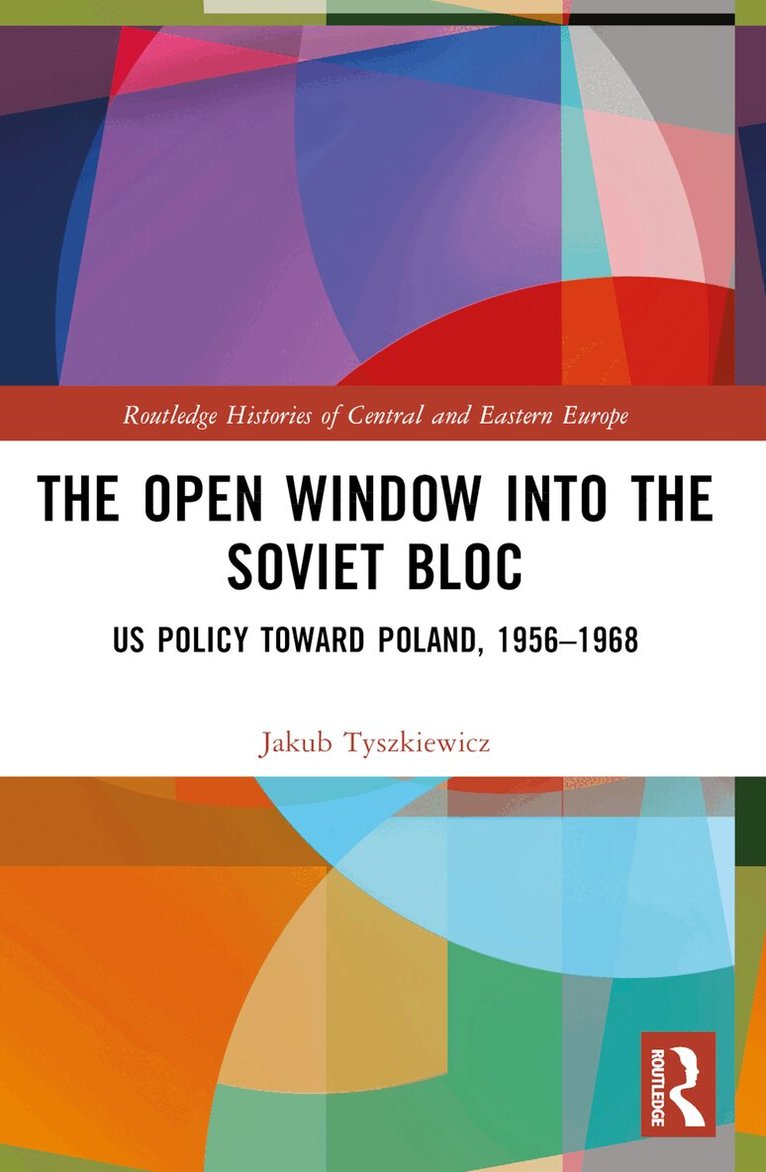
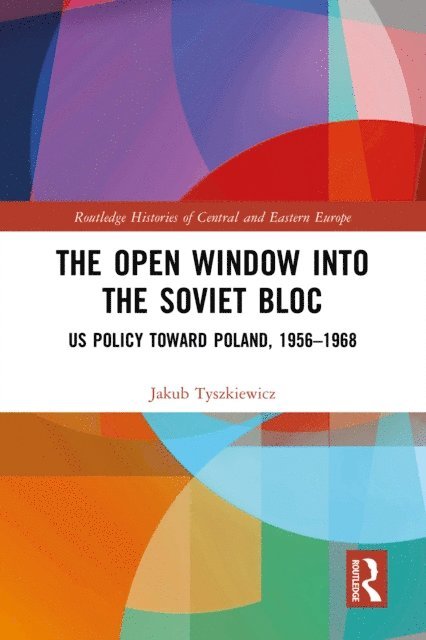
This volume analyzes US policy toward communist-ruled Poland in the fields of diplomacy, economy, culture, and public diplomacy. It highlights the limitations in developing cooperation between democratic and nondemocratic countries resulting from the Cold War conflict.No comprehensive account of US policy toward Poland from 1956 to 1968 has emerged in historiography. This book aims to answer why, since the political changes of the Polish October 1956, Washington ceased to see Polish affairs as “Soviet-related matters.” Instead, it recognized communist-ruled Poland as a separate political entity among other Kremlin-dependent states in Eastern Europe. This policy, introduced by the Dwight D. Eisenhower administration, was continued by his successors John F. Kennedy and Lyndon B. Johnson.Recently declassified US and Polish archival sources allow the presentation of more considerations around the decision-making mechanisms by presidential administrations regarding communist Poland after 1956. They also reveal the dependence of the implementation of US actions on the climate of international relations. Moreover, they can now explain how Poland became an “open window” toward the Soviet bloc and a model example of the changes in the US policy of diversifying its approach to Eastern European countries under Soviet control in the next decades.
646 kr
Skickas inom 10-15 vardagar
This volume analyzes US policy toward communist-ruled Poland in the fields of diplomacy, economy, culture, and public diplomacy. It highlights the limitations in developing cooperation between democratic and nondemocratic countries resulting from the Cold War conflict.No comprehensive account of US policy toward Poland from 1956 to 1968 has emerged in historiography. This book aims to answer why, since the political changes of the Polish October 1956, Washington ceased to see Polish affairs as “Soviet-related matters.” Instead, it recognized communist-ruled Poland as a separate political entity among other Kremlin-dependent states in Eastern Europe. This policy, introduced by the Dwight D. Eisenhower administration, was continued by his successors John F. Kennedy and Lyndon B. Johnson.Recently declassified US and Polish archival sources allow the presentation of more considerations around the decision-making mechanisms by presidential administrations regarding communist Poland after 1956. They also reveal the dependence of the implementation of US actions on the climate of international relations. Moreover, they can now explain how Poland became an “open window” toward the Soviet bloc and a model example of the changes in the US policy of diversifying its approach to Eastern European countries under Soviet control in the next decades.