James Bahoh – författare
Visar alla böcker från författaren James Bahoh. Handla med fri frakt och snabb leverans.
6 produkter
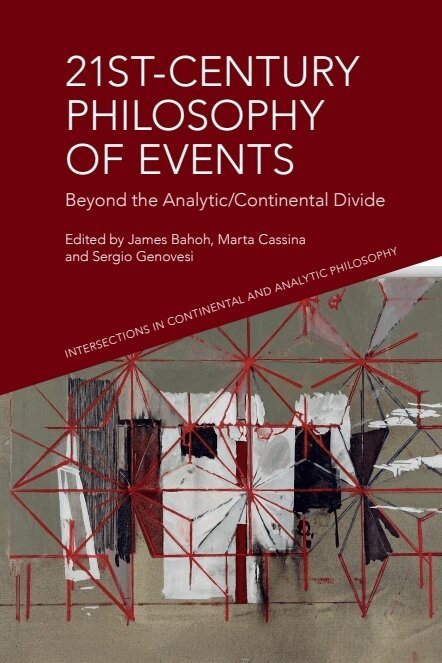
21st-Century Philosophy of Events
Beyond the Analytic/Continental Divide
Av James Bahoh, Marta Cassina m. fl.
Inbunden, 2025
1168 kr
Lägg i varukorg
The concept of 'event' has held a prominent position in both analytic and continental philosophy since the middle of the 20th century. And yet, until recently, the division between these two traditions resulted in their respective theories of events rarely coming into contact. However, early …
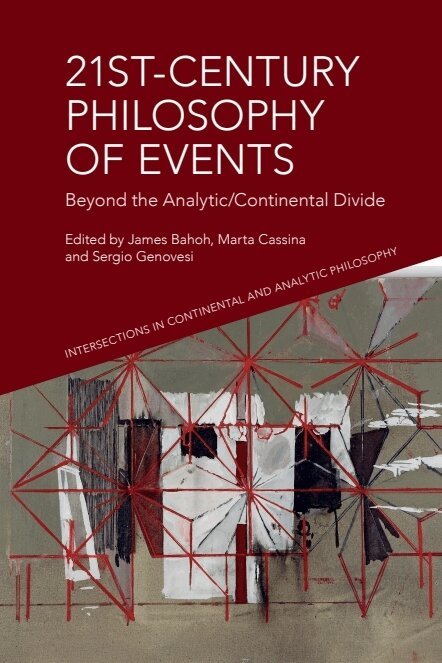
21st-Century Philosophy of Events
Beyond the Analytic/Continental Divide
Av James Bahoh, Marta Cassina m. fl.
Häftad, 2027
313 kr
Kommande
The concept of ‘event’ has held a prominent position in both analytic and continental philosophy since the middle of the 20th century. And yet, until recently, the division between these two traditions resulted in their respective theories of events rarely coming into contact. However, early …
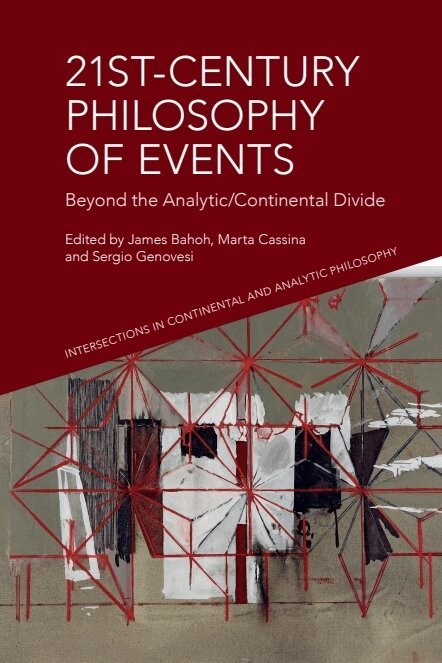
21st-Century Philosophy of Events
Beyond the Analytic/Continental Divide
Av James Bahoh, Marta Cassina m. fl.
E-bok, 2025
382 kr
Lägg i varukorg
The concept of ‘event’ has held a prominent position in both analytic and continental philosophy since the middle of the 20th century. And yet, until recently, the division between these two traditions resulted in their respective theories of events rarely coming into contact. However, early …
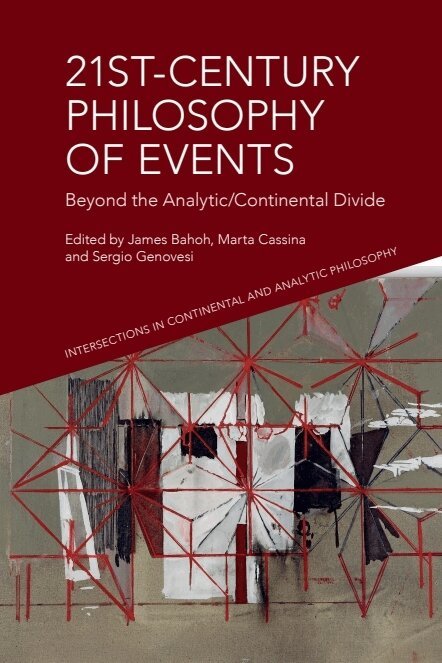
21st-Century Philosophy of Events
Beyond the Analytic/Continental Divide
Av James Bahoh, Marta Cassina m. fl.
E-bok, 2025
382 kr
Lägg i varukorg
The concept of ‘event’ has held a prominent position in both analytic and continental philosophy since the middle of the 20th century. And yet, until recently, the division between these two traditions resulted in their respective theories of events rarely coming into contact. However, early …
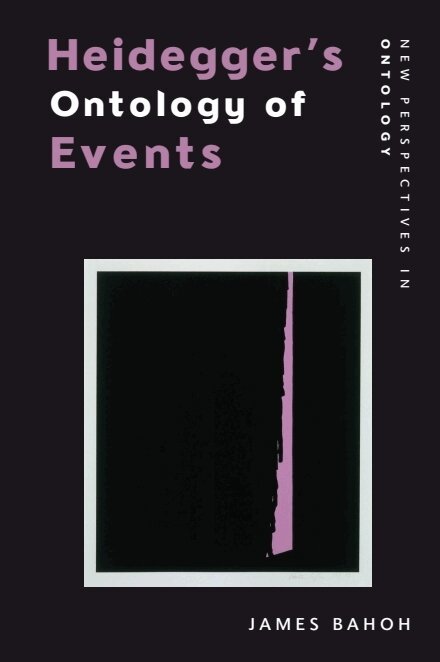
Heidegger’s Ontology of Events
Av James Bahoh
Inbunden, 2019
1530 kr
Lägg i varukorg
James Bahoh proposes a new methodology for explaining Heidegger’s philosophy: diagenic analysis. This approach solves a set of interpretive problems that have stymied previous approaches to his difficult later work and led to substantial inconsistencies in the available scholarship. Using it, Bahoh …
Heidegger’s Ontology of Events
Av James Bahoh
Häftad, 2021
288 kr
Lägg i varukorg
James Bahoh proposes a new methodology for explaining Heidegger's philosophy: diagenic analysis'. This approach solves a set of interpretive problems that have stymied previous approaches to his difficult later work and led to substantial inconsistencies in the available scholarship. Using it, …