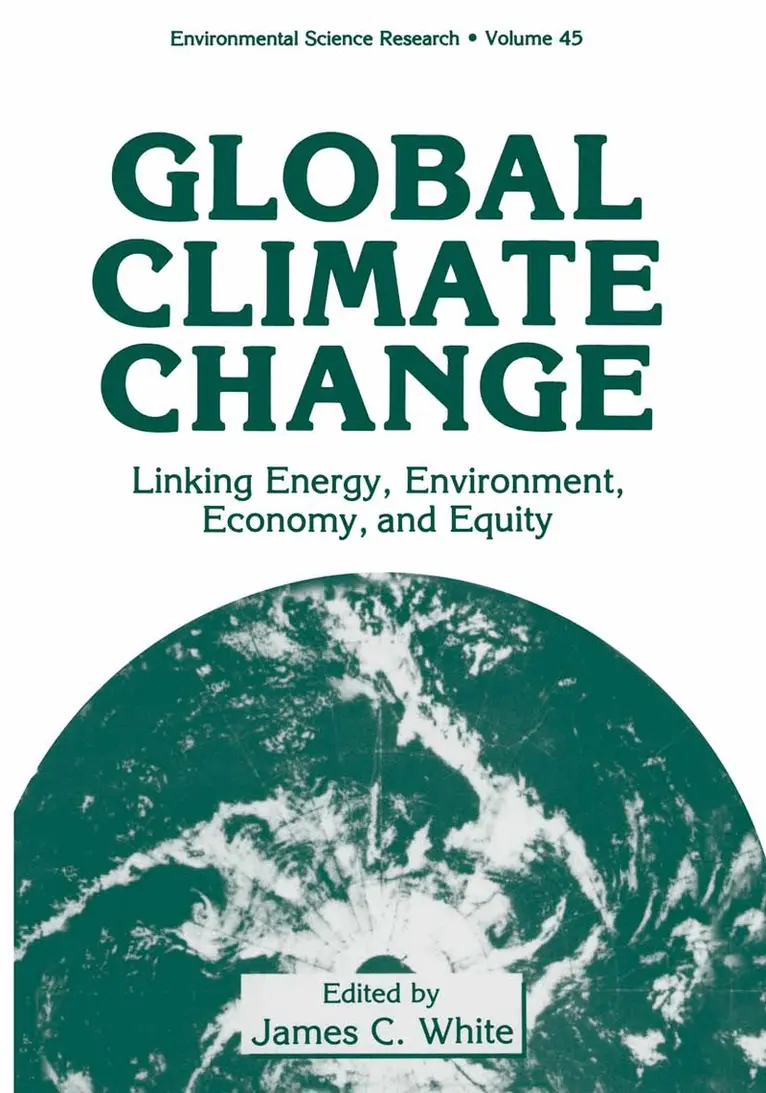
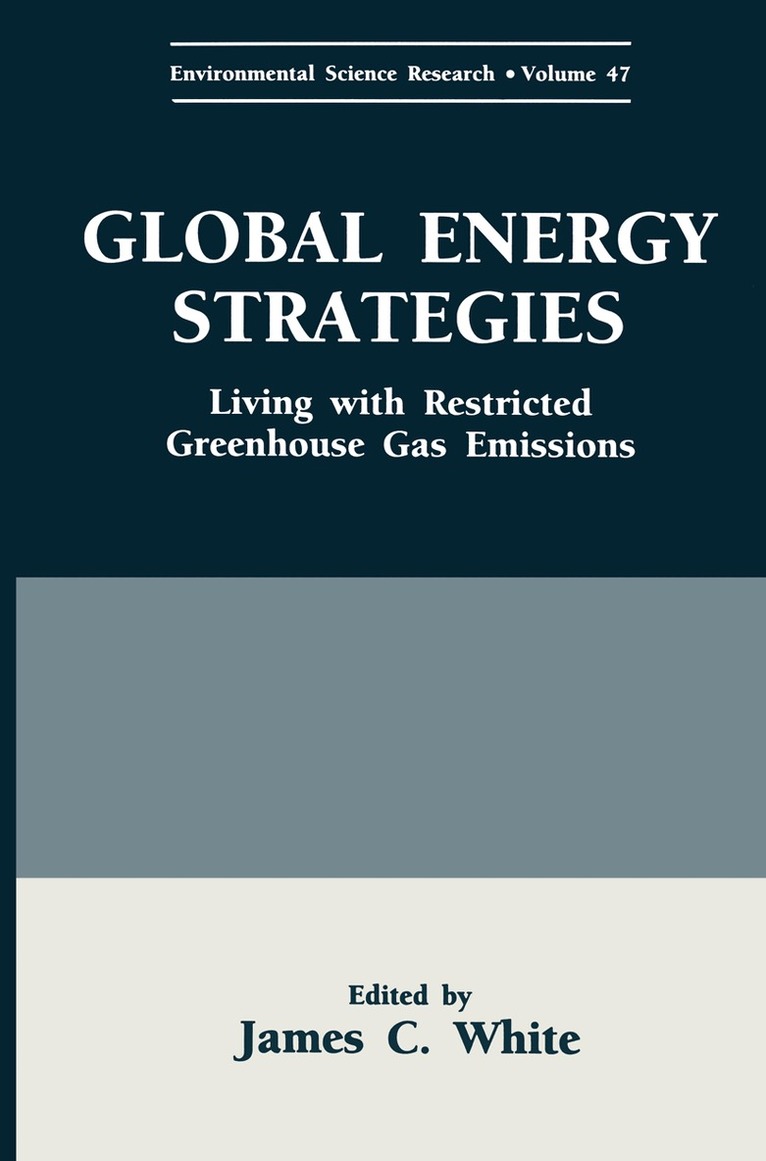
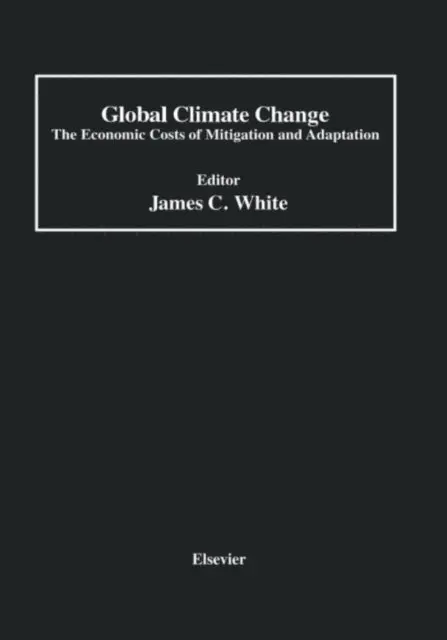
James C. White – författare
Visar alla böcker från författaren James C. White. Handla med fri frakt och snabb leverans.
16 produkter
16 produkter
Inbunden, Engelska, 1992
1 623 kr
Skickas inom 10-15 vardagar
Proceedings of the Eighth Annual Conference of the Air Resources Information Clearinghouse held in Washington, D.C., December 5-6, 1991
Inbunden, Engelska, 1994
1 623 kr
Skickas inom 10-15 vardagar
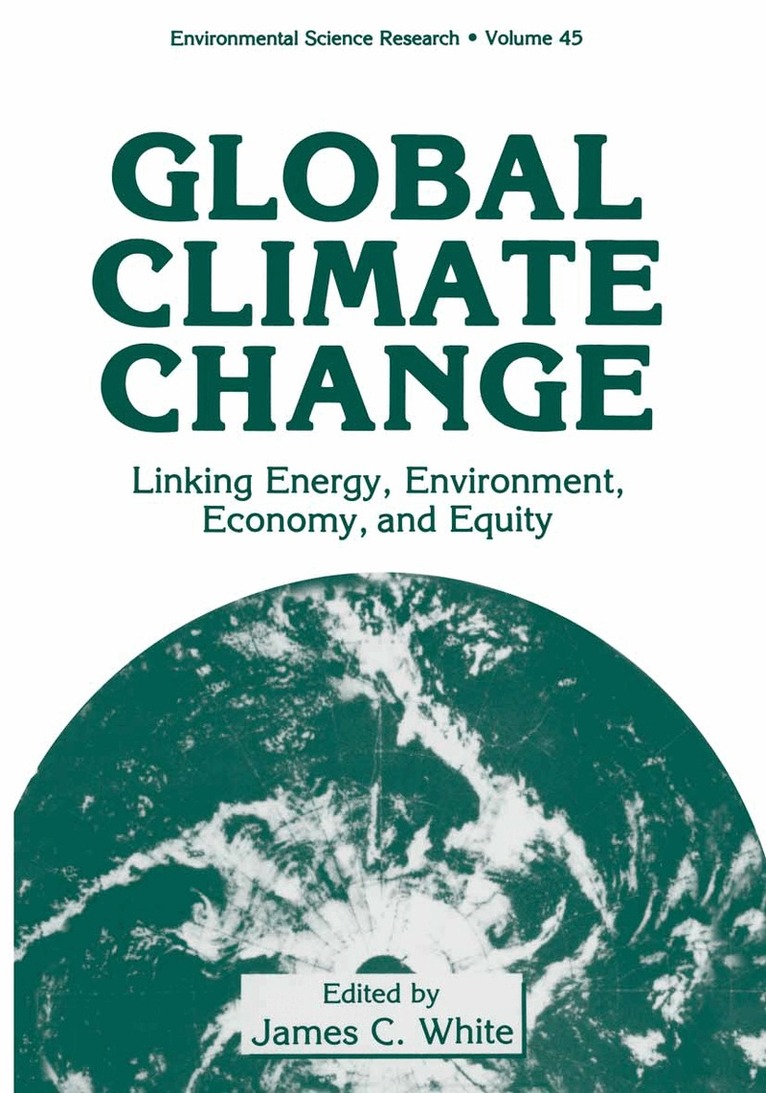
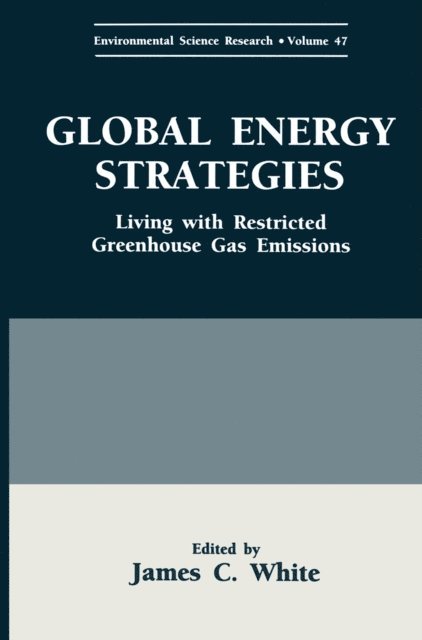
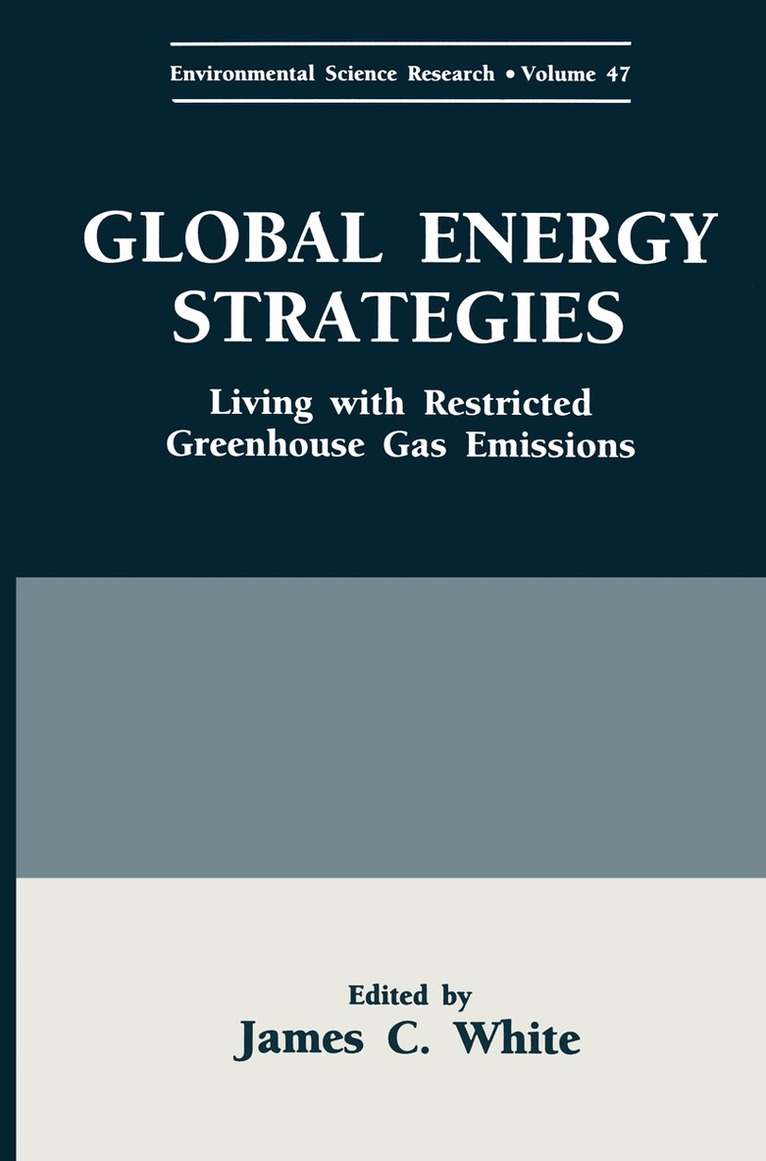
The world is getting warmer. Among scientists concerned with global climate change this is the broad consensus. How fast and by how much, are questions which cannot be answered quantitatively, but the probability of rising temperatures must be faced in a prudent manner - there is enough certainty of change so that we must anticipate and prepare before irreparable damage is done to our world. Even if it isn't going to be as bad as some people think, the actions we propose will benefit the earth and give us a kind of insurance. The root of the change is population growth, and its attendant demand for energy. While the developed world expects to hold future emissions relatively steady, the developing countries, where population growth is most rampant, will expand the use of energy as they aspire to a better quality of life. H greater energy use is inevitable it behooves us to produce that energy in the least objectionable manner, and to produce it where the cost is lowest in dollars, GNP, and environmental change.
Inbunden, Engelska, 1987
2 161 kr
Skickas inom 10-15 vardagar
Proceedings of the Third Annual Conference, Washington, DC, USA, 3-4 December 1986
Inbunden, Engelska, 1989
3 238 kr
Skickas inom 10-15 vardagar
Inbunden, Engelska, 1992
1 084 kr
Skickas inom 10-15 vardagar
Häftad, Engelska, 2008
283 kr
Skickas inom 3-6 vardagar
Häftad, Engelska, 2010
1 623 kr
Skickas inom 10-15 vardagar
Proceedings of the Eighth Annual Conference of the Air Resources Information Clearinghouse held in Washington, D.C., December 5-6, 1991
E-bok
PDF, Engelska, 20121 416 kr
Läs direkt efter köp
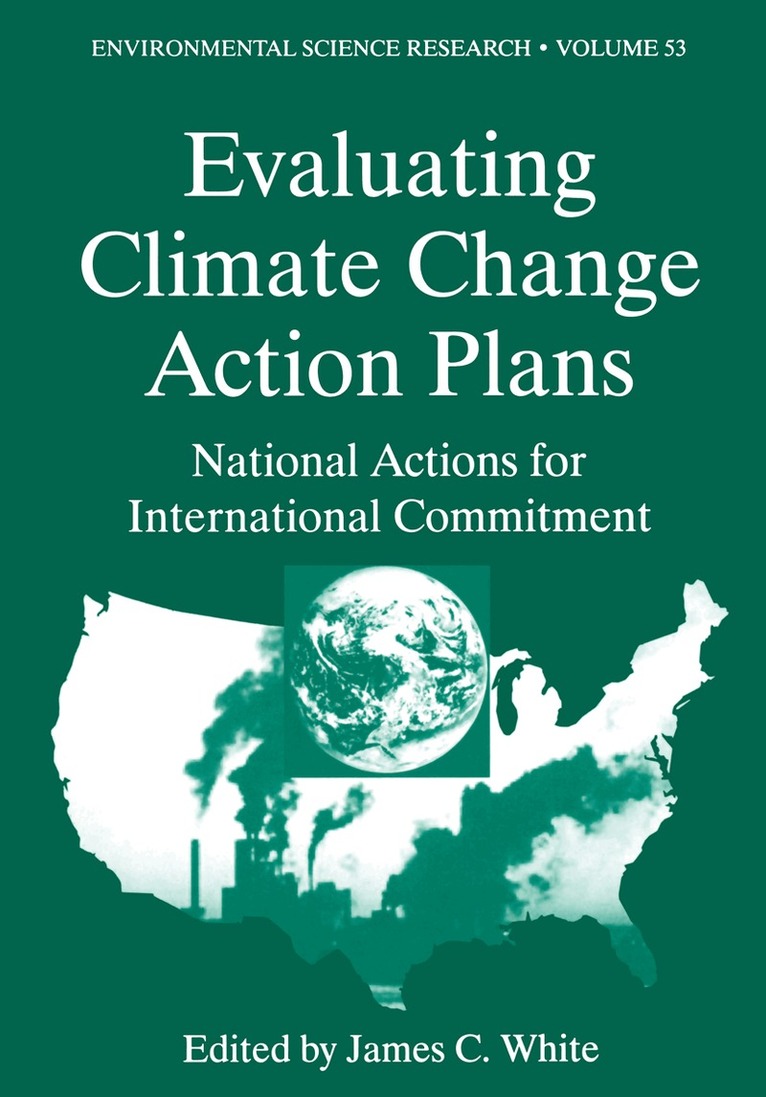
The atmospheric scientists of the world are in general agreement that the threat of climate change is real, inevitable, and serious. The accumulation of greenhouse gases, principally CO from burning fossil fuels, is the main cause. 2 At the 1992 United Nations Conference on Environment and Development in Rio de Janeiro, 166 nations signed the Framework Convention on Climate Change and agreed to draw up plans to contain greenhouse gases at 1990 levels. Never in world history had so many nations agreed on anything. . Developing these plans has not been easy and no two countries have had the same circumstances and conditions to meet. Countries have not approached their problems in the same manner and many nations find the task almost impossible to solve under the ground rules set up in Rio. This volume contains the papers presented at a meeting organized by the Center for Environmental Information and held in Washington, D.C., November 30 to December 2, 1994. The principal aim of the meeting was to evaluate the U.S. and other national climate action plans which had been released a few weeks before. Specifically, these papers concentrate on an overview of the U.S. plan; the perspec tives of business, industry, electric utilities, and environmental organizations; mitigation actions in various plans; integrated assessment; an overview of plans from various nations; and the need to amend the convention. The meeting was sponsored and cosponsored by 35 governmental agencies, environ mental groups, industrial organizations, and educational institutions.
Häftad, Engelska, 2011
1 084 kr
Skickas inom 10-15 vardagar
The atmospheric scientists of the world are in general agreement that the threat of climate change is real, inevitable, and serious. The accumulation of greenhouse gases, principally CO from burning fossil fuels, is the main cause. 2 At the 1992 United Nations Conference on Environment and Development in Rio de Janeiro, 166 nations signed the Framework Convention on Climate Change and agreed to draw up plans to contain greenhouse gases at 1990 levels. Never in world history had so many nations agreed on anything. . Developing these plans has not been easy and no two countries have had the same circumstances and conditions to meet. Countries have not approached their problems in the same manner and many nations find the task almost impossible to solve under the ground rules set up in Rio. This volume contains the papers presented at a meeting organized by the Center for Environmental Information and held in Washington, D.C., November 30 to December 2, 1994. The principal aim of the meeting was to evaluate the U.S. and other national climate action plans which had been released a few weeks before. Specifically, these papers concentrate on an overview of the U.S. plan; the perspec tives of business, industry, electric utilities, and environmental organizations; mitigation actions in various plans; integrated assessment; an overview of plans from various nations; and the need to amend the convention. The meeting was sponsored and cosponsored by 35 governmental agencies, environ mental groups, industrial organizations, and educational institutions.
E-bok
PDF, Engelska, 20132 049 kr
Läs direkt efter köp
E-bok
PDF, Engelska, 20132 049 kr
Läs direkt efter köp
The world is getting warmer. Among scientists concerned with global climate change this is the broad consensus. How fast and by how much, are questions which cannot be answered quantitatively, but the probability of rising temperatures must be faced in a prudent manner - there is enough certainty of change so that we must anticipate and prepare before irreparable damage is done to our world. Even if it isn''t going to be as bad as some people think, the actions we propose will benefit the earth and give us a kind of insurance. The root of the change is population growth, and its attendant demand for energy. While the developed world expects to hold future emissions relatively steady, the developing countries, where population growth is most rampant, will expand the use of energy as they aspire to a better quality of life. H greater energy use is inevitable it behooves us to produce that energy in the least objectionable manner, and to produce it where the cost is lowest in dollars, GNP, and environmental change.
Häftad, Engelska, 2013
1 623 kr
Skickas inom 10-15 vardagar
The world is getting warmer. Among scientists concerned with global climate change this is the broad consensus. How fast and by how much, are questions which cannot be answered quantitatively, but the probability of rising temperatures must be faced in a prudent manner - there is enough certainty of change so that we must anticipate and prepare before irreparable damage is done to our world. Even if it isn't going to be as bad as some people think, the actions we propose will benefit the earth and give us a kind of insurance. The root of the change is population growth, and its attendant demand for energy. While the developed world expects to hold future emissions relatively steady, the developing countries, where population growth is most rampant, will expand the use of energy as they aspire to a better quality of life. H greater energy use is inevitable it behooves us to produce that energy in the least objectionable manner, and to produce it where the cost is lowest in dollars, GNP, and environmental change.
Häftad, Engelska, 2020
213 kr
Skickas inom 5-8 vardagar
E-bok
PDF, Engelska, 2012734 kr
Läs direkt efter köp
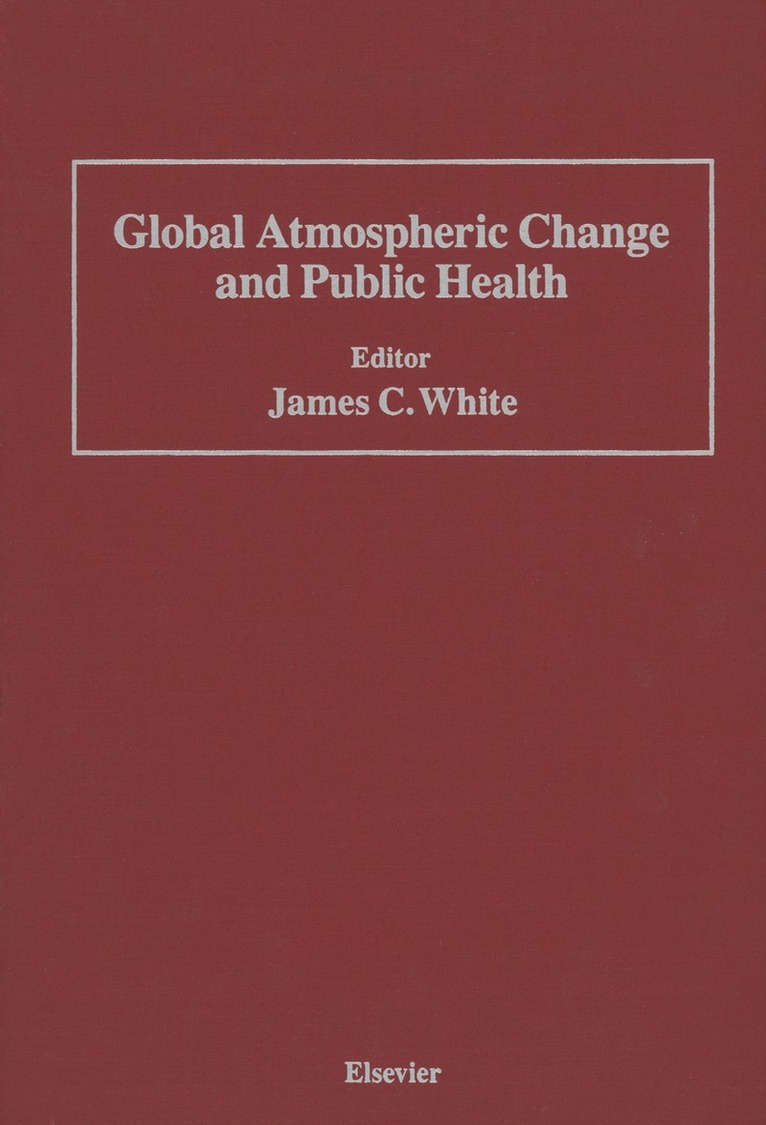
The world is just beginning to face up to the problems which will be brought about by global climate change. Most people equate climate change with rising temperatures, disturbed weather patterns, agricultural crises, and sea level rises; yet potential health effects may be the most significant factors in the whole developing picture. Man''s effect on climate accelerates as population increases. Population increases strain infrastructures and strained infrastructures lead to stresses on society. We already are experiencing higher ultraviolet B radiation through our depleted ozone layer and can expect more cancers, more cataracts, and diminishing immunity. Expected changing weather and storm patterns may result in disturbed and diminished agricultural production with malnutrition and famine on a grandiose scale; diseases would migrate and the number of displaced persons would increase greatly. This book consists of papers presented at a meeting on Global Atmospheric Change and Public Health, held in Washington, D.C., in December 1989. It was sponsored by the Air Resources Information Clearinghouse (ARIC), a project of the Center for En vironmental Information, Inc. (CEI), a nonprofit organization in Rochester, New York, and co-sponsored by thirty-two U.S., Canadian and international organizations and agencies. The conference was the first to bring together in a public forum the health, scien tific, policy and information communities to address the issues. The book examines potential public health and health-related impacts on society, communicable diseases, cancer and cataract, immunity, heat effects, respiratory problems and human nutrition.
Häftad, Engelska, 2011
562 kr
Skickas inom 10-15 vardagar
The world is just beginning to face up to the problems which will be brought about by global climate change. Most people equate climate change with rising temperatures, disturbed weather patterns, agricultural crises, and sea level rises; yet potential health effects may be the most significant factors in the whole developing picture. Man's effect on climate accelerates as population increases. Population increases strain infrastructures and strained infrastructures lead to stresses on society. We already are experiencing higher ultraviolet B radiation through our depleted ozone layer and can expect more cancers, more cataracts, and diminishing immunity. Expected changing weather and storm patterns may result in disturbed and diminished agricultural production with malnutrition and famine on a grandiose scale; diseases would migrate and the number of displaced persons would increase greatly. This book consists of papers presented at a meeting on Global Atmospheric Change and Public Health, held in Washington, D.C., in December 1989. It was sponsored by the Air Resources Information Clearinghouse (ARIC), a project of the Center for En vironmental Information, Inc. (CEI), a nonprofit organization in Rochester, New York, and co-sponsored by thirty-two U.S., Canadian and international organizations and agencies. The conference was the first to bring together in a public forum the health, scien tific, policy and information communities to address the issues. The book examines potential public health and health-related impacts on society, communicable diseases, cancer and cataract, immunity, heat effects, respiratory problems and human nutrition.
E-bok
PDF, Engelska, 20121 416 kr
Läs direkt efter köp
Bacteria in a test tube and humans on our planet follow the same population curve as time elapses. We on this earth, largely through control of disease, are rapidly ap proaching maximum population, and through energy demands are using up our resour ces and accumulating wastes. We have come to realize the danger of a maturing system but have made essential ly no impact in mitigating or preventing the problems we face. While we have been able to change the world we live in, most of our effects have been to degrade the planet. We have nibbled away at the quality of the atmosphere for centuries and the ac cumulated damage has resulted in changing the world''s climate at an ever-increasing rate. We now face the possibility of higher average temperatures over most of our planet, changing patterns of rainfall, rising sea levels, aggravated storm systems and a myriad of social effects.