International Conference on Global Energ - Böcker
Visar alla böcker från författaren International Conference on Global Energ. Handla med fri frakt och snabb leverans.
2 produkter
2 produkter
1 589 kr
Skickas inom 10-15 vardagar
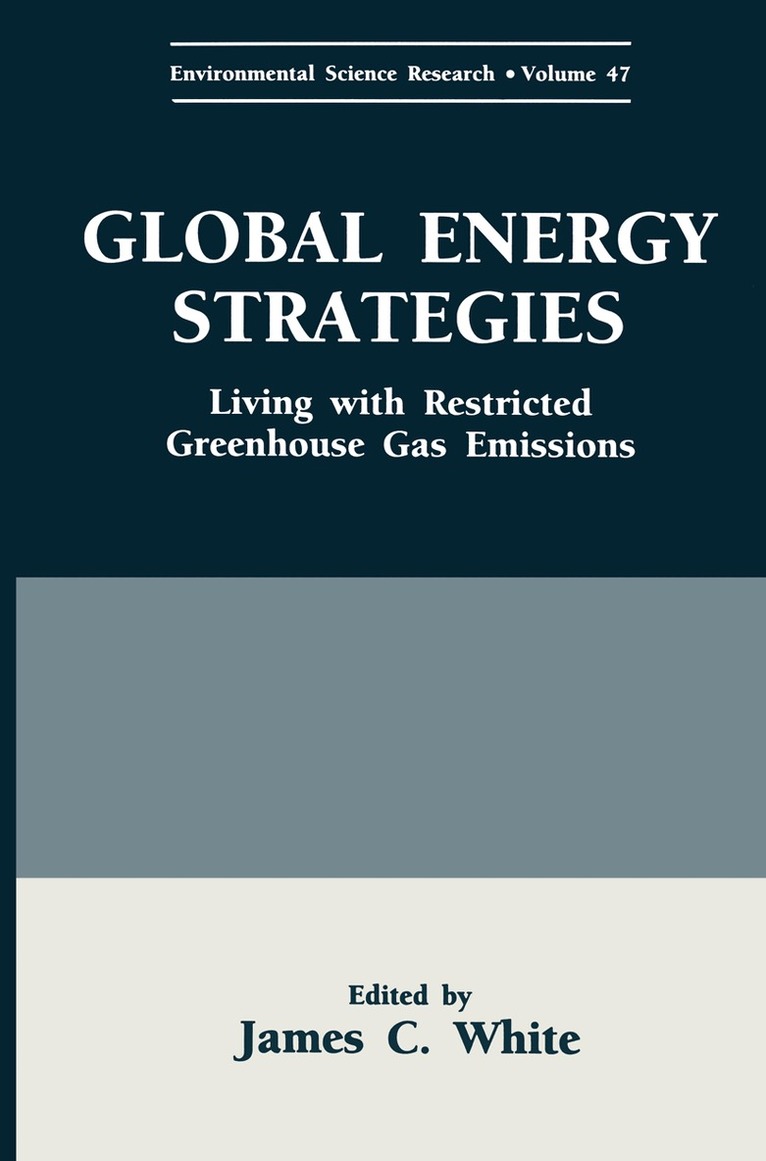
The world is getting warmer. Among scientists concerned with global climate change this is the broad consensus. How fast and by how much, are questions which cannot be answered quantitatively, but the probability of rising temperatures must be faced in a prudent manner - there is enough certainty of change so that we must anticipate and prepare before irreparable damage is done to our world. Even if it isn't going to be as bad as some people think, the actions we propose will benefit the earth and give us a kind of insurance. The root of the change is population growth, and its attendant demand for energy. While the developed world expects to hold future emissions relatively steady, the developing countries, where population growth is most rampant, will expand the use of energy as they aspire to a better quality of life. H greater energy use is inevitable it behooves us to produce that energy in the least objectionable manner, and to produce it where the cost is lowest in dollars, GNP, and environmental change.
1 062 kr
Skickas inom 10-15 vardagar
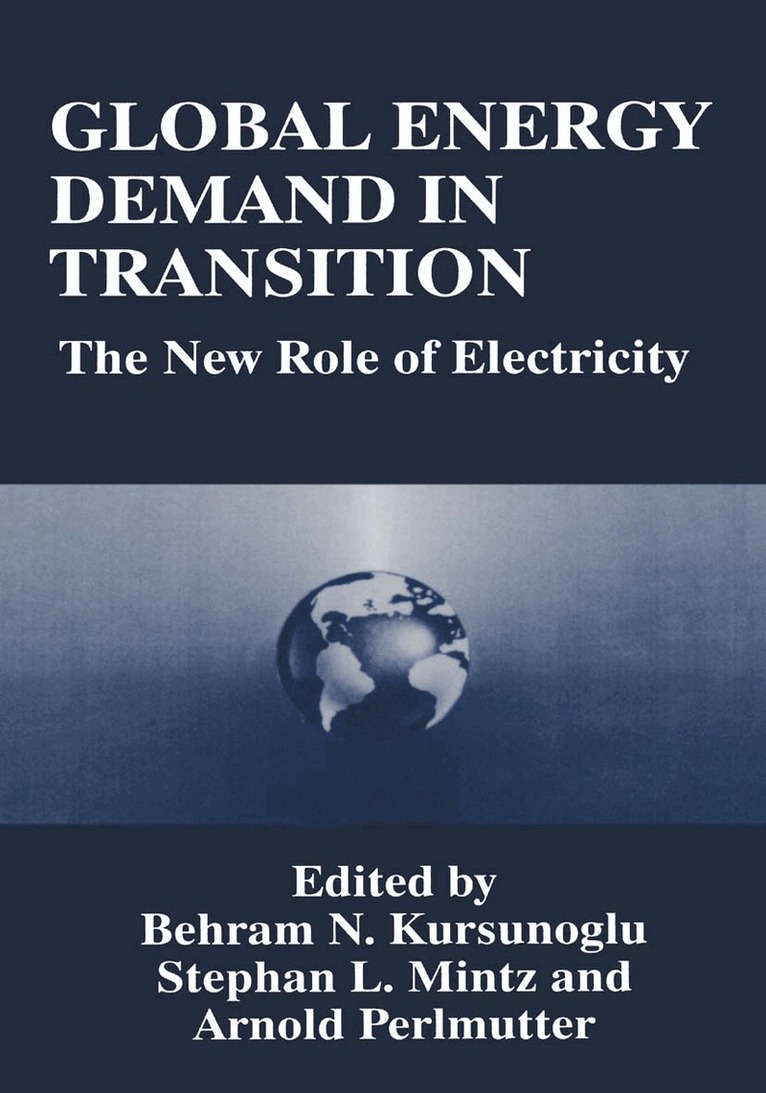
The annual conferences on energy, which were begun in 1977, continued to 1992 and resumed again in 1994. The theme of the 1994 conference was "Global Energy Demand in Transition: The New Role ofElectricity. " Global energy production, distribution, and utilization is in astate of transition toward an increased and more diversified use of electricity, which is the safest, most versatile, and cleanest form of secondary energy. Electricity is easy to generate, transmit, and distribute, making its use practically universal. These facts make it urgent to explore the technological prospects and long term availability of environmentally benign energy sources for generating electricity. It is expected that the conference will be useful to the governments in formulating their energy policies and to the public utilities for their long term planning. The conference has: 1) assessed the increase and diversification in the use of electricity; 2) assessed the technological prospects for clean energy sources that still require more research and development, i. e. solar, hydrogen, nuclear (fission and fusion), etc. ; 3) assessed the roles of non-market factors and possible improved decision processes on energy and environmental issues; 4) made concrete recommendations regarding research and development policies and regulations to expedite the transition to a dependable, safer, and benign electricity-based energy complex; 5) studied the cost impact: price, environment, safety, and international security; 6) provided an analysis of an expected transition from the fossil fuel transportation to electrical transportation (e. g.