James D. Lilley – författare
Visar alla böcker från författaren James D. Lilley. Handla med fri frakt och snabb leverans.
3 produkter
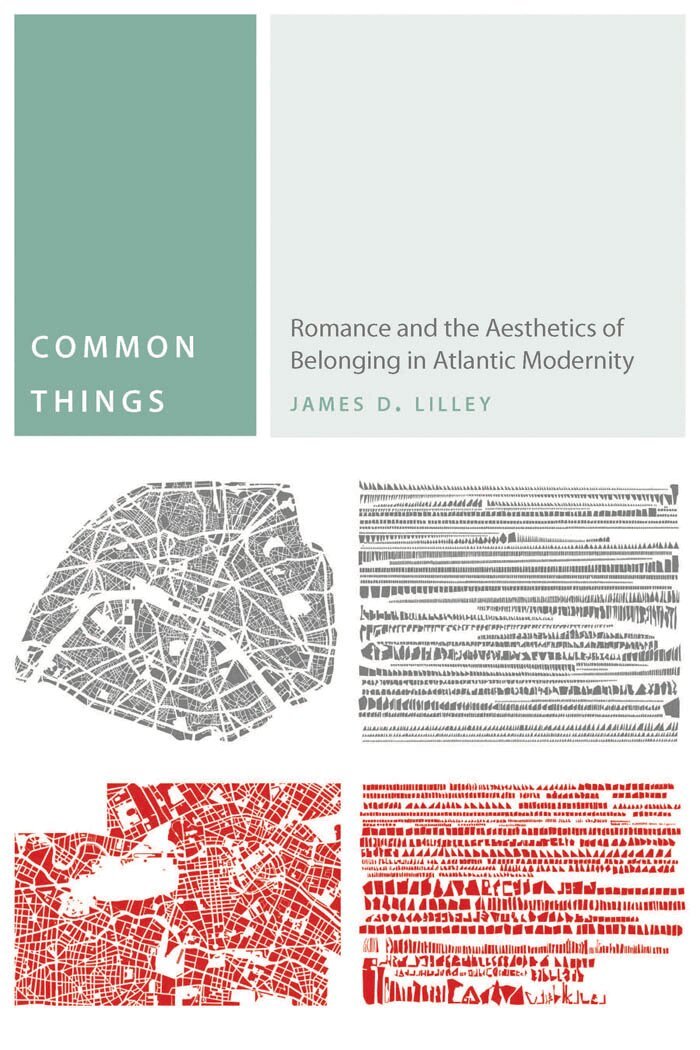
Common Things
Romance and the Aesthetics of Belonging in Atlantic Modernity
Inbunden, 2013
723 kr
Lägg i varukorg
What are the relationships between the books we read and the communities we share? Common Things explores how transatlantic romance revivals of the eighteenth and nineteenth century influenced—and were influenced by—emerging modern systems of community.Drawing on the work of Washington Irving, …
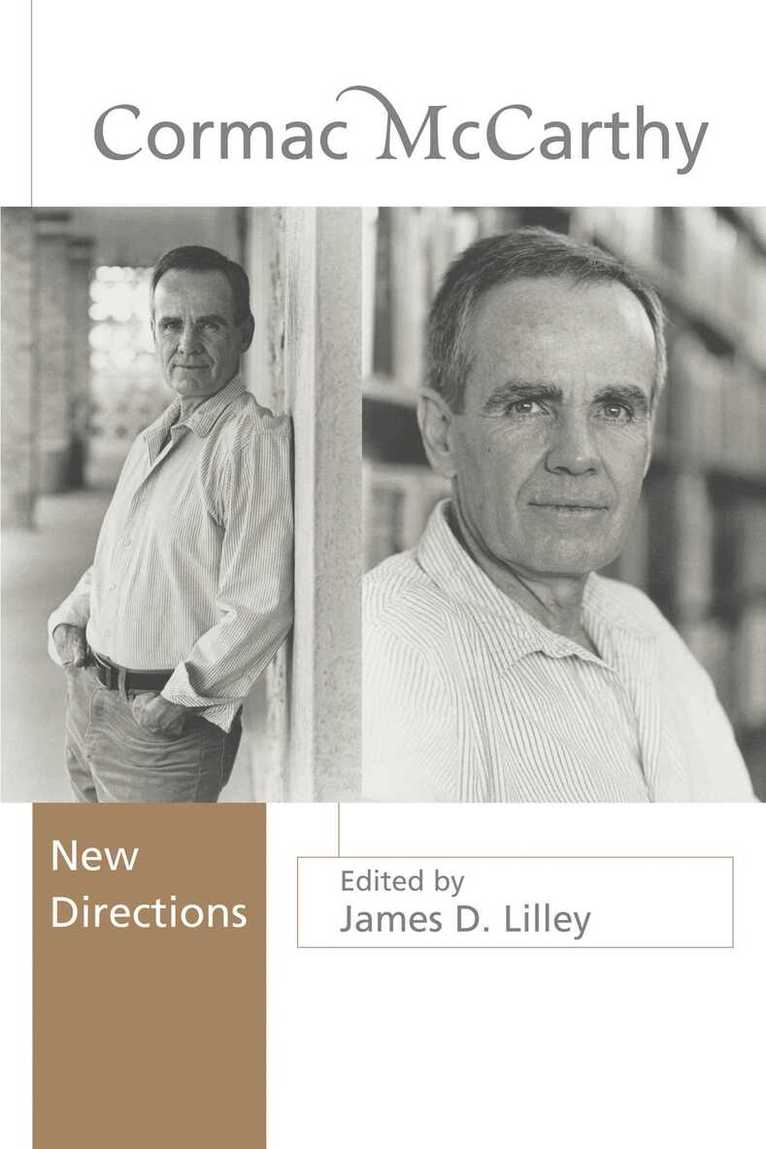
Cormac McCarthy
New Directions
Häftad, 2014
710 kr
Lägg i varukorg
Even before Harold Bloom designated Blood Meridian as the Great American Novel, Cormac McCarthy had attracted unprecedented attention as a novelist who is both serious and successful, a rare combination in recent American fiction. Critics have been quick to address McCarthy’s indebtedness to …
Cormac McCarthy
New Directions
E-bok, 2014
558 kr
Lägg i varukorg
Even before Harold Bloom designated Blood Meridian as the Great American Novel, Cormac McCarthy had attracted unprecedented attention as a novelist who is both serious and successful, a rare combination in recent American fiction. Critics have been quick to address McCarthy’s indebtedness to …