James D. Ryan – författare
Visar alla böcker från författaren James D. Ryan. Handla med fri frakt och snabb leverans.
5 produkter
Spiritual Expansion of Medieval Latin Christendom: The Asian Missions
Inbunden, 2013
3753 kr
Lägg i varukorg
During the thirteenth and fourteenth centuries religious zeal nourished by the mendicants’ sense of purpose motivated Dominican and Franciscan friars to venture far beyond Europe’s cultural frontiers to spread their Christian faith into the farthest reaches of Asia. Their incredible journeys were …
Spiritual Expansion of Medieval Latin Christendom: The Asian Missions
E-bok, 2017
4369 kr
Lägg i varukorg
During the thirteenth and fourteenth centuries religious zeal nourished by the mendicants’ sense of purpose motivated Dominican and Franciscan friars to venture far beyond Europe’s cultural frontiers to spread their Christian faith into the farthest reaches of Asia. Their incredible journeys …
Spiritual Expansion of Medieval Latin Christendom: The Asian Missions
E-bok, 2017
4369 kr
Lägg i varukorg
During the thirteenth and fourteenth centuries religious zeal nourished by the mendicants’ sense of purpose motivated Dominican and Franciscan friars to venture far beyond Europe’s cultural frontiers to spread their Christian faith into the farthest reaches of Asia. Their incredible journeys …
Workbook of Diagnostics for Cardiac Implantable Devices
Av David L. Hayes, James D. Ryan m. fl.
Häftad, 2020
1804 kr
Lägg i varukorg
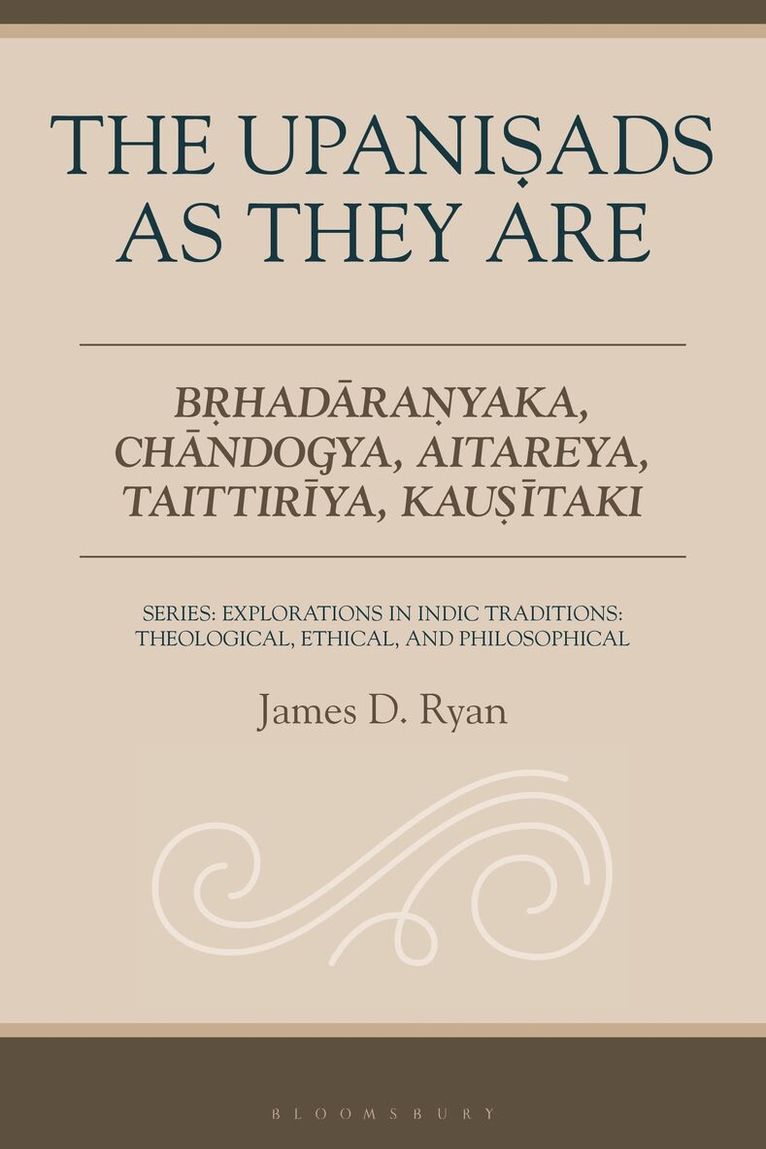
Upanisads as They Are
Brhadaranyaka, Chandogya, Aitareya, Taittiriya, Kausitaki
Inbunden, 2026
1212 kr
Lägg i varukorg
This book argues that the early classical Upanisads constitute a “field of wildflowers” of insight that later Vedanta has tried to fashion into a proper garden. These Upanisads (c. 800-300 BCE) are almost always read from the point of view of the later Vedantins, but they do not share in the neatly …