James H. Meriwether - Böcker
Visar alla böcker från författaren James H. Meriwether. Handla med fri frakt och snabb leverans.
3 produkter
3 produkter
462 kr
Skickas inom 10-15 vardagar
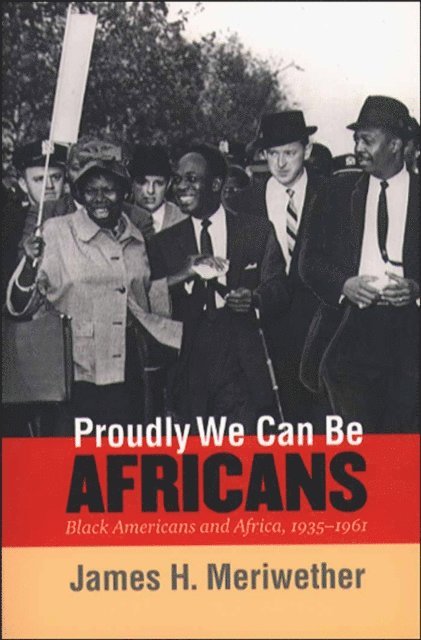
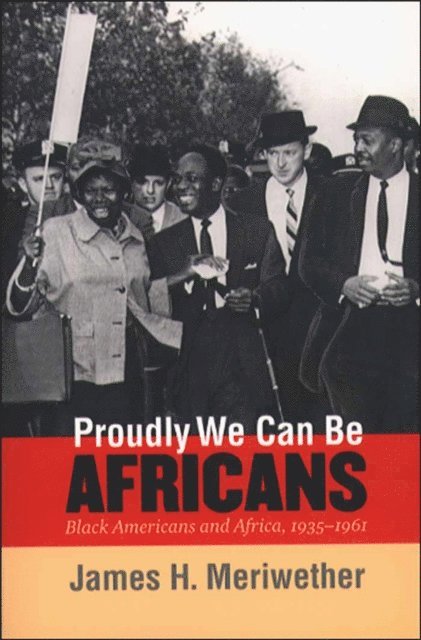
The mid-twentieth century witnessed nations across Africa fighting for their independence from colonial forces. By examining black Americans' attitudes toward and responses to these liberation struggles, James Meriwether probes the shifting meaning of Africa in the intellectual, political, and social lives of African Americans. Paying particular attention to such important figures and organizations as W. E. B. Du Bois, Martin Luther King Jr., and the NAACP, he renders a remarkably nuanced portrait of African American opinion. Meriwether builds the book around seminal episodes in modern African history, including nonviolent protests against apartheid in South Africa, Ghana's drive for independence under Kwame Nkrumah, and Patrice Lumumba's murder in the Congo. Viewing these events within the context of their own changing lives, especially in regard to the U.S. civil rights struggle, African Americans have continually reconsidered their relationship to contemporary Africa and vigorously debated how best to translate their concerns into action in the international arena. Grounded in black Americans' encounters with Africa, this transnational history sits astride the leading issues of the twentieth century: race, civil rights, anticolonialism, and the intersections of domestic race relations and U.S. foreign relations.
1 054 kr
Skickas inom 10-15 vardagar
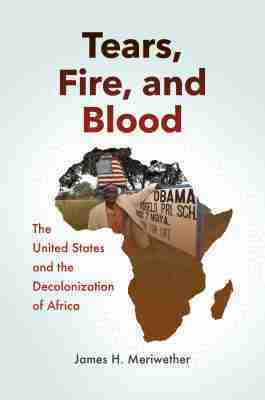
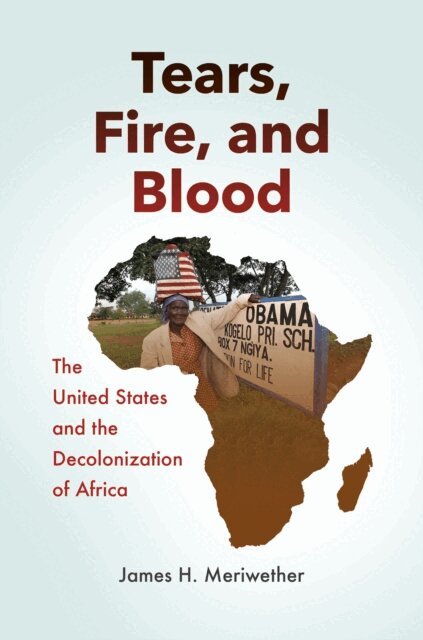
In the mid-twentieth century, decolonization fundamentally changed foreign relations as it converged with Black and Brown freedom movements, the establishment of the United Nations and NATO, an exploding Cold War, and a burgeoning world human rights movement. Dramatic events swept through Africa at a furious pace, with fifty nations gaining independence in roughly fifty years, as the struggle against colonial rule fundamentally reshaped the world and the lives of the majority of the world's population. Meanwhile, the United States emerged as the most powerful and influential nation in the world, with the ability—politically, economically, militarily, and morally—to help or hinder the transformation of the African continent. Tears, Fire, and Blood offers a sweeping history of how the United States responded to decolonization in Africa. James H. Meriwether explores how Washington, grappling with national security interests and racial prejudices, veered between strengthening African nationalist movements seeking majority rule and independence and bolstering anticommunist European allies seeking to maintain white rule. Events in Africa helped propel the Black freedom struggle around the world and ultimately forced the United States to confront its support for national ideals abroad as it fought over how to achieve equality at home.
331 kr
Skickas inom 11-20 vardagar
In the mid-twentieth century, decolonization fundamentally changed foreign relations as it converged with Black and Brown freedom movements, the establishment of the United Nations and NATO, an exploding Cold War, and a burgeoning world human rights movement. Dramatic events swept through Africa at a furious pace, with fifty nations gaining independence in roughly fifty years, as the struggle against colonial rule fundamentally reshaped the world and the lives of the majority of the world's population. Meanwhile, the United States emerged as the most powerful and influential nation in the world, with the ability—politically, economically, militarily, and morally—to help or hinder the transformation of the African continent. Tears, Fire, and Blood offers a sweeping history of how the United States responded to decolonization in Africa. James H. Meriwether explores how Washington, grappling with national security interests and racial prejudices, veered between strengthening African nationalist movements seeking majority rule and independence and bolstering anticommunist European allies seeking to maintain white rule. Events in Africa helped propel the Black freedom struggle around the world and ultimately forced the United States to confront its support for national ideals abroad as it fought over how to achieve equality at home.