James H. Sweet – författare
Visar alla böcker från författaren James H. Sweet. Handla med fri frakt och snabb leverans.
12 produkter
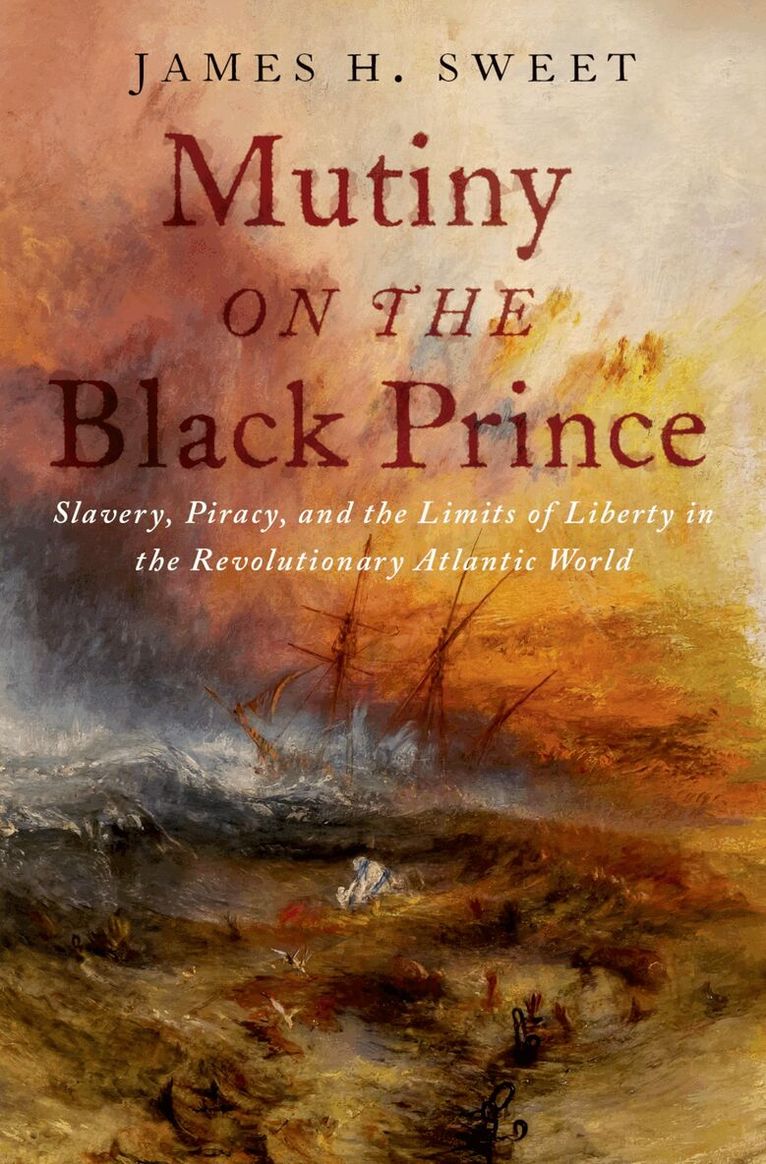
Mutiny on the Black Prince
Slavery, Piracy, and the Limits of Liberty in the Revolutionary Atlantic World
Inbunden, 2025
418 kr
Lägg i varukorg
The dramatic story of a mutiny aboard an eighteenth-century British ship and how its owners effectively rallied the power of the British Crown to protect their investment and expand their wealth and political power across multiple generations.In 1768, the British slave ship Black Prince, departed …
Mutiny on the Black Prince
Slavery, Piracy, and the Limits of Liberty in the Revolutionary Atlantic World
E-bok, 2024
422 kr
Lägg i varukorg
The dramatic story of a mutiny aboard an eighteenth-century British ship and how its owners effectively rallied the power of the British Crown to protect their investment and expand their wealth and political power across multiple generations. In 1768, the British slave ship Black Prince , departed …
Mutiny on the Black Prince
Slavery, Piracy, and the Limits of Liberty in the Revolutionary Atlantic World
E-bok, 2024
422 kr
Lägg i varukorg
The dramatic story of a mutiny aboard an eighteenth-century British ship and how its owners effectively rallied the power of the British Crown to protect their investment and expand their wealth and political power across multiple generations. In 1768, the British slave ship Black Prince , departed …
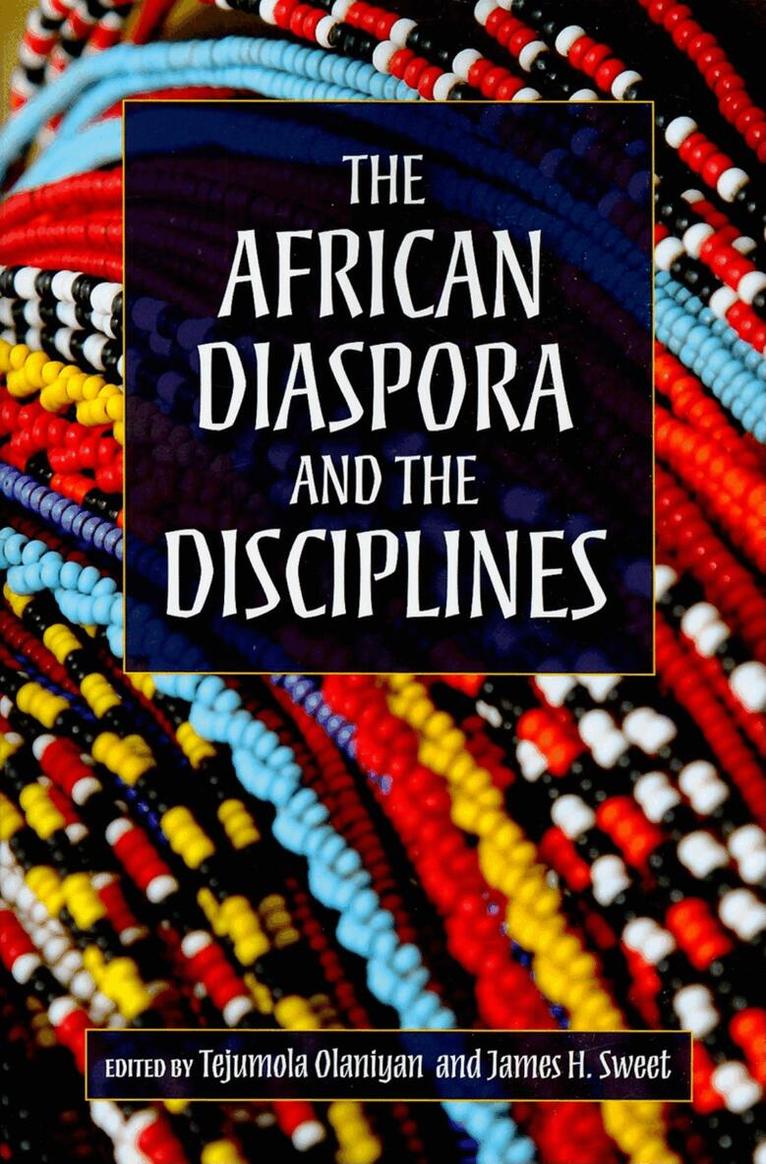
African Diaspora and the Disciplines
Av Moyo Okediji, Tejumola Olaniyan m. fl.
Häftad, 2010
329 kr
Lägg i varukorg
Focusing on the problems and conflicts of doing African diaspora research from various disciplinary perspectives, these essays situate, describe, and reflect on the current practice of diaspora scholarship. Tejumola Olaniyan, James H. Sweet, and the international group of contributors assembled …
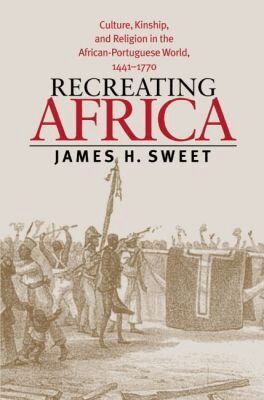
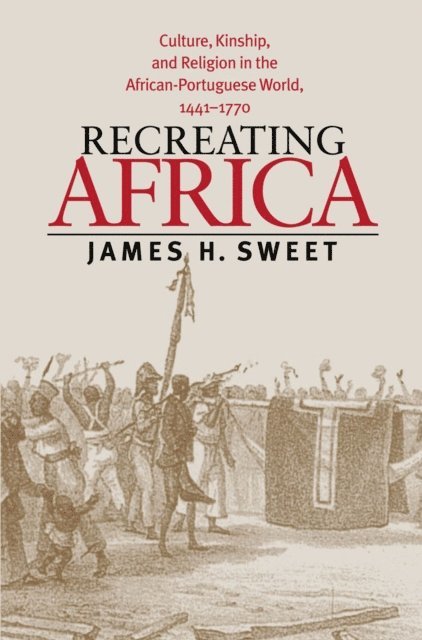
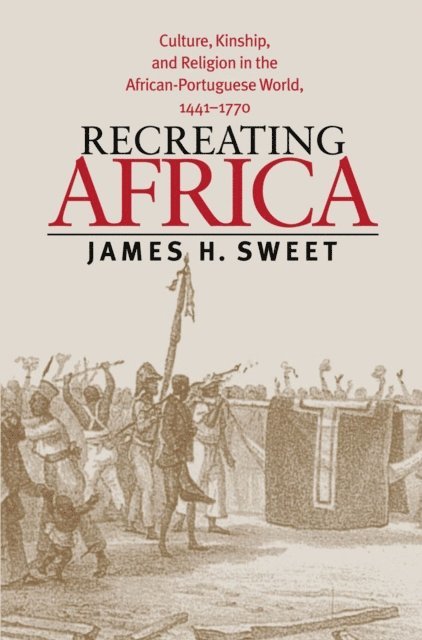
Recreating Africa
Culture, Kinship, and Religion in the African-Portuguese World, 1441-1770
Häftad, 2003
487 kr
Lägg i varukorg
Exploring the cultural lives of African slaves in the early colonial Portuguese world, with an emphasis on the more than one million Central Africans who survived the journey to Brazil, James Sweet lifts a curtain on their lives as Africans rather than incipient Brazilians. Focusing first on the …
Recreating Africa
Culture, Kinship, and Religion in the African-Portuguese World, 1441-1770
E-bok, 2004
520 kr
Lägg i varukorg
Exploring the cultural lives of African slaves in the early colonial Portuguese world, with an emphasis on the more than one million Central Africans who survived the journey to Brazil, James Sweet lifts a curtain on their lives as Africans rather than as incipient Brazilians. Focusing first on the …
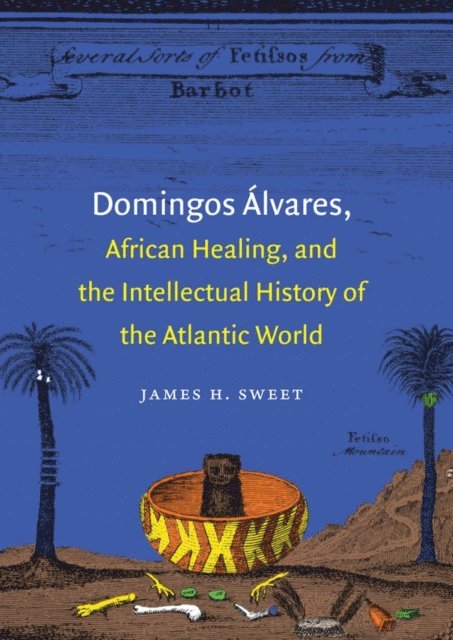
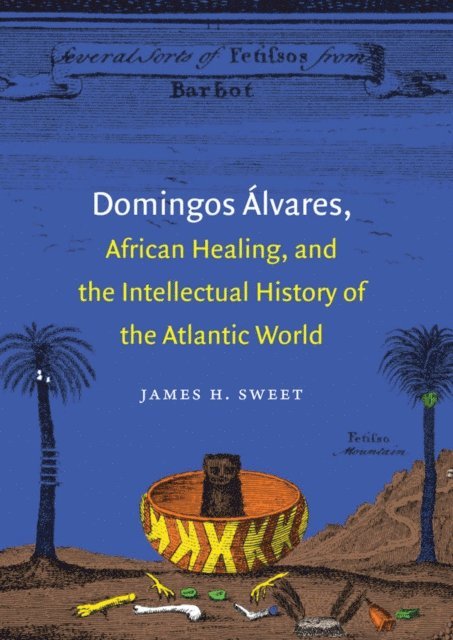
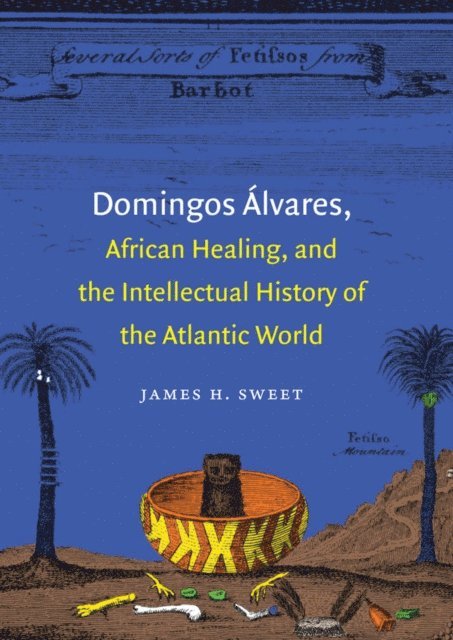
Domingos Alvares, African Healing, and the Intellectual History of the Atlantic World
E-bok, 2011
460 kr
Lägg i varukorg
Between 1730 and 1750, powerful healer and vodun priest Domingos Álvares traversed the colonial Atlantic world like few Africans of his time — from Africa to South America to Europe — addressing the profound alienation of warfare, capitalism, and the African slave trade through the language of …
Domingos Alvares, African Healing, and the Intellectual History of the Atlantic World
E-bok, 2013
1039 kr
Lägg i varukorg
Between 1730 and 1750, Domingos Alvares traversed the colonial Atlantic world like few Africans of his time--from Africa to South America to Europe. By tracing the steps of this powerful African healer and vodun priest, James Sweet finds dramatic means for unfolding a history of the …
Domingos Álvares, African Healing, and the Intellectual History of the Atlantic World
Häftad, 2013
460 kr
Lägg i varukorg
Between 1730 and 1750, Domingos Alvares traversed the colonial Atlantic world like few Africans of his time--from Africa to South America to Europe. By tracing the steps of this powerful African healer and vodun priest, James Sweet finds dramatic means for unfolding a history of the …
Domingos Alvares, African Healing, and the Intellectual History of the Atlantic World
E-bok, 2011
460 kr
Lägg i varukorg
Between 1730 and 1750, powerful healer and vodun priest Domingos Álvares traversed the colonial Atlantic world like few Africans of his time — from Africa to South America to Europe — addressing the profound alienation of warfare, capitalism, and the African slave trade through the language of …
Recreating Africa
Culture, Kinship, and Religion in the African-Portuguese World, 1441-1770
E-bok, 2004
520 kr
Lägg i varukorg
Exploring the cultural lives of African slaves in the early colonial Portuguese world, with an emphasis on the more than one million Central Africans who survived the journey to Brazil, James Sweet lifts a curtain on their lives as Africans rather than as incipient Brazilians. Focusing first on the …
Domingos Alvares, African Healing, and the Intellectual History of the Atlantic World
E-bok, 2013
1143 kr
Lägg i varukorg
Between 1730 and 1750, powerful healer and vodun priest Domingos lvares traversed the colonial Atlantic world like few Africans of his time from Africa to South America to Europe addressing the profound alienation of warfare, capitalism, and the African slave trade through the language of health …