James L. Fitzsimmons - Böcker
Visar alla böcker från författaren James L. Fitzsimmons. Handla med fri frakt och snabb leverans.
4 produkter
4 produkter
317 kr
Skickas inom 5-8 vardagar
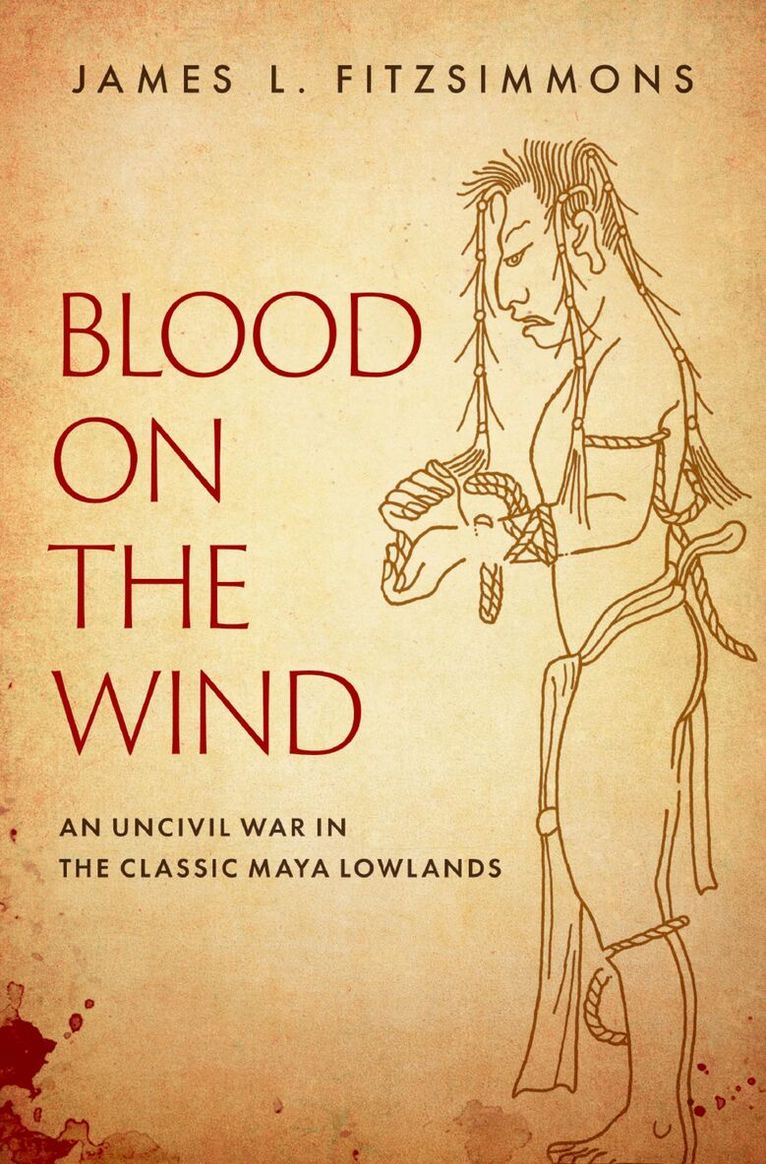
The story most often commonly told about the Maya involves their spectacular collapse at the height of their civilization in the early ninth century CE. Crops died, disease and malnutrition spread, and scorched earth warfare became common. People lost faith in their governments and moved to the Caribbean coast, the mountains of Guatemala, or further afield. But there is another tale that is equally compelling. One hundred years earlier, a group of kings known as the Snakes created a League and were able to force, cajole, or convince their fellow rulers to work towards common causes. In so doing, they took the first small steps towards something that had never existed in the Maya area: an empire.Blood on the Wind narrates this dramatic episode during the Classic Maya period (250-850 CE). From present-day central Mexico across central America, the League attempted to subdue their enemies and transition to an imperial force. In the heart of the lowlands, they created soaring temples, luxurious palaces, and public spaces that continue to captivate visitors to this region. Despite their achievements, a brutal, now forgotten war ensued, and the imperial experiment failed. Bringing to light the colorful individuals involved and their ambitions and flaws, Mesoamerican expert James L. Fitzsimmons recovers the world of this embryonic empire. Family rivalry, greed, grievances, and blindly clinging to the past meant that future generations would live in an environment where each kingdom made its own political and economic choices--but without the benefit of a stronger union.
657 kr
Skickas inom 7-10 vardagar
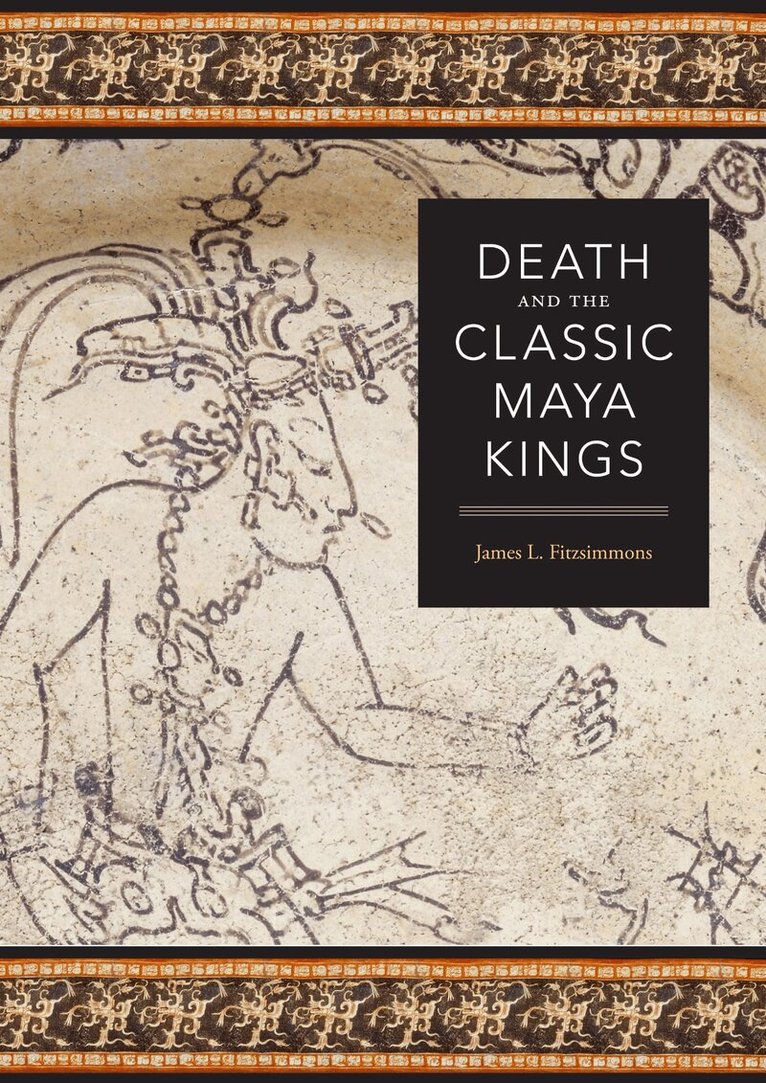
Like their regal counterparts in societies around the globe, ancient Maya rulers departed this world with elaborate burial ceremonies and lavish grave goods, which often included ceramics, red pigments, earflares, stingray spines, jades, pearls, obsidian blades, and mosaics. Archaeological investigation of these burials, as well as the decipherment of inscriptions that record Maya rulers' funerary rites, have opened a fascinating window on how the ancient Maya envisaged the ruler's passage from the world of the living to the realm of the ancestors.Focusing on the Classic Period (AD 250-900), James Fitzsimmons examines and compares textual and archaeological evidence for rites of death and burial in the Maya lowlands, from which he creates models of royal Maya funerary behavior. Exploring ancient Maya attitudes toward death expressed at well-known sites such as Tikal, Guatemala, and Copan, Honduras, as well as less-explored archaeological locations, Fitzsimmons reconstructs royal mortuary rites and expands our understanding of key Maya concepts including the afterlife and ancestor veneration.
427 kr
Skickas inom 7-10 vardagar
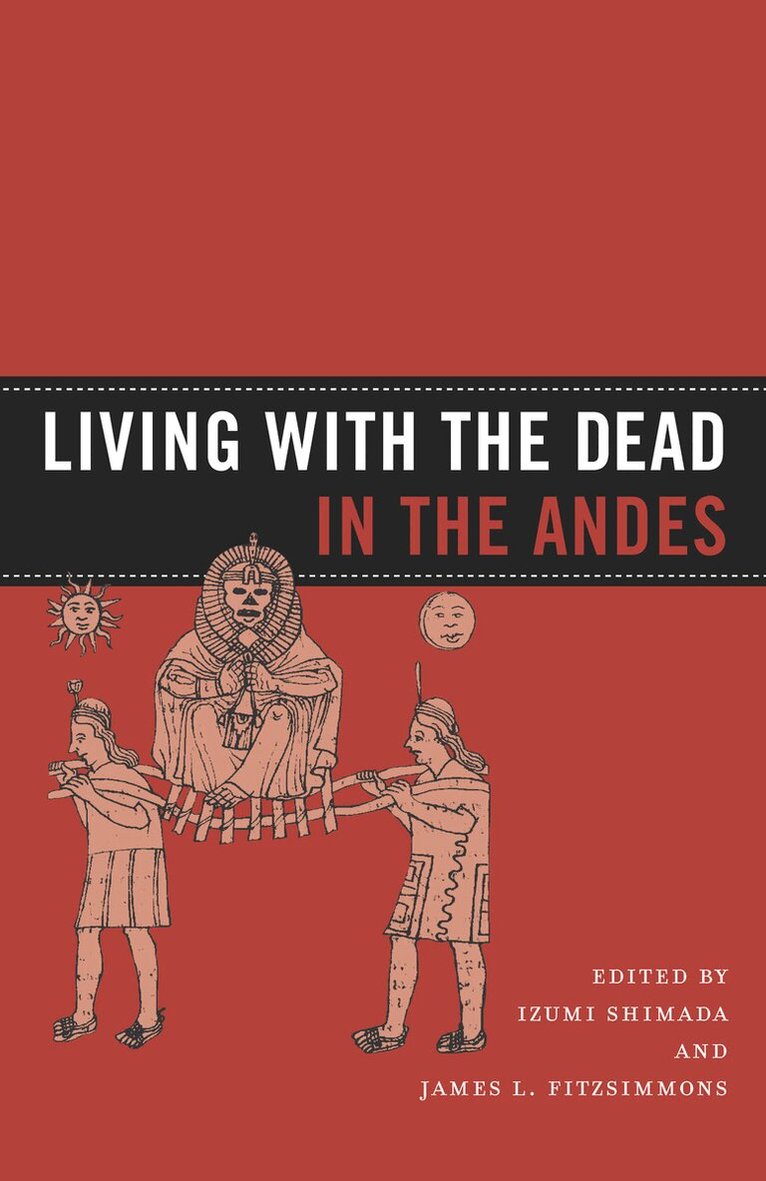
The Andean idea of death differs markedly from the Western view. In the Central Andes, particularly the highlands, death is not conceptually separated from life, nor is it viewed as a permanent state. People, animals, and plants simply transition from a soft, juicy, dynamic life to drier, more lasting states, like dry corn husks or mummified ancestors. Death is seen as an extension of vitality. Living with the Dead in the Andes considers recent research by archaeologists, bioarchaeologists, ethnographers, and ethnohistorians whose work reveals the diversity and complexity of the dead-living interaction. The book's contributors reap the salient results of this new research to illuminate various conceptions and treatments of the dead: 'bad' and 'good' dead, mummified and preserved, the body represented by art or effigies, and personhood in material and symbolic terms. Death does not end or erase the emotional bonds established in life, and a comprehensive understanding of death requires consideration of the corpse, the soul, and the mourners. Lingering sentiment and memory of the departed seems as universal as death itself, yet often it is economic, social, and political agendas that influence the interactions between the dead and the living. Nine chapters written by scholars from diverse countries and fields offer data-rich case studies and innovative methodologies and approaches. Chapters include discussions on the archaeology of memory, archaeothanatology (analysis of the transformation of the entire corpse and associated remains), a historical analysis of postmortem ritual activities, and ethnosemantic-iconographic analysis of the living-dead relationship. This insightful book focuses on the broader concerns of life and death.
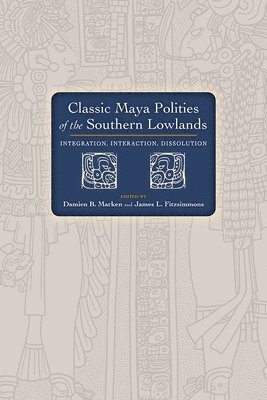
Classic Maya Polities of the Southern Lowlands
Integration, Interaction, Dissolution
Inbunden, Engelska, 2015
786 kr
Tillfälligt slut
Classic Maya Polities of the Southern Lowlands investigates Maya political and social structure in the southern lowlands, assessing, comparing, and interpreting the wide variation in Classic period Maya polity and city composition, development, and integration. Traditionally, discussions of Classic Maya political organization have been dominated by the debate over whether Maya polities were centralized or decentralized. With new, largely unpublished data from several recent archaeological projects, this book examines the premises, strengths, and weaknesses of these two perspectives before moving beyond this long-standing debate and into different territory.The volume examines the articulations of the various social and spatial components of Maya polity—the relationships, strategies, and practices that bound households, communities, institutions, and dynasties into enduring (or short-lived) political entities. By emphasizing the internal negotiation of polity, the contributions provide an important foundation for a more holistic understanding of how political organization functioned in the Classic period.Contributors include Francisco Estrada Belli, James L. Fitzsimmons, Sarah E. Jackson, Caleb Kestle, Brigitte Kovacevich, Allan Maca, Damien B. Marken, James Meierhoff, Timothy Murtha, Cynthia Robin, Alexandre Tokovinine, and Andrew Wyatt.