James P. Pfiffner – författare
Visar alla böcker från författaren James P. Pfiffner. Handla med fri frakt och snabb leverans.
16 produkter
Presidency and the Persian Gulf War
Av Raymond Moore, James Pfiffner m. fl.
Inbunden, 1993
1066 kr
Lägg i varukorg
The book focuses on policy-making at the highest levels of the United States government. Chapter contributors examine political, military, and foreign policy processes from micro and macro perspectives in documenting how President Bush personally dominated U.S. national security policy and was the …
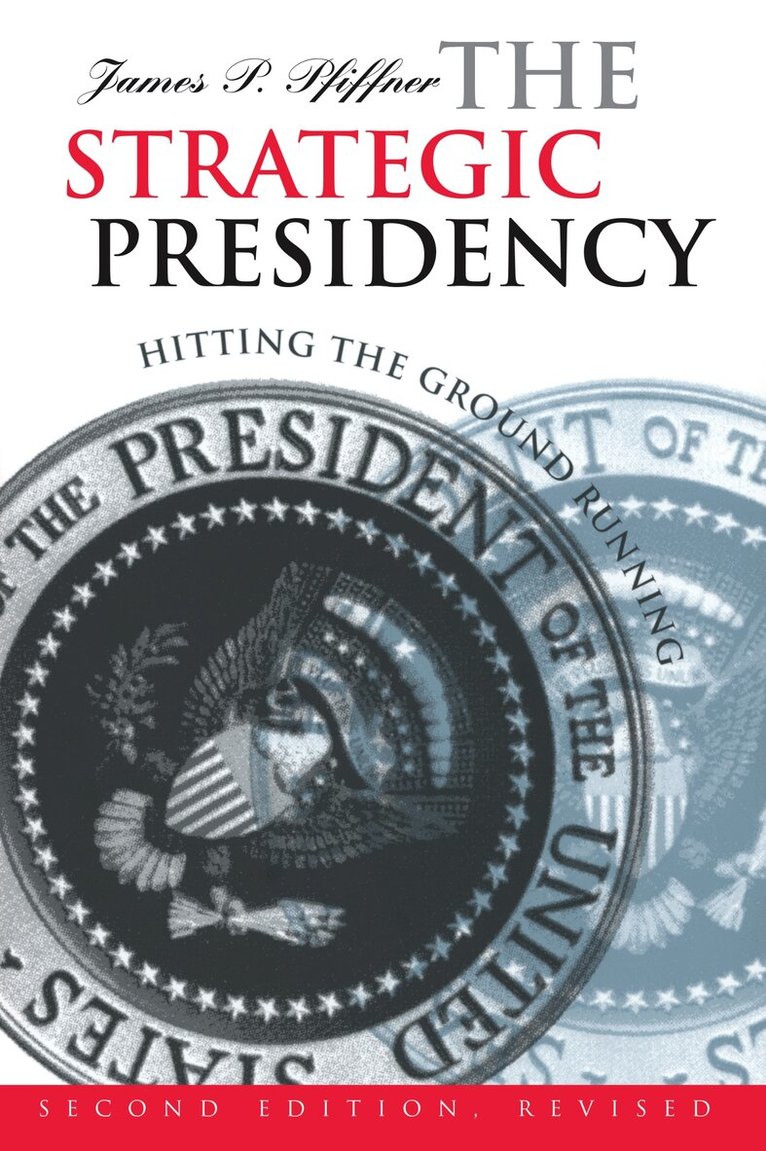
Strategic Presidency
Hitting the Ground Running
Häftad, 1996
332 kr
Lägg i varukorg
This work provides an analysis of presidential transitions from JFK to Bill Clinton. The author argues that, in order to accomplish his policy objectives, a new president must always first gain control of and organise the government.
Power Play
The Bush Presidency and the Constitution
E-bok, 2009
353 kr
Lägg i varukorg
The framers of the U.S. Constitution divided the federal government's powers among three branches: the executive, the legislative, and the judiciary. Their goal was to prevent tyranny by ensuring that none of the branches could govern alone. While numerous presidents have sought to escape these …
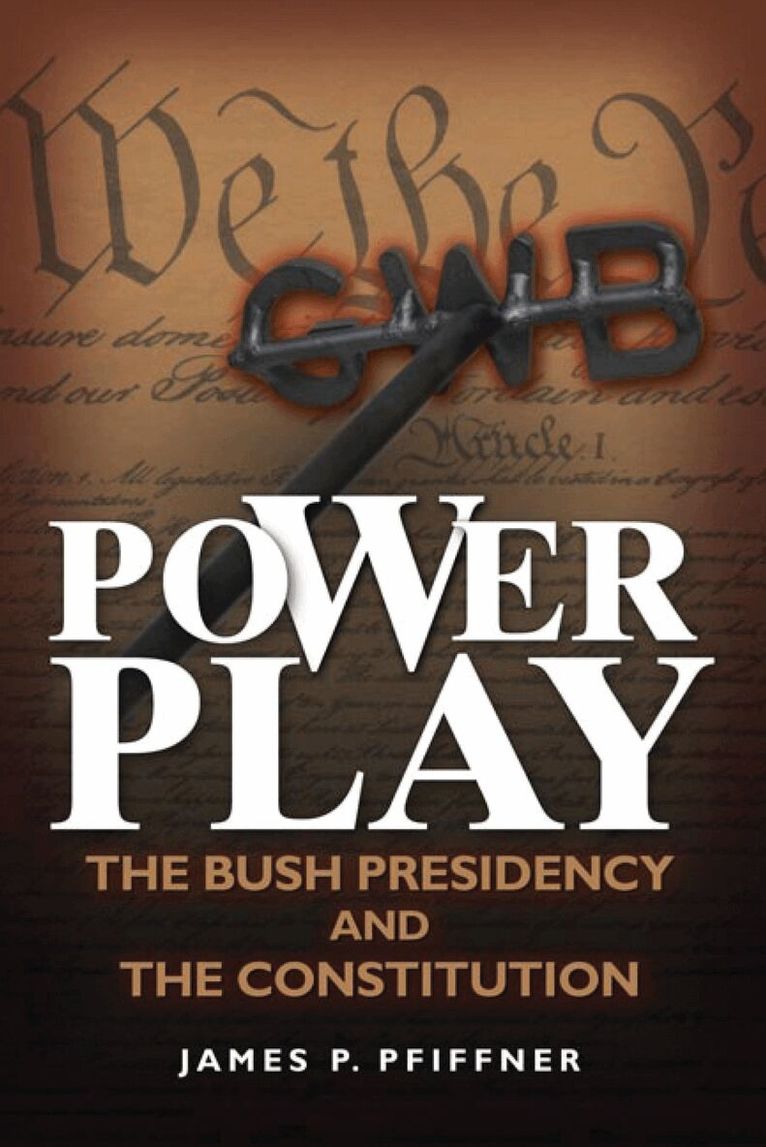
Power Play
The Bush Presidency and the Constitution
Häftad, 2009
318 kr
Lägg i varukorg
The framers of the U.S. Constitution divided the federal government's powers among three branches: the executive, the legislative, and the judiciary. Their goal was to prevent tyranny by ensuring that none of the branches could govern alone. While numerous presidents have sought to escape these …
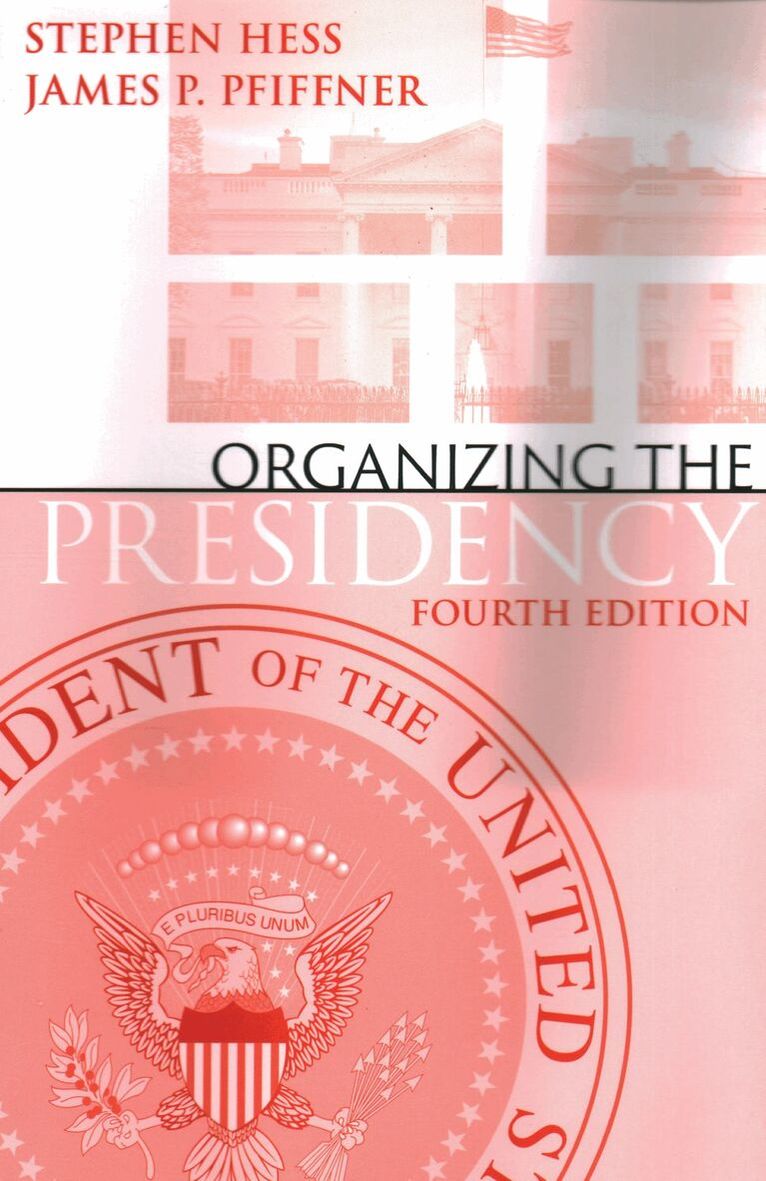
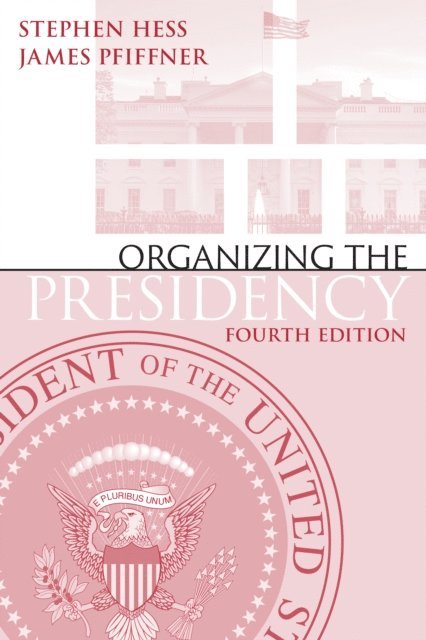
Organizing the Presidency
Av Stephen Hess, James P. Pfiffner
Häftad, 2020
300 kr
Lägg i varukorg
Examining how the White House worksor doesn'tbefore and after TrumpDonald Trump has reinvented the presidency, transforming it from a well-oiled if sometimes cumbersome institution into what has often seemed to be a one-man show. But even Trump's unorthodox presidency requires institutional …
Organizing the Presidency
Av Stephen Hess, James P. Pfiffner
E-bok, 2020
499 kr
Lägg i varukorg
Examining how the White House worksor doesn''tbefore and after Trump Donald Trump has reinvented the presidency, transforming it from a well-oiled if sometimes cumbersome institution into what has often seemed to be a one-man show. But even Trump''s unorthodox presidency requires institutional …
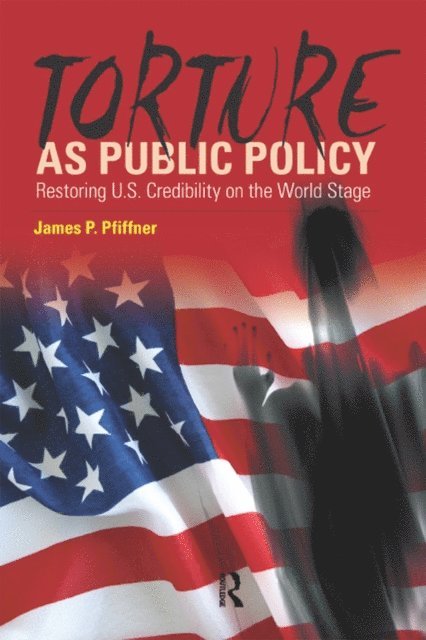
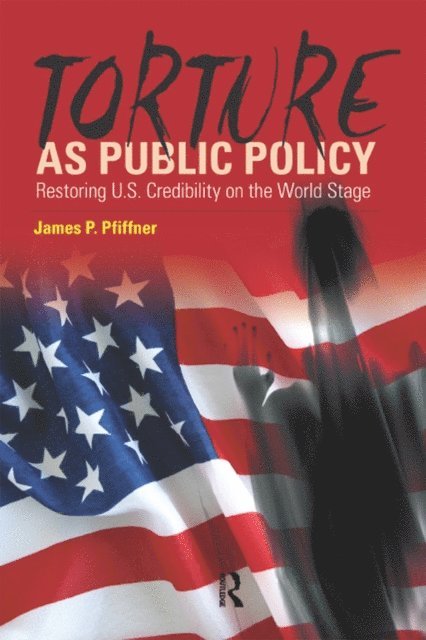
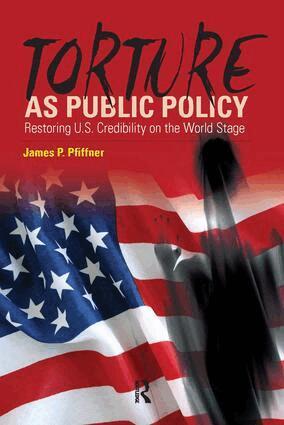
Torture As Public Policy
Restoring U.S. Credibility on the World Stage
E-bok, 2015
813 kr
Lägg i varukorg
After September 11, 2001 the Bush Administration decided that the most important intelligence about terrorism would come from the interrogation of captives suspected of terrorism. As a result, many detainees were subject to harsh interrogation techniques that at times amounted to torture. Here, …
Torture As Public Policy
Restoring U.S. Credibility on the World Stage
E-bok, 2015
813 kr
Lägg i varukorg
After September 11, 2001 the Bush Administration decided that the most important intelligence about terrorism would come from the interrogation of captives suspected of terrorism. As a result, many detainees were subject to harsh interrogation techniques that at times amounted to torture. Here, …
Torture As Public Policy
Restoring U.S. Credibility on the World Stage
Inbunden, 2009
2524 kr
Lägg i varukorg
After September 11, 2001 the Bush Administration decided that the most important intelligence about terrorism would come from the interrogation of captives suspected of terrorism. As a result, many detainees were subject to harsh interrogation techniques that at times amounted to torture. Here, …
Torture As Public Policy
Restoring U.S. Credibility on the World Stage
Häftad, 2010
689 kr
Lägg i varukorg
After September 11, 2001 the Bush Administration decided that the most important intelligence about terrorism would come from the interrogation of captives suspected of terrorism. As a result, many detainees were subject to harsh interrogation techniques that at times amounted to torture. Here, …
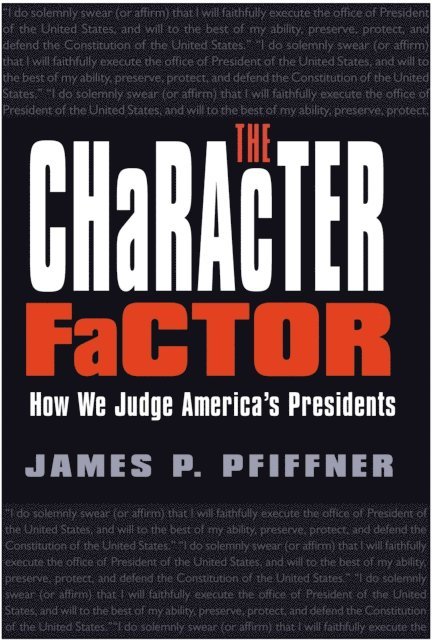
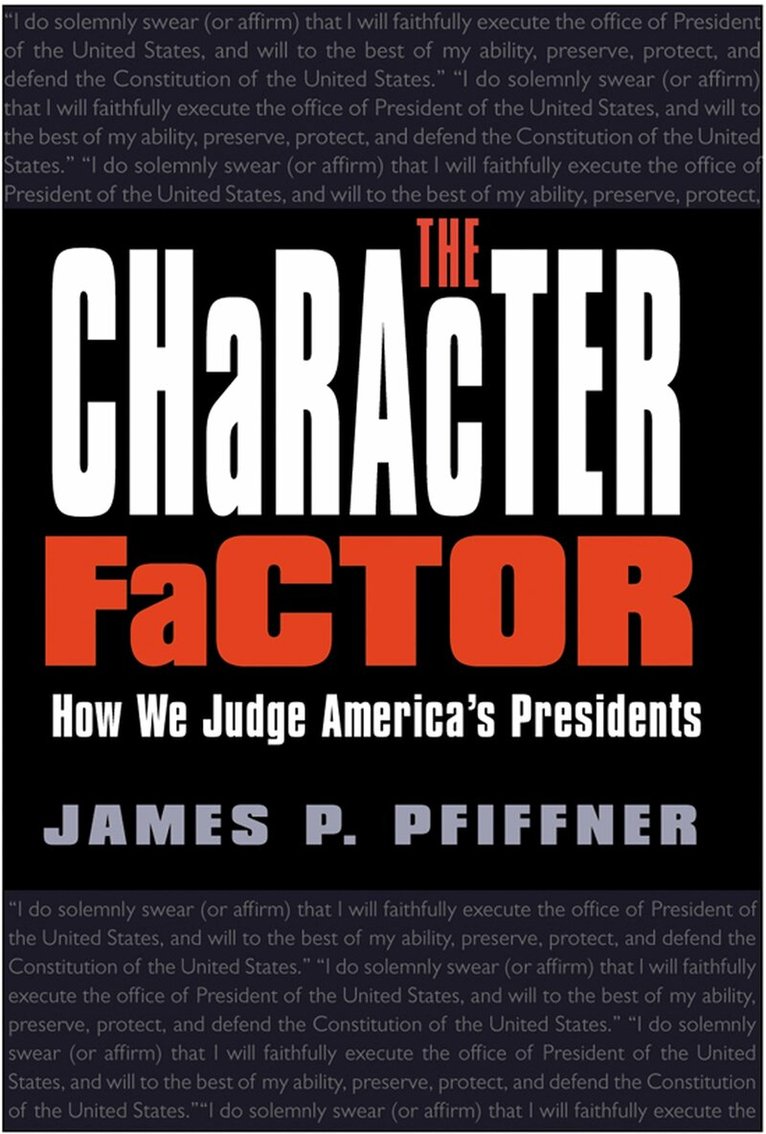
Character Factor
How We Judge America''s Presidents
E-bok, 2003
152 kr
Lägg i varukorg
WATERGATE. MONICA LEWINSKY. PAINKILLERS IN THE OVAL OFFICE. IRAN-CONTRA. READ MY LIPS. THE CHARACTER FACTOR. The American president’s character matters. To most Americans, it matters deeply. But how do we define what character means, and why can’t we agree? In this sober, probing consideration of …
Strategic Presidency
Hitting the Ground Running
Inbunden, 1996
399 kr
Tillfälligt slut
This work provides an analysis of presidential transitions from JFK to Bill Clinton. The author argues that, in order to accomplish his policy objectives, a new president must always first gain control of and organise the government.
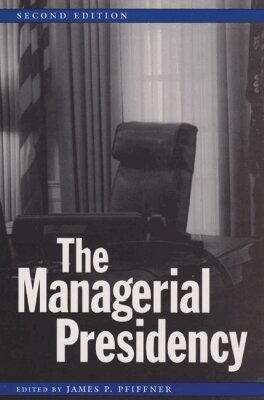
Managerial Presidency, Second Edition
Inbunden, 1999
343 kr
Tillfälligt slut
As the scope and size of the U.S. government has expanded, the importance of good management to the success of a presidency has also increased. Although good management cannot guarantee political or policy success, poor management can certainly undermine good policy and political efforts.In this …
Managerial Presidency, Second Edition
Häftad, 1999
189 kr
Tillfälligt slut
As the scope and size of the U.S. government has expanded, the importance of good management to the success of a presidency has also increased. Although good management cannot guarantee political or policy success, poor management can certainly undermine good policy and political efforts. In this …
Character Factor
How We Judge America's Presidents
Inbunden, 2004
455 kr
Tillfälligt slut
The American president's character matters. To most Americans, it matters deeply. But how do we define what character means, and why can't we agree? In this sober, probing consideration of ""the character factor"" and the presidency, veteran political analyst James P. Pfiffner leads us through a …
Character Factor
How We Judge America's Presidents
Häftad, 2003
189 kr
Tillfälligt slut
The American president's character matters. To most Americans, it matters deeply. But how do we define what character means, and why can't we agree? In this sober, probing consideration of ""the character factor"" and the presidency, veteran political analyst James P. Pfiffner leads us through a …