James R Smither – författare
Visar alla böcker från författaren James R Smither. Handla med fri frakt och snabb leverans.
5 produkter
Death and Life in the Big Red One
A Soldier's World War II Journey from North Africa to Germany
Av Joseph P Olexa, James R Smither
Inbunden, 2023
409 kr
Lägg i varukorg
Joe Olexa enlisted in the US Army in December 1940, figuring that if he was going to be in a war, he might as well start training. Assigned to the 1st Infantry Division, nicknamed “The Big Red One,” he served in Company L of its 26th Infantry Regiment for the next four years. Along the way he …
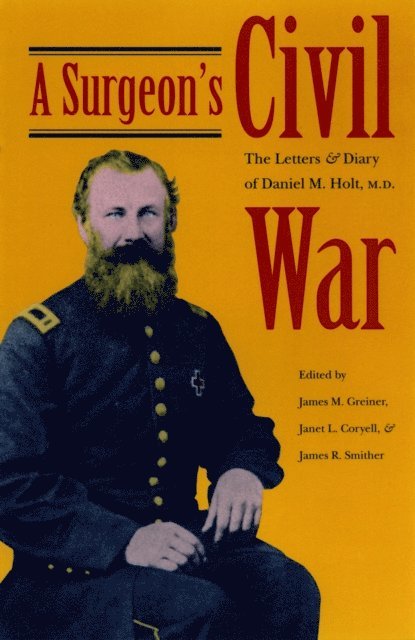
Surgeon's Civil War
The Letters and Diary of Daniel M. Holt, M.D.
Av James R. Smither, Janet L. Coryell m. fl.
E-bok, 2011
267 kr
Lägg i varukorg
Daniel M. Holt, a successful country doctor in the upstate village of Newport, New York, accepted the position of assistant surgeon in the 121st New York Volunteer Army in August 1862. At age 42 when he was commissioned, he was the oldest member of the staff. But his experience served him well, as …
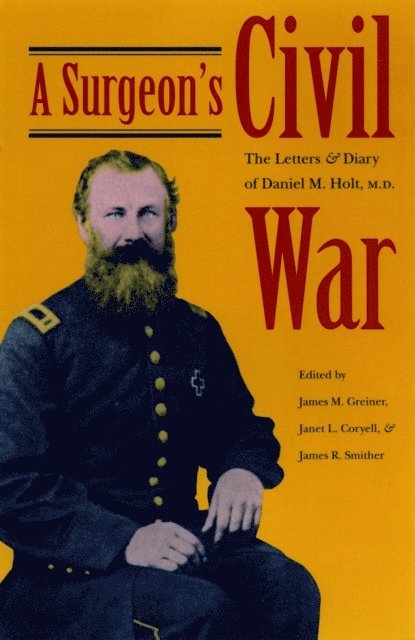
Surgeon's Civil War
The Letters and Diary of Daniel M. Holt, M.D.
Av James R. Smither, Janet L. Coryell m. fl.
E-bok, 2011
273 kr
Lägg i varukorg
Daniel M. Holt, a successful country doctor in the upstate village of Newport, New York, accepted the position of assistant surgeon in the 121st New York Volunteer Army in August 1862. At age 42 when he was commissioned, he was the oldest member of the staff. But his experience served him well, as …
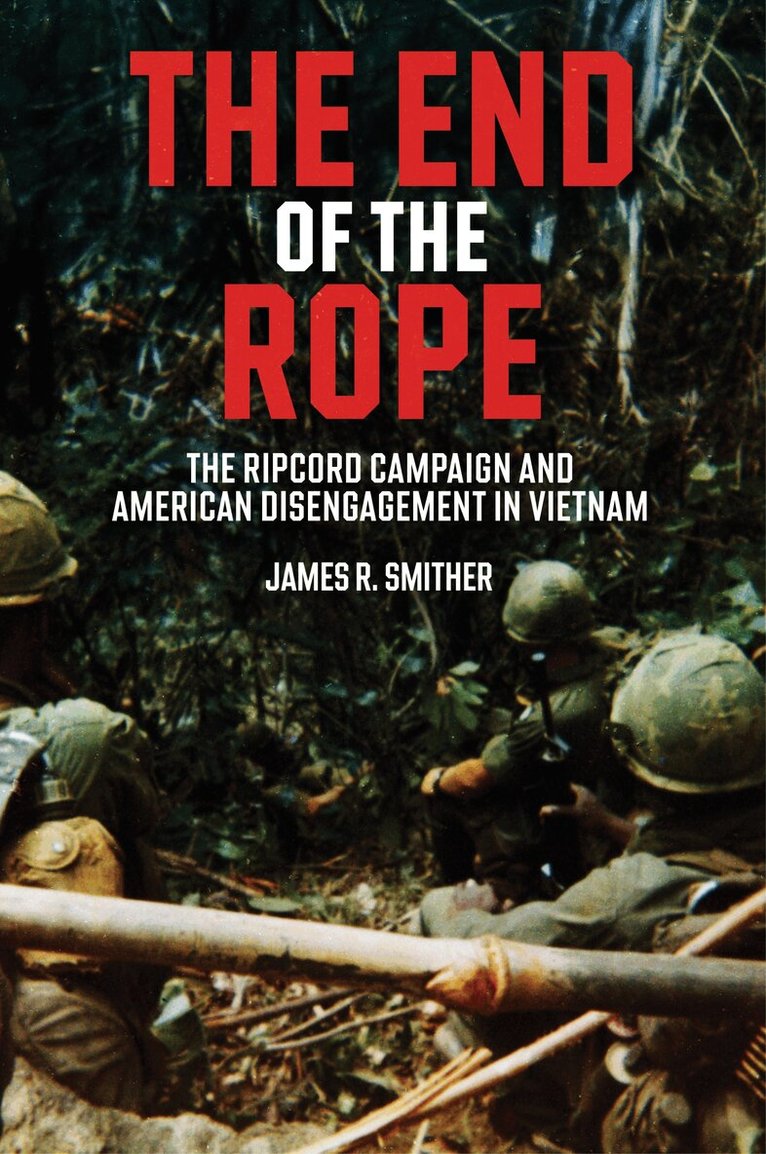
End of the Rope
The Ripcord Campaign and American Disengagement in Vietnam
Inbunden, 2026
449 kr
Lägg i varukorg
The campaign around Firebase Ripcord in 1970 was the last major American offensive effort in the Vietnam War. It went badly and is now little known. Elements of the 101st Airborne Division tried to go back to the area where the Hamburger Hill battles had been fought the year before, but they never …
Surgeon's Civil War
The Letters and Diary of Daniel M. Holt, M.D.
Av James M. Greiner, Janet L Coryell m. fl.
Häftad, 1991
338 kr
Tillfälligt slut
Daniel M. Holt, a successful country doctor in the upstate village of Newport, New York, accepted the position of assistant surgeon in the 121st New York Volunteer Army in August 1862. At age 42 when he was commissioned, he was the oldest member of the staff. But his experience served him well, as …