James R. Wible – författare
Visar alla böcker från författaren James R. Wible. Handla med fri frakt och snabb leverans.
10 produkter
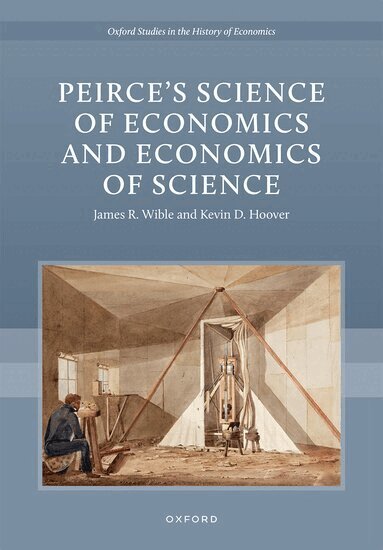
Peirce's Science of Economics and Economics of Science
Av James R. Wible, Kevin D. Hoover
Inbunden, 2026
2119 kr
Lägg i varukorg
Charles S. Peirce (1839-1914) is most famous today as a philosopher, the founder of the philosophical school of Pragmatism, and as a logician. In his own day, he was better known as a bench scientist, astronomer, and metrologist, renowned in the international scientific community for his …
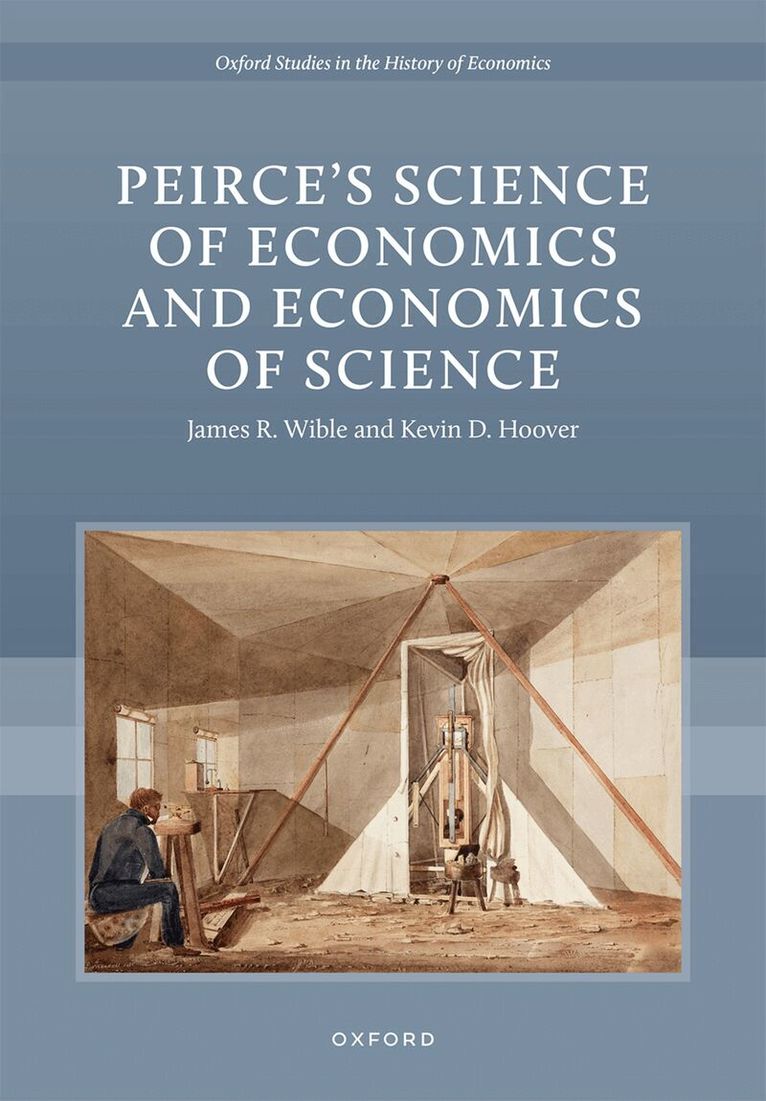
Peirceâs Science of Economics and Economics of Science
Av James R. Wible, Kevin D. Hoover
Häftad, 2026
435 kr
Lägg i varukorg
Charles S. Peirce (1839-1914) is most famous today as a philosopher, the founder of the philosophical school of Pragmatism, and as a logician. In his own day, he was better known as a bench scientist, astronomer, and metrologist, renowned in the international scientific community for his …
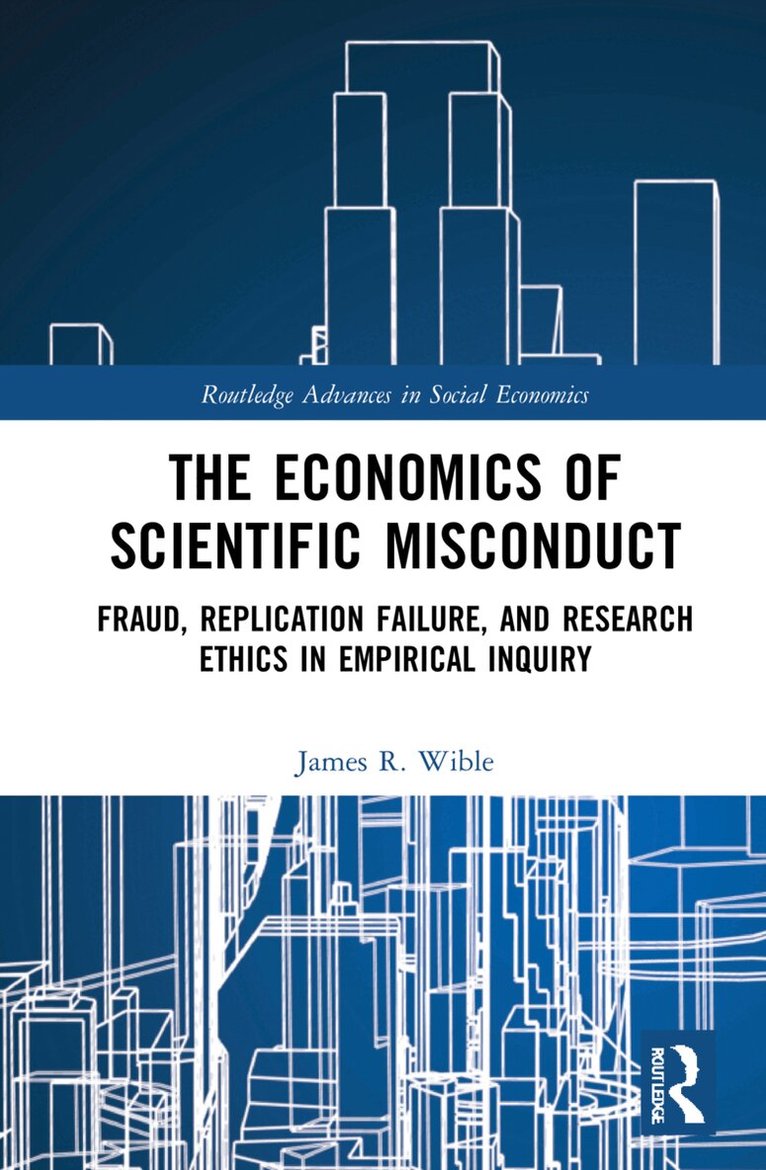
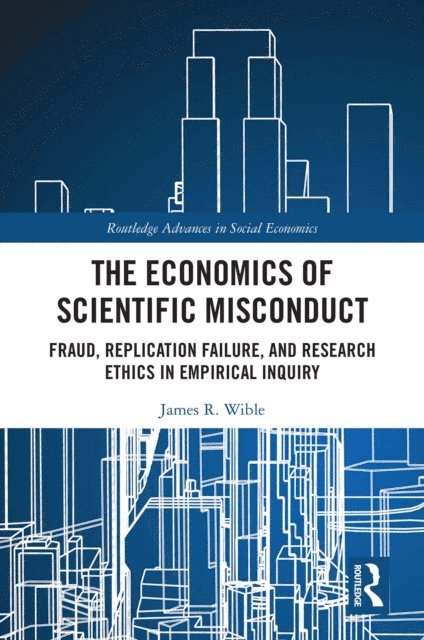
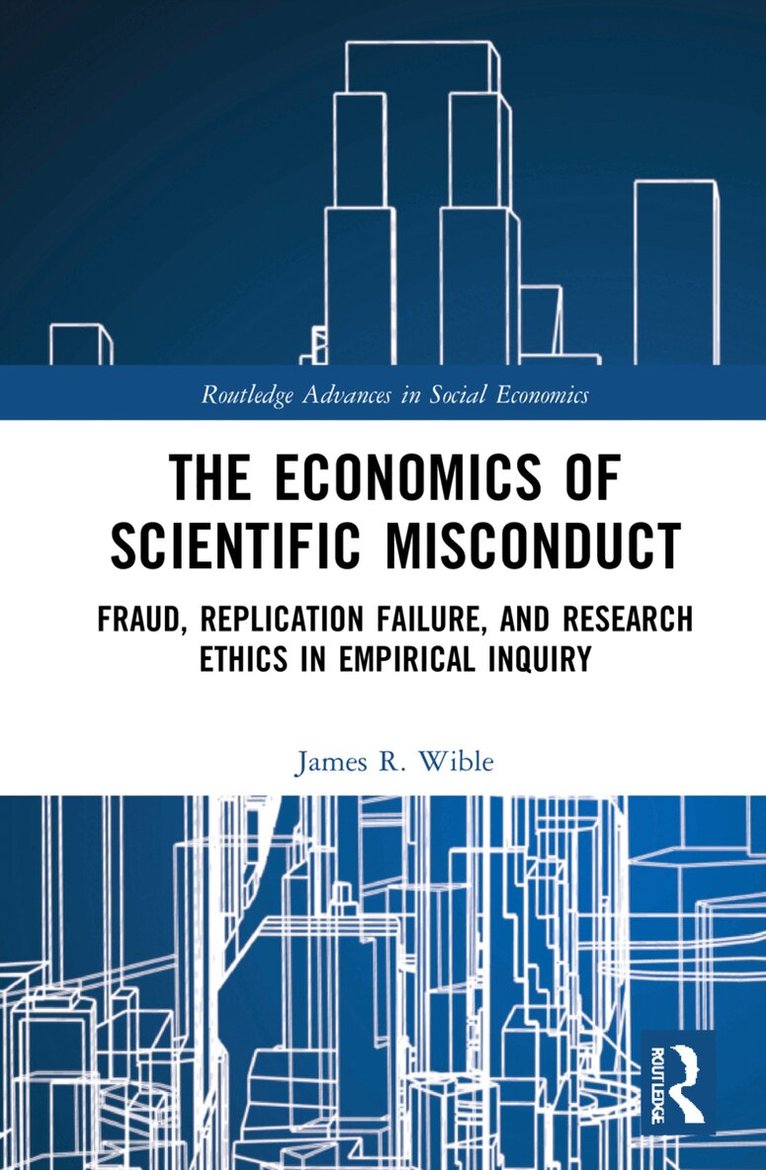
Economics of Scientific Misconduct
Fraud, Replication Failure, and Research Ethics in Empirical Inquiry
Inbunden, 2022
2504 kr
Lägg i varukorg
The Economics of Scientific Misconduct explores episodes of misconduct in the natural and biomedical sciences and replication failure in economics and psychology over the past half-century. Here scientific misconduct is considered from the perspective of a single discipline such as economics likely …
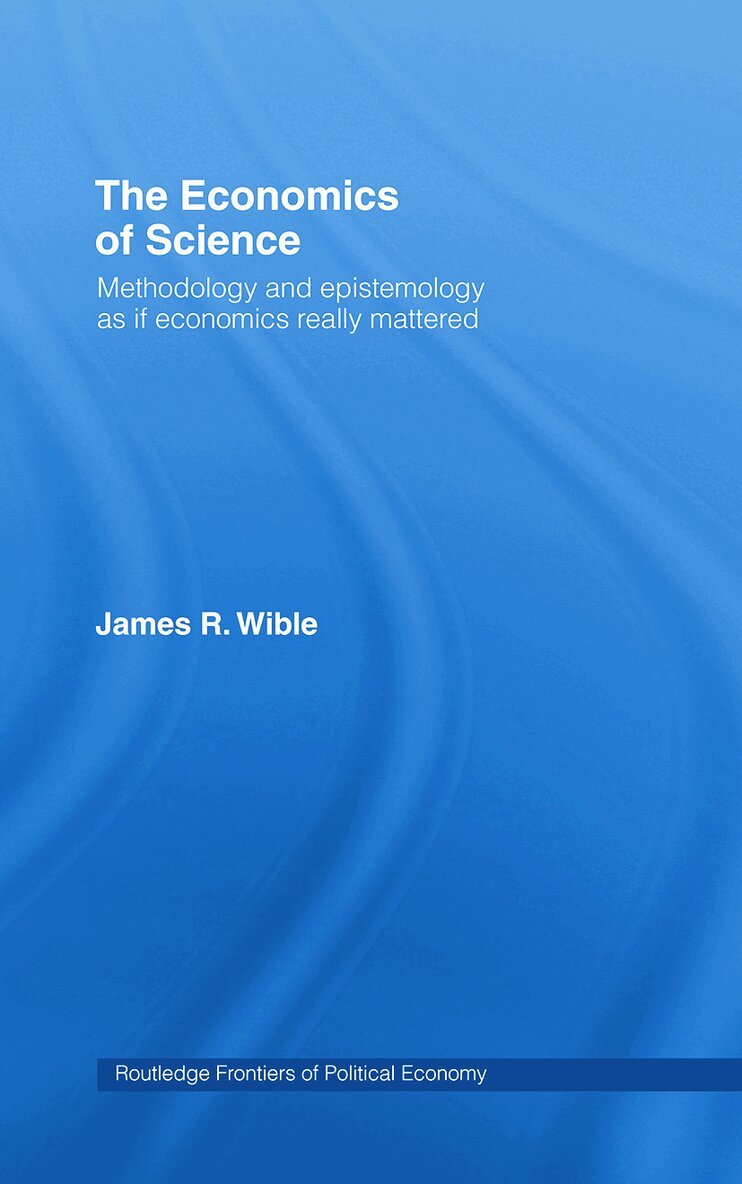
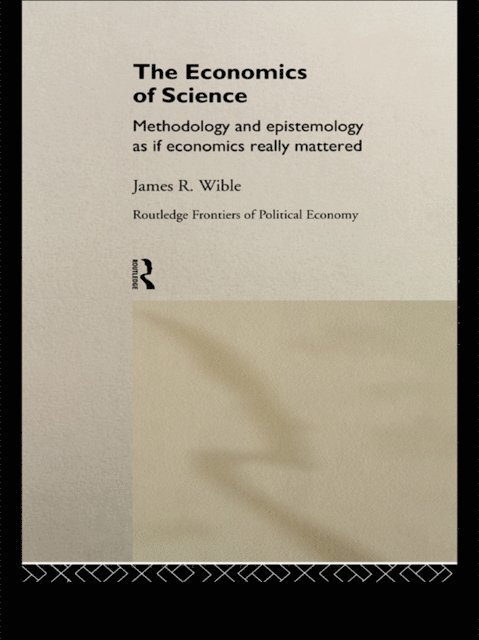
Economics of Science
Methodology and Epistemology as if Economics Really Mattered
Inbunden, 1997
2578 kr
Lägg i varukorg
Science is difficult and costly to do well. This study systematically creates an economics of science. Many aspects of science are explored from an economic point of view. The scientist is treated as an economically rational individual. This book begins with economic models of misconduct in science …
Economics of Science
Methodology and Epistemology as if Economics Really Mattered
Häftad, 2014
934 kr
Lägg i varukorg
Science is difficult and costly to do well. This study systematically creates an economics of science. Many aspects of science are explored from an economic point of view. The scientist is treated as an economically rational individual. This book begins with economic models of misconduct in science …
Economics of Scientific Misconduct
Fraud, Replication Failure, and Research Ethics in Empirical Inquiry
E-bok, 2022
762 kr
Lägg i varukorg
The Economics of Scientific Misconduct explores episodes of misconduct in the natural and biomedical sciences and replication failure in economics and psychology over the past half-century. Here scientific misconduct is considered from the perspective of a single discipline such as economics likely …
Economics of Scientific Misconduct
Fraud, Replication Failure, and Research Ethics in Empirical Inquiry
E-bok, 2022
746 kr
Lägg i varukorg
The Economics of Scientific Misconduct explores episodes of misconduct in the natural and biomedical sciences and replication failure in economics and psychology over the past half-century. Here scientific misconduct is considered from the perspective of a single discipline such as economics likely …
Economics of Scientific Misconduct
Fraud, Replication Failure, and Research Ethics in Empirical Inquiry
Häftad, 2024
665 kr
Lägg i varukorg
The Economics of Scientific Misconduct explores episodes of misconduct in the natural and biomedical sciences and replication failure in economics and psychology over the past half-century. Here scientific misconduct is considered from the perspective of a single discipline such as economics likely …
Economics of Science
Methodology and Epistemology as if Economics Really Mattered
E-bok, 2003
981 kr
Lägg i varukorg
Science is difficult and costly to do well. This study systematically creates an economics of science. Many aspects of science are explored from an economic point of view. The scientist is treated as an economically rational individual. This book begins with economic models of misconduct in science …
Economics of Science
Methodology and Epistemology as if Economics Really Mattered
E-bok, 2003
953 kr
Lägg i varukorg
Science is difficult and costly to do well. This study systematically creates an economics of science. Many aspects of science are explored from an economic point of view. The scientist is treated as an economically rational individual. This book begins with economic models of misconduct in science …