James Reason – författare
Visar alla böcker från författaren James Reason. Handla med fri frakt och snabb leverans.
27 produkter
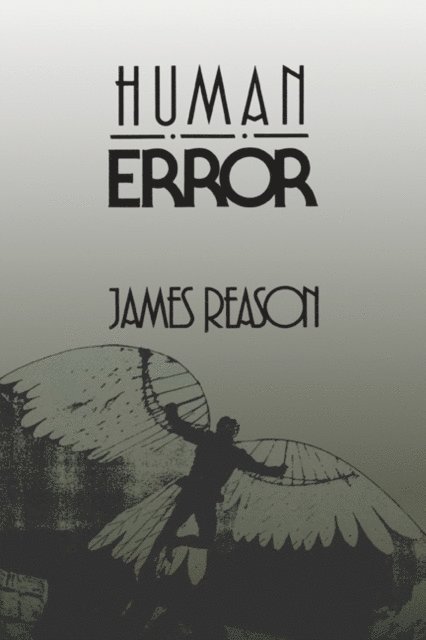
Human Error
Av James Reason
Häftad, 1990
705 kr
Lägg i varukorg
Human Error, published in 1991, is a major theoretical integration of several previously isolated literatures. Particularly important is the identification of cognitive processes common to a wide variety of error types. Technology has now reached a point where improved safety can only be achieved …
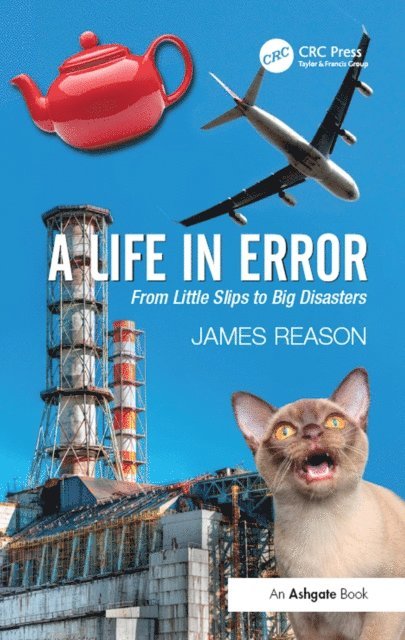
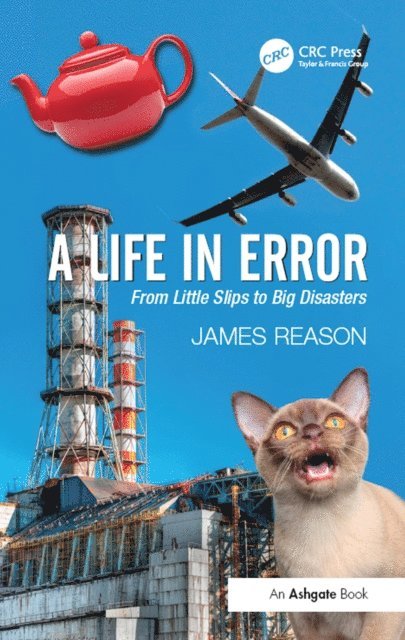
Life in Error
From Little Slips to Big Disasters
Av James Reason
Häftad, 2013
799 kr
Lägg i varukorg
This succinct but absorbing book covers the main way stations on James Reason’s 40-year journey in pursuit of the nature and varieties of human error. In it he presents an engrossing and very personal perspective, offering the reader exceptional insights, wisdom and wit as only James Reason can. …
Human Error
Av James Reason
E-bok, 1990
745 kr
Lägg i varukorg
Human Error, published in 1991, is a major theoretical integration of several previously isolated literatures. Particularly important is the identification of cognitive processes common to a wide variety of error types. Technology has now reached a point where improved safety can only be achieved …
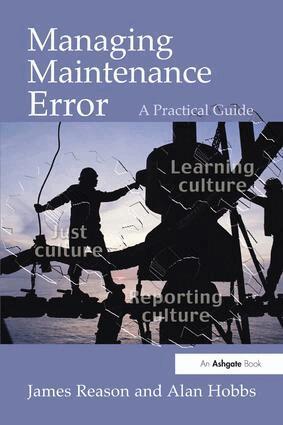
Managing Maintenance Error
A Practical Guide
Inbunden, 2003
2746 kr
Lägg i varukorg
Situations and systems are easier to change than the human condition - particularly when people are well-trained and well-motivated, as they usually are in maintenance organisations. This is a down-to-earth practitioner’s guide to managing maintenance error, written in Dr. Reason’s highly readable …
Managing Maintenance Error
A Practical Guide
Häftad, 2003
823 kr
Lägg i varukorg
Situations and systems are easier to change than the human condition - particularly when people are well-trained and well-motivated, as they usually are in maintenance organisations. This is a down-to-earth practitioner’s guide to managing maintenance error, written in Dr. Reason’s highly readable …
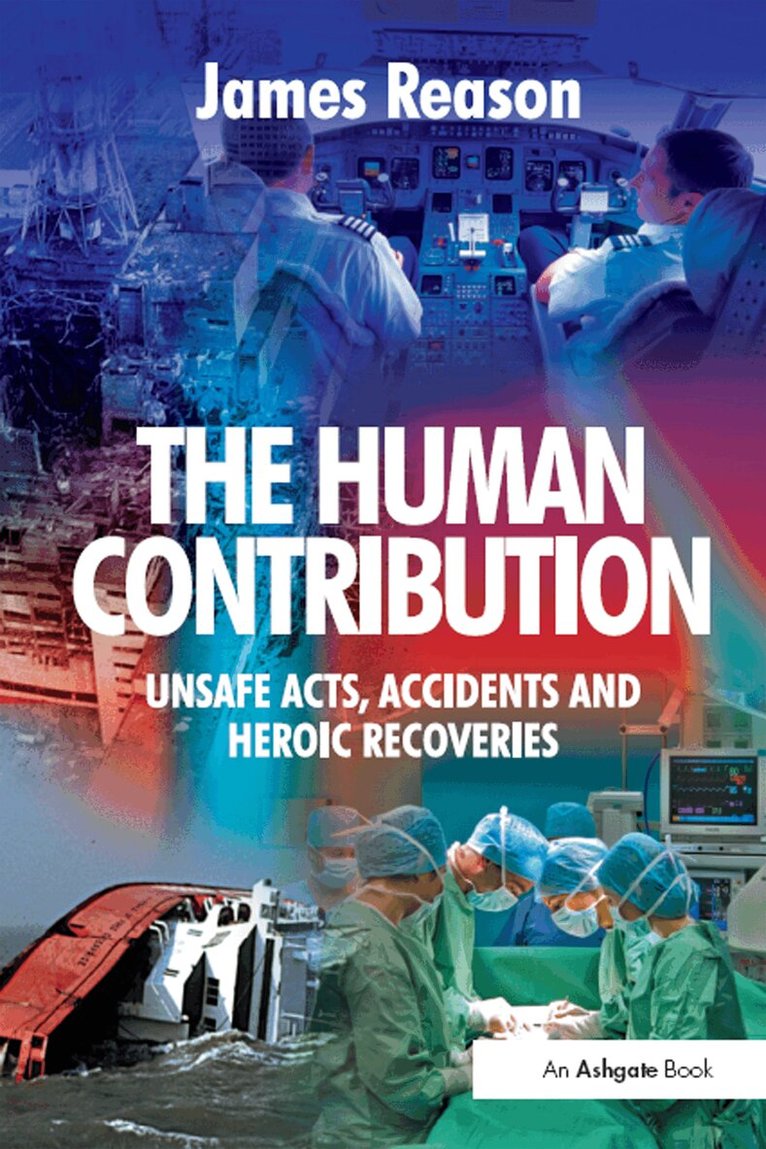
Human Contribution
Unsafe Acts, Accidents and Heroic Recoveries
Av James Reason
Inbunden, 2008
2442 kr
Lägg i varukorg
This book explores the human contribution to the reliability and resilience of complex, well-defended systems. Usually the human is considered a hazard - a system component whose unsafe acts are implicated in the majority of catastrophic breakdowns. However there is another perspective that has …
Human Contribution
Unsafe Acts, Accidents and Heroic Recoveries
Av James Reason
Häftad, 2008
800 kr
Lägg i varukorg
This book explores the human contribution to the reliability and resilience of complex, well-defended systems. Usually the human is considered a hazard - a system component whose unsafe acts are implicated in the majority of catastrophic breakdowns. However there is another perspective that has …
Human Error
Av James Reason
E-bok, 1990
721 kr
Lägg i varukorg
Human Error, published in 1991, is a major theoretical integration of several previously isolated literatures. Particularly important is the identification of cognitive processes common to a wide variety of error types. Technology has now reached a point where improved safety can only be achieved …
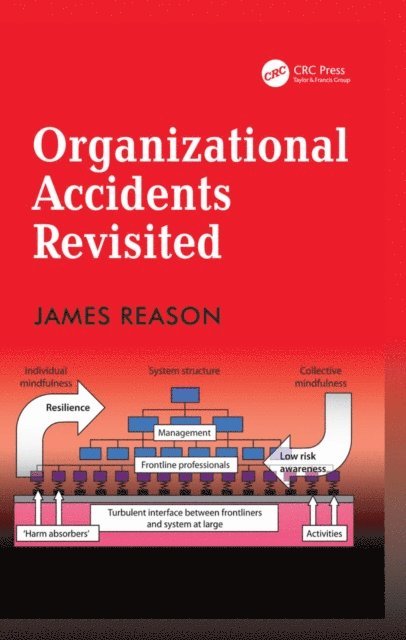
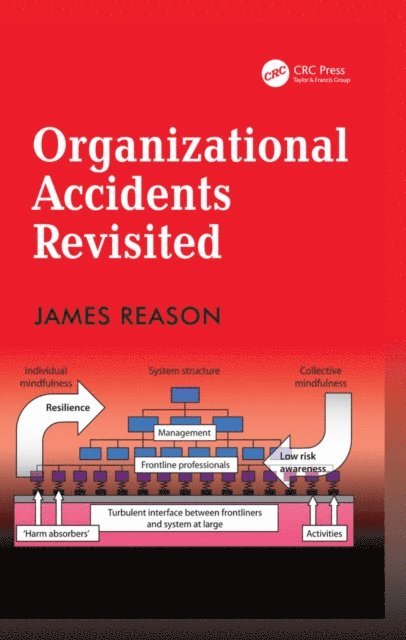
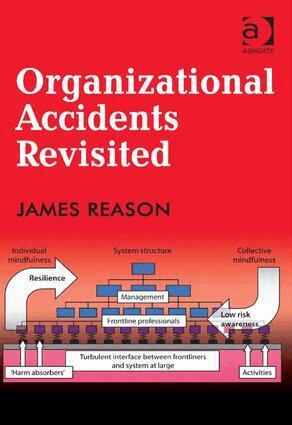
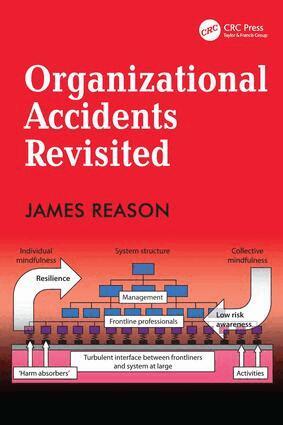
Organizational Accidents Revisited
Av James Reason
E-bok, 2016
999 kr
Lägg i varukorg
Managing the Risks of Organizational Accidents introduced the notion of an ’organizational accident’. These are rare but often calamitous events that occur in complex technological systems operating in hazardous circumstances. They stand in sharp contrast to ’individual accidents’ whose damaging …
Organizational Accidents Revisited
Av James Reason
E-bok, 2016
999 kr
Lägg i varukorg
Managing the Risks of Organizational Accidents introduced the notion of an ’organizational accident’. These are rare but often calamitous events that occur in complex technological systems operating in hazardous circumstances. They stand in sharp contrast to ’individual accidents’ whose damaging …
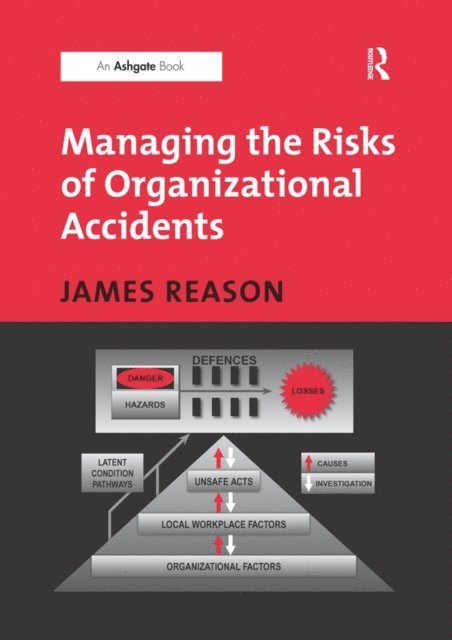
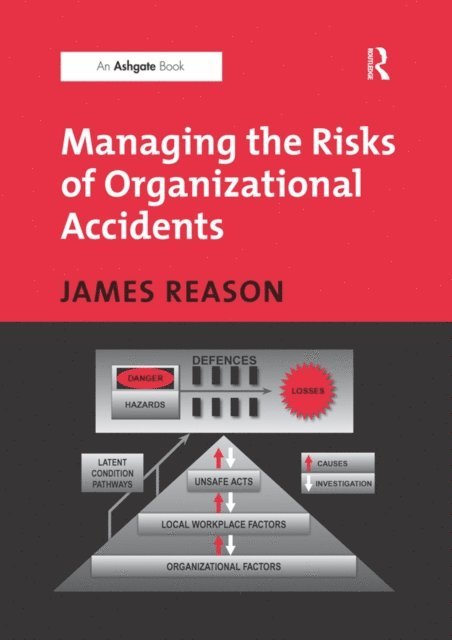
Managing the Risks of Organizational Accidents
Av James Reason
E-bok, 2016
678 kr
Lägg i varukorg
Major accidents are rare events due to the many barriers, safeguards and defences developed by modern technologies. But they continue to happen with saddening regularity and their human and financial consequences are all too often unacceptably catastrophic. One of the greatest challenges we face is …
Managing the Risks of Organizational Accidents
Av James Reason
E-bok, 2016
678 kr
Lägg i varukorg
Major accidents are rare events due to the many barriers, safeguards and defences developed by modern technologies. But they continue to happen with saddening regularity and their human and financial consequences are all too often unacceptably catastrophic. One of the greatest challenges we face is …
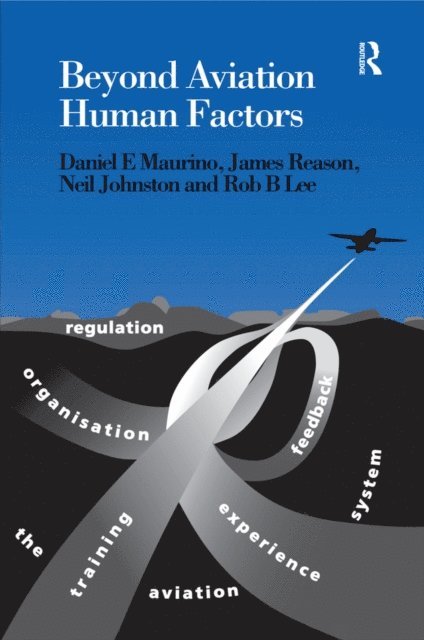
Beyond Aviation Human Factors
Safety in High Technology Systems
Av Daniel E. Maurino, James Reason m. fl.
Inbunden, 2017
3427 kr
Lägg i varukorg
The authors believe that a systematic organizational approach to aviation safety must replace the piecemeal approaches largely favoured in the past, but this change needs to be preceded by information to explain why a new approach is necessary. Accident records show a flattening of the safety curve …
Life in Error
From Little Slips to Big Disasters
Av James Reason
Inbunden, 2017
3063 kr
Lägg i varukorg
This succinct but absorbing book covers the main way stations on James Reason‘s 40-year journey in pursuit of the nature and varieties of human error. In it he presents an engrossing and very personal perspective, offering the reader exceptional insights, wisdom and wit as only James Reason can. …
Human Contribution
Unsafe Acts, Accidents and Heroic Recoveries
Av James Reason
E-bok, 2017
970 kr
Lägg i varukorg
This book explores the human contribution to the reliability and resilience of complex, well-defended systems. Usually the human is considered a hazard - a system component whose unsafe acts are implicated in the majority of catastrophic breakdowns. However there is another perspective that has …
Human Contribution
Unsafe Acts, Accidents and Heroic Recoveries
Av James Reason
E-bok, 2017
970 kr
Lägg i varukorg
This book explores the human contribution to the reliability and resilience of complex, well-defended systems. Usually the human is considered a hazard - a system component whose unsafe acts are implicated in the majority of catastrophic breakdowns. However there is another perspective that has …
Managing Maintenance Error
A Practical Guide
E-bok, 2017
942 kr
Lägg i varukorg
Situations and systems are easier to change than the human condition - particularly when people are well-trained and well-motivated, as they usually are in maintenance organisations. This is a down-to-earth practitioner’s guide to managing maintenance error, written in Dr. Reason’s highly readable …
Managing Maintenance Error
A Practical Guide
E-bok, 2017
970 kr
Lägg i varukorg
Situations and systems are easier to change than the human condition - particularly when people are well-trained and well-motivated, as they usually are in maintenance organisations. This is a down-to-earth practitioner’s guide to managing maintenance error, written in Dr. Reason’s highly readable …
Beyond Aviation Human Factors
Safety in High Technology Systems
Av Rob B. Lee, Neil Johnston m. fl.
E-bok, 2017
949 kr
Lägg i varukorg
The authors believe that a systematic organizational approach to aviation safety must replace the piecemeal approaches largely favoured in the past, but this change needs to be preceded by information to explain why a new approach is necessary. Accident records show a flattening of the safety curve …
Beyond Aviation Human Factors
Safety in High Technology Systems
Av Rob B. Lee, Neil Johnston m. fl.
E-bok, 2017
942 kr
Lägg i varukorg
The authors believe that a systematic organizational approach to aviation safety must replace the piecemeal approaches largely favoured in the past, but this change needs to be preceded by information to explain why a new approach is necessary. Accident records show a flattening of the safety curve …
Life in Error
From Little Slips to Big Disasters
Av James Reason
E-bok, 2017
970 kr
Lägg i varukorg
This succinct but absorbing book covers the main way stations on James Reason’s 40-year journey in pursuit of the nature and varieties of human error. In it he presents an engrossing and very personal perspective, offering the reader exceptional insights, wisdom and wit as only James Reason can. …
Life in Error
From Little Slips to Big Disasters
Av James Reason
E-bok, 2017
970 kr
Lägg i varukorg
This succinct but absorbing book covers the main way stations on James Reason’s 40-year journey in pursuit of the nature and varieties of human error. In it he presents an engrossing and very personal perspective, offering the reader exceptional insights, wisdom and wit as only James Reason can. …
Organizational Accidents Revisited
Av James Reason
Inbunden, 2015
2585 kr
Lägg i varukorg
Managing the Risks of Organizational Accidents introduced the notion of an ’organizational accident’. These are rare but often calamitous events that occur in complex technological systems operating in hazardous circumstances. They stand in sharp contrast to ’individual accidents’ whose damaging …
Organizational Accidents Revisited
Av James Reason
Häftad, 2015
846 kr
Lägg i varukorg
Managing the Risks of Organizational Accidents introduced the notion of an ’organizational accident’. These are rare but often calamitous events that occur in complex technological systems operating in hazardous circumstances. They stand in sharp contrast to ’individual accidents’ whose damaging …
Managing the Risks of Organizational Accidents
Av James Reason
Inbunden, 1997
2195 kr
Lägg i varukorg
Major accidents are rare events due to the many barriers, safeguards and defences developed by modern technologies. But they continue to happen with saddening regularity and their human and financial consequences are all too often unacceptably catastrophic. One of the greatest challenges we face is …
Managing the Risks of Organizational Accidents
Av James Reason
Häftad, 1997
677 kr
Lägg i varukorg
Major accidents are rare events due to the many barriers, safeguards and defences developed by modern technologies. But they continue to happen with saddening regularity and their human and financial consequences are all too often unacceptably catastrophic. One of the greatest challenges we face is …
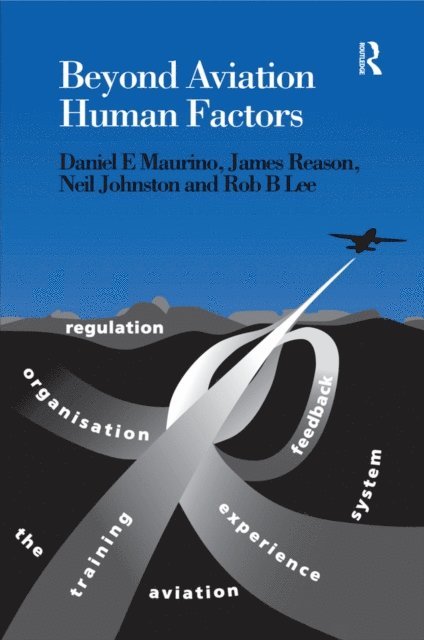
Beyond Aviation Human Factors
Safety in High Technology Systems
Av Daniel E. Maurino, James Reason m. fl.
Häftad, 1998
822 kr
Lägg i varukorg
The authors believe that a systematic organizational approach to aviation safety must replace the piecemeal approaches largely favoured in the past, but this change needs to be preceded by information to explain why a new approach is necessary. Accident records show a flattening of the safety curve …