James W. Hewitt - Böcker
Visar alla böcker från författaren James W. Hewitt. Handla med fri frakt och snabb leverans.
3 produkter
3 produkter
278 kr
Skickas inom 7-10 vardagar
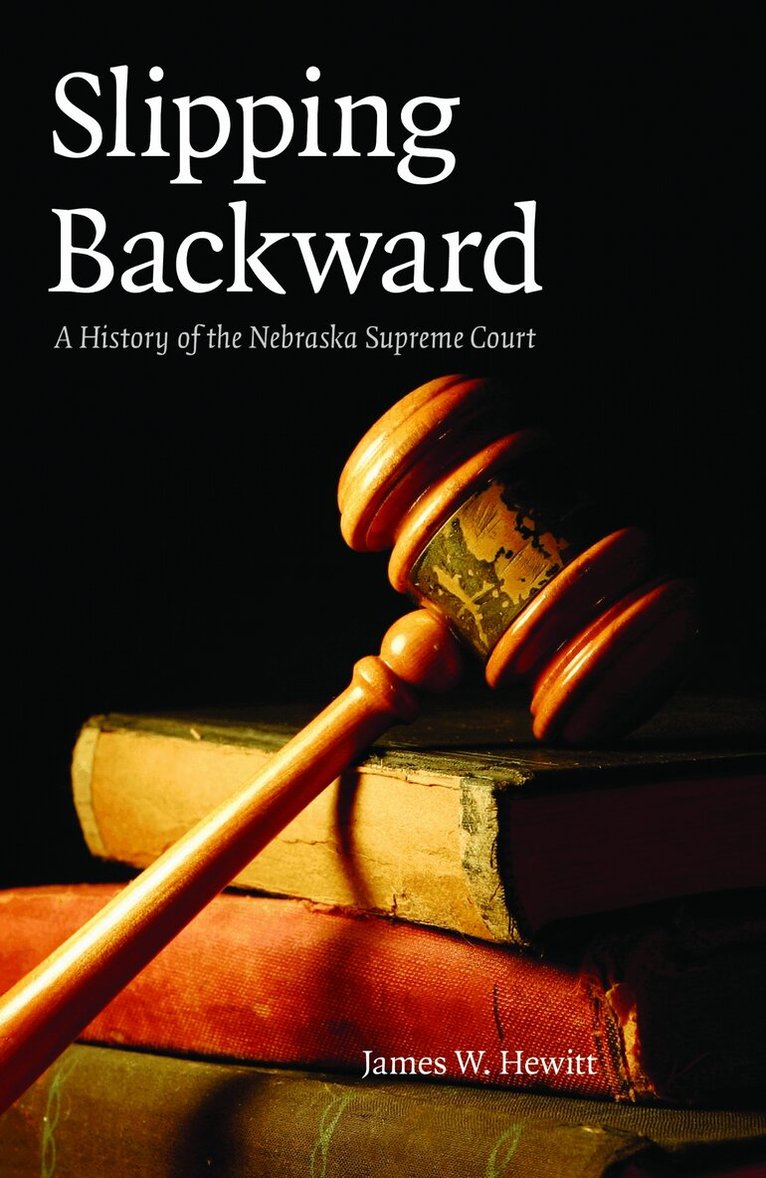
Slipping Backward: A History of the Nebraska Supreme Court, written by one of the state's leading legal minds, is the first history of the Nebraska Supreme Court and the first book-length study of a Great Plains supreme court. James W. Hewitt draws on his intimate knowledge of the subject matter gleaned from years as a lawyer in Nebraska and applies a historian's objectivity to the analysis. Hewitt explores the court through the work of the four men who greatly influenced and led it: Robert G. Simmons (1938–63, the first modern chief justice), Paul W. White (1963–78), Norman Krivosha (1978–87), and William C. Hastings (1987–95). During these four eras, respect for the court declined in the eyes of the bar and the public. Hewitt examines every case decided by the court from 1938 through 1995, analyzes many of the leading decisions, and assesses the abilities and performances of the judges who served. He shows why the court fell far behind in its workload during the 1960s, 1970s, and 1980s, and delineates the steps it took to alleviate the backlog. He also reviews the changes in the nature of cases coming before the court and the exponential growth of criminal appeals necessitated by decisions of the U.S. Supreme Court. While Slipping Backward is critical of the court's shortcomings, it finds the court to be composed of decent men trying to do a decent job. Hewitt has crafted a model study of the modern legal system and its judiciary and has documented the evolution of a diverse Nebraska.
267 kr
Skickas inom 10-15 vardagar
Slipping Backward: A History of the Nebraska Supreme Court, written by one of the state's leading legal minds, is the first history of the Nebraska Supreme Court and the first book-length study of a Great Plains supreme court. James W. Hewitt draws on his intimate knowledge of the subject matter gleaned from years as a lawyer in Nebraska and applies a historian's objectivity to the analysis. Hewitt explores the court through the work of the four men who greatly influenced and led it: Robert G. Simmons (1938–63, the first modern chief justice), Paul W. White (1963–78), Norman Krivosha (1978–87), and William C. Hastings (1987–95). During these four eras, respect for the court declined in the eyes of the bar and the public. Hewitt examines every case decided by the court from 1938 through 1995, analyzes many of the leading decisions, and assesses the abilities and performances of the judges who served. He shows why the court fell far behind in its workload during the 1960s, 1970s, and 1980s, and delineates the steps it took to alleviate the backlog. He also reviews the changes in the nature of cases coming before the court and the exponential growth of criminal appeals necessitated by decisions of the U.S. Supreme Court. While Slipping Backward is critical of the court's shortcomings, it finds the court to be composed of decent men trying to do a decent job. Hewitt has crafted a model study of the modern legal system and its judiciary and has documented the evolution of a diverse Nebraska.
191 kr
Skickas inom 10-15 vardagar
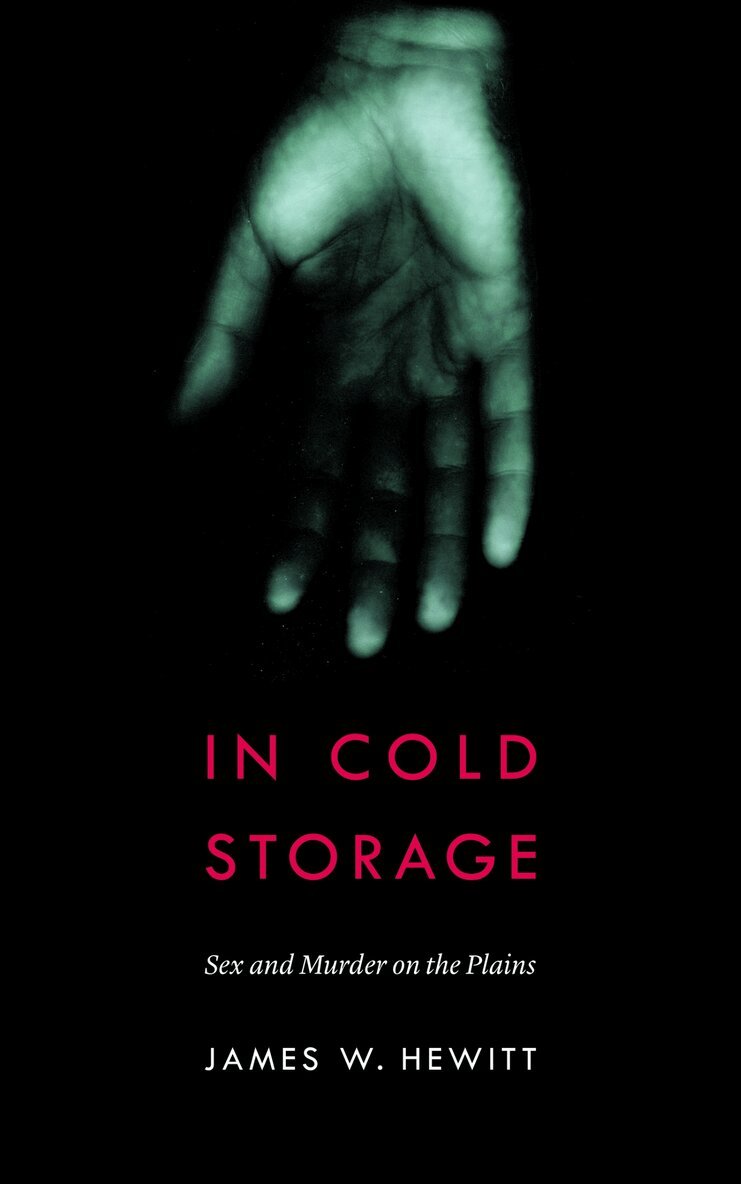
2016 Nebraska Book Award In Cold Storage is an excellent history of one of the more sensational crimes in Nebraska history.- Steven Guenzel, Nebraska HistoryIn 1973 the small southwest Nebraska railroad town of McCook became the unlikely scene of a grisly murder. More than forty years later, author James W. Hewitt returns to the scene and unearths new details about what happened. After pieces of Edwin and Wilma Hoyt’s dismembered bodies were found floating on the surface of a nearby lake, authorities charged McCook resident Harold Nokes and his wife, Ena, with murder. Harold pleaded guilty to murder and Ena pleaded guilty to two counts of wrongful disposal of a dead body, but the full story of why and how he murdered the Hoyts has never been told.Hewitt interviews law enforcement officers, members of the victims’ family, weapons experts, and forensic psychiatrists, and delves into newspaper reports and court documents from the time. Most significant, Harold granted Hewitt his first and only interview, in which the convicted murderer changed several parts of his 1974 confession. In Cold Storage takes readers through the evidence, including salacious details of sex and intrigue between the Hoyts and the Nokeses, and draws new conclusions about what really happened between the two families on that fateful September night.