Jamie Baxter - Böcker
Visar alla böcker från författaren Jamie Baxter. Handla med fri frakt och snabb leverans.
6 produkter
6 produkter
620 kr
Skickas inom 10-15 vardagar
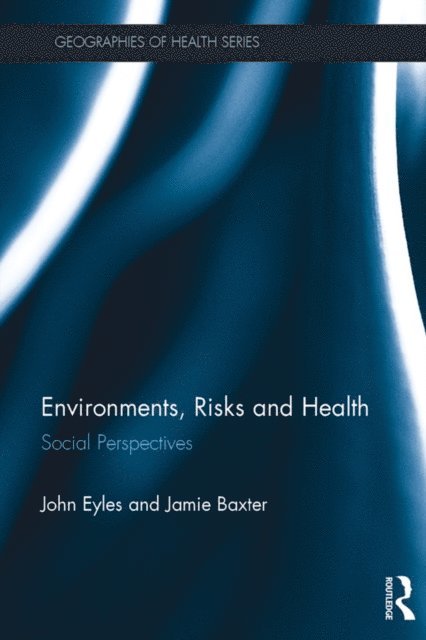
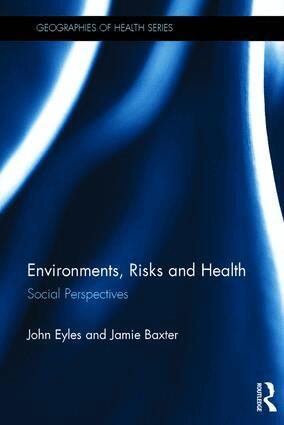
Much of the scientific work on environmental health research has come from the clinical and biophysical sciences. Yet contributions are being made from the social sciences with respect to economic change, distributional equities, political will, public perceptions and the social geographical challenges of the human health-environments linkages. Offering the first comprehensive and cohesive summary of the input from social science to this field, this book focuses on how humans theorize their relationships to the environment with respect to health and how these ideas are mediated through an evaluation of risk and hazards. Most work on risk has focused primarily on environmental problems. This book extends and synthesizes these works for the field of human health, treating social, economic, cultural and political context as vital. Bringing disparate literatures from across several disciplines together with their own applied research and experience, John Eyles and Jamie Baxter deal with scientific uncertainty in the everyday issues raised and question how social theories and models of the way the world works can contribute to understanding these uncertainties. This book is essential reading for those studying and researching in the fields of health geography and environmental studies as well as environmental sociology, social and applied anthropology, environmental psychology and environmental politics.
620 kr
Skickas inom 10-15 vardagar
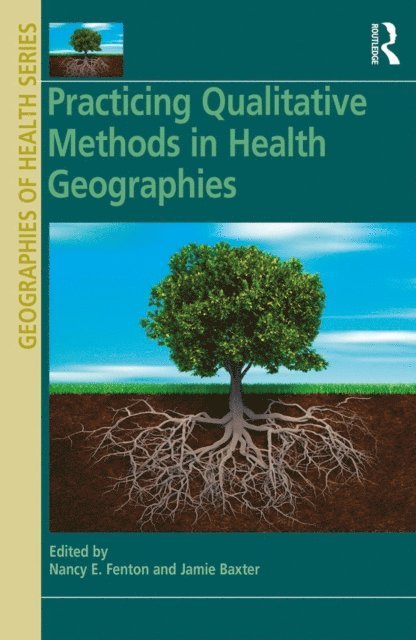
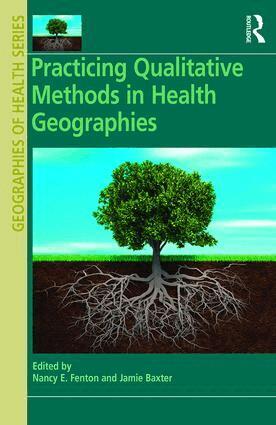
Health geographers are increasingly turning to a diverse range of interpretative methodologies to explore the complexities of health, illness, space and place to gain more comprehensive understandings of well-being and broader social models of health and health care. Drawing upon postmodernism, many health geographers are concerned with issues of representation, the body and health care policy. Also related to an emphasis on the body is the growing literature in feminist health geography that investigates the metaphorical, physical and emotional challenges of the body and disease. Reflecting these interests, the chapters in this book set out the host of creative qualitative methods being used to explore the psychosocial experiences of individuals more directly, using such traditional methods as in-depth interviews and group discussions, participant observation, diaries and discourse analysis, but also more novel techniques such as 'go-along interviews’, reflexive writing, illustrations, and photographic techniques. There are several areas of qualitative research unique to geographers which figure prominently in this volume including: health and place, comparative case study analysis, and qualitative approaches to the use of geographic information systems (GIS). This collection brings together a wide range of empirical concerns related to questions of health and shines a light on the diversity of qualitative methods in practice. Illustrating how qualitative methodologies are used in diverse health contexts this book fills an important niche for health geographers but will have wide appeal to health and geographic researchers.
853 kr
Skickas inom 7-10 vardagar
As many Indigenous communities return to self-governance and self-determination, they are taking their own approaches to property rights and community development. Based on case studies in four Indigenous communities – the Westbank, Membertou, Nisga'a, and James Bay Cree nations – Jamie Baxter traces how local leaders have set the course for land rights and development during formative periods of legal and economic upheaval. Drawing on new research about institutional change in organizational settings, Baxter explores when and how community leaders have sustained inalienable land rights without turning to either persuasion or coercive force – the two levers of power normally associated with political leadership.Inalienable Properties challenges the view that liberalized land markets are the inevitable result of legal and economic change. It shows how inalienability can result from intentional choices and is linked to structures of decision-making that have long-lasting consequences for communities.
335 kr
Skickas inom 7-10 vardagar
As many Indigenous communities return to self-governance and self-determination, they are taking their own approaches to property rights and community development. Based on case studies in four Indigenous communities – the Westbank, Membertou, Nisga'a, and James Bay Cree nations – Jamie Baxter traces how local leaders have set the course for land rights and development during formative periods of legal and economic upheaval. Drawing on new research about institutional change in organizational settings, Baxter explores when and how community leaders have sustained inalienable land rights without turning to either persuasion or coercive force – the two levers of power normally associated with political leadership.Inalienable Properties challenges the view that liberalized land markets are the inevitable result of legal and economic change. It shows how inalienability can result from intentional choices and is linked to structures of decision-making that have long-lasting consequences for communities.
2 165 kr
Skickas inom 10-15 vardagar
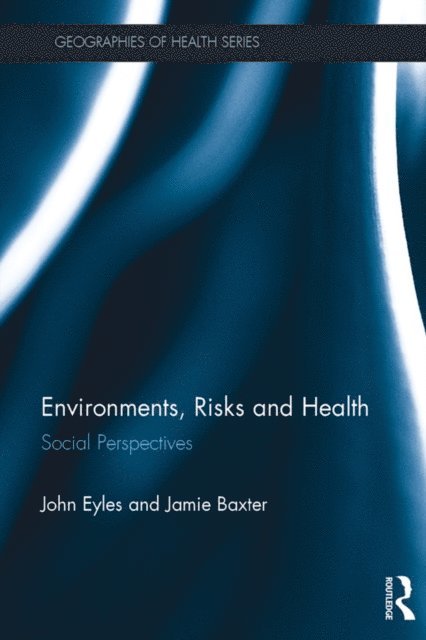
Much of the scientific work on environmental health research has come from the clinical and biophysical sciences. Yet contributions are being made from the social sciences with respect to economic change, distributional equities, political will, public perceptions and the social geographical challenges of the human health-environments linkages. Offering the first comprehensive and cohesive summary of the input from social science to this field, this book focuses on how humans theorize their relationships to the environment with respect to health and how these ideas are mediated through an evaluation of risk and hazards. Most work on risk has focused primarily on environmental problems. This book extends and synthesizes these works for the field of human health, treating social, economic, cultural and political context as vital. Bringing disparate literatures from across several disciplines together with their own applied research and experience, John Eyles and Jamie Baxter deal with scientific uncertainty in the everyday issues raised and question how social theories and models of the way the world works can contribute to understanding these uncertainties. This book is essential reading for those studying and researching in the fields of health geography and environmental studies as well as environmental sociology, social and applied anthropology, environmental psychology and environmental politics.
2 230 kr
Skickas inom 10-15 vardagar
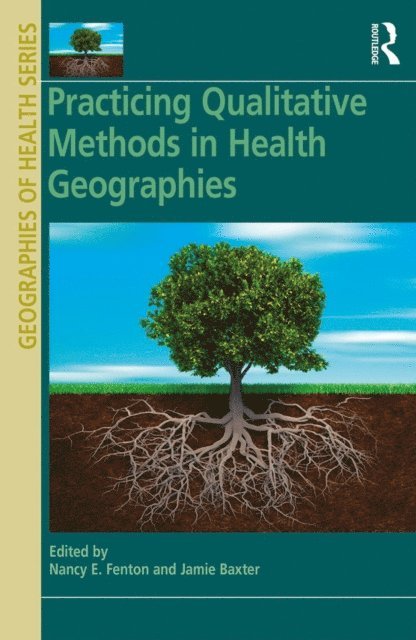
Health geographers are increasingly turning to a diverse range of interpretative methodologies to explore the complexities of health, illness, space and place to gain more comprehensive understandings of well-being and broader social models of health and health care. Drawing upon postmodernism, many health geographers are concerned with issues of representation, the body and health care policy. Also related to an emphasis on the body is the growing literature in feminist health geography that investigates the metaphorical, physical and emotional challenges of the body and disease. Reflecting these interests, the chapters in this book set out the host of creative qualitative methods being used to explore the psychosocial experiences of individuals more directly, using such traditional methods as in-depth interviews and group discussions, participant observation, diaries and discourse analysis, but also more novel techniques such as 'go-along interviews’, reflexive writing, illustrations, and photographic techniques. There are several areas of qualitative research unique to geographers which figure prominently in this volume including: health and place, comparative case study analysis, and qualitative approaches to the use of geographic information systems (GIS). This collection brings together a wide range of empirical concerns related to questions of health and shines a light on the diversity of qualitative methods in practice. Illustrating how qualitative methodologies are used in diverse health contexts this book fills an important niche for health geographers but will have wide appeal to health and geographic researchers.