Jan Hennings – författare
Visar alla böcker från författaren Jan Hennings. Handla med fri frakt och snabb leverans.
6 produkter
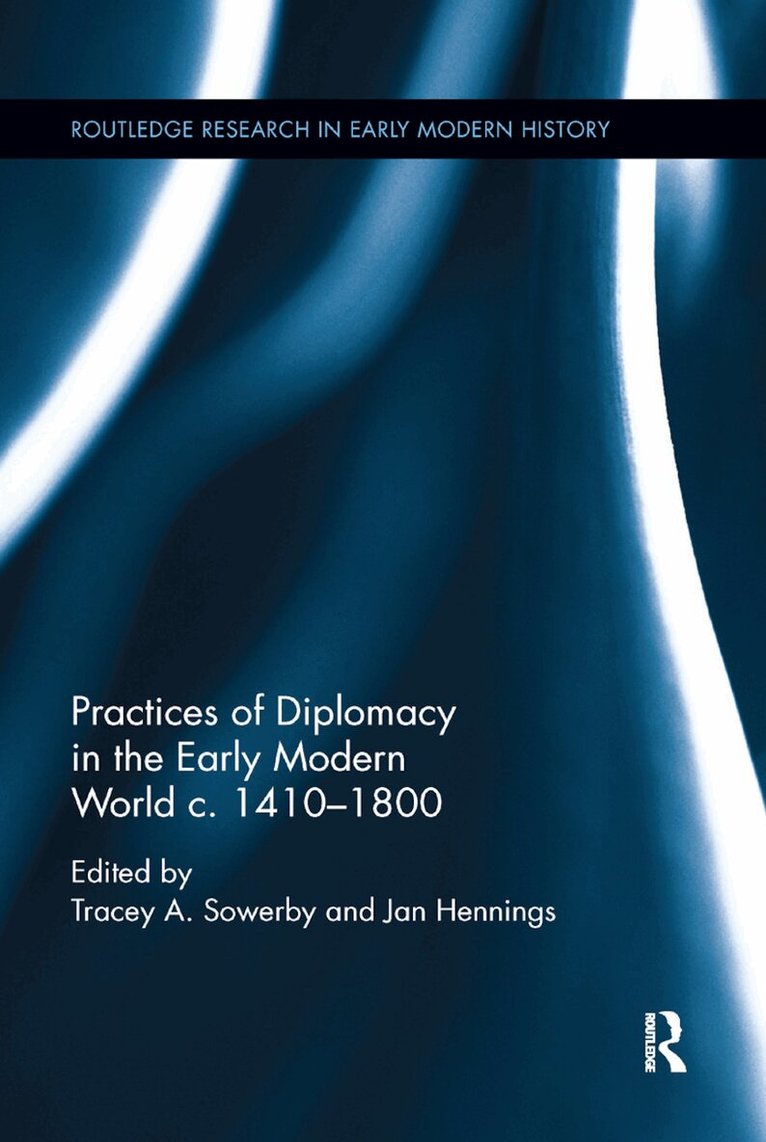
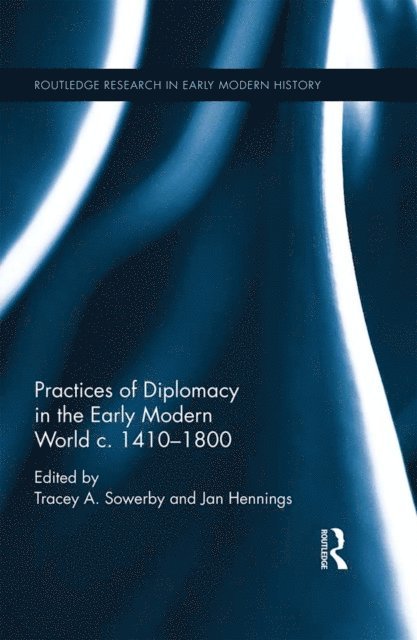
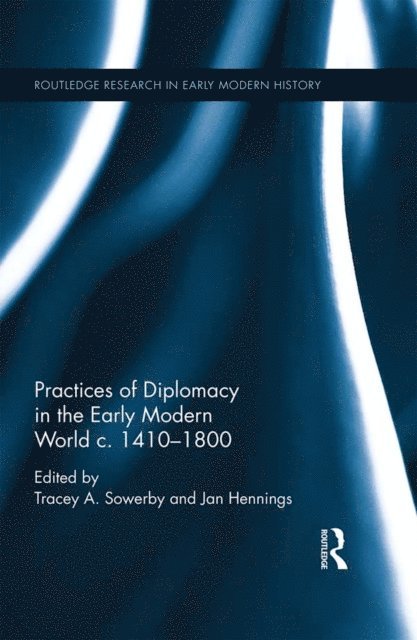
Practices of Diplomacy in the Early Modern World c.1410-1800
Av Tracey A. Sowerby, Jan Hennings
Häftad, 2019
755 kr
Lägg i varukorg
Practices of Diplomacy in the Early Modern World offers a new contribution to the ongoing reassessment of early modern international relations and diplomatic history. Divided into three parts, it provides an examination of diplomatic culture from the Renaissance into the eighteenth century and …
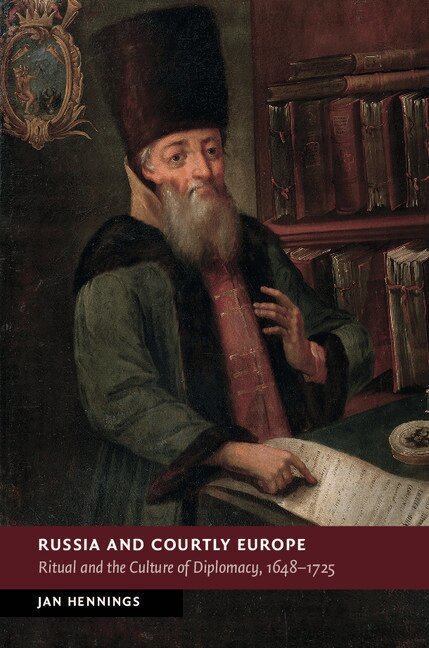
Russia and Courtly Europe
Ritual and the Culture of Diplomacy, 1648-1725
Av Jan Hennings
Inbunden, 2016
1677 kr
Lägg i varukorg
In this book on early modern diplomacy, Jan Hennings explores the relationship between European powers and Russia beyond the conventional East-West divide from the Peace of Westphalia to the reign of Peter the Great. He examines how, at a moment of new departure in both Europe and Russia, the norms …
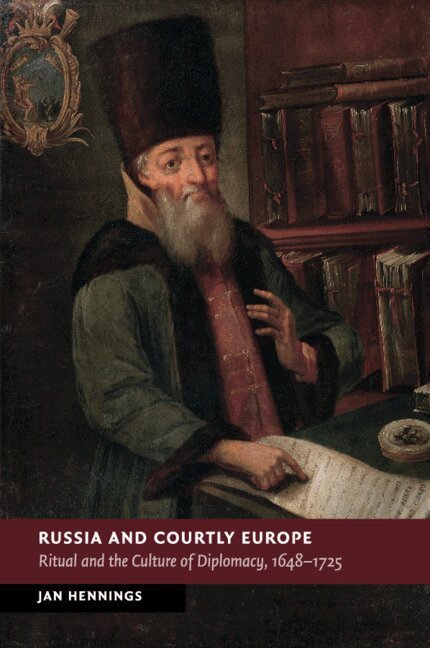
Russia and Courtly Europe
Ritual and the Culture of Diplomacy, 1648-1725
Av Jan Hennings
Häftad, 2018
574 kr
Lägg i varukorg
In this book on early modern diplomacy, Jan Hennings explores the relationship between European powers and Russia beyond the conventional East-West divide from the Peace of Westphalia to the reign of Peter the Great. He examines how, at a moment of new departure in both Europe and Russia, the norms …
Practices of Diplomacy in the Early Modern World c.1410-1800
Av Tracey A. Sowerby, Jan Hennings
Inbunden, 2017
2578 kr
Lägg i varukorg
Practices of Diplomacy in the Early Modern World offers a new contribution to the ongoing reassessment of early modern international relations and diplomatic history. Divided into three parts, it provides an examination of diplomatic culture from the Renaissance into the eighteenth century and …
Practices of Diplomacy in the Early Modern World c.1410-1800
Av Jan Hennings, Tracey A. Sowerby
E-bok, 2017
892 kr
Lägg i varukorg
Practices of Diplomacy in the Early Modern World offers a new contribution to the ongoing reassessment of early modern international relations and diplomatic history. Divided into three parts, it provides an examination of diplomatic culture from the Renaissance into the eighteenth century and …
Practices of Diplomacy in the Early Modern World c.1410-1800
Av Jan Hennings, Tracey A. Sowerby
E-bok, 2017
866 kr
Lägg i varukorg
Practices of Diplomacy in the Early Modern World offers a new contribution to the ongoing reassessment of early modern international relations and diplomatic history. Divided into three parts, it provides an examination of diplomatic culture from the Renaissance into the eighteenth century and …