Jane Brooks – författare
Visar alla böcker från författaren Jane Brooks. Handla med fri frakt och snabb leverans.
9 produkter
Midlife Orphan: Facing Life's Changes Now That Your Parents Are Gone
Av Jane Brooks
Häftad, 1999
325 kr
Lägg i varukorg
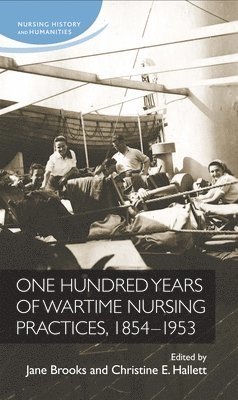
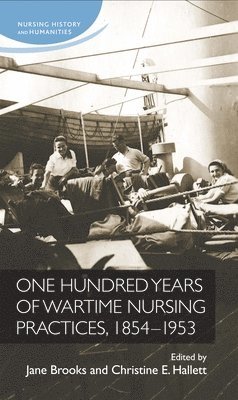
One Hundred Years of Wartime Nursing Practices, 1854–1953
Av Jane Brooks, Christine E. Hallett
Inbunden, 2015
1156 kr
Lägg i varukorg
This book examines the work that nurses of many differing nations undertook during the Crimean War, the Boer War, the Spanish Civil War, both World Wars and the Korean War. It makes an excellent and timely contribution to the growing discipline of nursing wartime work. In its exploration of …
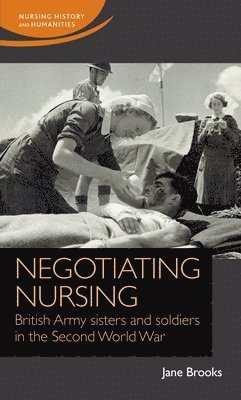
Negotiating Nursing
British Army Sisters and Soldiers in the Second World War
Av Jane Brooks
Inbunden, 2018
1263 kr
Lägg i varukorg
Negotiating Nursing explores how the Queen Alexandra's Imperial Military Nursing Service (Q.A.s) salvaged their soldier-patients within the sensitive gender negotiations of what should and could constitute nursing work and where that work could occur. The book argues that the Q.A.s, an entirely …
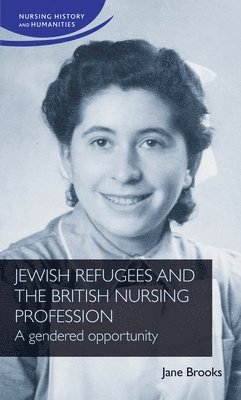
Jewish Refugees and the British Nursing Profession
A Gendered Opportunity
Av Jane Brooks
Inbunden, 2024
1216 kr
Lägg i varukorg
This book follows the lives of female Jewish refugees who fled Nazi persecution and became nurses. Nursing was nominally a profession but with its poor pay and harsh discipline, it was unpopular with British women. In the years preceding the Second World War, hospitals in Britain suffered chronic …
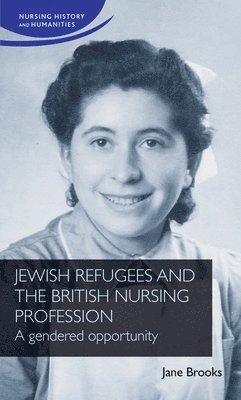
Jewish refugees and the British nursing profession
A gendered opportunity
Av Jane Brooks
Häftad, 2026
374 kr
Lägg i varukorg
This book follows the lives of female Jewish refugees who fled Nazi persecution and became nurses. Nursing was nominally a profession but with its poor pay and harsh discipline, it was unpopular with British women. In the years preceding the Second World War, hospitals in Britain suffered chronic …
Dark Visions: A Collection of Modern Horror - Volume Two
Av Grey Matter Press, Edward Morris m. fl.
E-bok
57 kr
Lägg i varukorg
One hundred years of wartime nursing practices, 1854–1953
Av Jane Brooks, Christine E. Hallett
Häftad, 2015
351 kr
Tillfälligt slut
This book examines the work that nurses of many differing nations undertook during the Crimean War, the Boer War, the Spanish Civil War, both World Wars and the Korean War. It makes an excellent and timely contribution to the growing discipline of nursing wartime work. In its exploration of …