Jane Rogoyska – författare
Visar alla böcker från författaren Jane Rogoyska. Handla med fri frakt och snabb leverans.
29 produkter
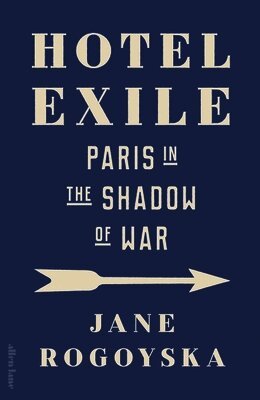
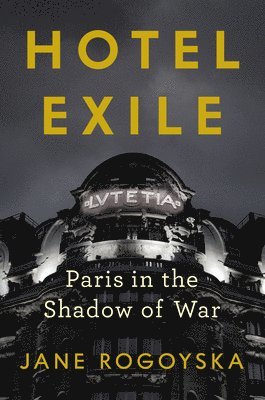
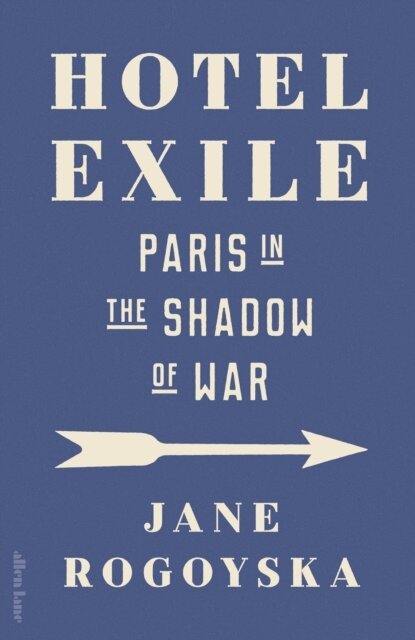
Hotel Exile
Paris in the Shadow of War
Inbunden, 2026
280 kr
Lägg i varukorg
**SHORTLISTED FOR THE WOMEN’S PRIZE FOR NONFICTION**A FOYLES TOP TEN READ FOR FEBRUARY | A 2026 HIGHLIGHT IN THE FINANCIAL TIMES, EVENING STANDARD AND THE BOOKSELLER A meeting place for Europe’s bohemian artists. A headquarters of the Nazi occupation. A shelter for camp survivors.This is the true …
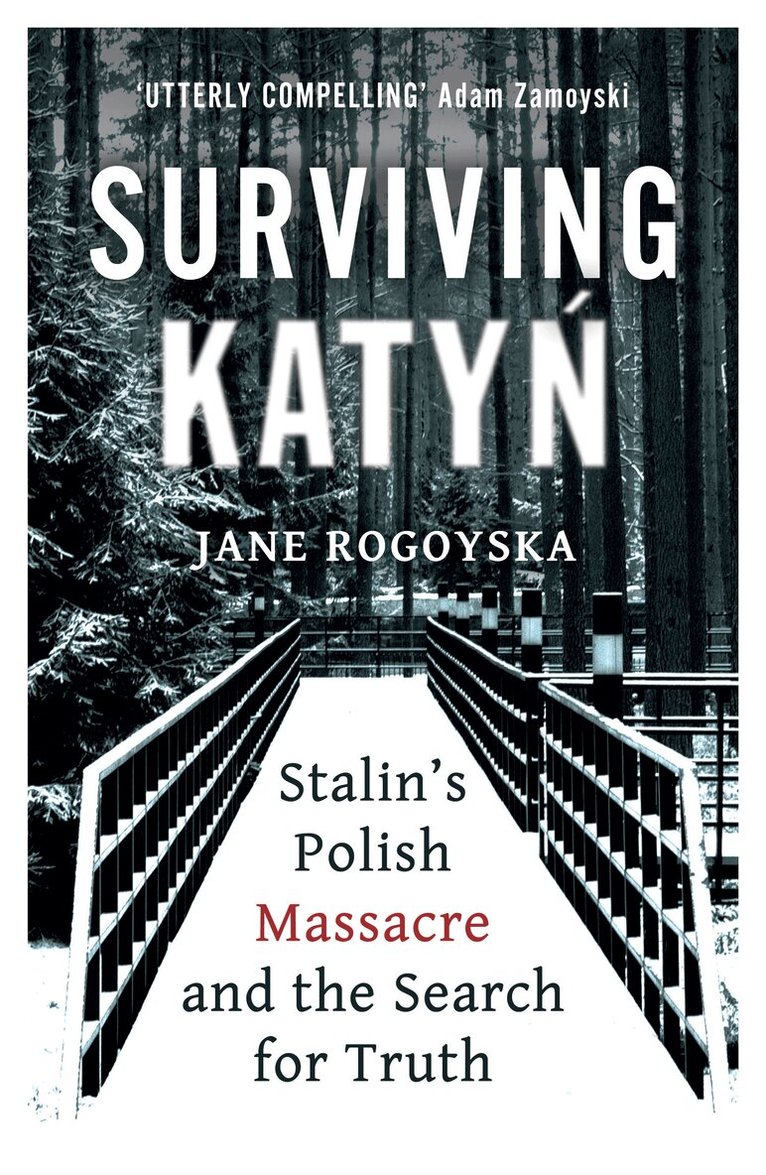
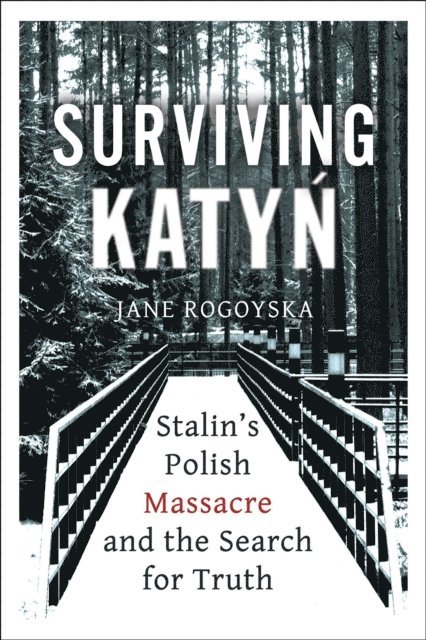
Surviving Katyn
Stalin's Polish Massacre and the Search for Truth
Häftad, 2022
127 kr
Lägg i varukorg
The Katyn Massacre of 22,000 Polish prisoners of war is a crime to which there are no witnessesWINNER OF THE MARK LYNTON HISTORY PRIZELONGLISTED FOR THE RSL ONDAATJE PRIZECommitted in utmost secrecy in April–May 1940 by the NKVD on the direct orders of Joseph Stalin, for nearly fifty years the …
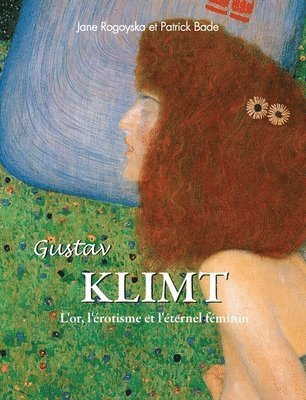
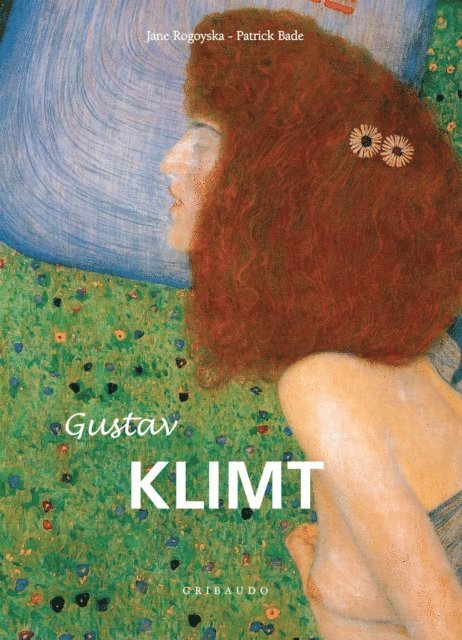
Gustav Klimt: L'or, l'érotisme et l'éternel féminin
Av Jane Rogoyska, Patrick Bade
Inbunden, 2024
573 kr
Lägg i varukorg
Hotel Exile
Paris in the Shadow of War
Inbunden, 2026
335 kr
Kommande
Since its opening in 1910, the Hotel Lutetia has been a grand Paris institution, a meeting place for artists, intellectuals, musicians, and politicians. Andre Gide took his lunch here, James Joyce lived in one of its rooms, Picasso and Matisse were regular guests. But the hotel has a darker …
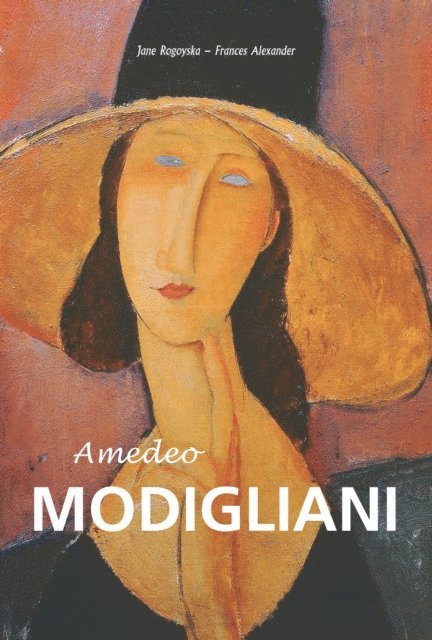
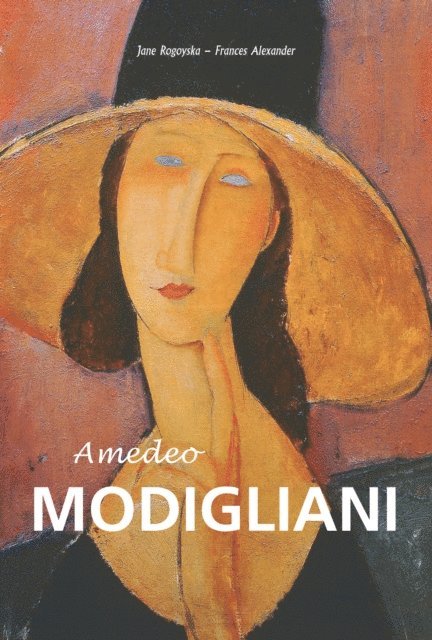
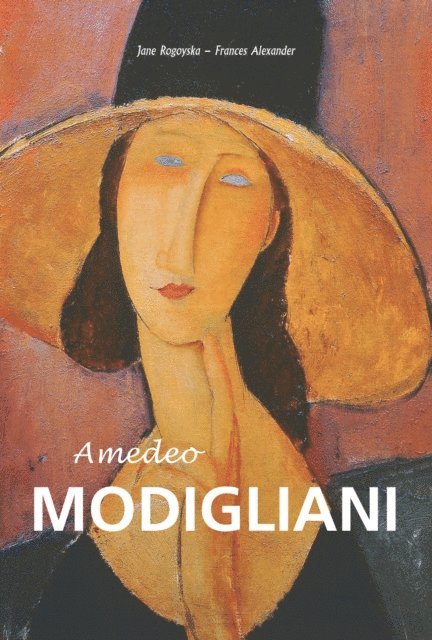
Amedeo Modigliani
Av Frances Alexander, Jane Rogoyska
E-bok, 2019
118 kr
Lägg i varukorg
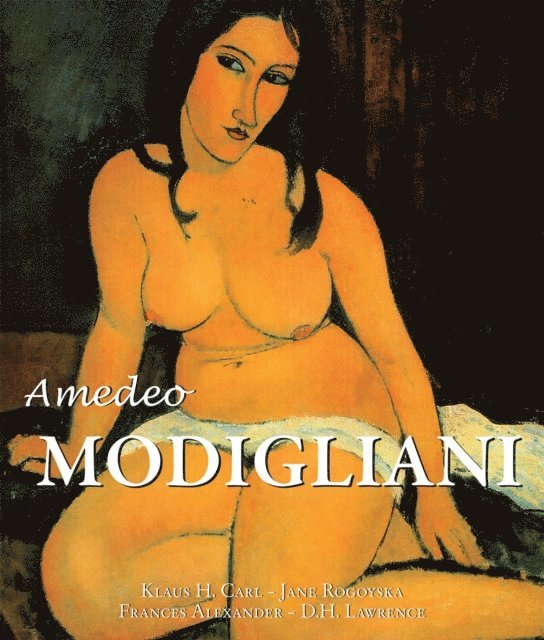
Modigliani (1884-1920) era un artista que no encontró mucha felicidad en su Italia natal, y en la tierra adoptiva de Francia sólo encontró tristeza. De esta infelicidad nació una extraordinaria y original producción de obras, influenciada por el arte africano, el movimiento cubista y las noches de …
Amedeo Modigliani
Av Frances Alexander, Jane Rogoyska
E-bok, 2019
118 kr
Lägg i varukorg
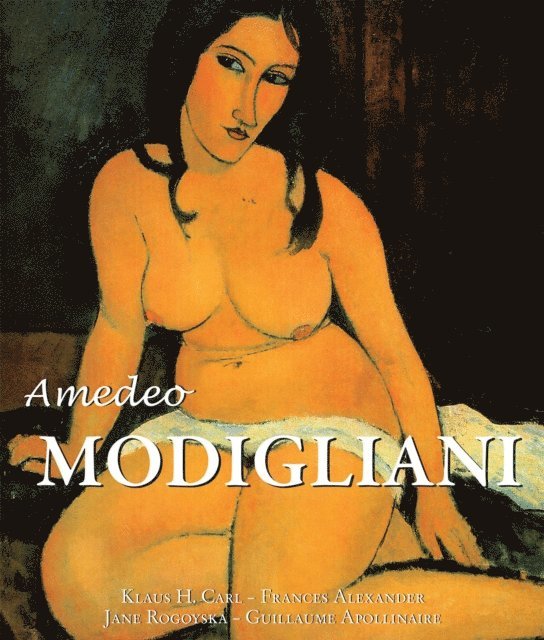
Der Künstler Modigliani (1884-1920) fand wenig Glück in seinem Geburtsland Italien und nur Kummer in seiner Wahlheimat Frankreich. Aus dieser Traurigkeit heraus schuf er ein individuelles und außergewöhnliches Werk, das Einflüsse afrikanischer Kunst, des Kubismus und vieler betrunkener Nächte in …
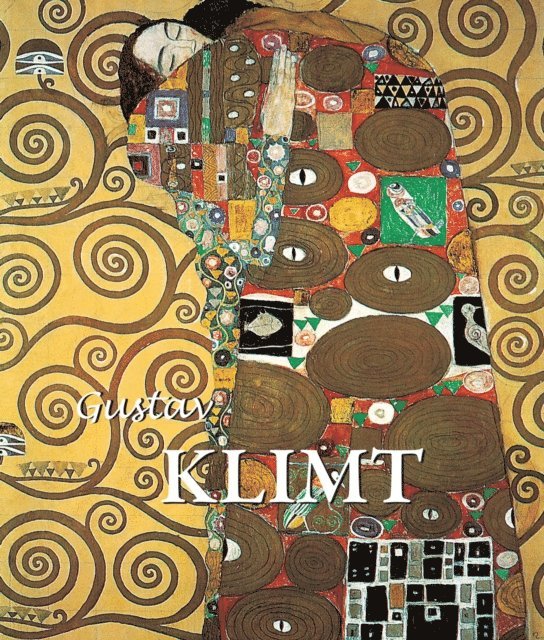
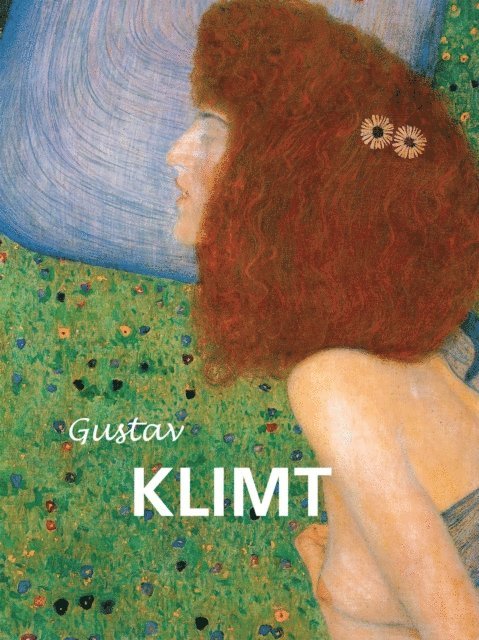
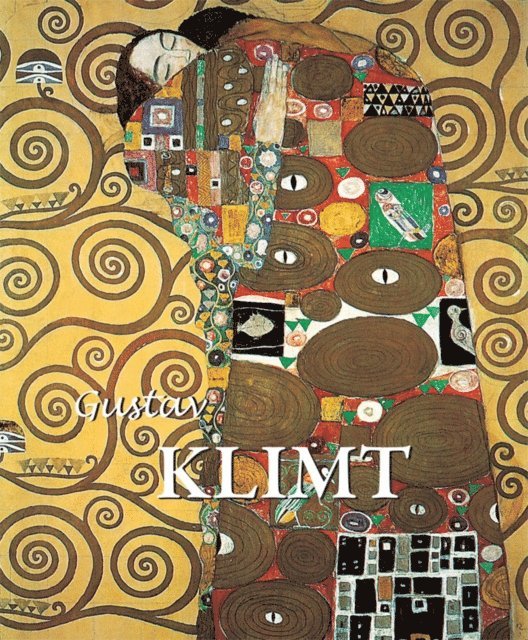
Gustav Klimt
Av Patrick Bade, Jane Rogoyska
E-bok, 2012
136 kr
Lägg i varukorg
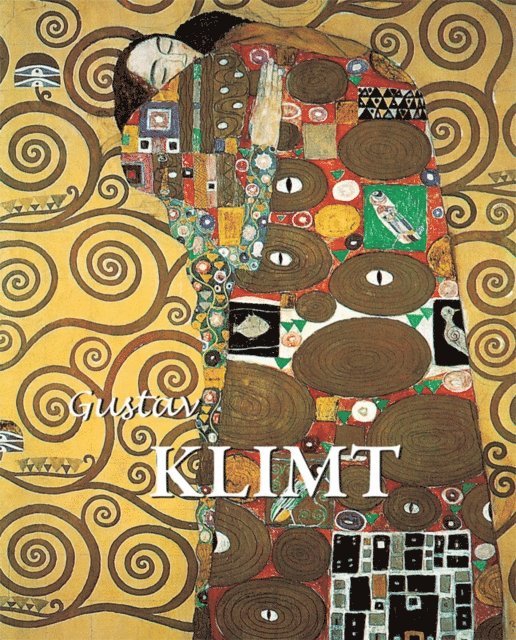
Gustav Klimt (1862-1918) war zum Ende des 19. Jahrhunderts nicht nur einer der einflussreichsten Künstler, sondern gründete zudem die Bewegung der Wiener Secession. Mithilfe dieser Bewegung übte er Kritik an der traditionellen Kunst, die sich durch ihren Widerstand gegen Veränderungen sowie …
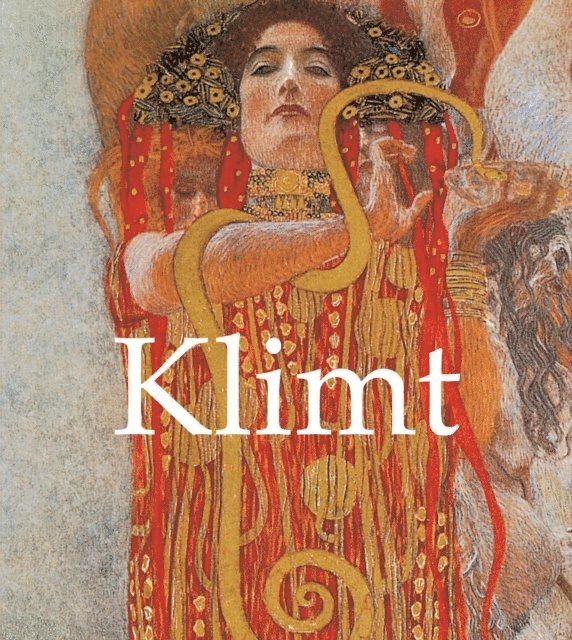
Klimt
Av Patrick Bade, Jane Rogoyska
E-bok, 2011
123 kr
Lägg i varukorg
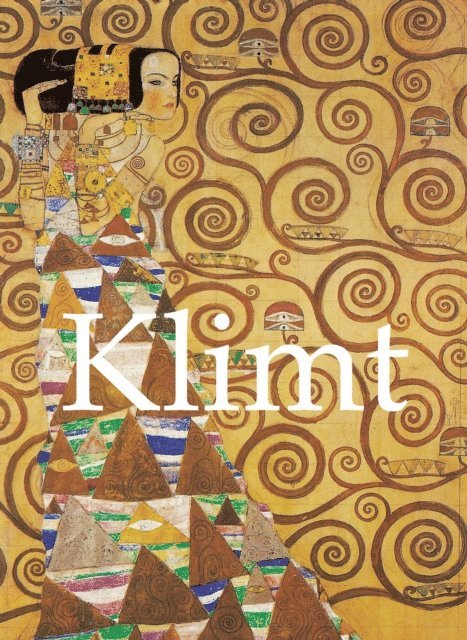
“I am not interested in myself as a subject for painting, but in others, particularly women…”Beautiful, sensuous and above all erotic, Gustav Klimt’s paintings speak of a world of opulence and leisure, which seems aeons away from the harsh, post-modern environment we live in now. The subjects he …
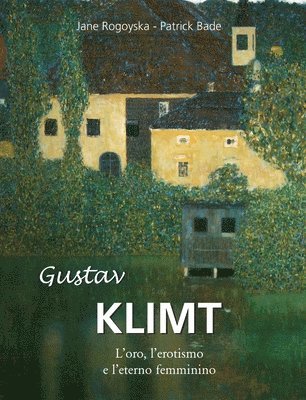
Gustav Klimt
L'oro, l'erotismo e l'eterno femminino
Av Patrick Bade, Jane Rogoyska
E-bok, 2023
118 kr
Lägg i varukorg
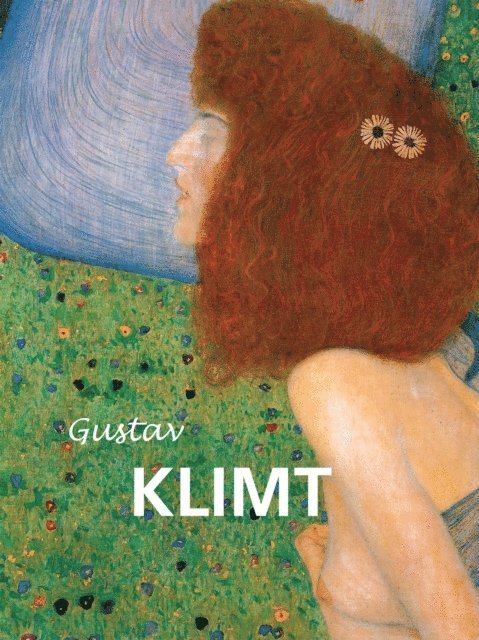
Gustav Klimt (1862-1918), fondatore del movimento della Secessione Viennese, fu uno degli artisti più influenti della fine del XIX secolo. Attraverso questo movimento Klimt espresse il suo assoluto disprezzo per l’arte “ufficiale”, caratterizzata dall’opposizione al cambiamento e dal rifiuto a …
Gustav Klimt
Av Patrick Bade, Jane Rogoyska
E-bok, 2022
118 kr
Lägg i varukorg
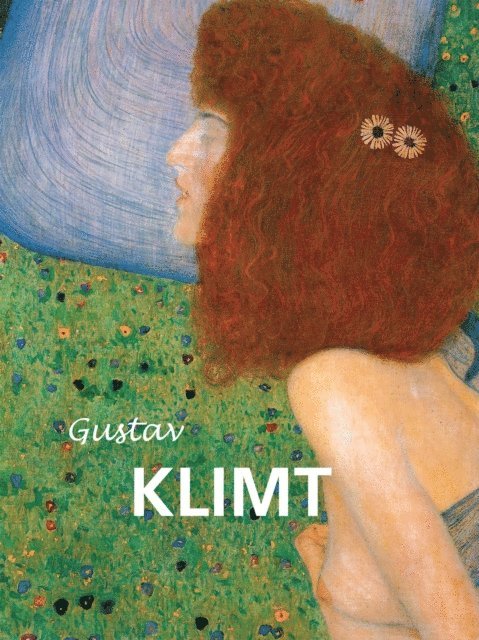
Gustav Klimt (1862-1918) war zum Ende des 19. Jahrhunderts nicht nur einer der einflussreichsten Künstler, sondern gründete zudem die Bewegung der Wiener Secession. Mithilfe dieser Bewegung übte er Kritik an der traditionellen Kunst, die sich durch ihren Widerstand gegen Veränderungen sowie …
Gustav Klimt
Av Patrick Bade, Jane Rogoyska
E-bok, 2022
118 kr
Lägg i varukorg
Gustav Klimt (Baumgarten, 1862 – Vienne, 1918)«Faire un autoportrait ne m''intéresse pas. Les sujets de peinture qui m''intéressent ? Les autres et en particulier les femmes… » Aucune référence au monde extérieur ne vient contrarier le charme des allégories, portraits, paysages et autres …
Gustav Klimt
Av Patrick Bade, Jane Rogoyska
E-bok, 2022
118 kr
Lägg i varukorg
“I am not interested in myself as a subject for painting, but in others, particularly women…”Beautiful, sensuous and above all erotic, Gustav Klimt’s paintings speak of a world of opulence and leisure, which seems aeons away from the harsh, post-modern environment we live in now. The subjects he …
Gustav Klimt
Av Patrick Bade, Jane Rogoyska
E-bok, 2012
81 kr
Lägg i varukorg
“I am not interested in myself as a subject for painting, but in others, particularly women…”Beautiful, sensuous and above all erotic, Gustav Klimt’s paintings speak of a world of opulence and leisure, which seems aeons away from the harsh, post-modern environment we live in now. The subjects he …
Gustav Klimt
Av Patrick Bade, Jane Rogoyska
E-bok, 2012
145 kr
Lägg i varukorg
Gustav Klimt (Baumgarten, 1862 – Vienne, 1918)«Faire un autoportrait ne m''intéresse pas. Les sujets de peinture qui m''intéressent ? Les autres et en particulier les femmes… » Aucune référence au monde extérieur ne vient contrarier le charme des allégories, portraits, paysages et autres …
Gustav Klimt und Kunstwerke
Av Jane Rogoyska, Patrick Bade
E-bok, 2023
136 kr
Lägg i varukorg
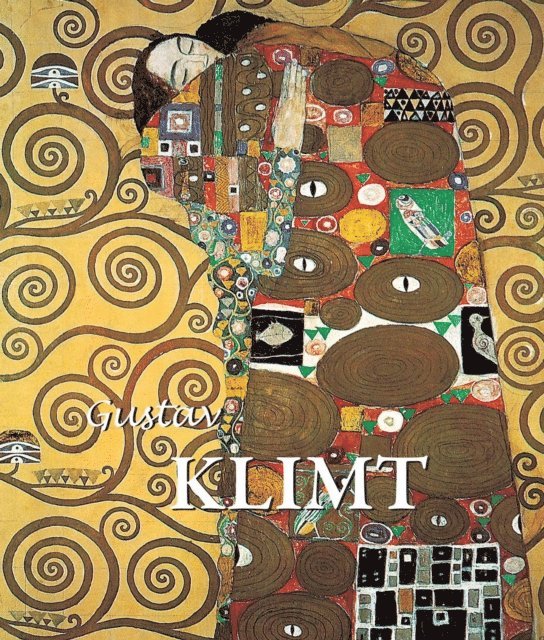
Gustav Klimt (1862-1918) war zum Ende des 19. Jahrhunderts nicht nur einer der einflussreichsten Künstler, sondern gründete zudem die Bewegung der Wiener Secession. Mithilfe dieser Bewegung übte er Kritik an der traditionellen Kunst, die sich durch ihren Widerstand gegen Veränderungen sowie …
Klimt
Av Jane Rogoyska, Patrick Bade
E-bok, 2018
136 kr
Lägg i varukorg
“I am not interested in myself as a subject for painting, but in others, particularly women…”Beautiful, sensuous and above all erotic, Gustav Klimt’s paintings speak of a world of opulence and leisure, which seems aeons away from the harsh, post-modern environment we live in now. The subjects he …
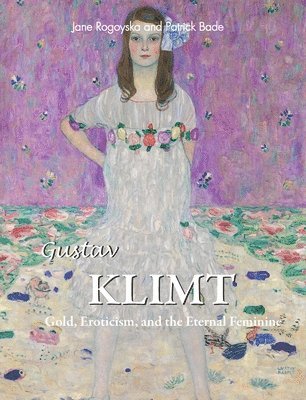
Gustav Klimt
Gold, Eroticism, and the Eternal Feminine
Av Patrick Bade, Jane Rogoyska
E-bok, 2023
145 kr
Lägg i varukorg
“I am not interested in myself as a subject for painting, but in others, particularly women…”Beautiful, sensuous and above all erotic, Gustav Klimt’s paintings speak of a world of opulence and leisure, which seems aeons away from the harsh, post-modern environment we live in now. The subjects he …
Gustav Klimt y obras de arte
Av Jane Rogoyska, Patrick Bade
E-bok, 2023
136 kr
Lägg i varukorg
“No me intereso en mí mismo como tema de una pintura, sino en los demás... en especial en las mujeres...” Hermosas, sensuales y, sobre todo, eróticas, las pinturas de Gustav Klimt hablan de un mundo de opulencia y placer que parece estar a miles de años luz de distancia del rudo entorno posmoderno …
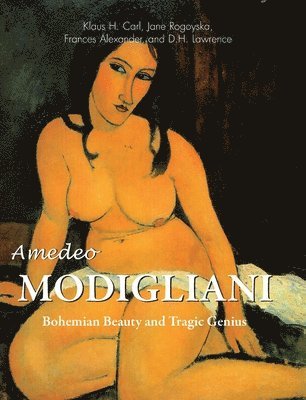
Amedeo Modigliani
Bohemian Beauty and Tragic Genius
Av D.H. Lawrence, Frances Alexander m. fl.
E-bok, 2018
145 kr
Lägg i varukorg
Equally famous for his masterful canvasses and tumultuous mental health, Amedeo Modigliani (1884-1920) was, in many ways, the prototypical tortured artist. A lifelong sufferer of painfully degenerative tuberculosis, Modigliani was famous for denying his disease with a frenzied bohemian lifestyle of …
Gustav Klimt
L'or, l'erotisme et l'eternel feminin
Av Patrick Bade, Jane Rogoyska
E-bok, 2012
145 kr
Lägg i varukorg
Gustav Klimt (Baumgarten, 1862 – Vienne, 1918)«Faire un autoportrait ne m''intéresse pas. Les sujets de peinture qui m''intéressent ? Les autres et en particulier les femmes… » Aucune référence au monde extérieur ne vient contrarier le charme des allégories, portraits, paysages et autres …
Amedeo Modigliani
Beaute boheme et genie tragique
Av Guillaume Apollinaire, Jane Rogoyska m. fl.
E-bok, 2018
145 kr
Lägg i varukorg
Amedeo Modigliani (1884-1920), également célèbre pour ses toiles magistrales et sa santé mentale tumultueuse, était, à bien des égards, l''artiste prototypique torturé. Souffrant d''une tuberculose douloureuse et dégénérative depuis toujours, Modigliani était célèbre pour avoir nié sa maladie avec …
Gustav Klimt
Gold, Erotik und das Ewige Weibliche
Av Patrick Bade, Jane Rogoyska
E-bok, 2012
145 kr
Lägg i varukorg
Gustav Klimt (1862-1918) war zum Ende des 19. Jahrhunderts nicht nur einer der einflussreichsten Künstler, sondern gründete zudem die Bewegung der Wiener Secession. Mithilfe dieser Bewegung übte er Kritik an der traditionellen Kunst, die sich durch ihren Widerstand gegen Veränderungen sowie …
Amedeo Modigliani
Av Frances Alexander, Jane Rogoyska
E-bok, 2019
118 kr
Lägg i varukorg
Modigliani (1884-1920), a painter who didn’t find much happiness in his native Italy, managed only to find sorrow in France. From this unhappiness was born an original style of painting, influenced by African art, Cubism, and nights of drinking in Montparnasse.His female nudes, with their profound …
Surviving Katyn
Stalin''s Polish Massacre and the Search for Truth
E-bok, 2021
133 kr
Lägg i varukorg
WINNER OF THE MARK LYNTON HISTORY PRIZE LONGLISTED FOR THE RSL ONDAATJE PRIZE ‘A gripping reconstruction… utterly compelling reading.’ Adam Zamoyski ‘This is a grim story, thoroughly researched and brilliantly told.’ Geoffrey Alderman, Times Higher Education The Katyn Massacre of 22,000 Polish …
Hotel Exile
Paris in the Shadow of War
Häftad, 2027
160 kr
Kommande
The Hotel Lutetia is a Paris institution, the only ‘grand’ hotel on the city’s bohemian Left Bank. Ever since it opened, it has served as a meeting place for artists, musicians and politicians. André Gide took his lunch here, James Joyce lived in one of its rooms, Picasso and Matisse were regular …
Hotel Exile
Paris in the Shadow of War
E-bok, 2026
170 kr
Lägg i varukorg
**SHORTLISTED FOR THE WOMEN’S PRIZE FOR NONFICTION**A FOYLES TOP TEN READ FOR FEBRUARY | A 2026 HIGHLIGHT IN THE FINANCIAL TIMES, EVENING STANDARD AND THE BOOKSELLER A meeting place for Europe’s bohemian artists. A headquarters of the Nazi occupation. A shelter for camp survivors.This is the true …