Patrick Bade – författare
Visar alla böcker från författaren Patrick Bade. Handla med fri frakt och snabb leverans.
86 produkter
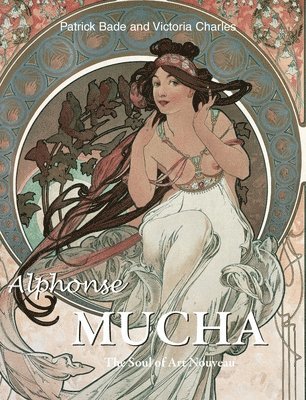
Alphonse Mucha and artworks
Av Patrick Bade
E-bok, 2023
136 kr
Lägg i varukorg
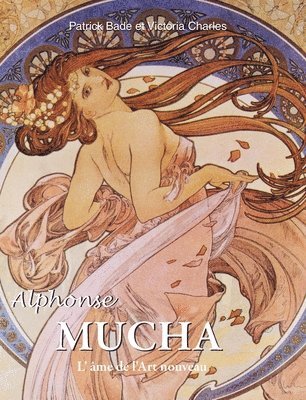
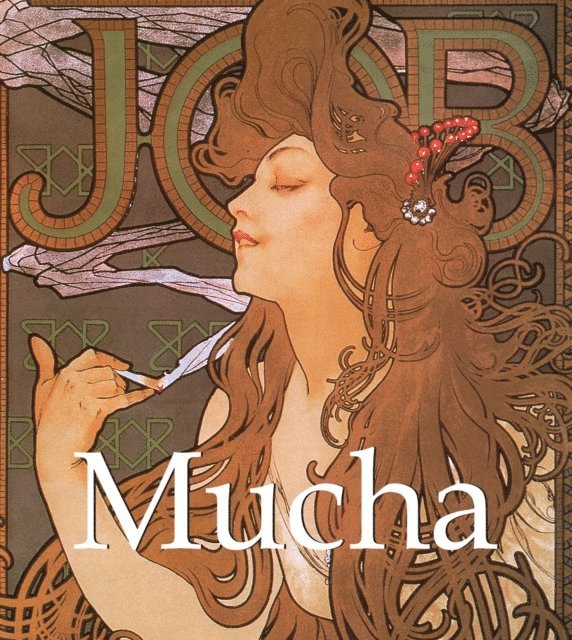
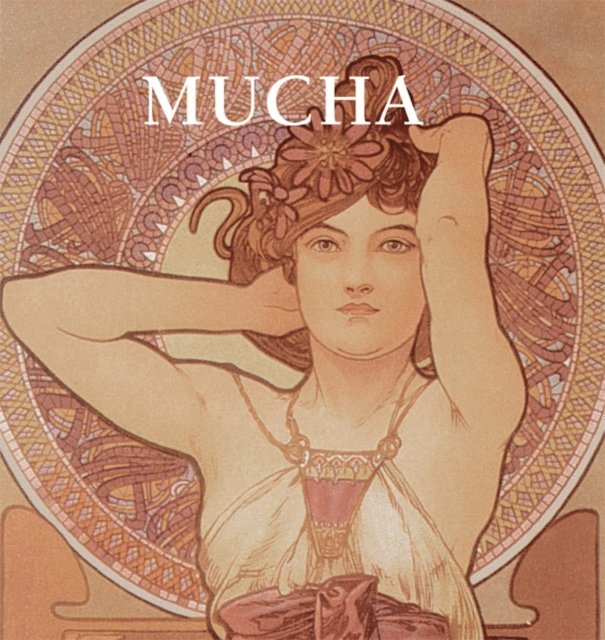
Born in 1860 in a small Czech town, Alphonse Mucha (1860-1939) was an artist on the forefront of Art Nouveau, the modernist movement that swept Paris in the 1910s, marking a return to the simplicity of natural forms, and changing the world of art and design forever. In fact, Art Nouveau was known …
Courbet
Av Patrick Bade
E-bok, 2011
123 kr
Lägg i varukorg
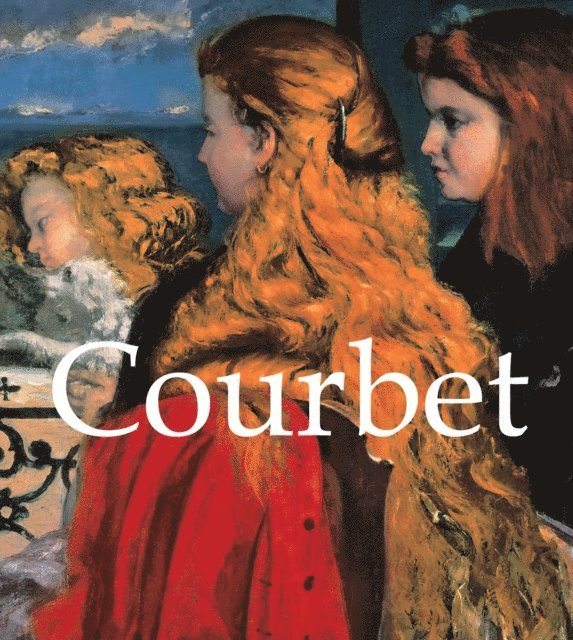
Ornans, Courbet’s birthplace, is near the beautiful valley of the Doubs River, and it was here as a boy, and later as a man, that he absorbed the love of landscape.He was by nature a revolutionary, a man born to oppose existing order and to assert his independence; he had that quality of bluster …
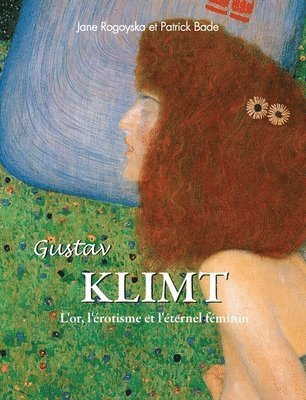
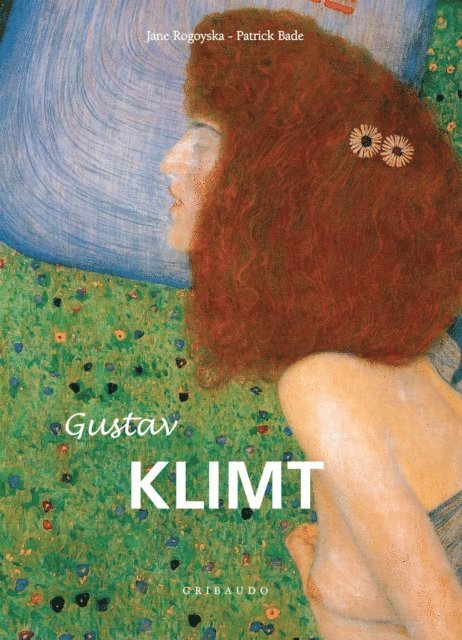
Gustav Klimt: L'or, l'érotisme et l'éternel féminin
Av Jane Rogoyska, Patrick Bade
Inbunden, 2024
573 kr
Lägg i varukorg
Edvard Munch
Av Patrick Bade
E-bok, 2019
73 kr
Lägg i varukorg
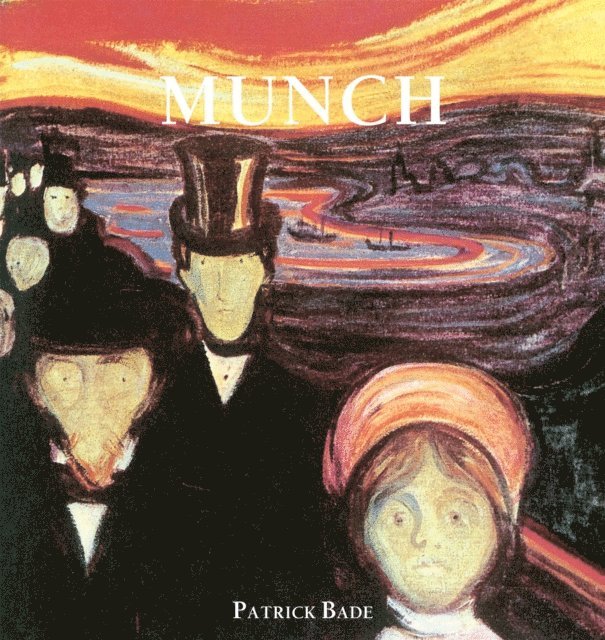
Edvard Munch, nacido en 1863, fue el artista más popular de Noruega. Sus pinturas de aspecto meditabundo y angustioso están basadas en su propia pena y obsesiones, y fueron piezas clave en el desarrollo del expresionismo. Durante su niñez, la muerte de su madre, su hermano y hermana, así como la …
Egon Schiele
Av Patrick Bade
E-bok, 2019
73 kr
Lägg i varukorg
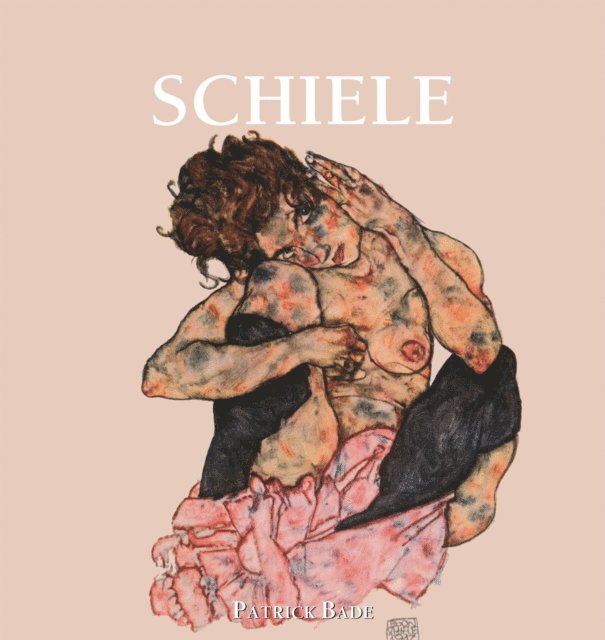
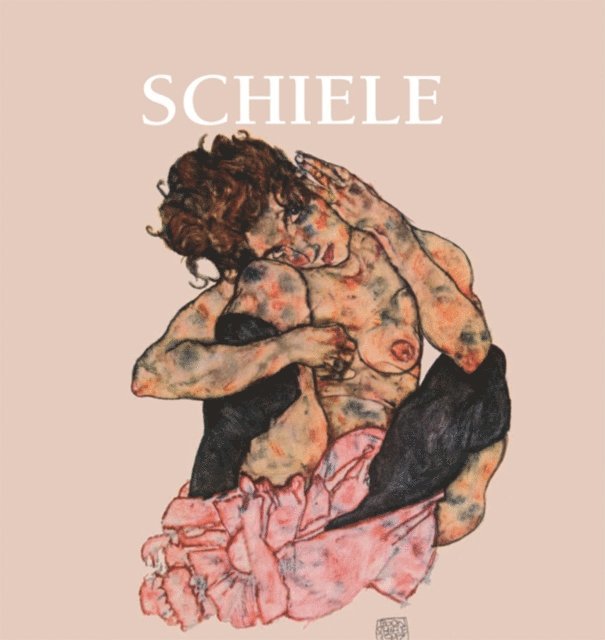
La obra de Egon Schiele es tan particular que se resiste a la categorización. Admitido en la Academia Vienesa de las Bellas Artes cuando apenas contaba con dieciséis años, fue un artista de extraordinaria precocidad, cuya consumada habilidad en la manipulación de las líneas le dio a sus obras una …
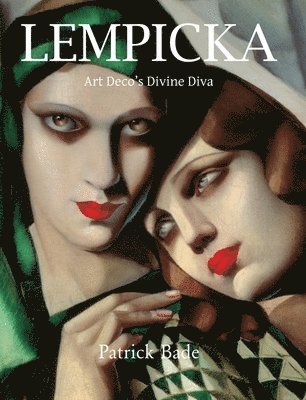
Lempicka
Av Patrick Bade
E-bok, 2019
118 kr
Lägg i varukorg
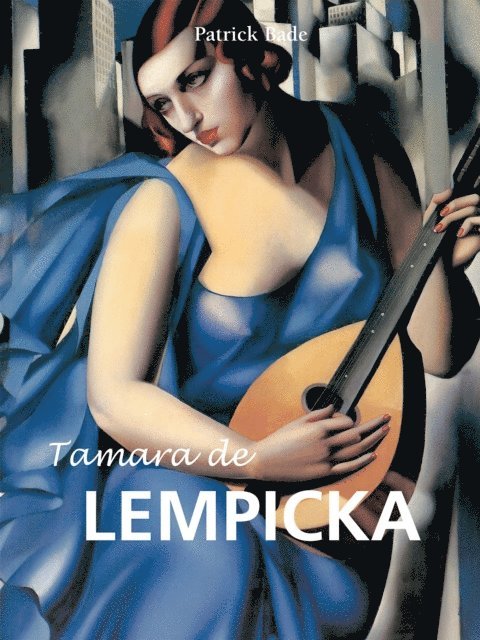
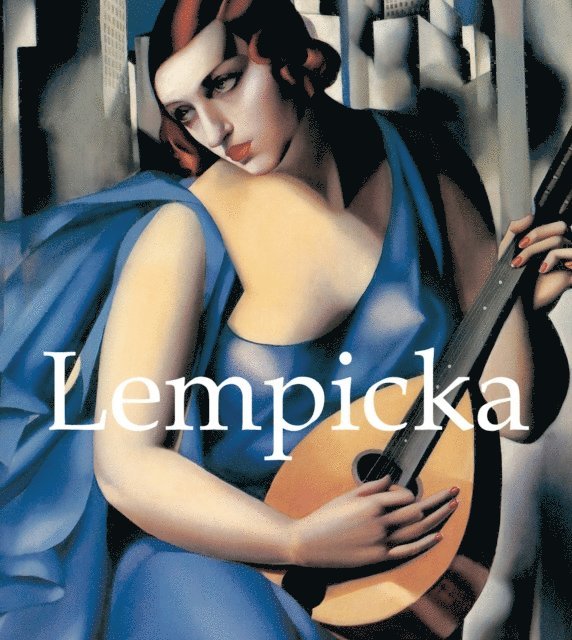
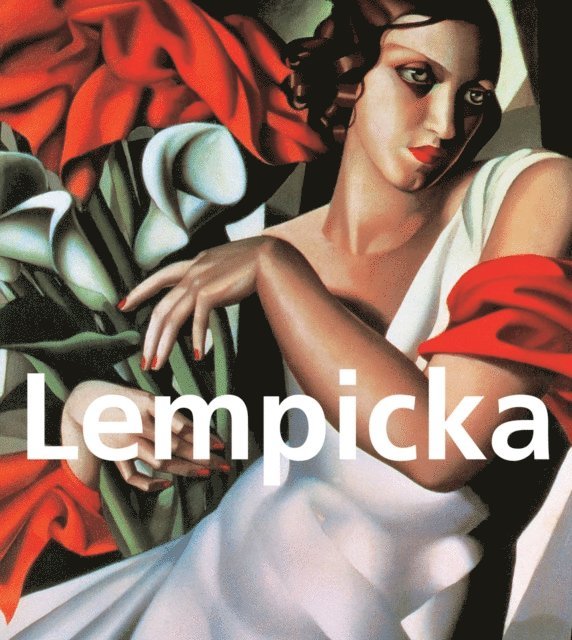
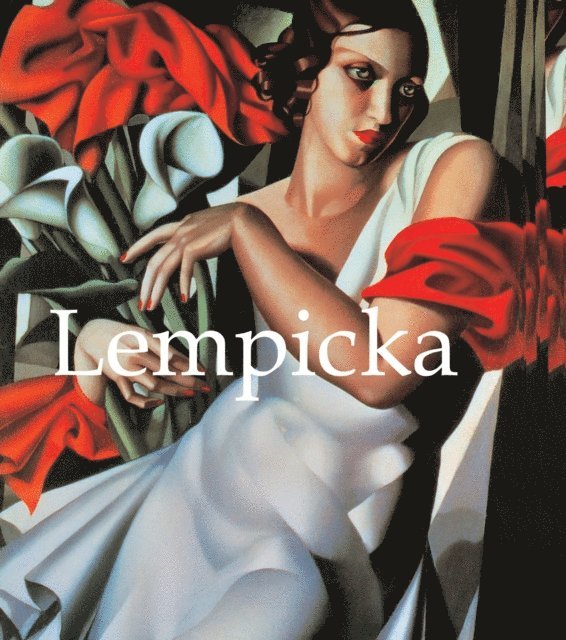
Los claros retratos metálicos, desnudos y naturalezas muertas de Tamara de Lempicka resumen el espíritu del Art Déco y del apogeo del Jazz, además de reflejar la vida elegante y hedonista de la élite adinerada, exclusiva y glamurosa de la París de entre guerras. En el arte de Lempicka confluyen una …
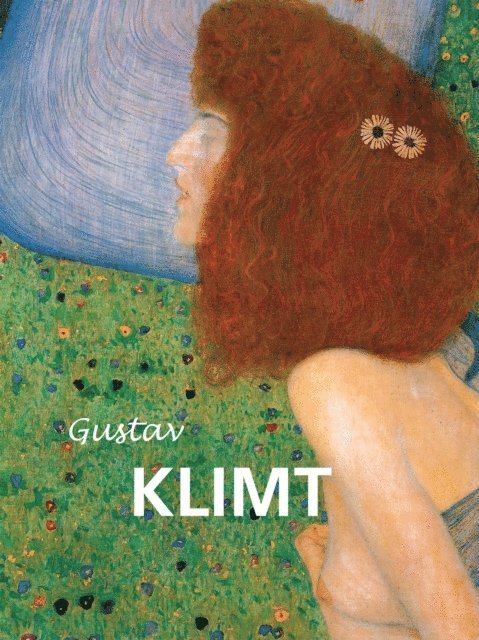
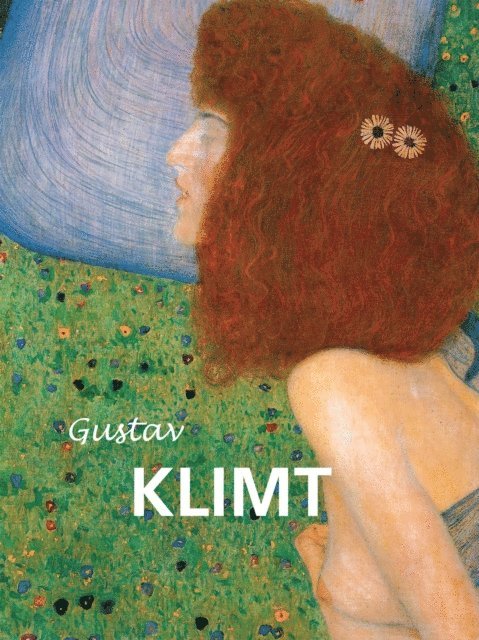
Gustav Klimt
Av Patrick Bade, Jane Rogoyska
E-bok, 2012
136 kr
Lägg i varukorg
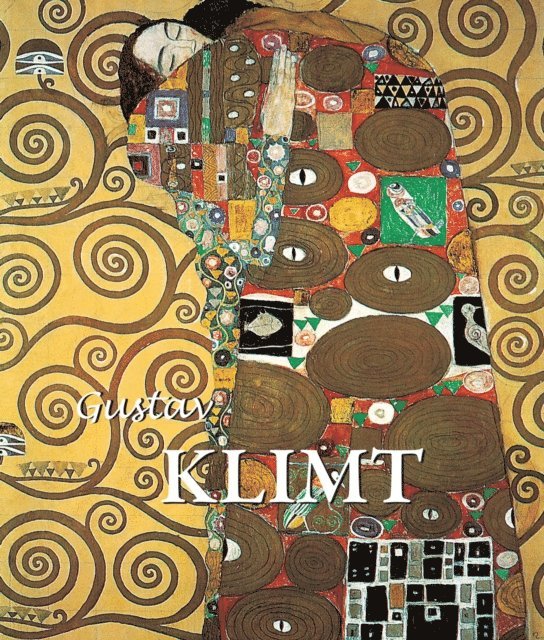
Gustav Klimt (1862-1918) war zum Ende des 19. Jahrhunderts nicht nur einer der einflussreichsten Künstler, sondern gründete zudem die Bewegung der Wiener Secession. Mithilfe dieser Bewegung übte er Kritik an der traditionellen Kunst, die sich durch ihren Widerstand gegen Veränderungen sowie …
Lempicka
Av Patrick Bade
E-bok, 2011
123 kr
Lägg i varukorg
The smoothly metallic portraits, nudes and still lifes of Tamara de Lempicka encapsulate the spirit of Art Deco and the Jazz Age, and reflect the elegant and hedonistic life-style of a wealthy, glamorous and privileged elite in Paris between the two World Wars. Combining a formidable classical …
Lempicka
Av Patrick Bade
E-bok, 2011
123 kr
Lägg i varukorg
Les portraits, les nus et les natures mortes de Tamara de Lempicka (1898-1980) résument l’esprit Art déco et Jazz Age. Ils reflètent le style de vie élégant et hédoniste d’une élite fortunée et glamour dans le Paris de l’entre-deux-guerres. Combinant une formidable technique classique et des …
Lempicka 1898-1980
Av Patrick Bade
E-bok, 2022
136 kr
Lägg i varukorg
Die Portraits, Akte und Stillleben von Tamara Lempicka (1898-1980) atmen den Geist des Art Deco und des Jazz Age. Sie spiegeln den eleganten und hedonistischen Lebensstil einer glamourösen Elite in Paris in der Zeit zwischen den beiden Weltkriegen wider. Ihre Kunst kombiniert eine hervorragende …
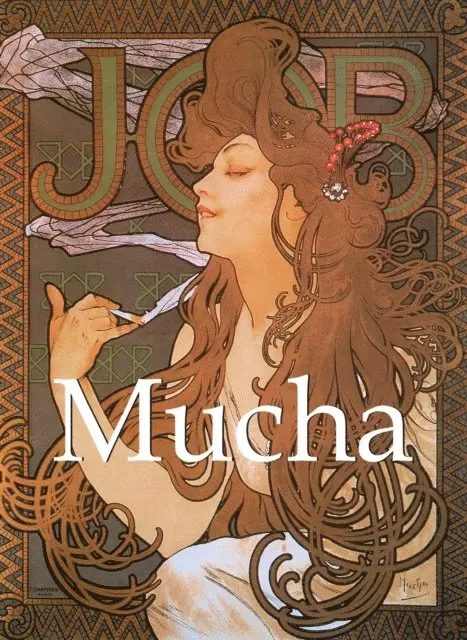
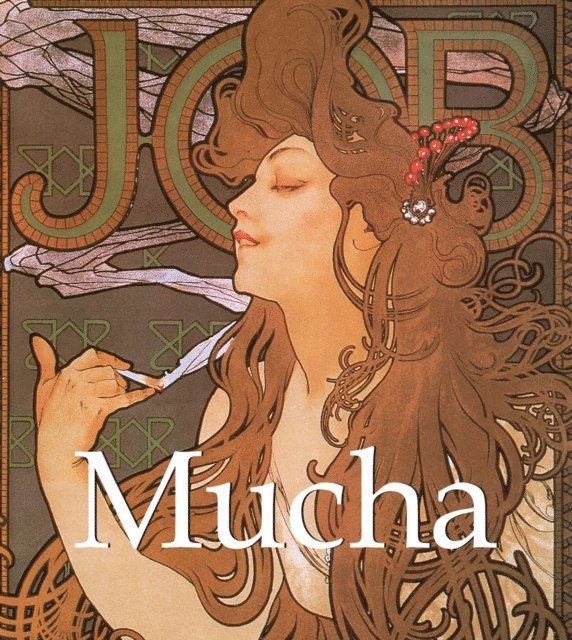
Mucha
Av Patrick Bade
E-bok, 2011
123 kr
Lägg i varukorg
Born in 1860 in a small Czech town, Alphonse Mucha (1860-1939) was an artist on the forefront of Art Nouveau, the modernist movement that swept Paris in the 1910s, marking a return to the simplicity of natural forms, and changing the world of art and design forever. In fact, Art Nouveau was known …
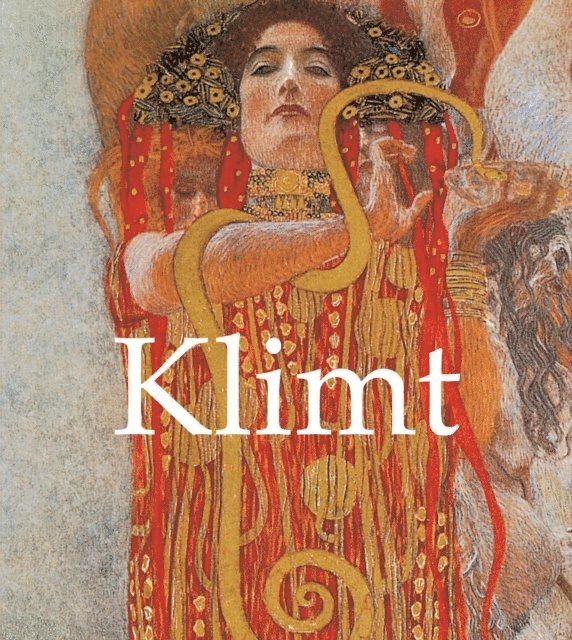
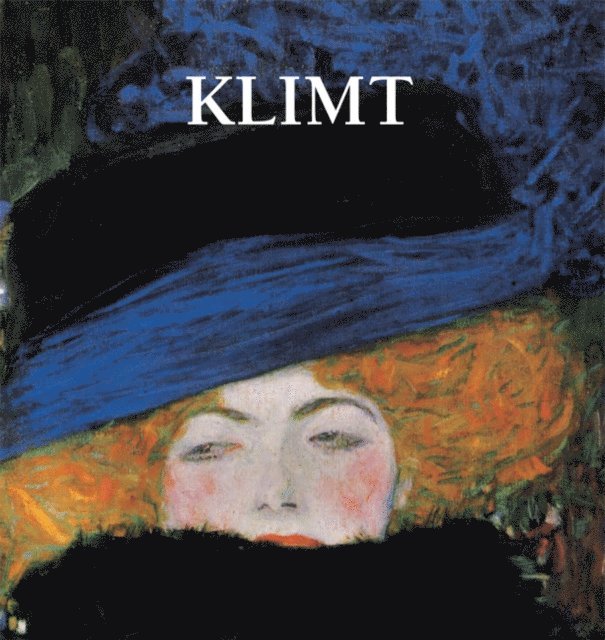
Klimt
Av Patrick Bade, Jane Rogoyska
E-bok, 2011
123 kr
Lägg i varukorg
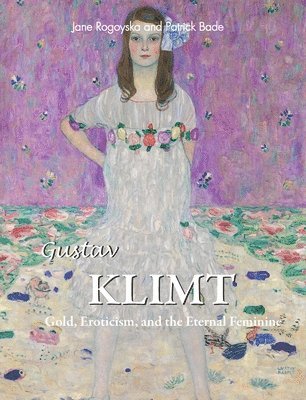
“I am not interested in myself as a subject for painting, but in others, particularly women…”Beautiful, sensuous and above all erotic, Gustav Klimt’s paintings speak of a world of opulence and leisure, which seems aeons away from the harsh, post-modern environment we live in now. The subjects he …
Mucha
Av Patrick Bade
E-bok, 2011
123 kr
Lägg i varukorg
Alfons Mucha ist der ungekrönte König der Jugendstil-Illustration. Für viele Menschen sind Muchas überirdisch schöne, von floralen Ornamentgeflechten umgegebene Frauen, die erste Assoziation mit der beliebten Kunstrichtung der Wende zum 20. Jahrhundert. Muchas Kunst, die sich über die Jahrzehnte …
Gustav Klimt
L'oro, l'erotismo e l'eterno femminino
Av Patrick Bade, Jane Rogoyska
E-bok, 2023
118 kr
Lägg i varukorg
Gustav Klimt (1862-1918), fondatore del movimento della Secessione Viennese, fu uno degli artisti più influenti della fine del XIX secolo. Attraverso questo movimento Klimt espresse il suo assoluto disprezzo per l’arte “ufficiale”, caratterizzata dall’opposizione al cambiamento e dal rifiuto a …
Gustav Klimt
Av Patrick Bade, Jane Rogoyska
E-bok, 2022
118 kr
Lägg i varukorg
Gustav Klimt (1862-1918) war zum Ende des 19. Jahrhunderts nicht nur einer der einflussreichsten Künstler, sondern gründete zudem die Bewegung der Wiener Secession. Mithilfe dieser Bewegung übte er Kritik an der traditionellen Kunst, die sich durch ihren Widerstand gegen Veränderungen sowie …
Gustav Klimt
Av Patrick Bade, Jane Rogoyska
E-bok, 2022
118 kr
Lägg i varukorg
Gustav Klimt (Baumgarten, 1862 – Vienne, 1918)«Faire un autoportrait ne m''intéresse pas. Les sujets de peinture qui m''intéressent ? Les autres et en particulier les femmes… » Aucune référence au monde extérieur ne vient contrarier le charme des allégories, portraits, paysages et autres …
Gustav Klimt
Av Patrick Bade, Jane Rogoyska
E-bok, 2022
118 kr
Lägg i varukorg
“I am not interested in myself as a subject for painting, but in others, particularly women…”Beautiful, sensuous and above all erotic, Gustav Klimt’s paintings speak of a world of opulence and leisure, which seems aeons away from the harsh, post-modern environment we live in now. The subjects he …
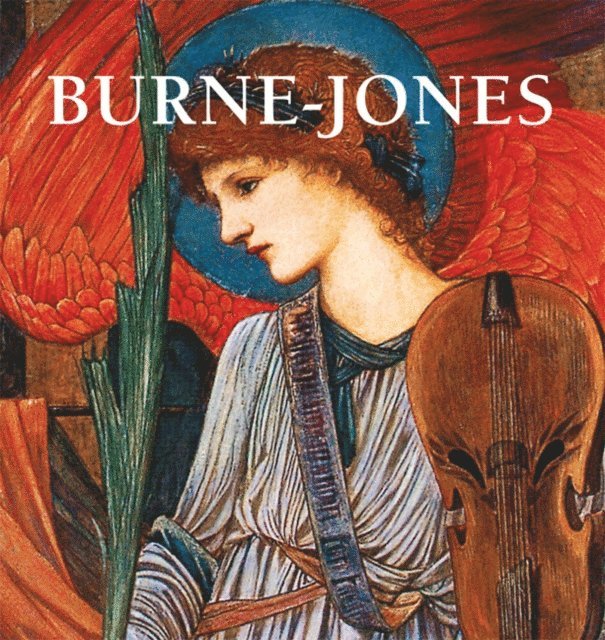
Burne-Jones
Av Patrick Bade
E-bok, 2011
64 kr
Lägg i varukorg
Burne-Jones’ oeuvre can be understood as an attempt to create in paint a world of perfect beauty, as far removed from the Birmingham of his youth as possible. At that time Birmingham was a byword for the dire effects of unregulated capitalism – a booming, industrial conglomeration of unimaginable …
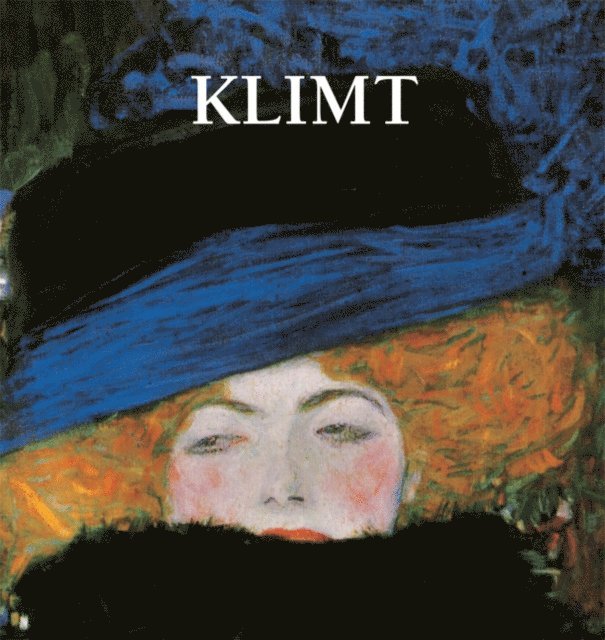
Klimt
Av Patrick Bade
E-bok, 2011
37 kr
Lägg i varukorg
“I am not interested in myself as a subject for painting, but in others, particularly women…”Beautiful, sensuous and above all erotic, Gustav Klimt’s paintings speak of a world of opulence and leisure, which seems aeons away from the harsh, post-modern environment we live in now. The subjects he …
Mucha
Av Patrick Bade
E-bok, 2011
64 kr
Lägg i varukorg
Born in 1860 in a small Czech town, Alphonse Mucha (1860-1939) was an artist on the forefront of Art Nouveau, the modernist movement that swept Paris in the 1910s, marking a return to the simplicity of natural forms, and changing the world of art and design forever. In fact, Art Nouveau was known …
Munch
Av Patrick Bade
E-bok, 2011
64 kr
Lägg i varukorg
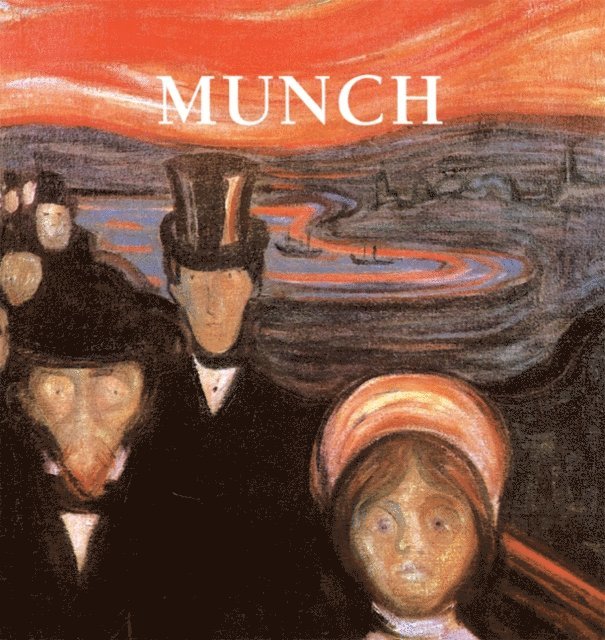
Edvard Munch, born in 1863, was Norway''s most popular artist. His brooding and anguished paintings, based on personal grief and obsessions, were instrumental in the development of Expressionism. During his childhood, the death of his parents, his brother and sister, and the mental illness of …
Munch
Av Patrick Bade
E-bok, 2011
64 kr
Lägg i varukorg
Edvard Munch, nacido en 1863, fue el artista más popular de Noruega. Sus pinturas de aspecto meditabundo y angustioso están basadas en su propia pena y obsesiones, y fueron piezas clave en el desarrollo del expresionismo. Durante su niñez, la muerte de su madre, su hermano y hermana, así como la …
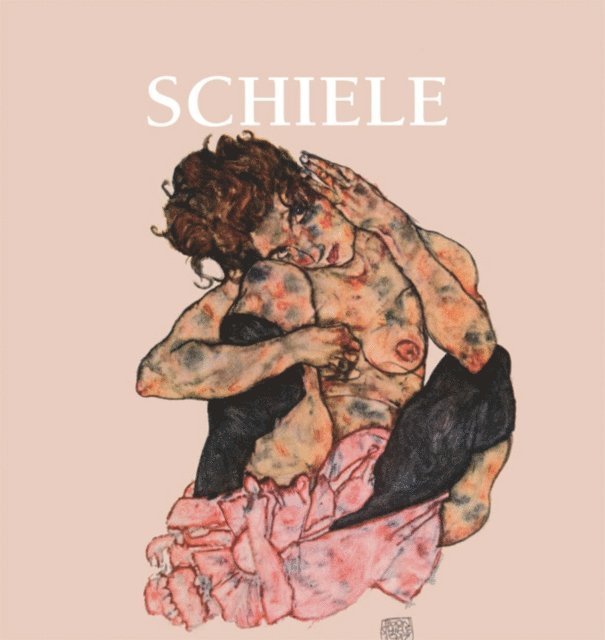
Schiele
Av Patrick Bade
E-bok, 2011
64 kr
Lägg i varukorg
La obra de Egon Schiele es tan particular que se resiste a la categorización. Admitido en la Academia Vienesa de las Bellas Artes cuando apenas contaba con dieciséis años, fue un artista de extraordinaria precocidad, cuya consumada habilidad en la manipulación de las líneas le dio a sus obras una …
Egon Schiele: Uma vida na arte
Av Patrick Bade
E-bok, 2024
73 kr
Lägg i varukorg
Egon Schiele (1890-1918) é um artista incontornável do Expressionismo.Influenciado por Klimt e a Secessão Vienense, ele desliga-se ainda muito jovem da arte oficial austríaca. Nervoso, os seus numerosos trabalhos de nús e auto-retratos são fiéis à imagem deste grande artista: eróticos, sensuais e …
Gustav Klimt: Uma vida na arte
Av Patrick Bade
E-bok, 2024
73 kr
Lägg i varukorg
Gustav Klimt nasceu na Áustria em 1862 e passou a sua vida profissional em Viena, cidade cujo caos artístico era um local extraordinário para viver. No início da sua carreira recebeu uma comissão para pintar uma série de frescos, e recebeu o prémio "Cruz de Ouro para Mérito Artístico" pelos seus …