Janet Bishop – författare
Visar alla böcker från författaren Janet Bishop. Handla med fri frakt och snabb leverans.
5 produkter
5 produkter
559 kr
Skickas inom 7-10 vardagar
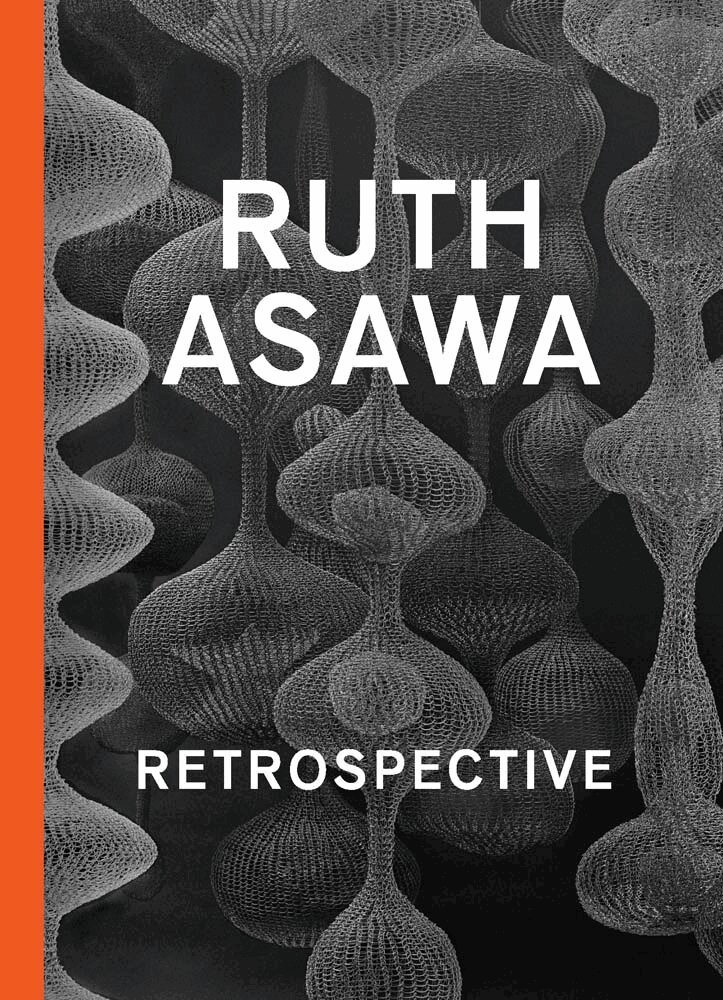
A landmark survey of the wide-ranging practice of one of the twentieth century’s most innovative artists Best known for her sinuous looped-wire sculptures, Ruth Asawa (1926–2013) used everyday materials to create endlessly innovative works in a variety of media over her more than six-decade-long career, from her student days at the experimental Black Mountain College in the 1940s through her mature years in her adopted home city of San Francisco. This extensively illustrated volume explores the astonishing expansiveness of Asawa’s work, from the abstract looped-wire sculptures for which she garnered national attention in the 1950s to her nature-inspired tied-wire pieces, clay and bronze casts, paperfolds, paintings, drawings, sketchbooks, and prints. The book explores the ways in which her longtime San Francisco home and garden served as the epicenter of her creative practice, and highlights the ethos of collaboration and inclusivity that informed her numerous public sculpture commissions and unwavering dedication to arts advocacy. Essays and other writings consider Asawa and her work within the context of modern abstract sculpture, through the lens of craft and the materiality of wire, and in relation to her Asian American identity and her personal history as a Japanese American who was incarcerated with her family during World War II. Focus texts illuminate the connections between Asawa and key artistic figures such as Josef Albers, Imogen Cunningham, and R. Buckminster Fuller, with whom she maintained enduring relationships. Published in association with the San Francisco Museum of Modern ArtSan Francisco Museum of Modern Art(April 5–September 2, 2025)The Museum of Modern Art, New York(October 19, 2025–February 7, 2026)Guggenheim Museum Bilbao, Spain(March 20–September 13, 2026)Fondation Beyeler, Riehen/Basel, Switzerland(October 18, 2026–January 24, 2027)
333 kr
Skickas inom 7-10 vardagar
This generously illustrated volume is the first comprehensive publication devoted to the powerfully expressive work of David Park (1911–60). Best known as the founder of Bay Area Figurative art, Park moved from Boston to California at the age of seventeen and spent most of his adult life in and around San Francisco. In the immediate postwar years, like many avant-garde American artists, he engaged with Abstract Expressionism and painted non-objectively. In a moment of passion in 1949, he made the radical decision to abandon nearly all of his abstract canvases at the Berkeley city dump and return to the human figure, in so doing marking the beginning of the Bay Area Figurative movement. The astonishingly powerful paintings he made in the decade that followed brought together his long-held interest in classic subjects such as portraiture, domestic interiors, musicians, rowers, and bathers with lush, gestural paint handling and an extraordinary sense of color. In 1958–59 Park reached his expressive peak, reveling in the sensuous qualities of paint to create intensely physical, psychologically charged, and deeply felt canvases. This fertile period cut short by illness in 1960, Park transferred his creative energy to other mediums when he could no longer work on canvas. In the last months of his life, bedridden, he produced an extraordinary thirty-foot-long felt-tip-pen scroll and a poignant series of gouaches. Published to accompany the first major museum exhibition of Park’s work in more than thirty years, David Park: A Retrospective traces the full arc of the artist’s career, from his early social realist and cubist-inspired efforts of the 1930s to his mature figurative paintings of the 1950s and his astounding final works on paper. An overview of Park’s full body of work by Janet Bishop, SFMOMA’s Thomas Weisel Family Curator of Painting and Sculpture, will be joined by approximately ninety full-color plates of paintings and works on paper; an essay by Tara McDowell on the figure drawing sessions held by Park, Richard Diebenkorn, Elmer Bischoff, Frank Lobdell, and others in their studios starting in 1953; short essays on Park’s scroll, his gouaches, and the portraits that Imogen Cunningham and Park made of each other; and an illustrated chronology.Published in association with the San Francisco Museum of Modern Art. Exhibition schedule:Modern Art Museum of Fort Worth: June 2–September 8, 2019Kalamazoo Institute of Arts: December 21, 2019–March 15, 2020San Francisco Museum of Modern Art: October 4, 2020–January 18, 2021
455 kr
Skickas inom 7-10 vardagar
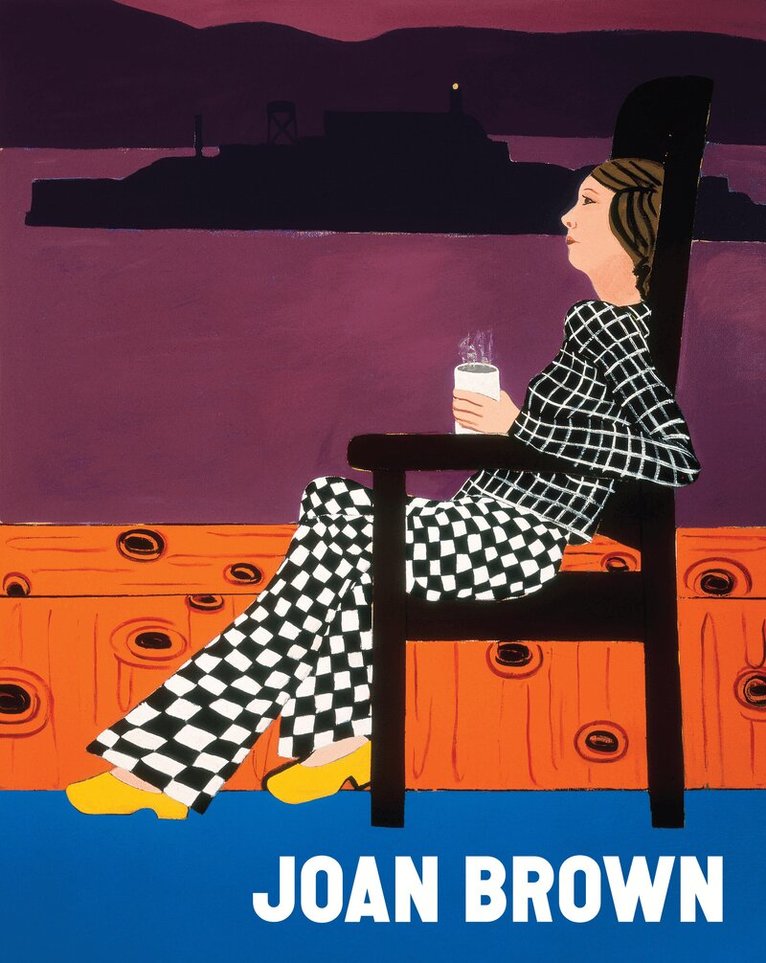
This rich, colorful retrospective celebrates the offbeat, inspired, and highly original artistic career of San Francisco–born painter Joan Brown. This exhibition catalog accompanies a retrospective exhibition of prolific San Francisco–born painter Joan Brown (1938–1990), the first significant survey of her work in more than twenty years. Joan Brown charts the turns and devotions of a vision that was once dismissed by critics as unserious but was in fact rooted firmly in research and impassioned curiosity that remains uniquely compelling today. Deeply embedded in the Bay Area art scene, Brown drew inspiration from many sources to create a charmingly offbeat body of work that merges autobiography, fantasy, and whimsy with weightier metaphysical and spiritual imagery and themes. Featuring texts by curators Janet Bishop and Nancy Lim as well as essays by Solomon Adler, Marci Kwon, and Helen Molesworth, this lavishly illustrated book establishes Brown’s relationship to the self and family, to art history, and to her wider artistic community, while examining the unique materiality of her paintings and exploring her singular vision. In addition, select Brown works will be paired with commentaries by contemporary artists ranging from friends and peers, such as Ron Nagle, to younger artists inspired by her work, such as Woody De Othello. Published in association with the San Francisco Museum of Modern Art. Exhibition dates: San Francisco Museum of Modern Art, November 19, 2022–March 12, 2023Carnegie Museum of Art, May–September 2023
260 kr
Skickas inom 3-6 vardagar
388 kr
Kommande
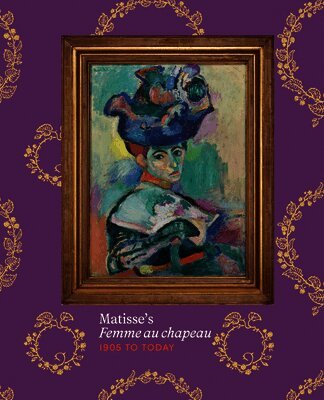
Charting the legacy of Matisse's pivotal Fauvist painting across 120 yearsPublished with San Francisco Museum of Modern Art.Henri Matisse's Femme au chapeau (Woman with a Hat) was at the center of a rupture in the history of modern art. Its debut at the 1905 Salon d'Automne in Paris ignited passionate controversy, leading to its establishment as a key image of Fauvism, the first French avant-garde movement of the 20th century. The painting also marked a pivotal moment in Matisse's career, as it captured the attention of American collectors Leo and Gertrude Stein, who acquired the work on the last day of the exhibition. Woman with a Hat later made its way to the collection of their brother and sister-in-law, Michael and Sarah Stein, who brought it across the Atlantic to the Bay Area in 1935. Matisse's painting was shown in the United States for the first time early the next year, in an exhibition at the San Francisco Museum of Art (now SFMoMA). Since entering the museum's collection in 1991, it has continued to influence contemporary artists, who derive inspiration from its bold approach to color and form.This publication examines in unprecedented depth how this portrait of Matisse's wife, Amélie, made its mark on art history. Positioning Matisse in dialogue with his predecessors, contemporaries, collaborators and successors, this volume probes the painting's historical context and impact over more than 120 years.Henri Matisse (1869–1954) was a pillar of the Parisian avant-garde. His innovations were the use of vibrant, arbitrary colors; bold brushstrokes; and a flattening of spatial depth. He often applied his thoroughly modern style to traditional subjects such as still lifes, landscapes and portraits that express a sense of timeless joy and stillness.